Start with what your routine needs to do
A minimalist routine uses a small number of products to cover everyday needs. A multistep routine adds products for preferences such as a lighter daytime feel, more comfortable makeup application or targeted cosmetic concerns. Neither approach is inherently more effective. The better choice is one you understand, enjoy enough to repeat and can adjust when a product does not suit you.
Before counting steps, think about what your skin feels like through a typical day and what you want from a routine. Do you want to remove makeup without a long process? Does your moisturizer feel comfortable until evening? Are you interested in trying a particular type of ingredient, or mainly trying to simplify a crowded shelf? Clear priorities make it easier to tell a useful addition from a step you feel obliged to keep.
Build a simple foundation first
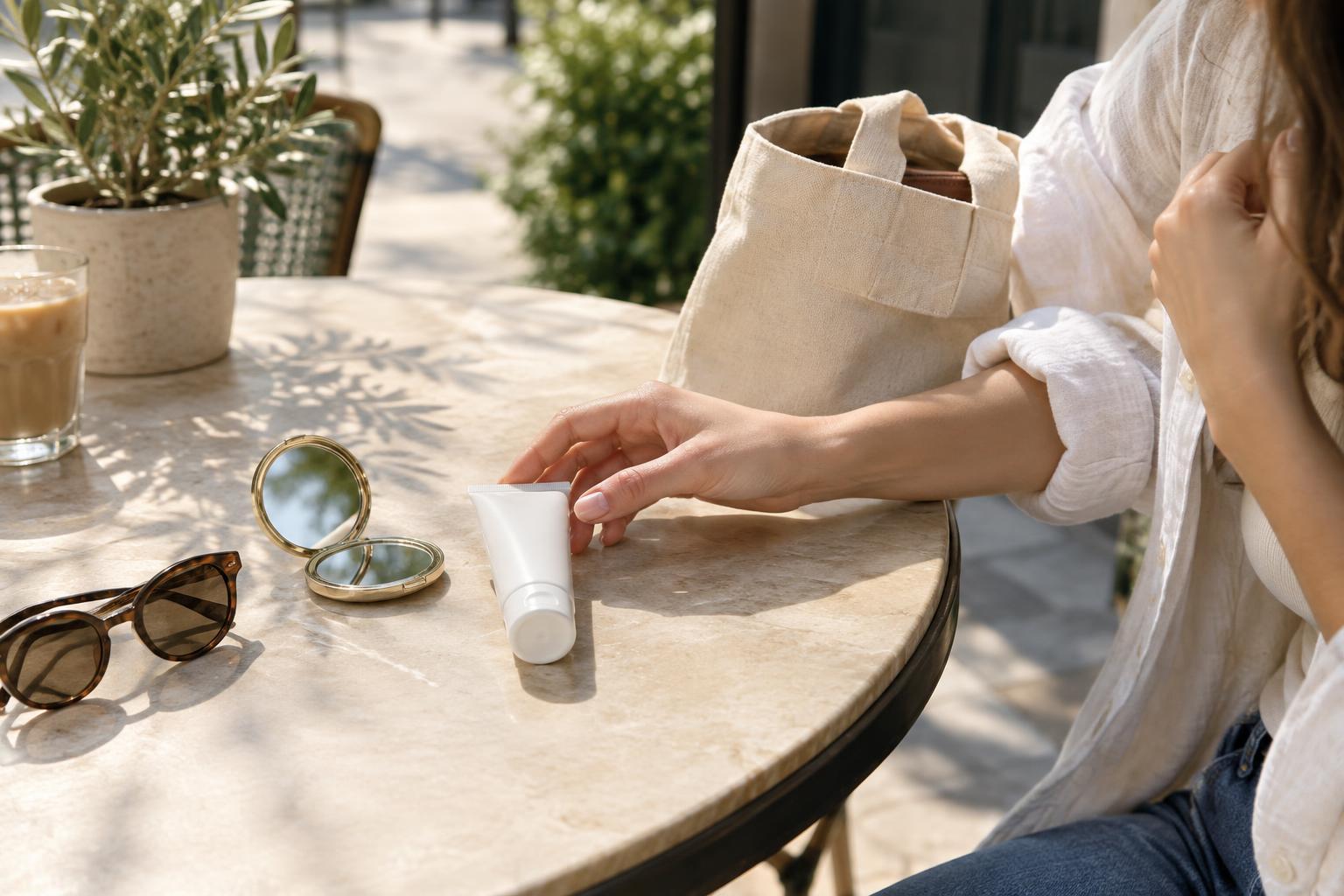
A basic routine can be straightforward: cleanse when needed, moisturize for comfort and use sunscreen during the day as directed on its label. Cleansing removes surface buildup, while moisturizer helps the skin feel comfortable and reduces the feeling of dryness. Sunscreen is a daytime protection step, not a product to save only for elaborate routines. The products and frequency that feel right may differ between morning and evening.
Simple does not mean using the same formula as everyone else. Someone who wears substantial makeup may prefer a separate makeup-removal step before a gentle cleanser. Someone whose face feels comfortable with a rinse in the morning may not want a full cleanse twice a day. Product texture matters, too: a moisturizer you like wearing is more likely to become part of your routine than one that feels heavy or sticky to you.
Decide whether extra steps have a purpose
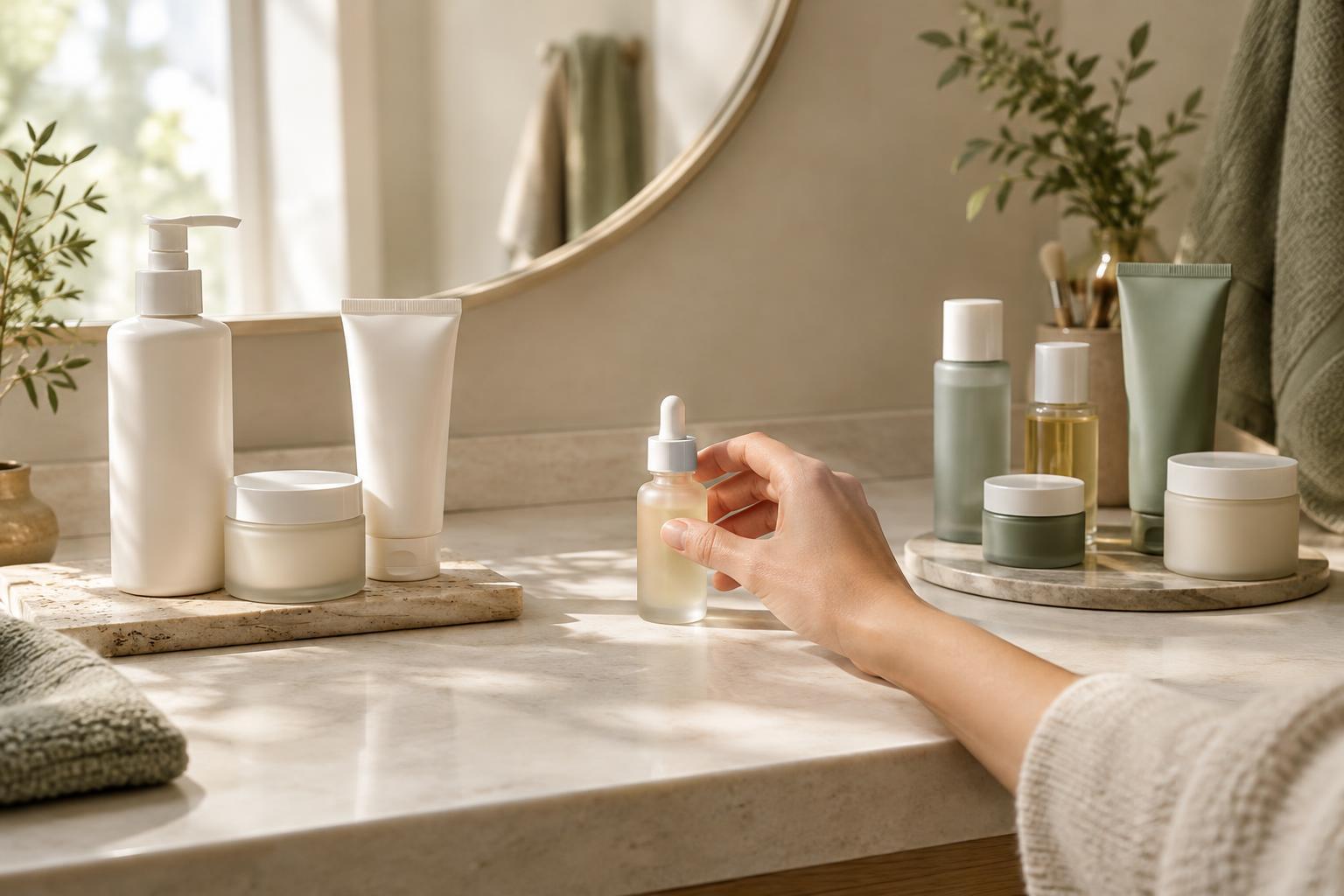
A multistep routine can make sense when each product has a distinct job. You might use a hydrating serum under a moisturizer because you prefer how the combination feels, or choose a separate product for an ingredient that is not in your everyday moisturizer. A makeup wearer might add a primer for a particular finish. These are options, not requirements; several products can have overlapping functions.
Read beyond the product name before adding a step. Words such as “essence,” “serum” and “booster” describe formats more than guaranteed results. Compare the label directions, ingredient list and intended use with what you already own. If two products serve the same purpose, you may only need one. Extra steps also mean more time, expense and opportunities to find that a texture or ingredient does not agree with your preferences.
Test changes without losing track
If you want to expand your routine, introduce one product at a time and follow its label directions. This makes it easier to notice how it wears with your other products and whether you want to keep using it. Give yourself time to judge ordinary details: Does it layer comfortably? Does sunscreen still apply evenly? Does the routine fit a rushed morning as well as a relaxed evening?
The same gradual approach works when simplifying. Rather than discarding everything at once, set aside a step whose purpose is unclear and see whether you miss it. Keep track of what makes the routine easier or more pleasant, not just how many bottles remain. If a product causes persistent discomfort, stop using it; a routine does not need to feel unpleasant to be worthwhile.
Choose for real life, not an ideal shelf
Time, budget and storage space are practical skincare considerations. A three-step routine you use consistently may serve you better than a ten-step routine you regularly skip. On the other hand, someone who enjoys a longer evening ritual may reasonably value those extra steps, even when they are not essential. The goal is to spend attention and money on products that have a clear place in your day.
Revisit your routine when your preferences or circumstances change. A different climate, makeup habit or schedule may call for a different cleanser texture or moisturizer, without requiring a complete overhaul. Start with the basics, add only what has a purpose, and leave room to simplify again. The most useful routine is not the one with the fewest or most steps; it is the one that works comfortably in everyday life.