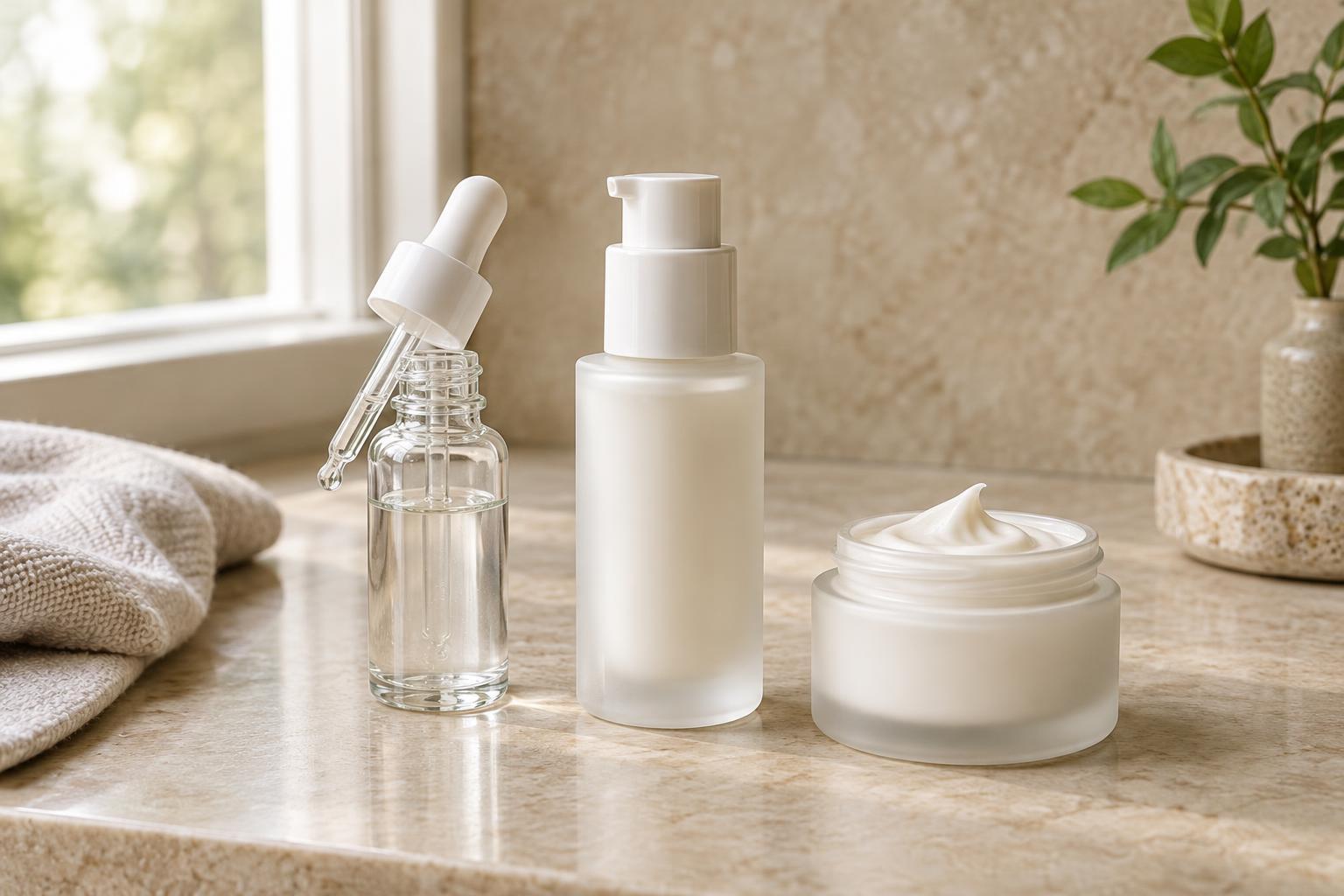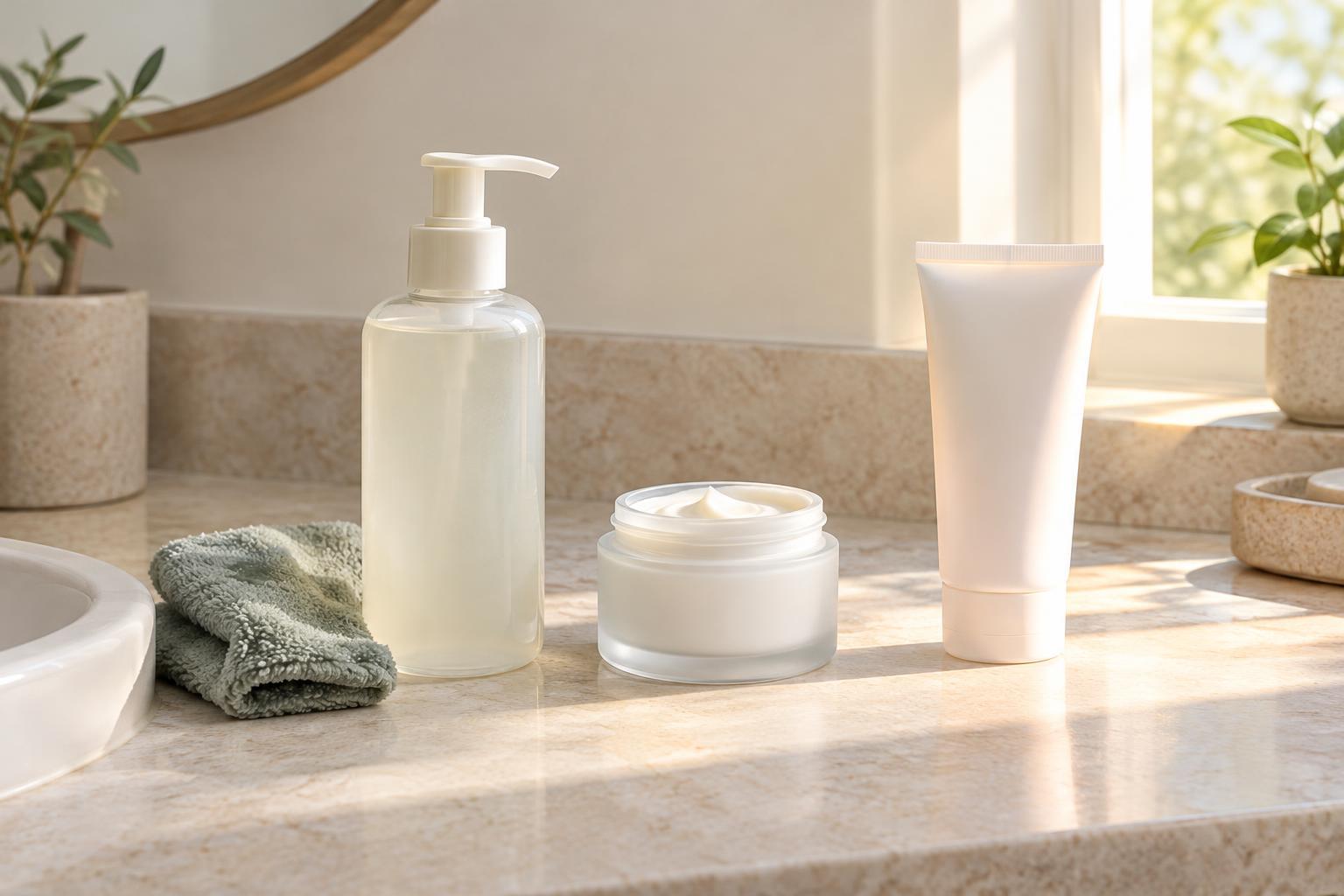
Skincare RoutinesA morning skincare routine does not need many products. Learn a simple order for cleansing, moisturizing and sunscreen, plus how to decide whether optional steps belong in your routine.
Read article · 4 min↗
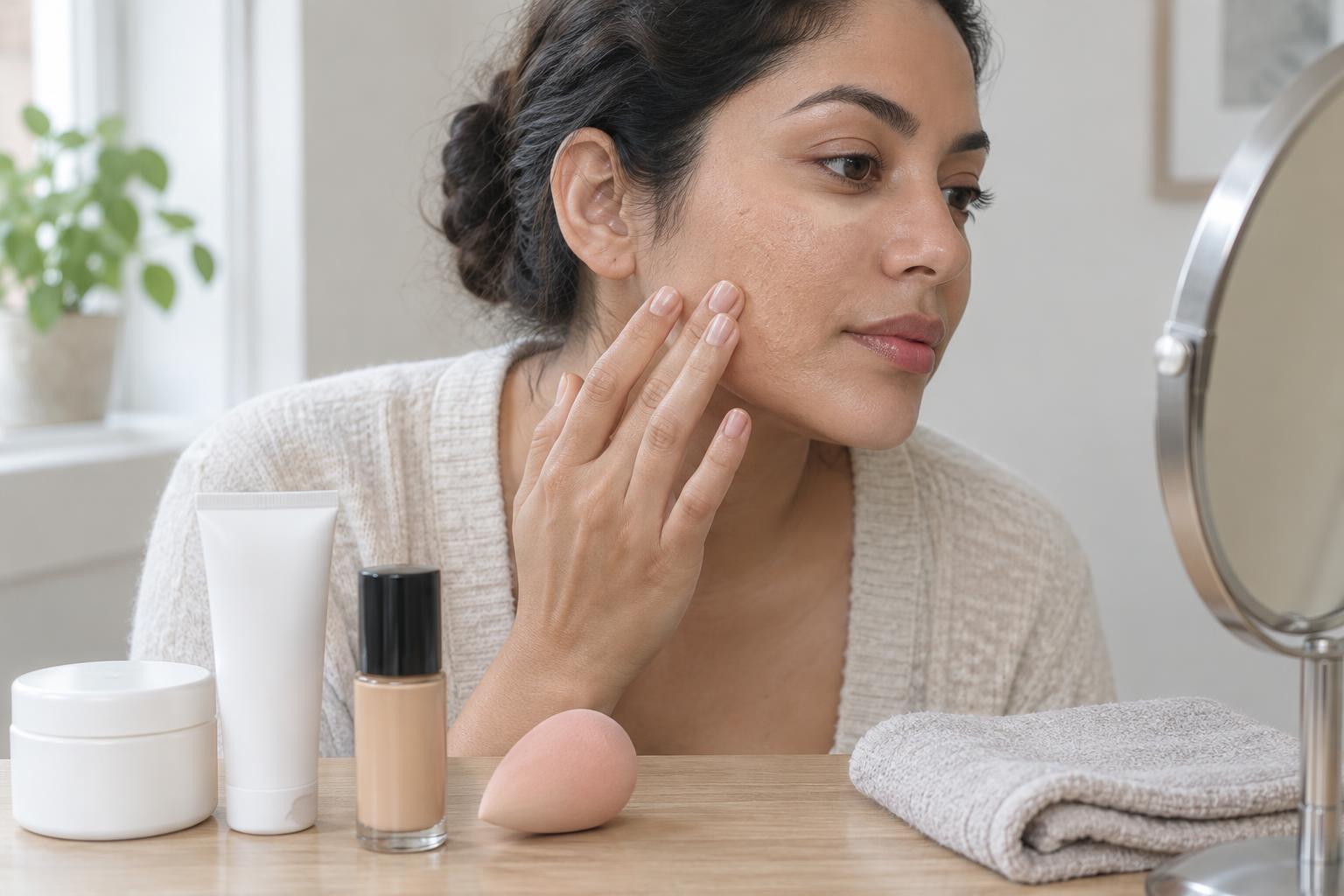
Makeup PreparationUneven foundation is not always a foundation problem. Rushed cleansing, too much skincare, unsettled sunscreen and heavy application can all affect how makeup sits. Here is a practical way to prepare skin without making the routine complicated.
Read article · 4 min↗
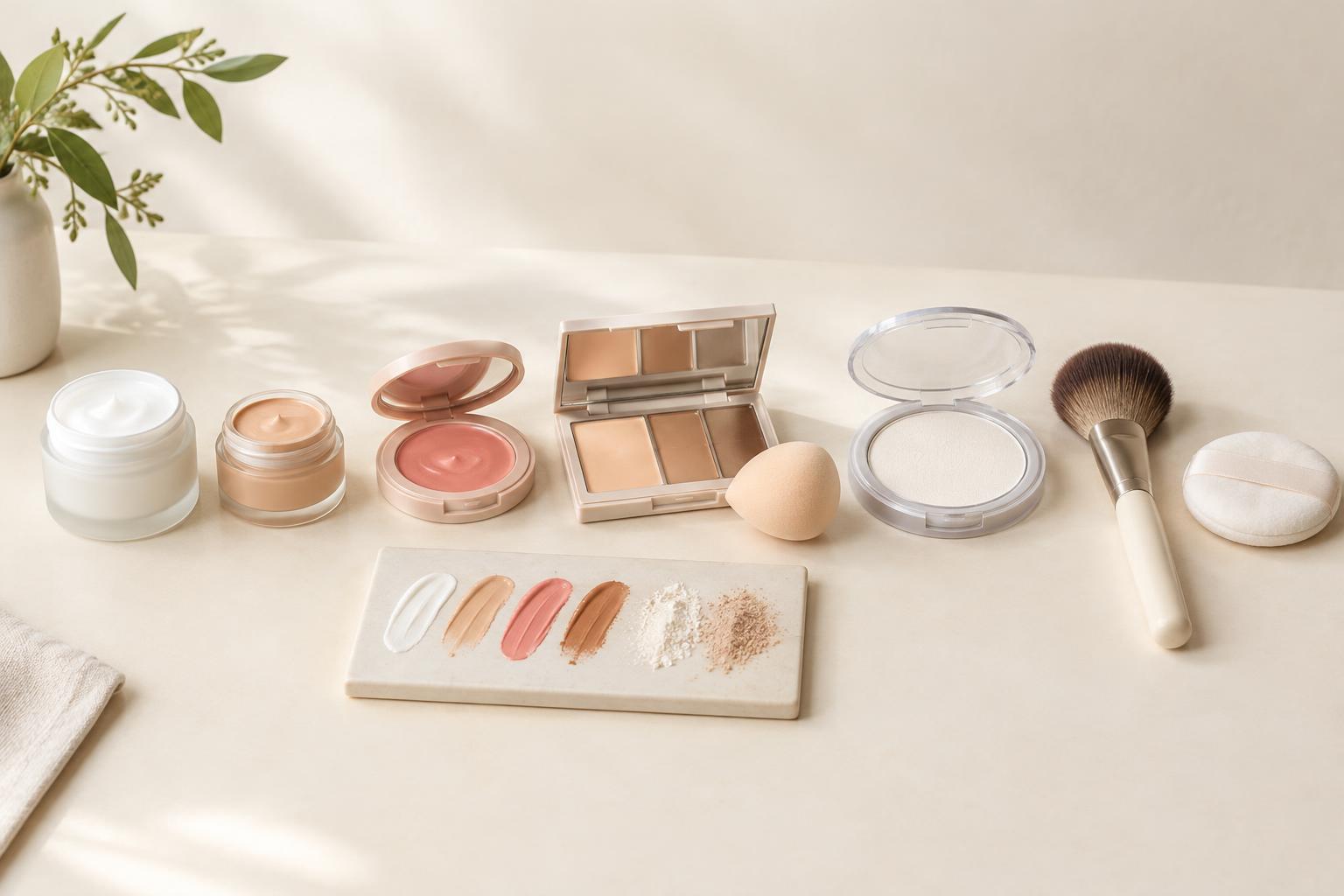
Makeup PreparationCreams and powders can work together when you plan where each product will go. Learn a flexible order for preparing your base, layering color, setting selected areas and making touch-ups without disturbing the makeup underneath.
Read article · 4 min↗
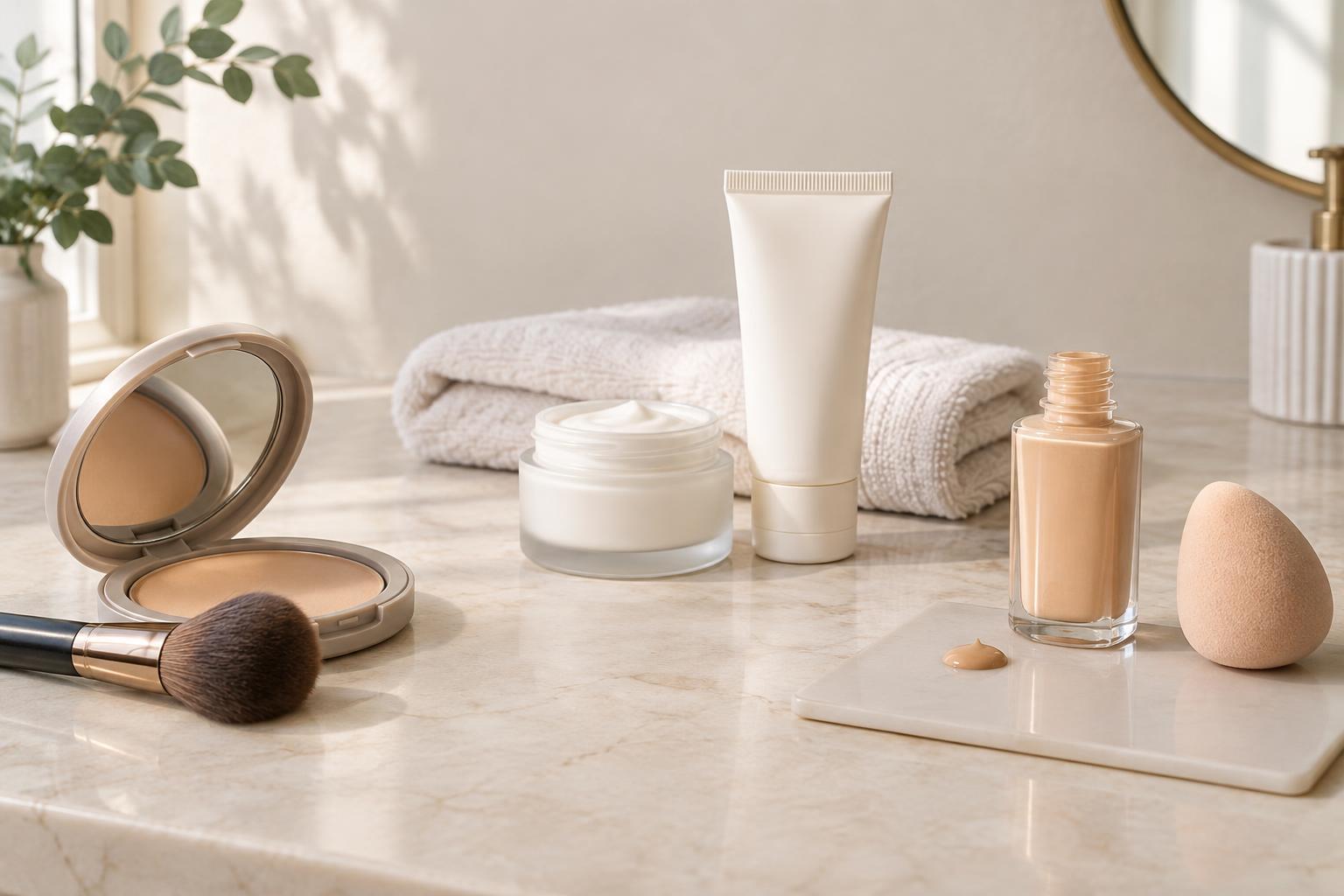
Makeup PreparationPowder and liquid foundations often look their best over different kinds of skin prep. Learn how to adjust cleansing, moisturizer, sunscreen and application timing for each formula without overcomplicating your routine.
Read article · 4 min↗
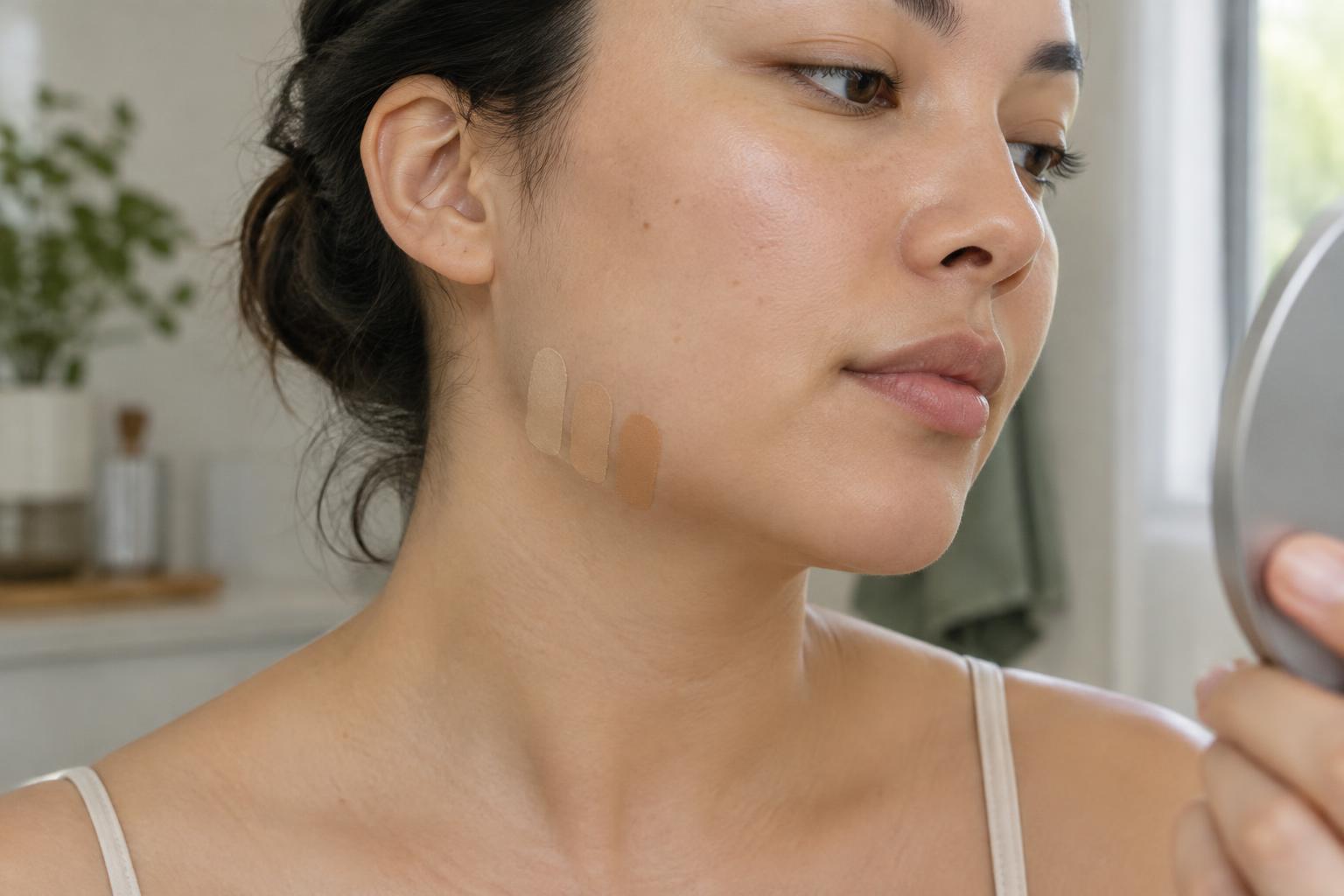
Makeup PreparationA small foundation test can tell you more than a swatch on your hand. Learn where to apply it, how to compare nearby shades, and what to check after the formula has settled.
Read article · 4 min↗
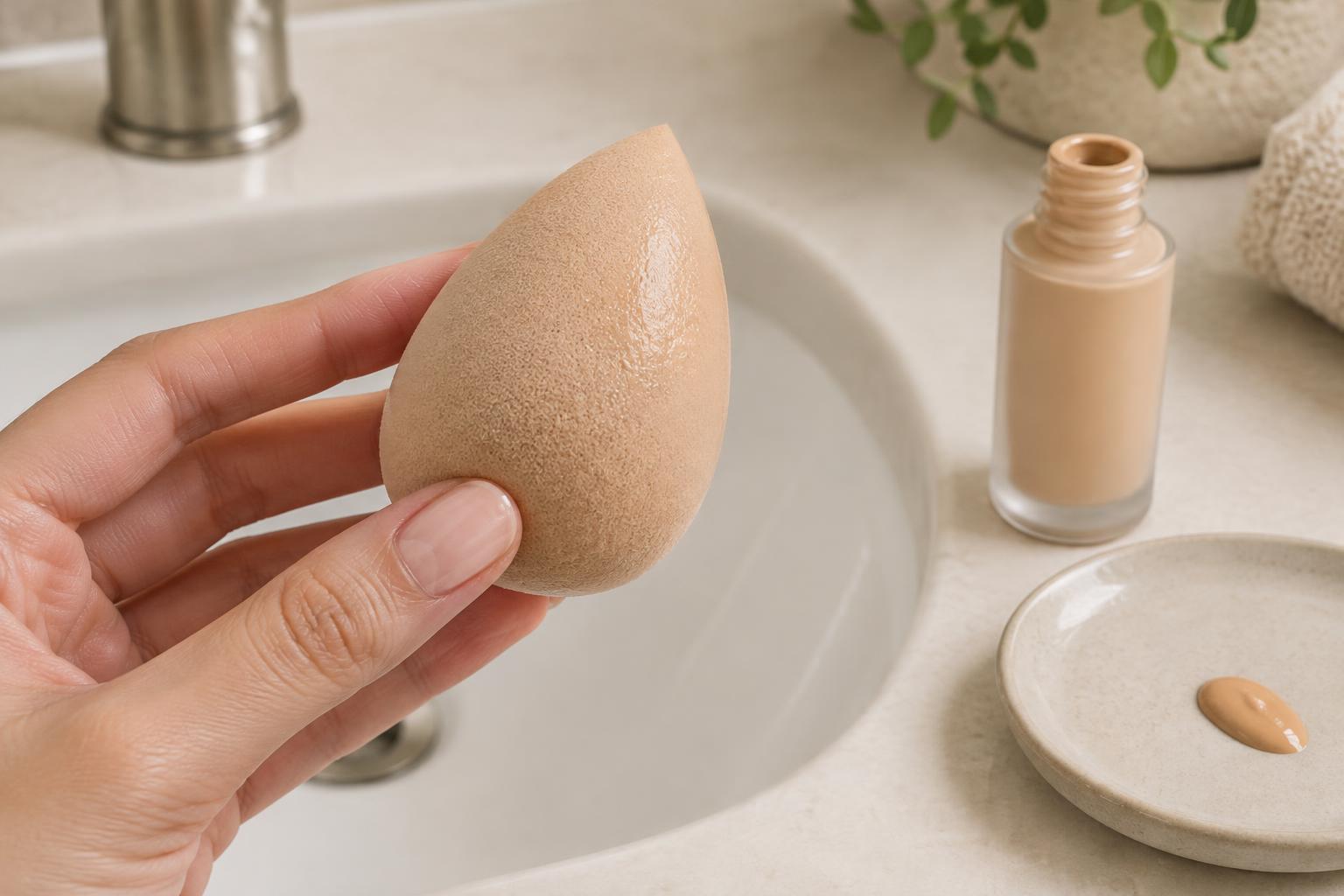
Makeup PreparationA makeup sponge works best when it is evenly damp but not dripping. Learn how to prepare it, check the moisture level, and adjust your technique for different foundation textures.
Read article · 3 min↗
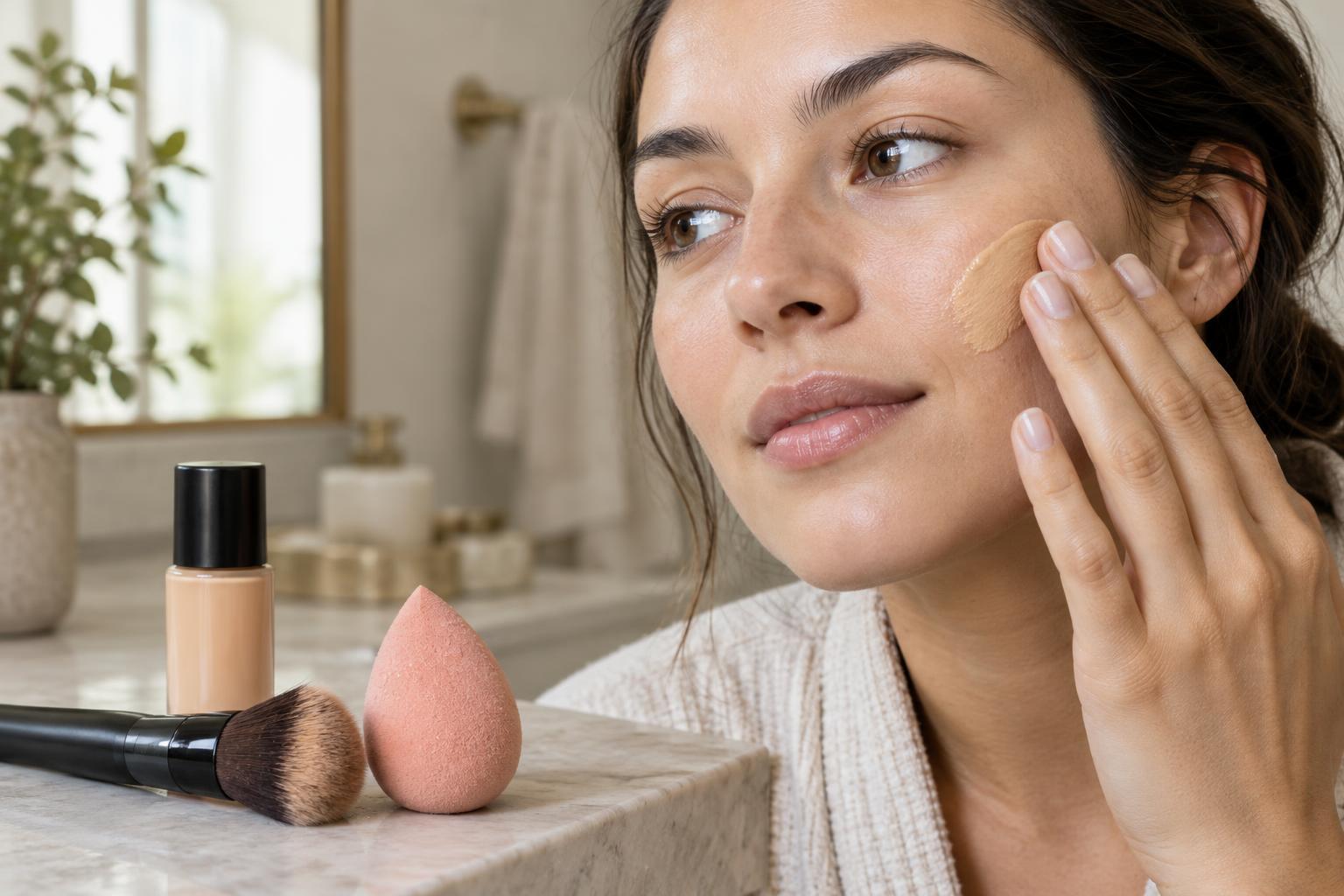
Makeup PreparationThe tool you use can change how foundation looks, feels and builds on the skin. Compare brushes, sponges and fingers, then learn simple ways to get a finish that suits your formula and routine.
Read article · 4 min↗
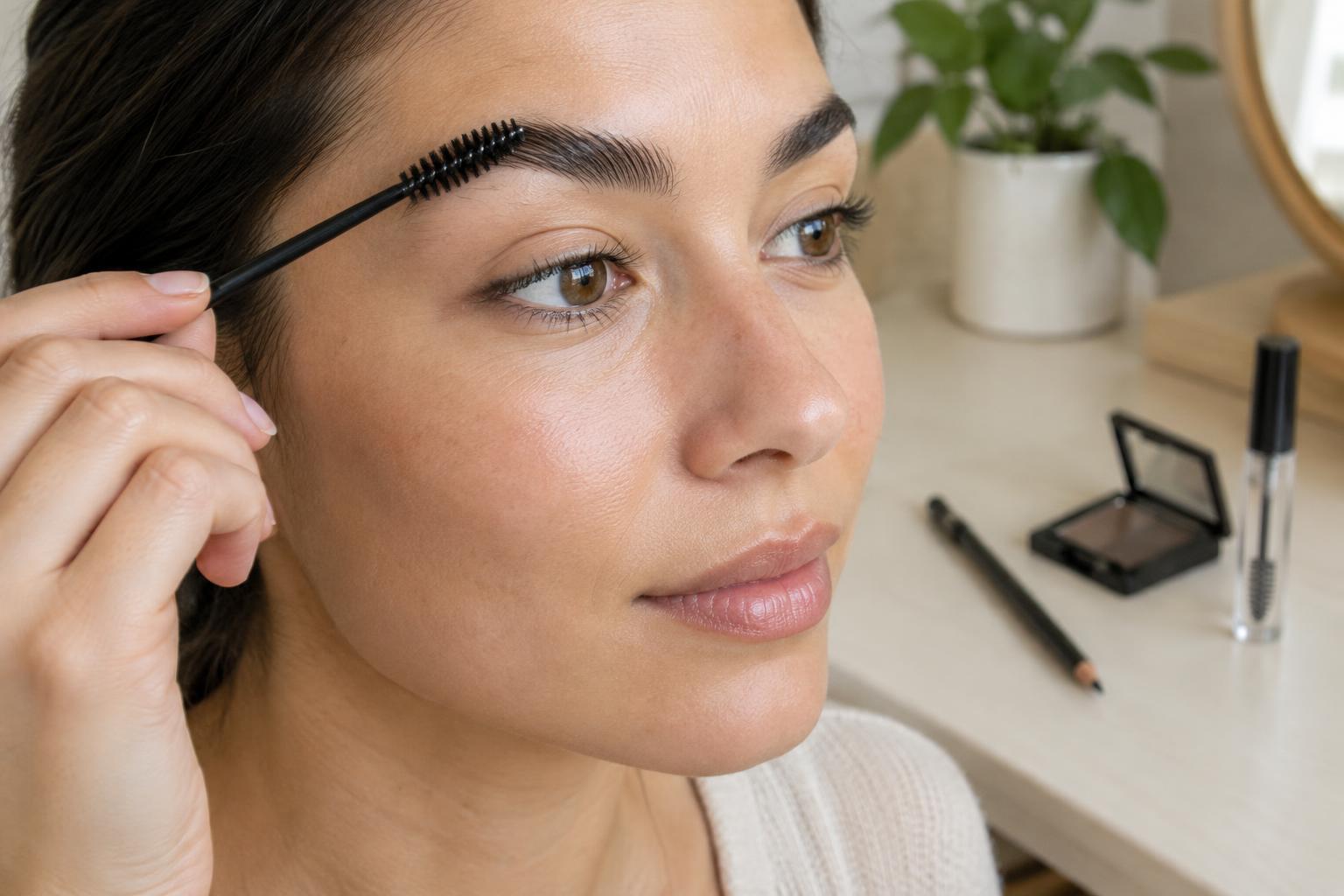
Makeup PreparationGood brow makeup starts with a clean, comfortable base and a clear view of your natural brow shape. Learn how to brush, lightly groom and adjust your prep for pencil, powder or gel without overworking the delicate skin around your brows.
Read article · 4 min↗
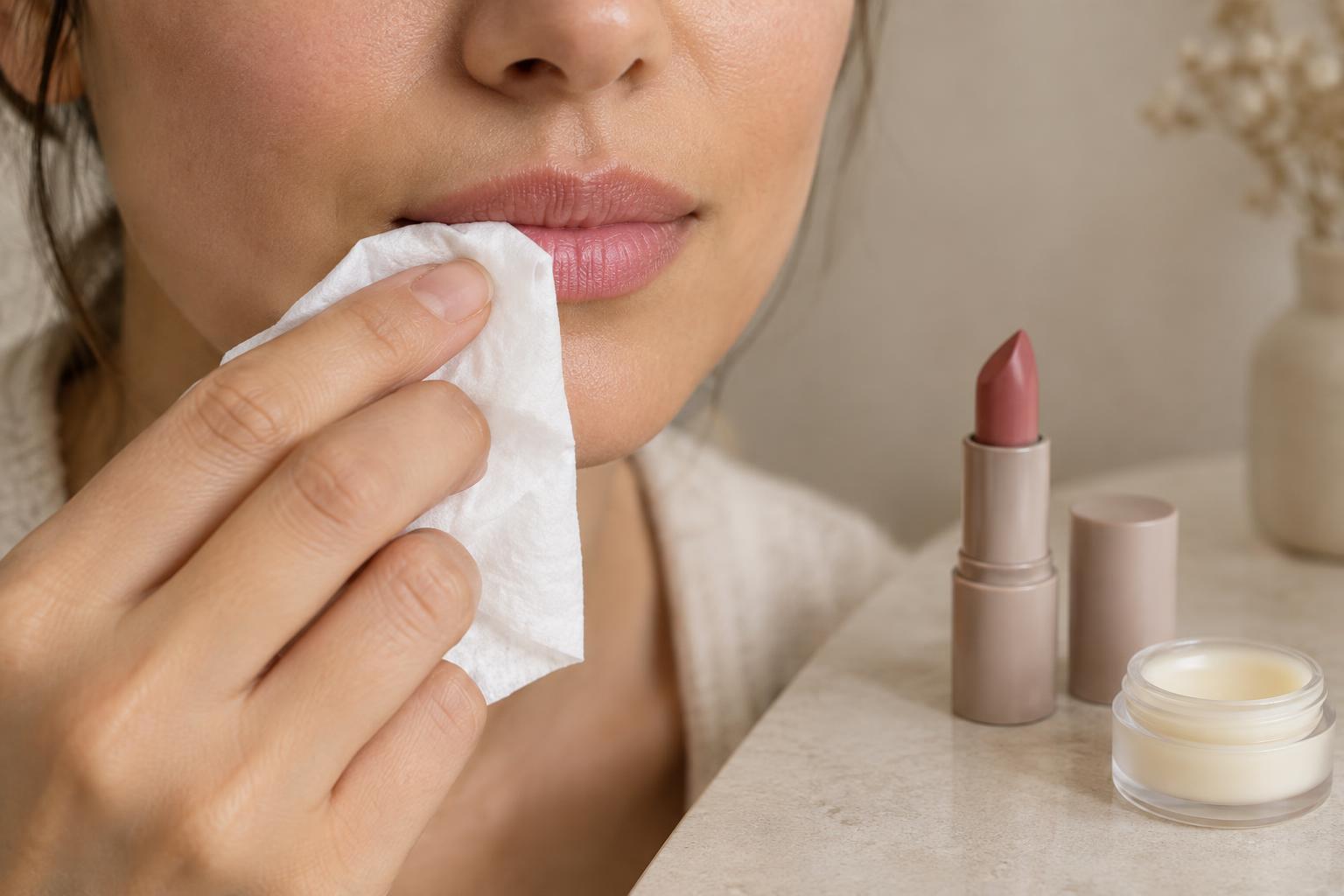
Makeup PreparationSoft, comfortable lips can help lipstick apply evenly, but a thick layer of balm may make color slide around. Learn a simple preparation routine that balances gentle smoothing, light moisture and a clean surface for makeup.
Read article · 4 min↗
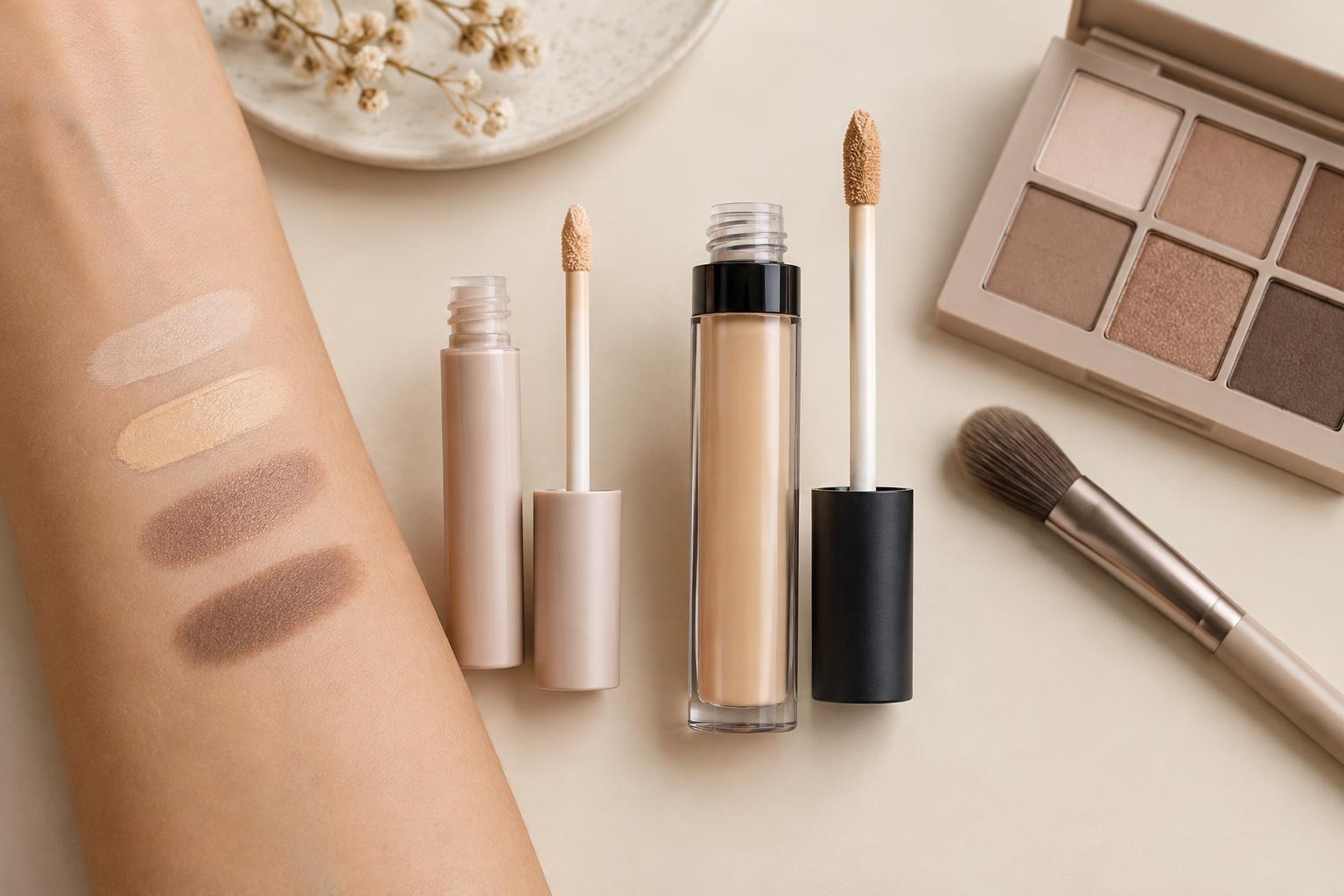
Makeup PreparationEyeshadow primer and concealer can both prepare eyelids for makeup, but they do different jobs. Learn when to choose each one, what to look for in the finish, and how to test a base with your favorite shadows.
Read article · 4 min↗
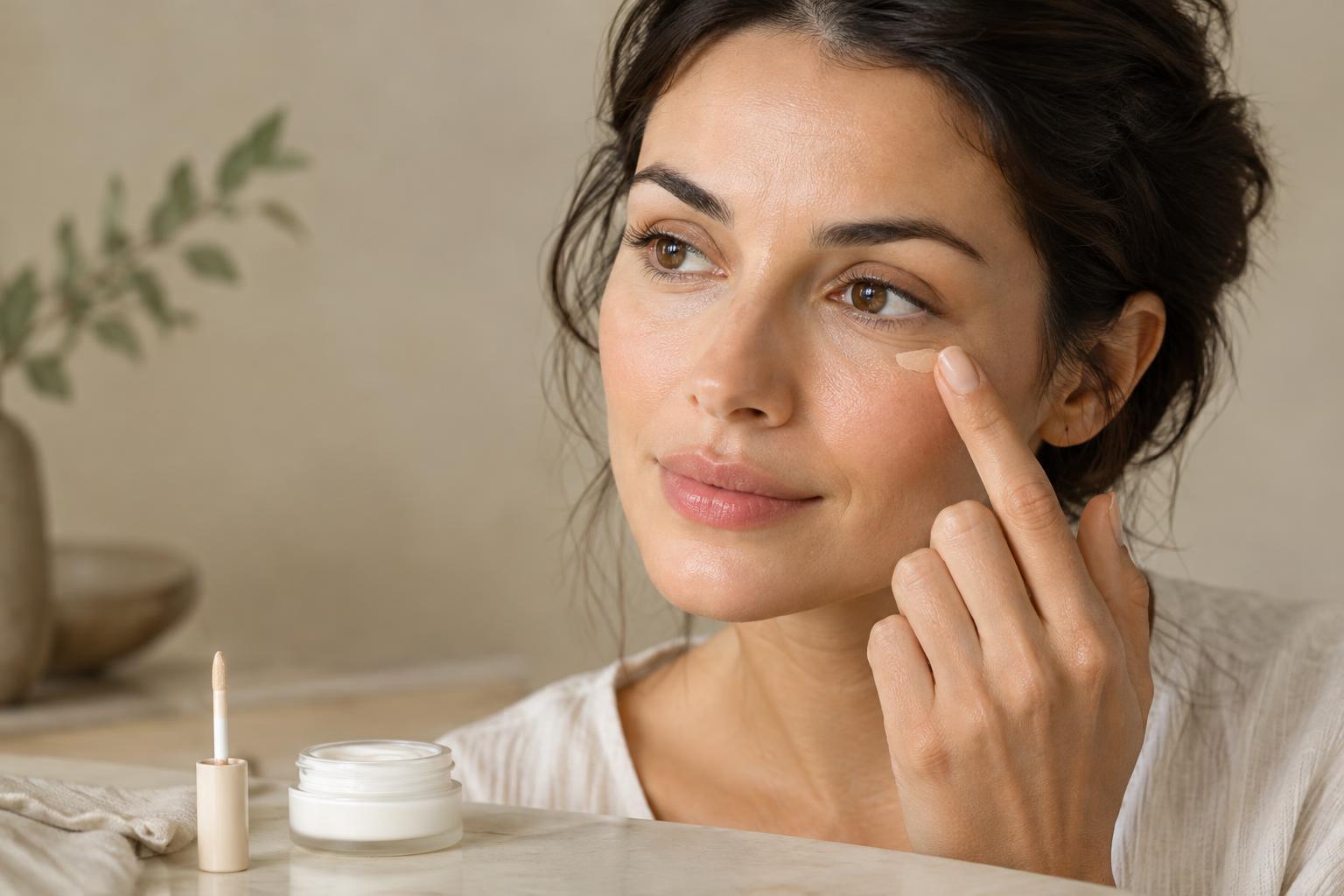
Makeup PreparationUnder-eye concealer often looks better when the preparation is light and deliberate. Learn how to cleanse, moisturize and apply thin layers so makeup sits comfortably without excess product gathering in fine lines.
Read article · 4 min↗
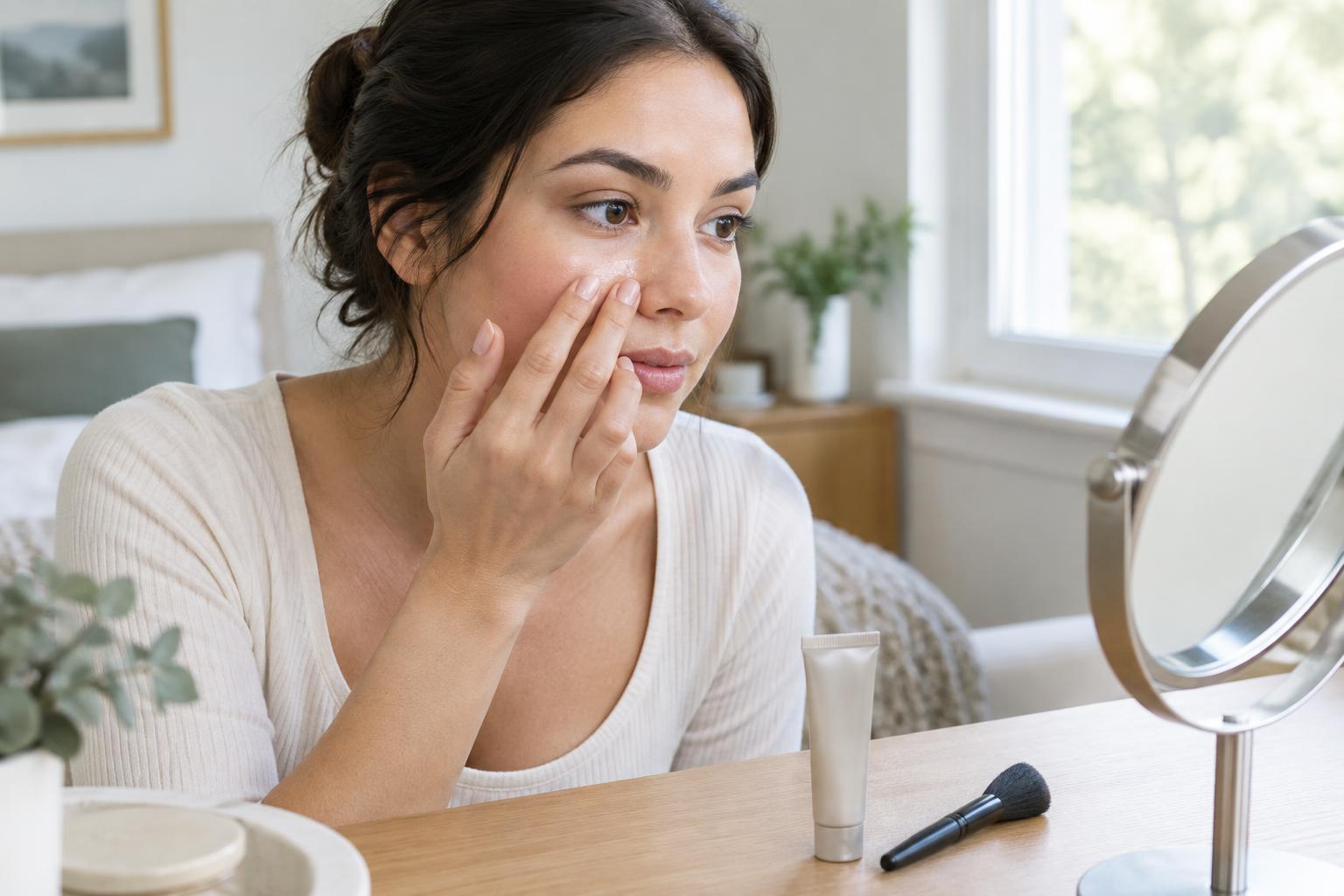
Makeup PreparationPrimer does not have to cover your entire face. Whether you apply it all over or only in selected areas depends on the finish you want, the makeup you plan to wear, and where that makeup tends to need help. Here is a practical way to decide without adding an unnecessary layer.
Read article · 4 min↗
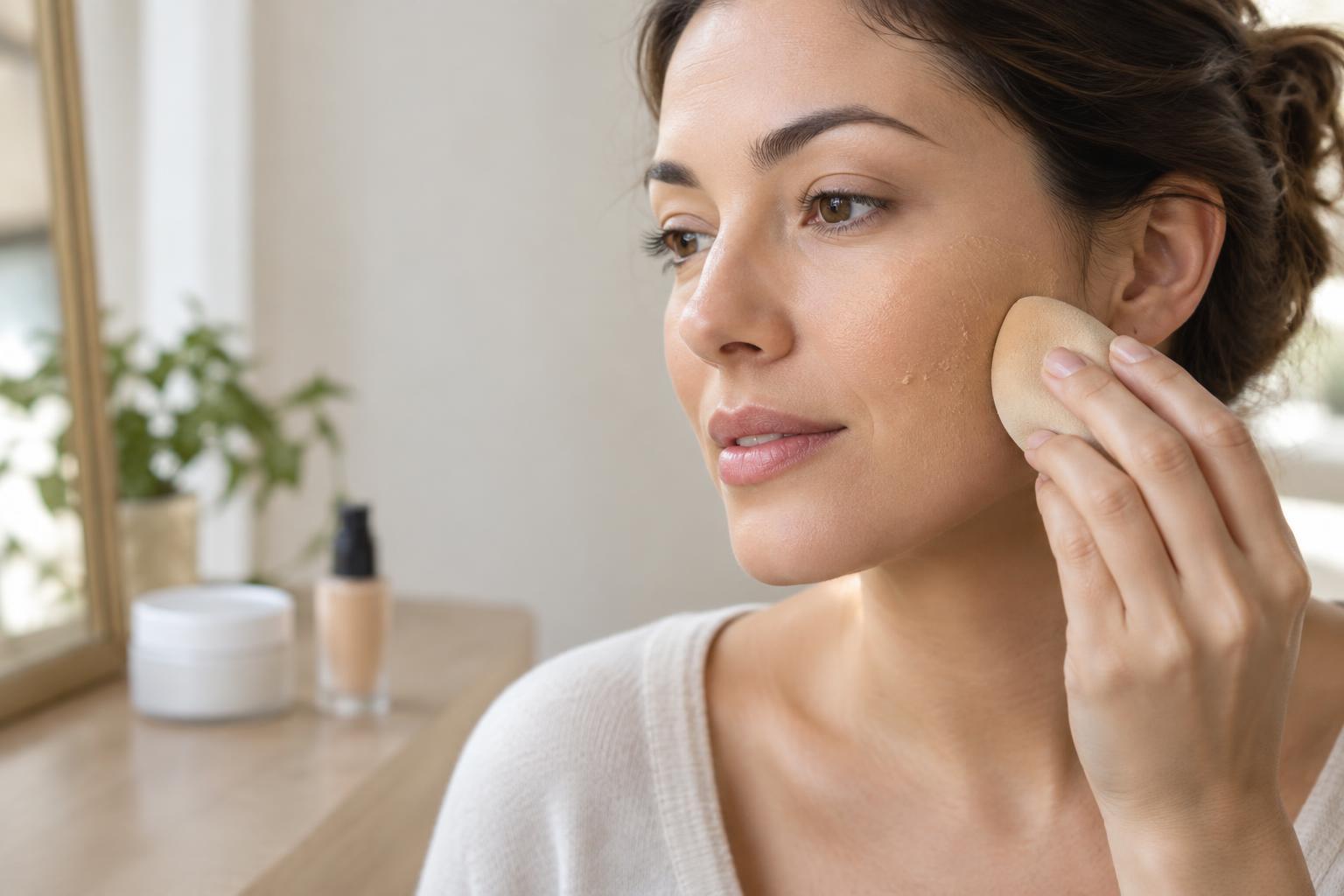
Makeup PreparationThose little rolls that appear as you apply foundation are often a sign that layers are being disturbed, not that your whole routine is wrong. Learn how product amount, drying time, texture and application technique can contribute to pilling, then make one simple adjustment at a time.
Read article · 3 min↗
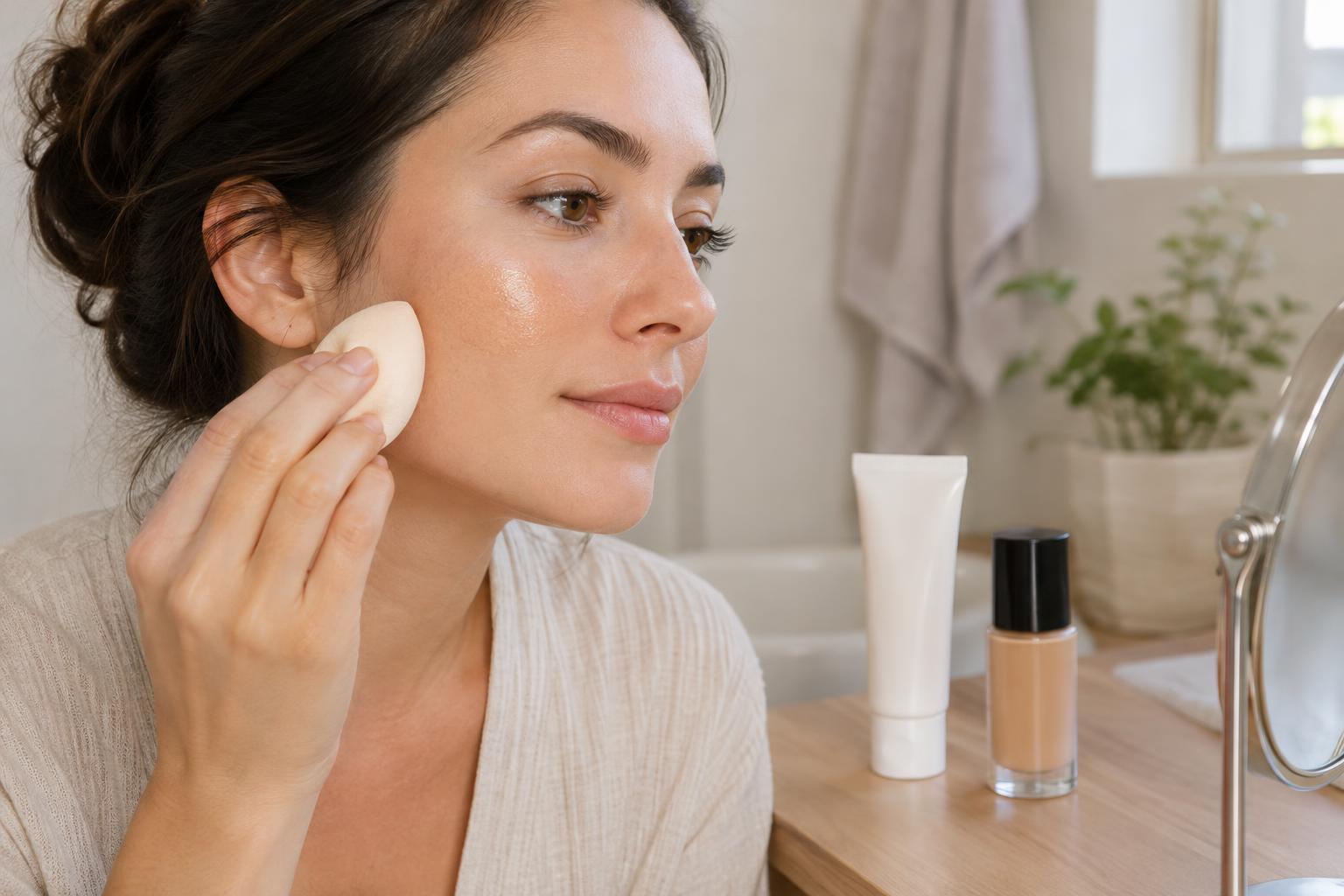
Makeup PreparationFoundation can go on smoothly over sunscreen with a little attention to timing, texture and technique. Learn how to prepare your skin, apply makeup with less rubbing and handle pilling or touch-ups without assuming makeup replaces sun protection.
Read article · 3 min↗
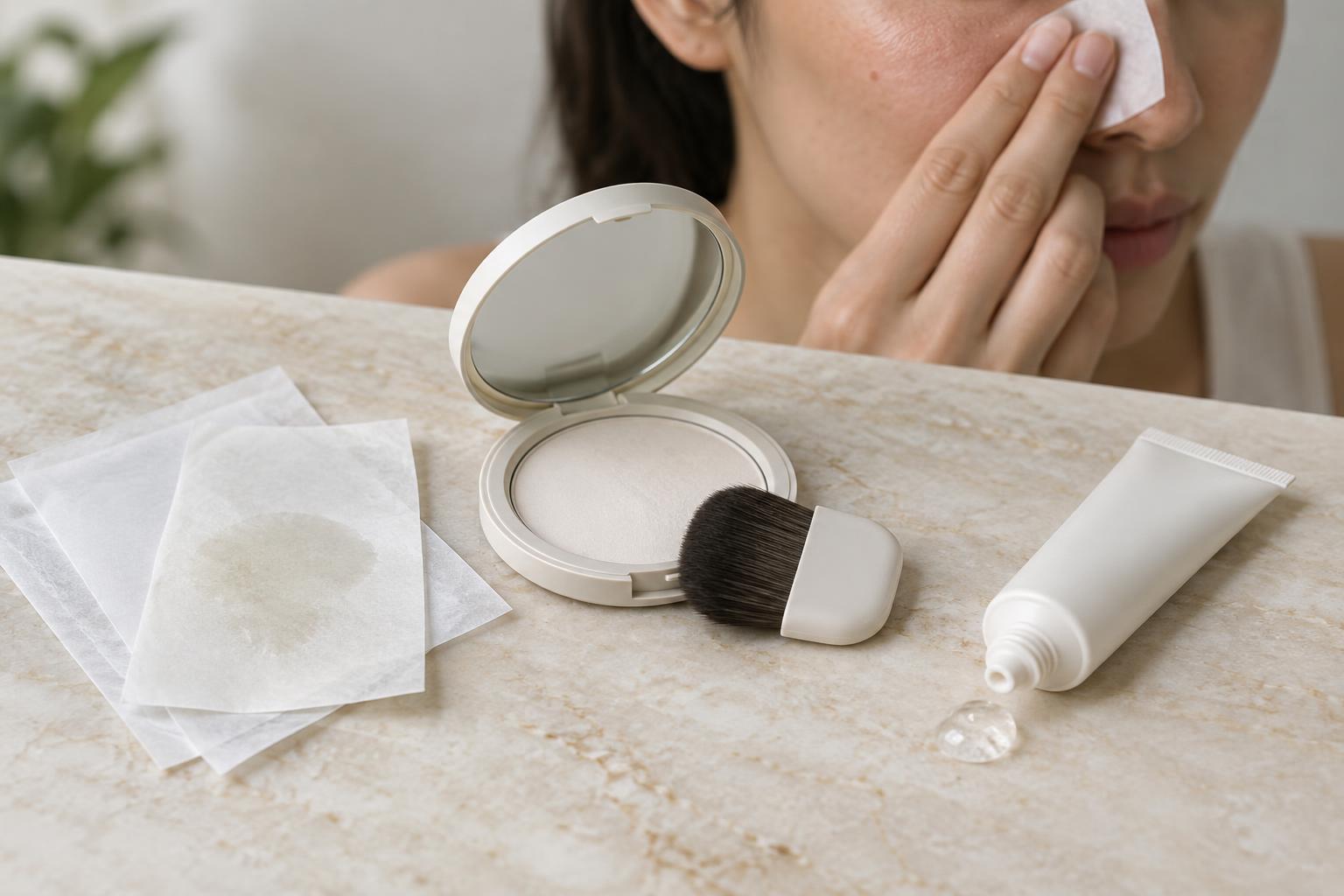
Makeup PreparationA shiny surface does not always call for another layer of product. Learn when to blot, when to use a little powder, and when a primer may help foundation apply more evenly.
Read article · 4 min↗
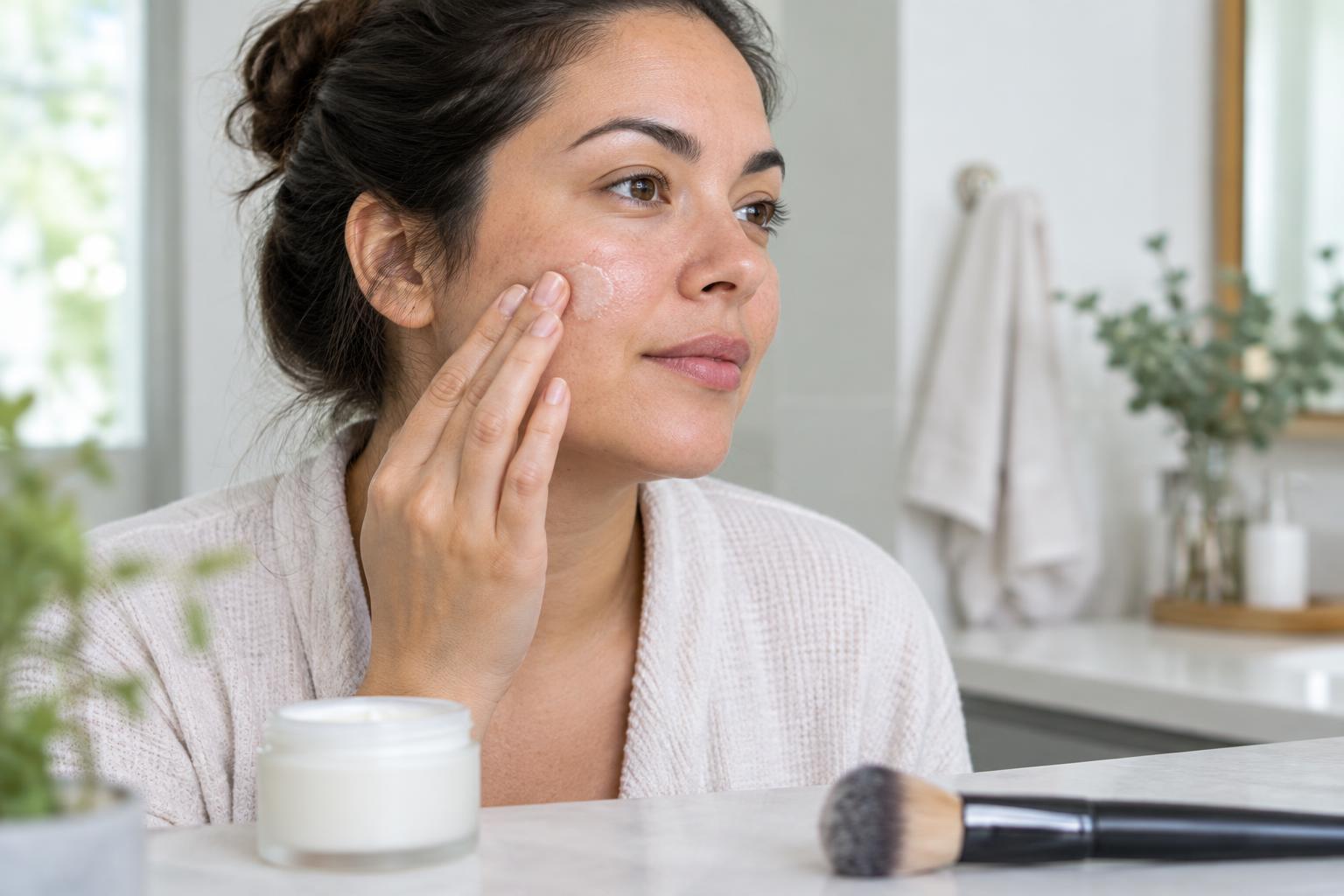
Makeup PreparationFoundation can draw attention to flakes and rough-looking patches. A gentle, targeted approach to cleansing, moisturizing and application can help makeup sit more evenly without piling on extra product.
Read article · 3 min↗
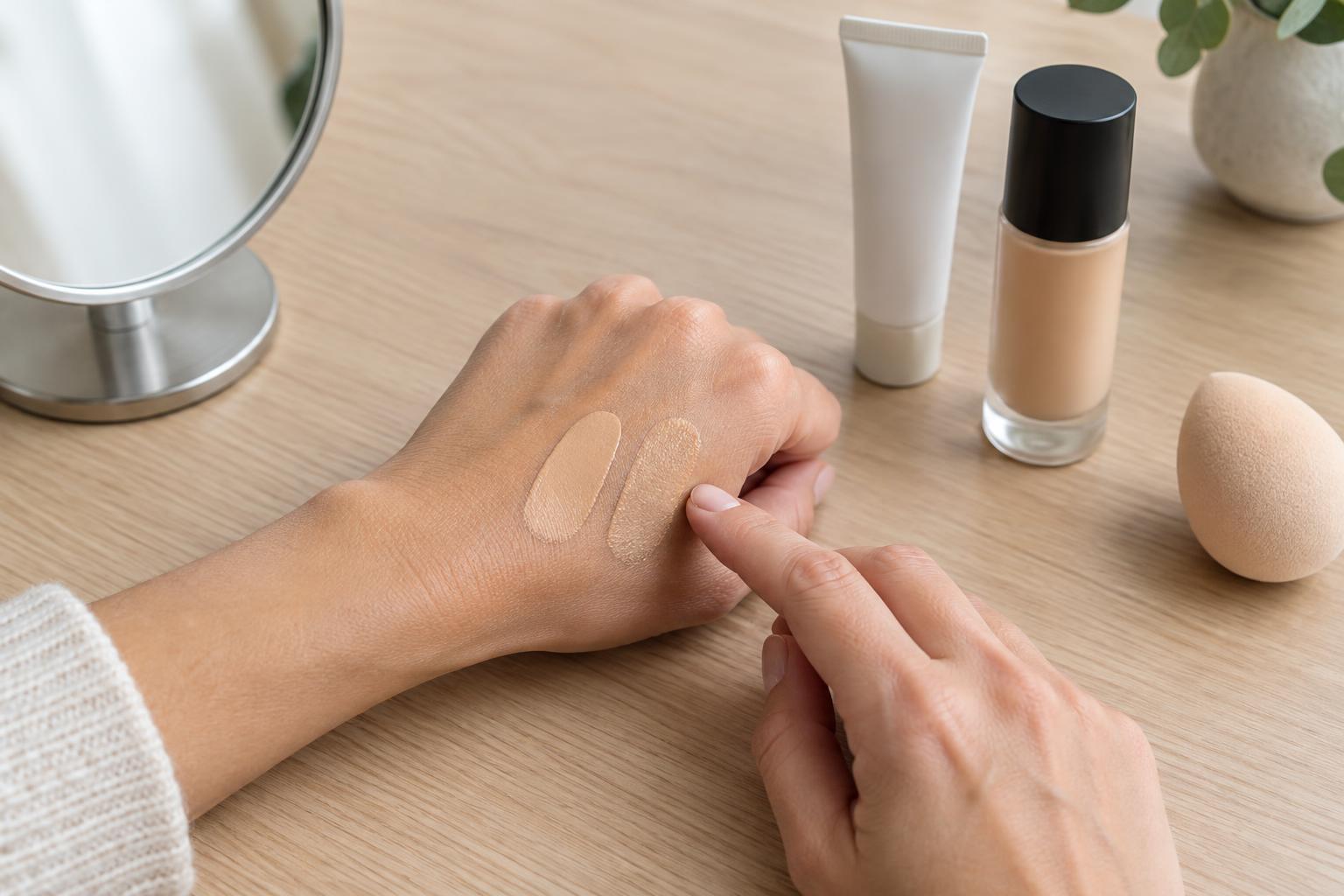
Makeup PreparationA primer and foundation can look smooth separately but behave differently when layered. Learn how to test the pair, spot common problems, and adjust your application before replacing either product.
Read article · 4 min↗
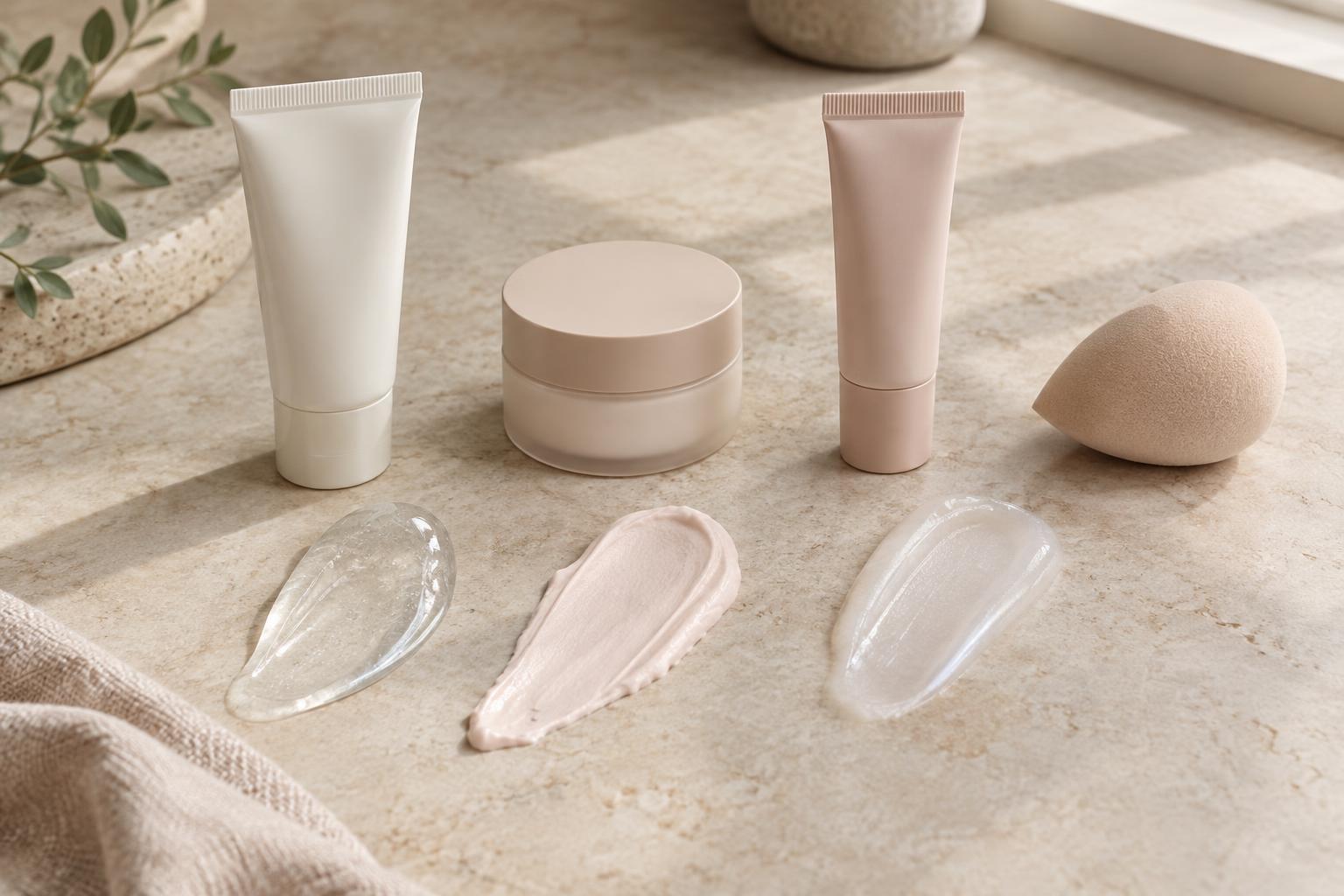
Makeup PreparationHydrating, mattifying and blurring primers aim to change how makeup looks or feels, but they do different jobs. Learn what each type is designed to do, how to read its claims and how to choose one for your routine.
Read article · 3 min↗
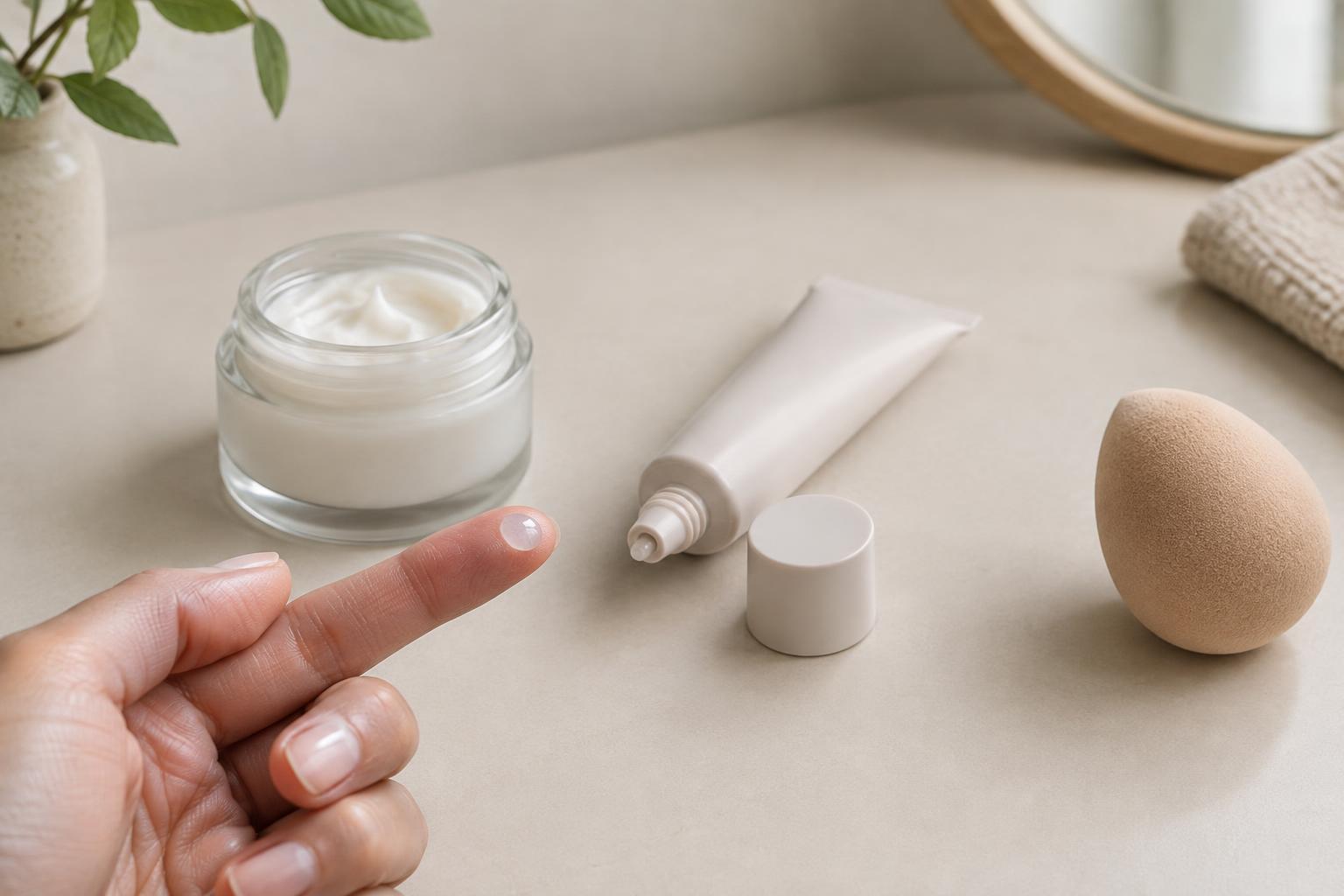
Makeup PreparationFace primer can change how makeup applies and wears, but it is not an essential step for everyone. Learn what different primers are designed to do, how to use one, and when moisturizer alone may be enough.
Read article · 4 min↗
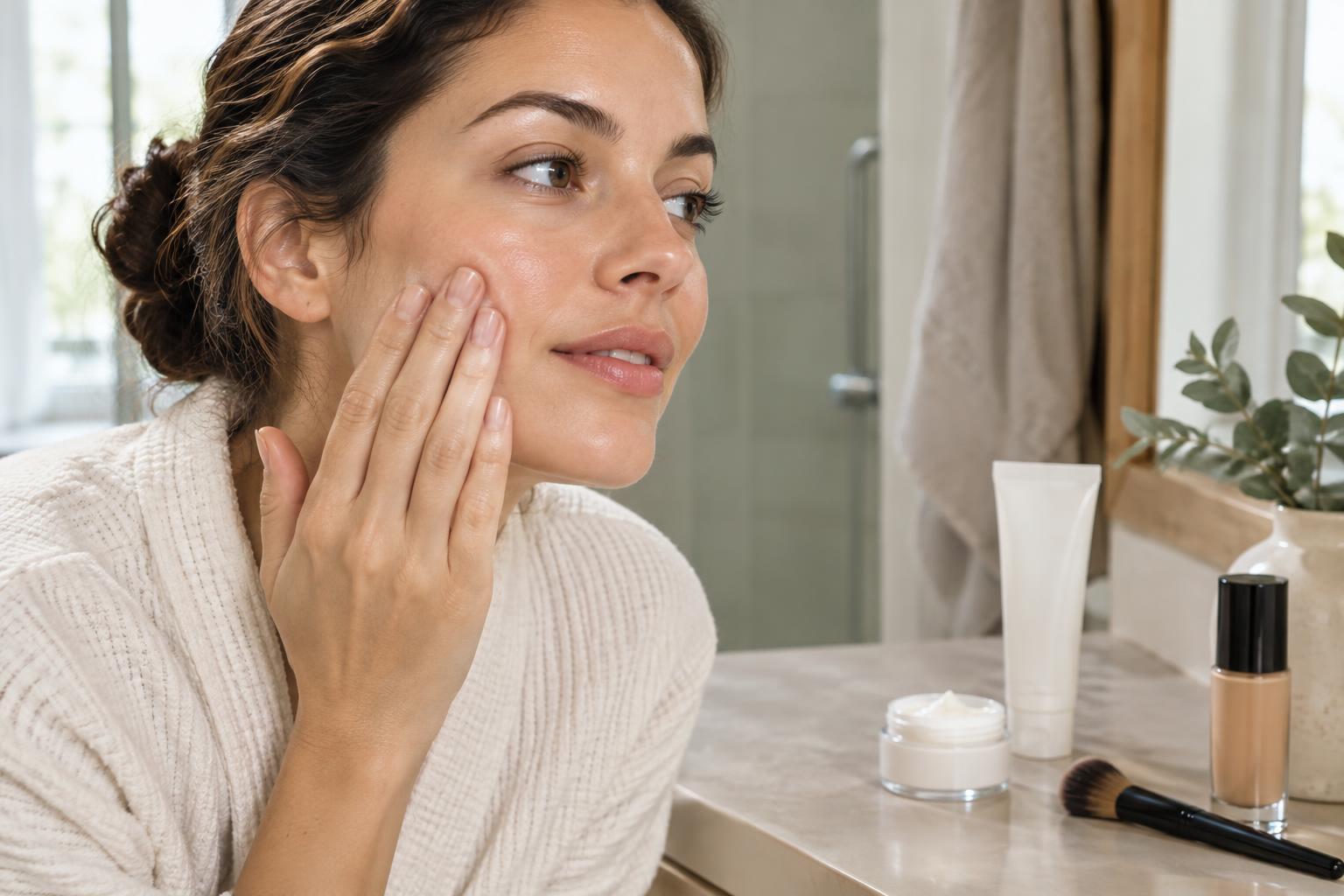
Makeup PreparationThere is no universal timer for applying makeup after skincare. Learn how to judge when each layer is ready, why sunscreen deserves particular care, and what to do when products pill or makeup slips.
Read article · 3 min↗
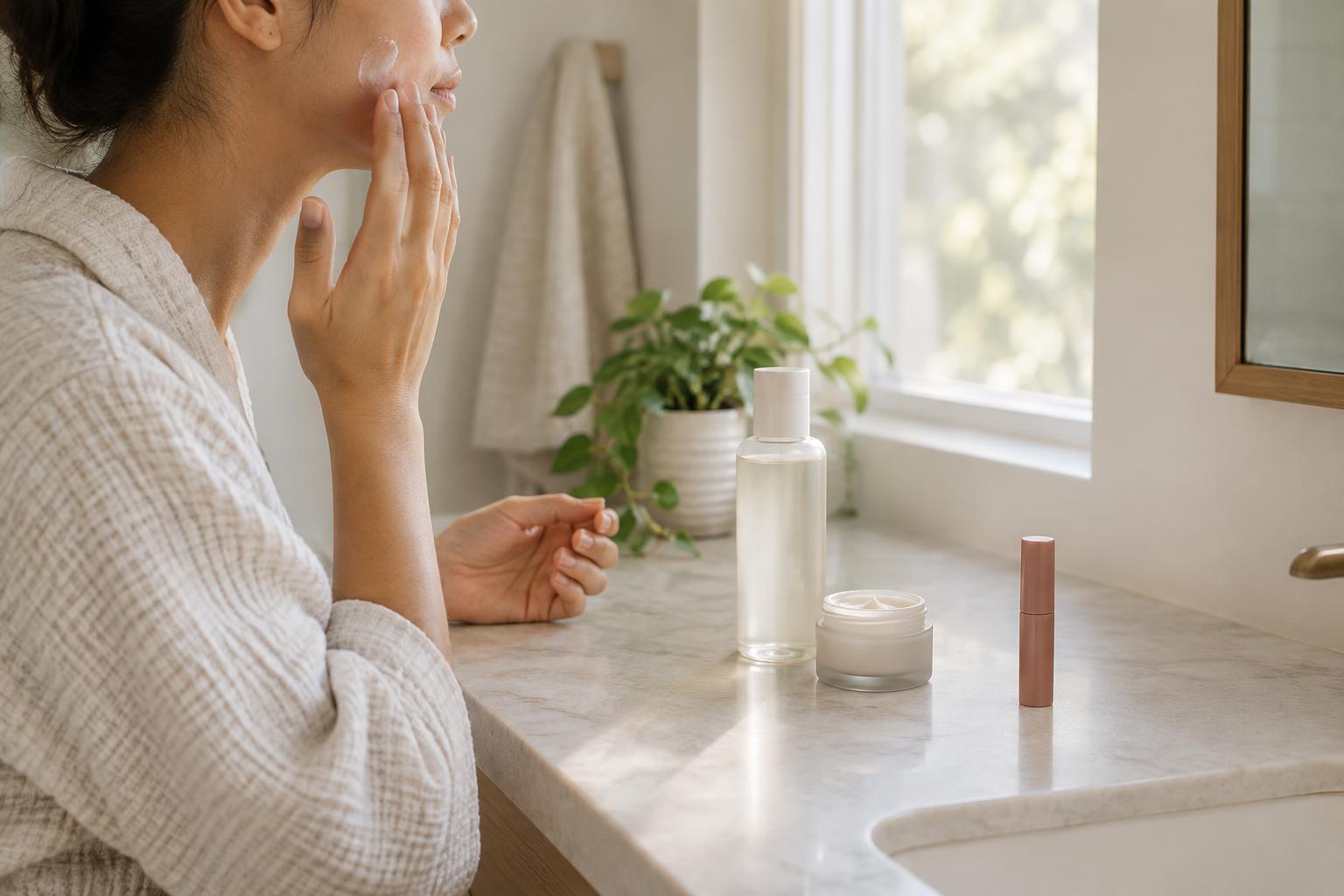
Makeup PreparationA good makeup base does not require a long lineup of products. Learn how to choose a few useful steps, give each layer time to settle, and adjust your routine when makeup pills or looks uneven.
Read article · 4 min↗
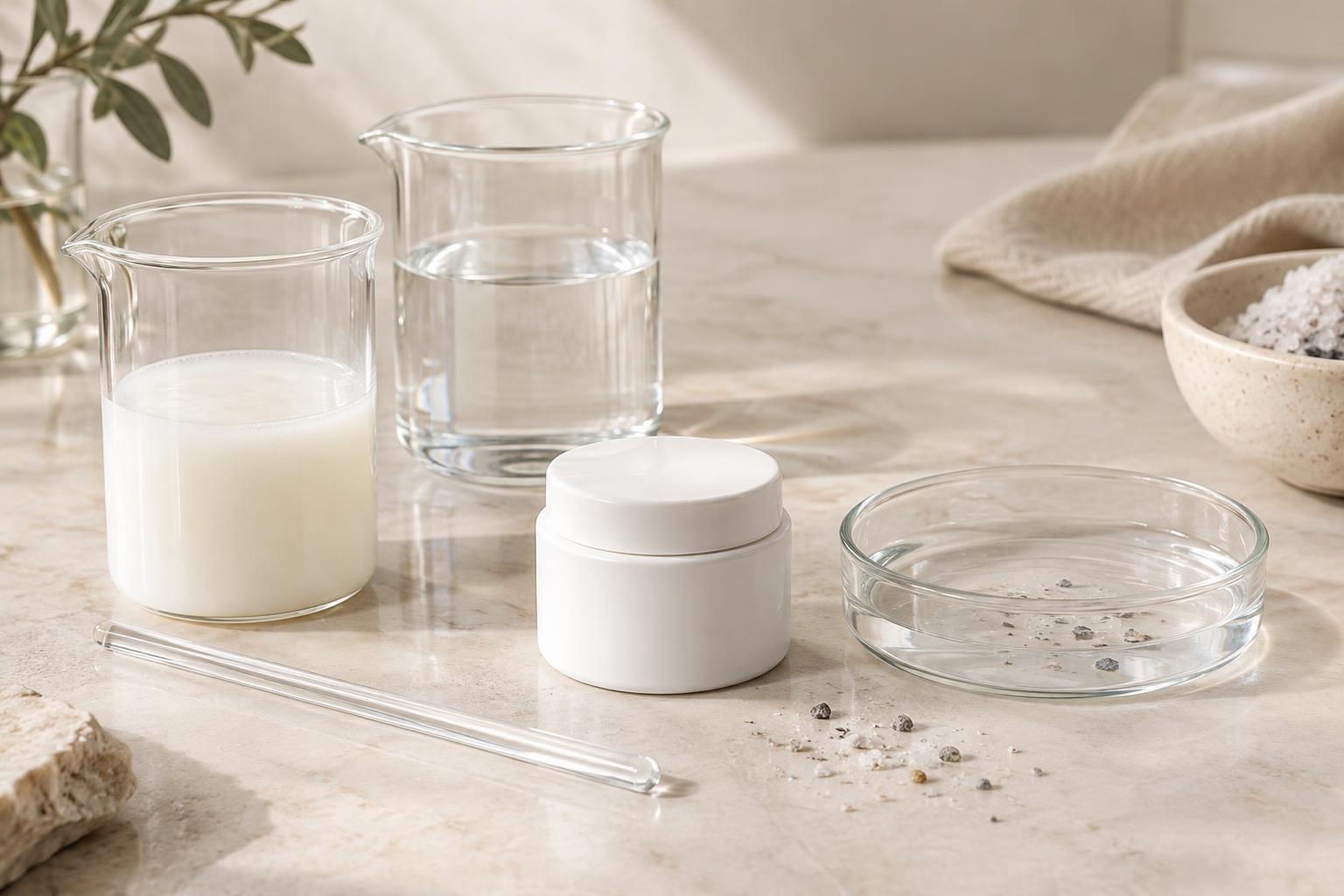
Cosmetic IngredientsDisodium EDTA often appears near the end of an ingredient list, yet it can help a formula remain consistent. Learn how chelating agents bind trace metals, why formulators use them and what the ingredient does not tell you about a product.
Read article · 3 min↗
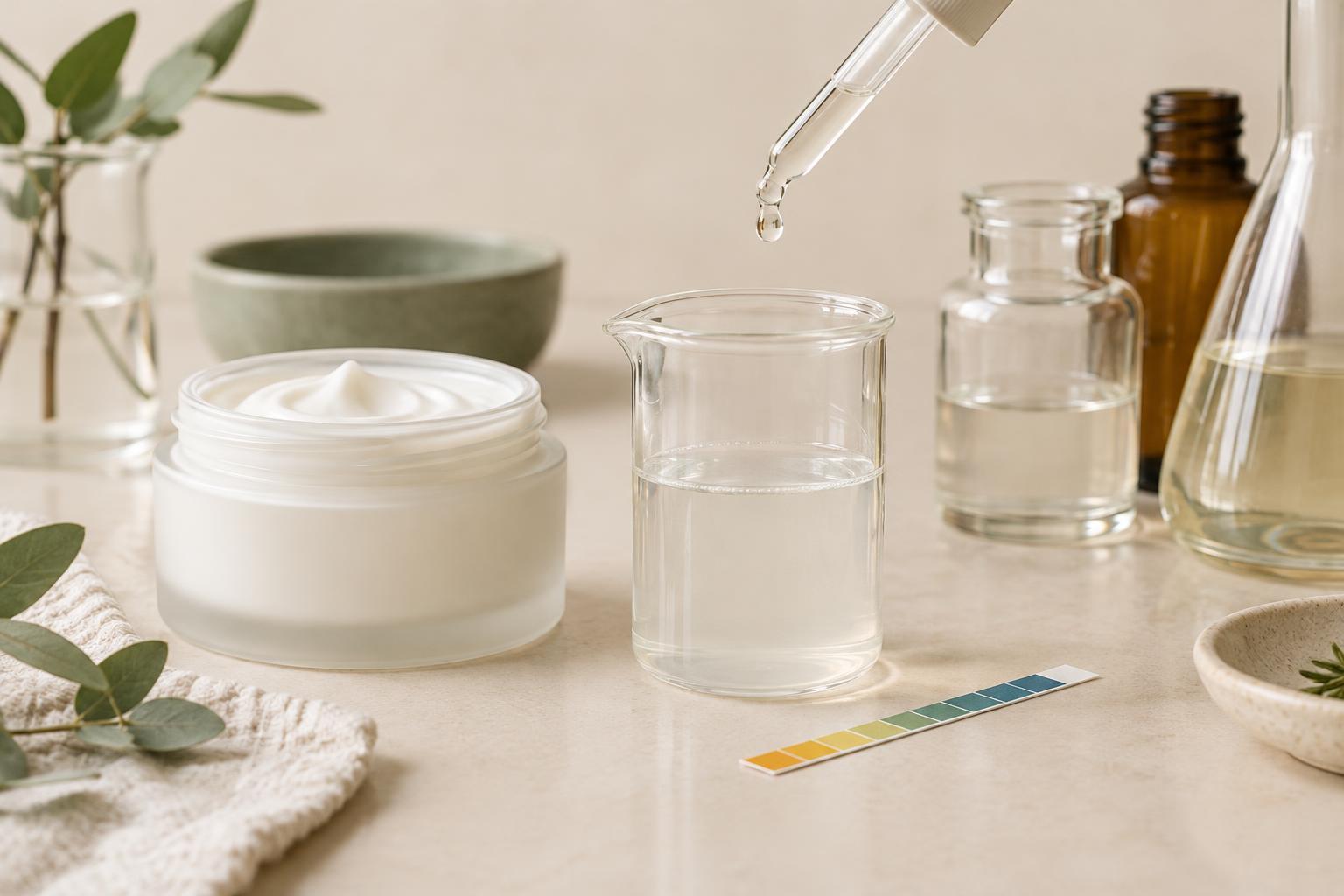
Cosmetic IngredientsA pH adjuster can help a cosmetic formula reach its intended acidity, while a buffer helps it stay there. Learn why these small additions can matter for product stability, preservation and everyday use—and what an ingredient list cannot tell you about a product’s final pH.
Read article · 4 min↗
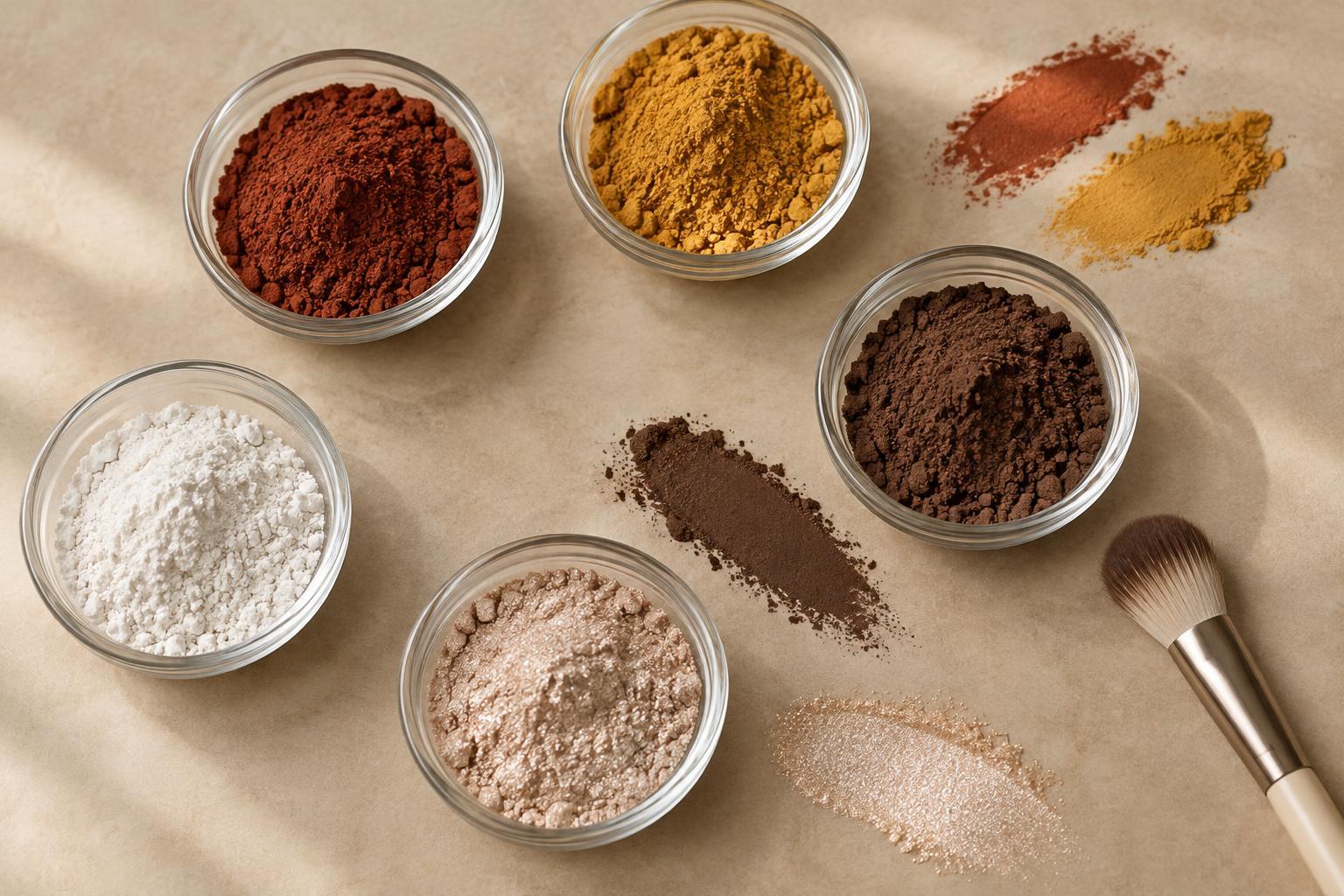
Cosmetic IngredientsThe colorants on a makeup label help explain a product’s shade, coverage and finish. Learn how iron oxides, mica, titanium dioxide and other pigments work in a formula—and what their names cannot tell you on their own.
Read article · 4 min↗
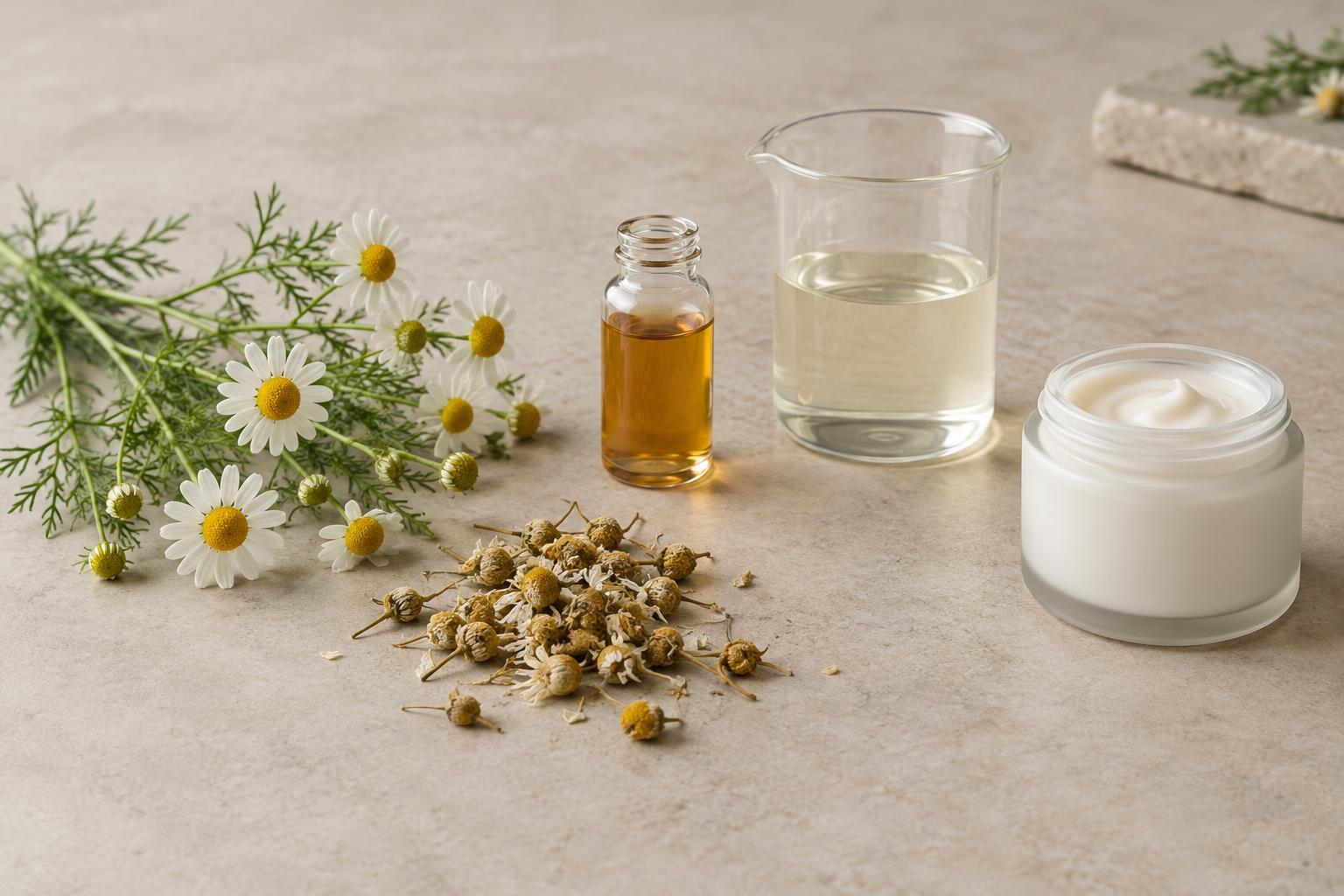
Cosmetic IngredientsA familiar plant name can make a cosmetic product sound reassuring, but it does not tell you what is in the extract or how it will behave on skin. Learn which details matter more when reading an ingredient list and evaluating botanical claims.
Read article · 4 min↗
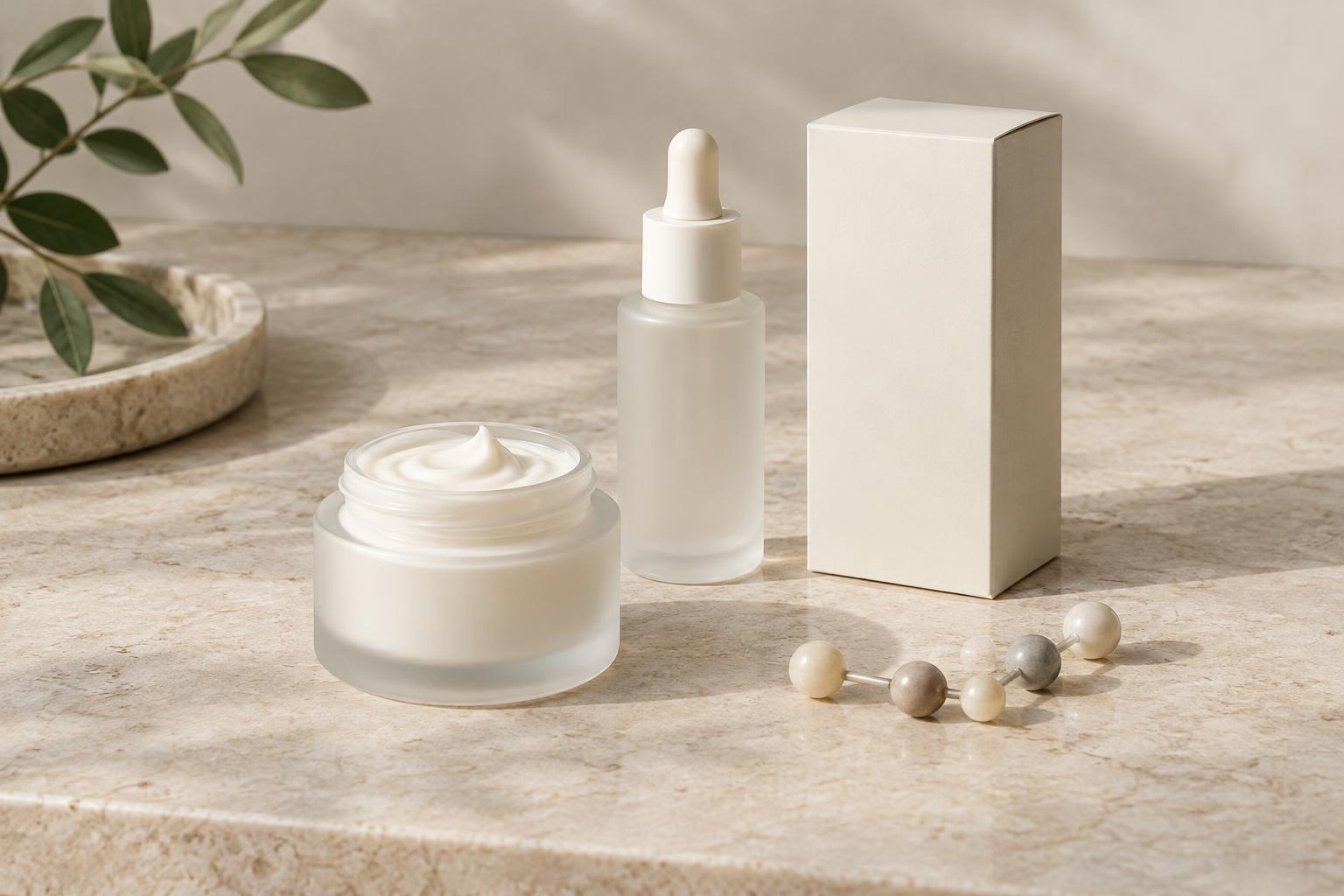
Cosmetic IngredientsPeptides appear in many cosmetic formulas, often alongside claims about smoother- or firmer-looking skin. Learn what the term means, how to recognize peptide names on a label, and why an ingredient list alone cannot establish a product’s performance.
Read article · 4 min↗
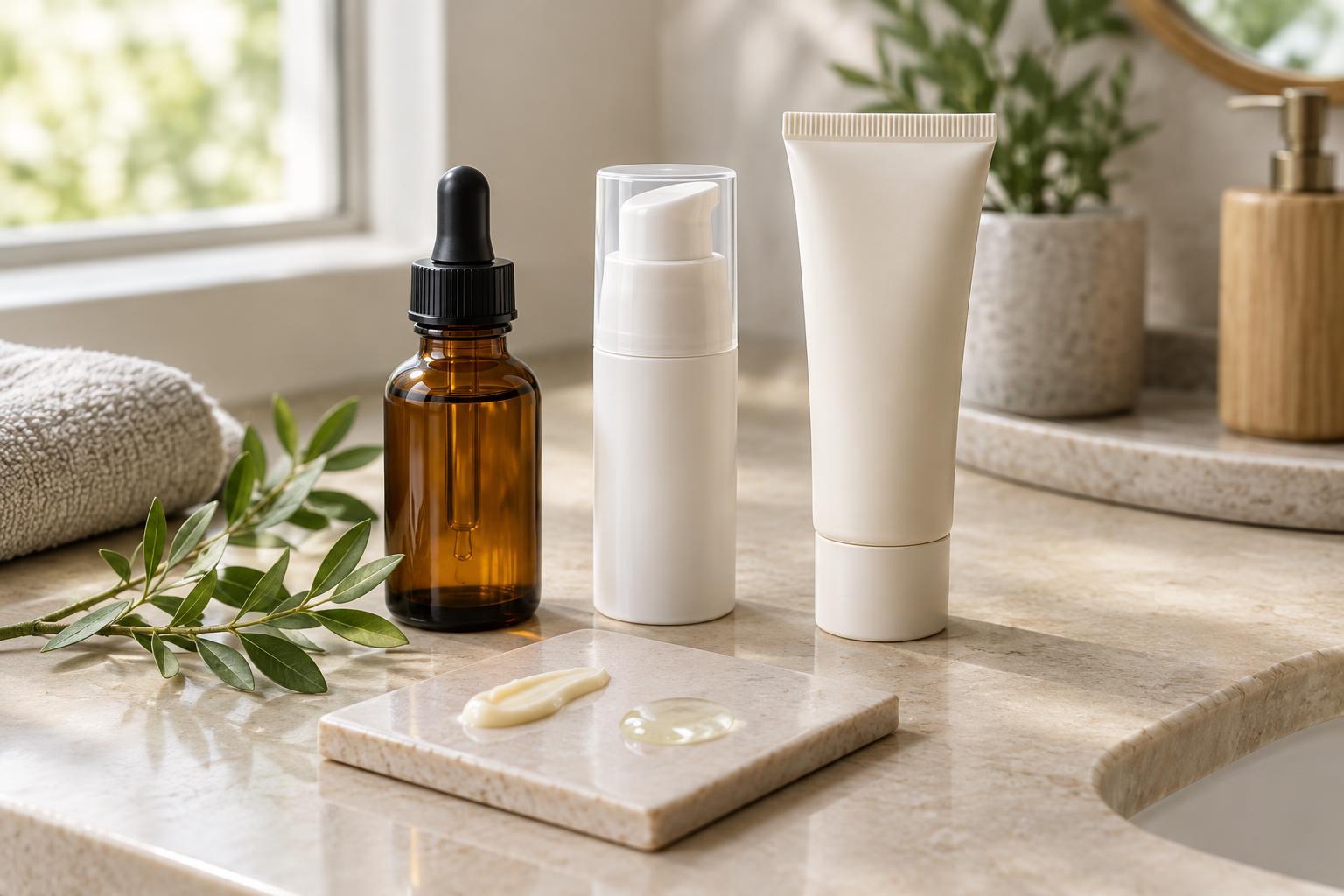
Cosmetic IngredientsRetinol, retinal and retinyl esters all belong to the vitamin A family, but the names are not interchangeable. Learn how they differ, why a product’s formula matters as much as its headline ingredient, and how to assess retinoid claims without assuming that stronger is always better.
Read article · 4 min↗
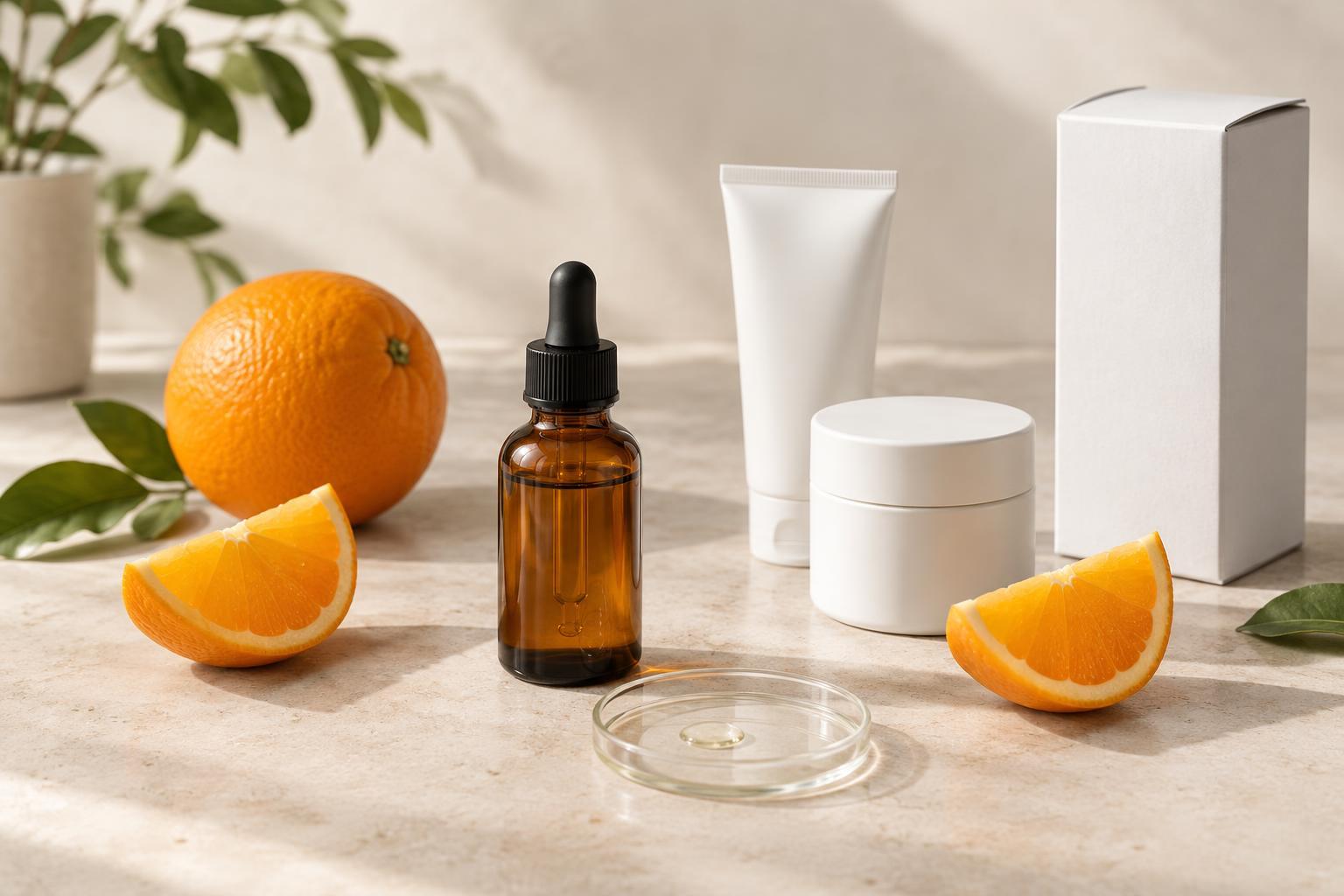
Cosmetic IngredientsVitamin C can appear under several names on a cosmetic ingredient list. Learn how ascorbic acid differs from common derivatives, what those names can tell you about a formula, and why the label alone cannot predict how a product will feel or perform.
Read article · 4 min↗
Cosmetic IngredientsNiacinamide is a form of vitamin B3 found in many skincare products. Learn what it does in a cosmetic formula, which claims to view cautiously, and how to fit it into a simple routine.
Read article · 3 min↗
Cosmetic IngredientsAHAs, BHAs and PHAs are common labels on exfoliating products, but the letters do not tell the whole story. Learn how these ingredient groups differ, what a product formula can change, and how to introduce exfoliation without overcomplicating your routine.
Read article · 4 min↗
Cosmetic IngredientsFragrance can appear on a cosmetic label as a single term, as individual scent ingredients or as botanical oils. Learn what these names tell you, what they leave out and how to compare products when scent matters to you.
Read article · 4 min↗
Cosmetic IngredientsPreservatives help protect many cosmetics from microbial growth during storage and everyday use. Learn why formulators use them, what parabens and phenoxyethanol are, and how to interpret preservative-related product claims.
Read article · 4 min↗
Cosmetic IngredientsSurfactants help cleansers lift oil, makeup and everyday residue from the skin. Learn what anionic, nonionic and amphoteric mean on an ingredient list, and why the finished formula matters more than any one label.
Read article · 3 min↗
Cosmetic IngredientsThe word “alcohol” on a skincare label can refer to ingredients with very different properties. Learn how fatty alcohols and denatured alcohol work in cosmetic formulas, what their names look like on ingredient lists, and why the complete product matters more than any single word.
Read article · 4 min↗
Cosmetic IngredientsCeramides, cholesterol and fatty acids are often discussed together because all three are part of the skin’s outer layer. Learn what they do, how to recognize them on an ingredient list and why the complete formula matters more than a single highlighted ingredient.
Read article · 4 min↗
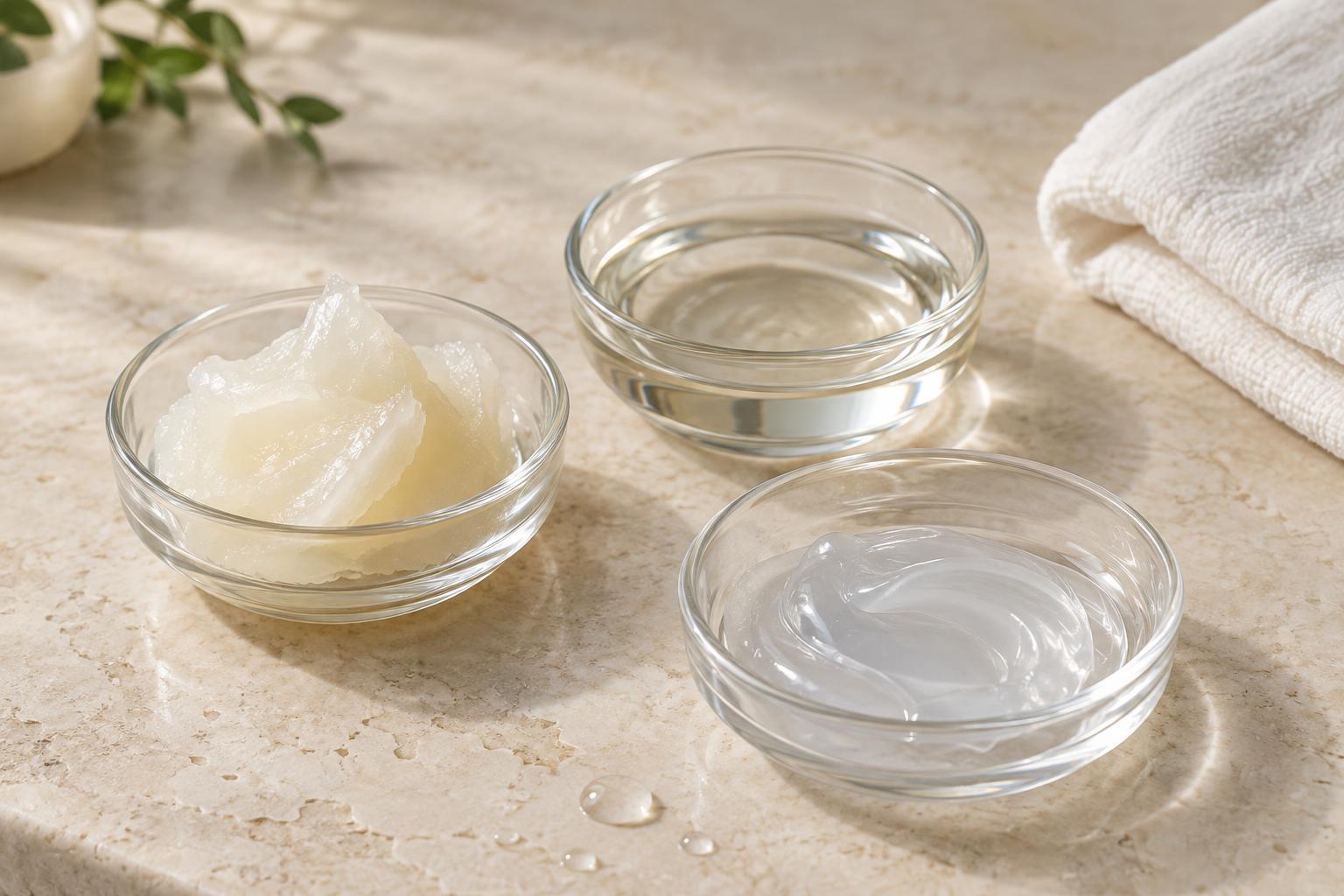
Cosmetic IngredientsPetrolatum, mineral oil and dimethicone are often grouped together as occlusives, but they do not feel or behave exactly alike. Learn how each works, why texture and formula matter, and how to choose one for an everyday routine.
Read article · 3 min↗
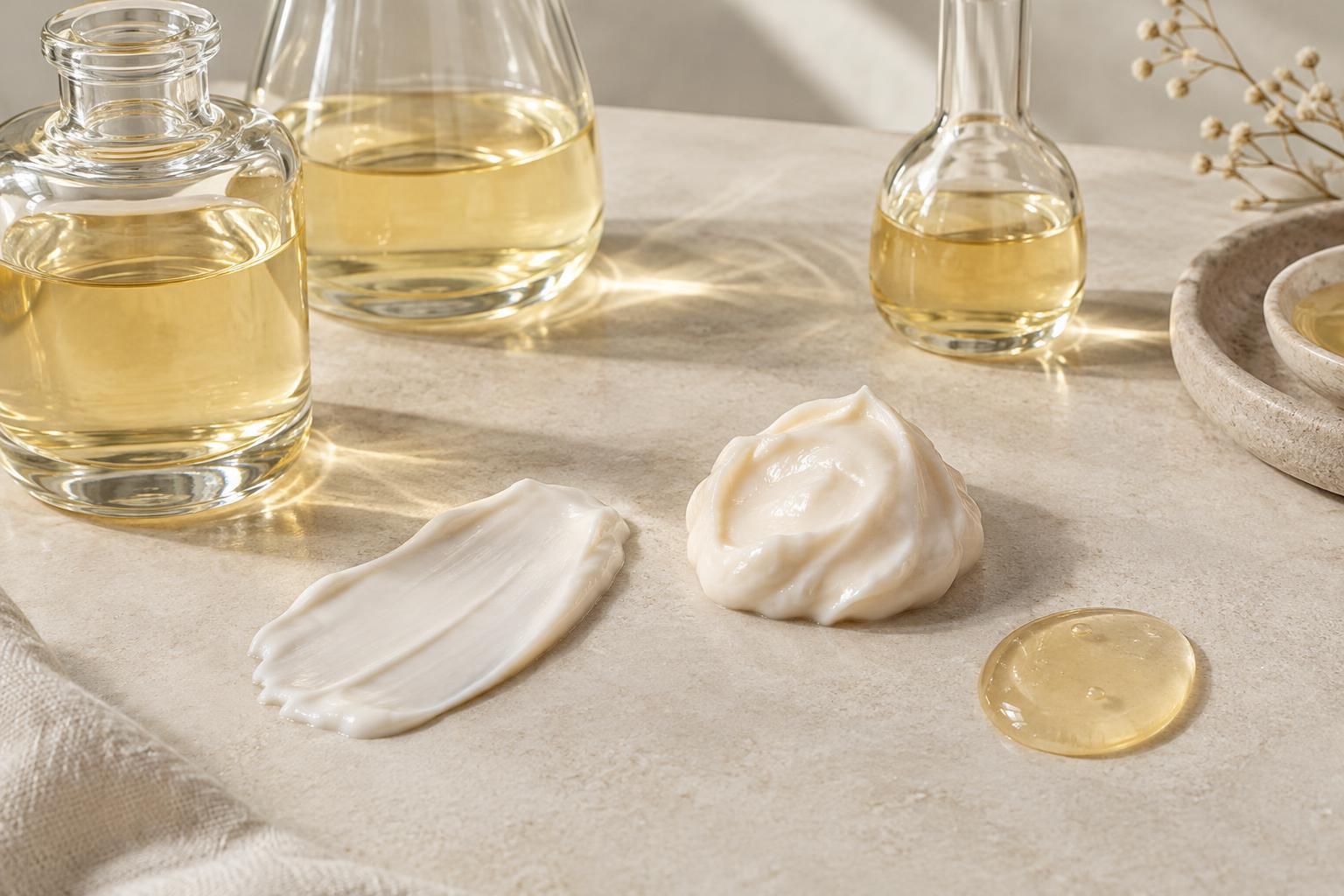
Cosmetic IngredientsWhy does one moisturizer feel silky while another feels rich or slippery? Learn how squalane and cosmetic esters contribute to texture, spread and finish—and why the complete formula matters more than any single ingredient.
Read article · 4 min↗
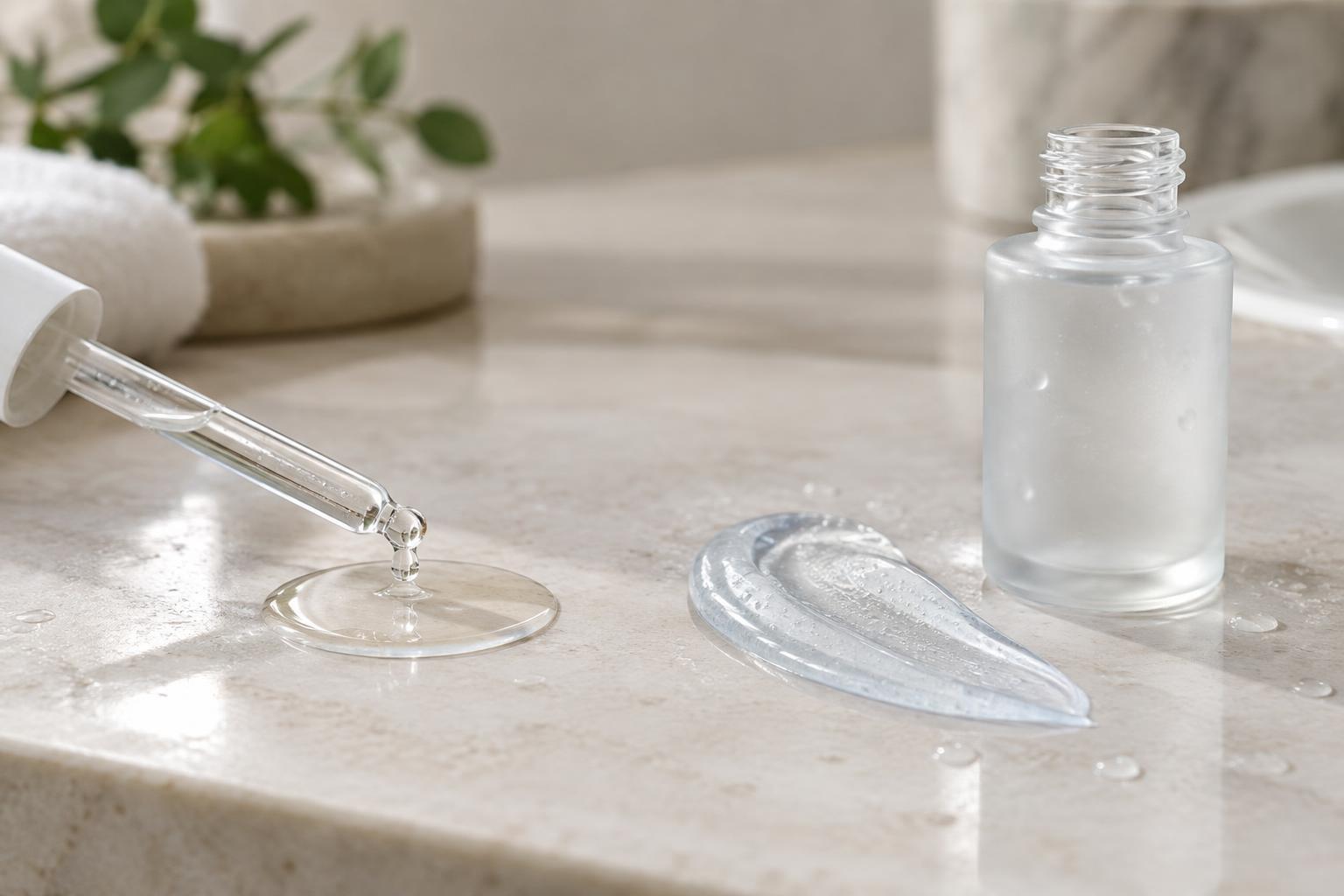
Cosmetic IngredientsGlycerin and hyaluronic acid both help skin retain water, but they differ in texture, formulation and how they appear on ingredient lists. Learn what matters when choosing a moisturizer or serum.
Read article · 3 min↗
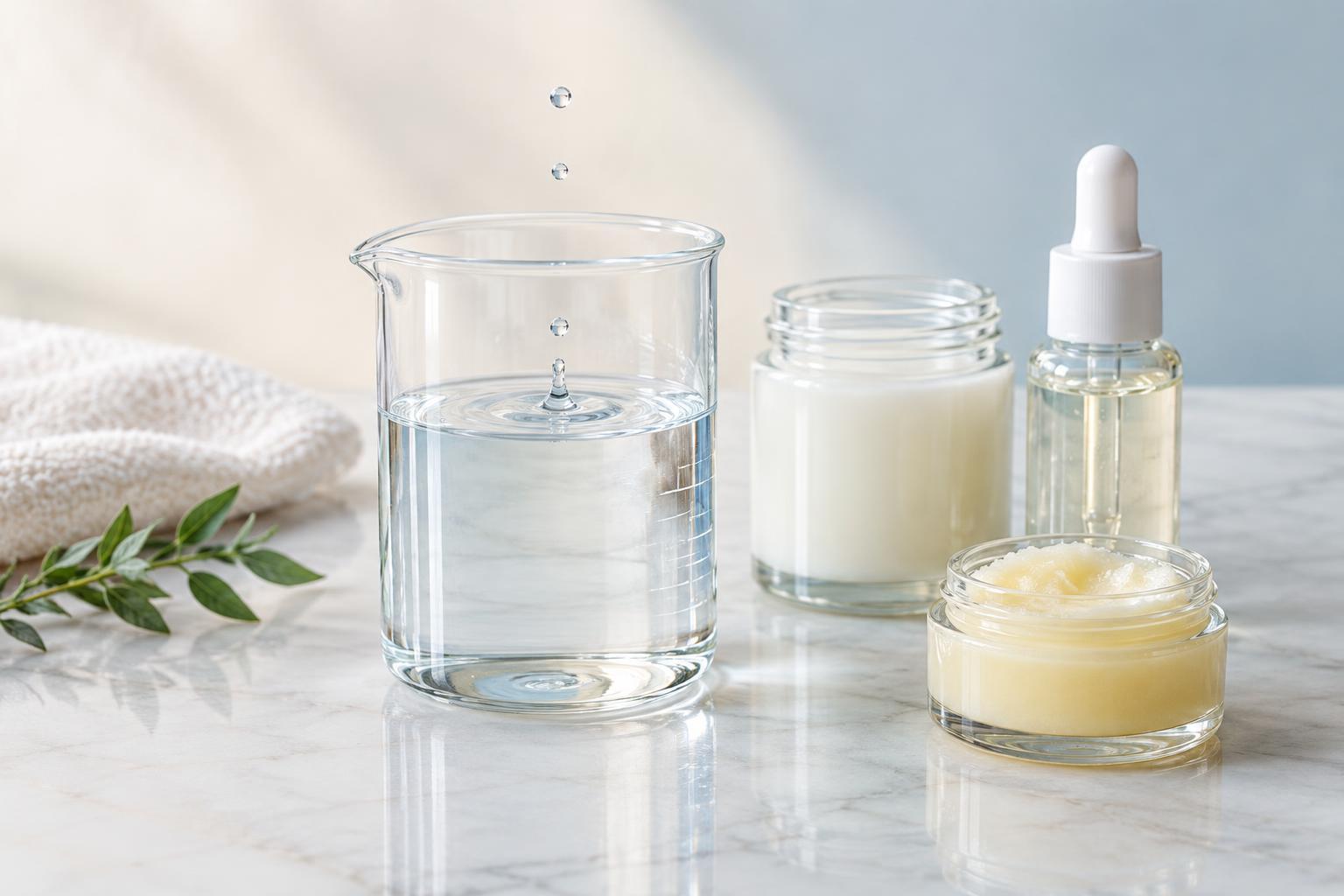
Cosmetic IngredientsWater is often the first ingredient in a cleanser, moisturizer or serum. Learn what it does in a formula, why its position on the label can be misleading, and when a product may contain little or no water.
Read article · 3 min↗
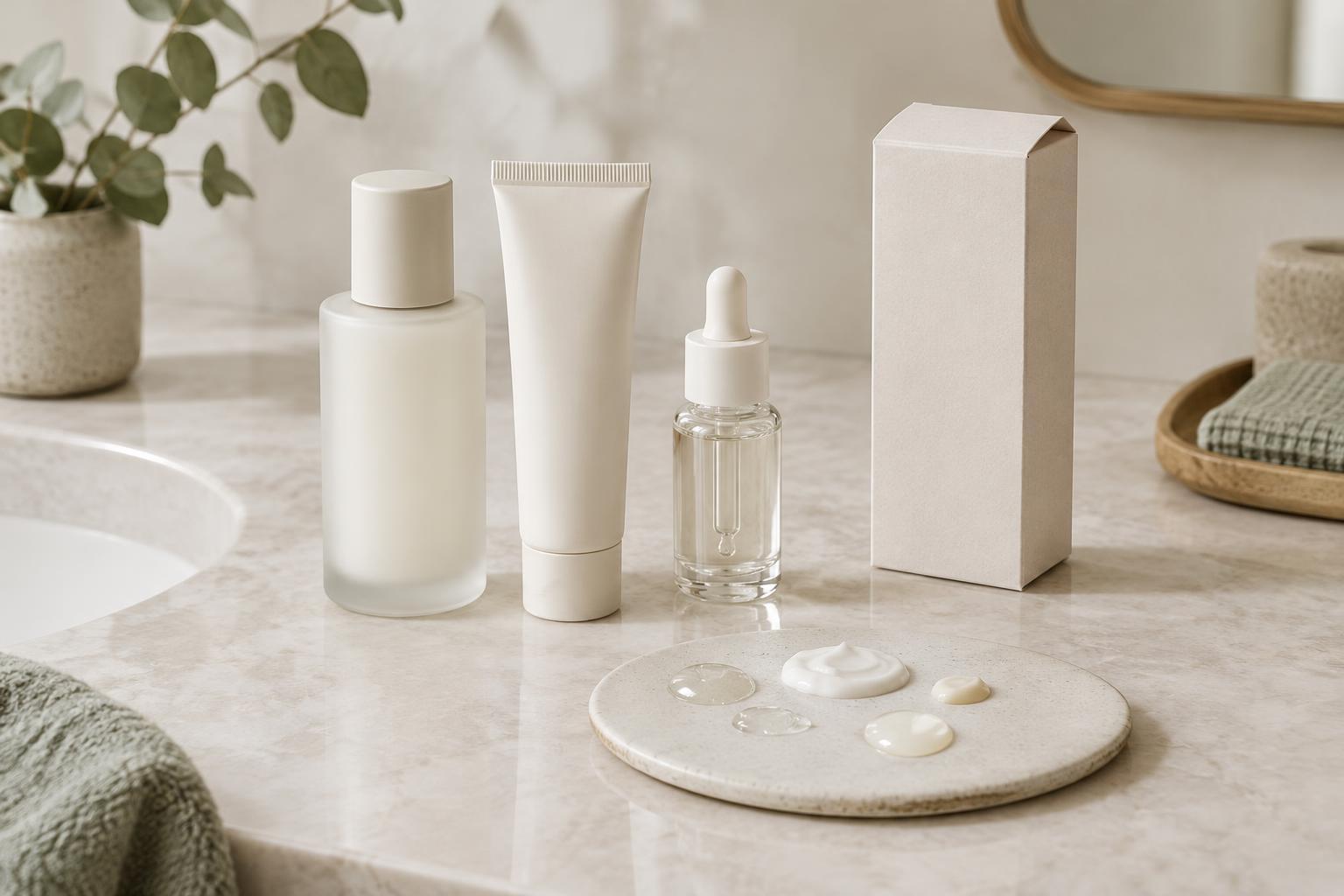
Cosmetic IngredientsAn ingredient list offers clues about how a cosmetic product is put together, but it is not a formula with percentages attached. Learn why the first ingredients matter, why the end of the list is harder to interpret, and how to use ingredient order without reading too much into it.
Read article · 4 min↗
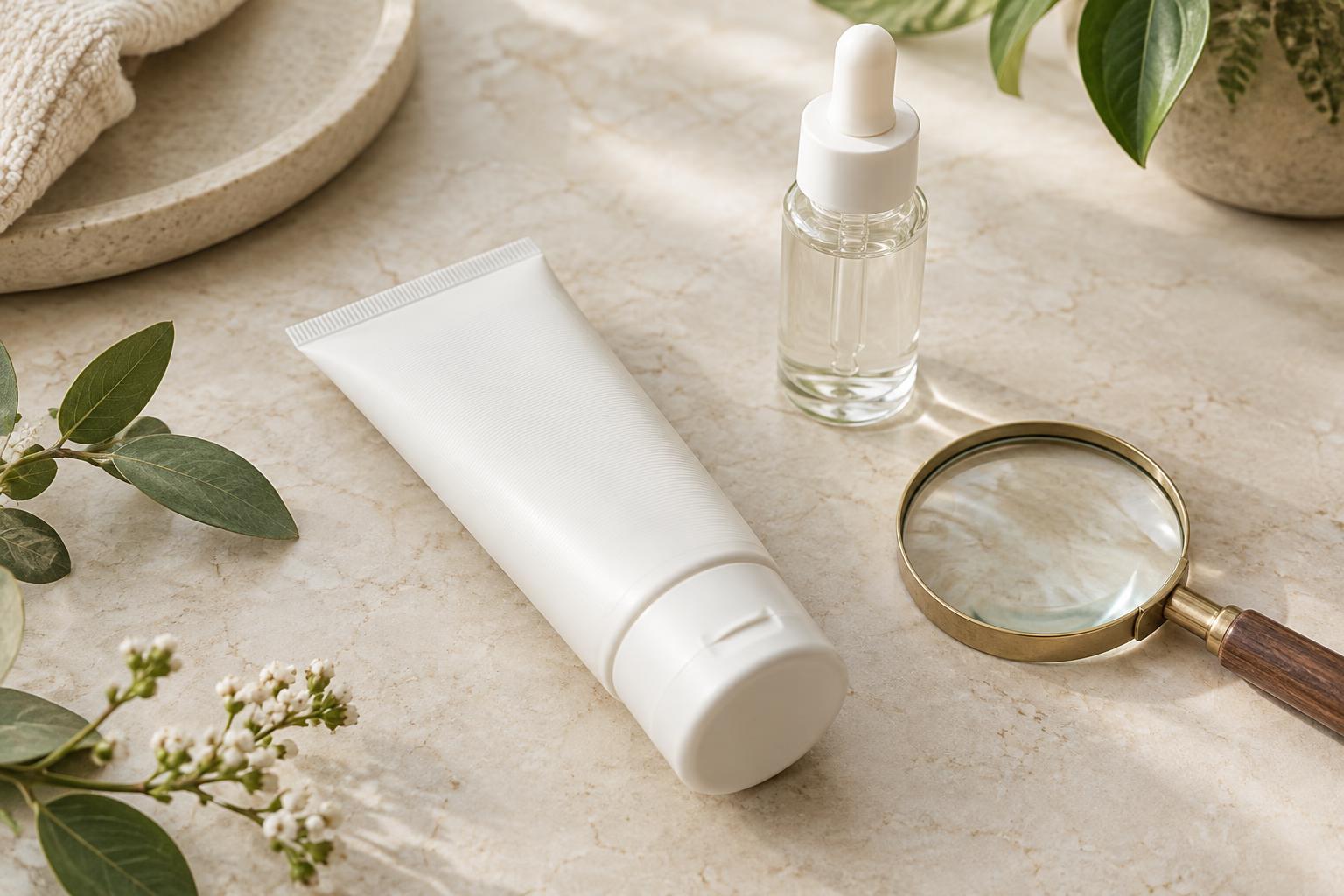
Cosmetic IngredientsAn INCI list can help you recognize familiar ingredients, compare products and ask better questions about a formula. Learn what ingredient order means, why names can look unfamiliar and what the list cannot tell you.
Read article · 4 min↗
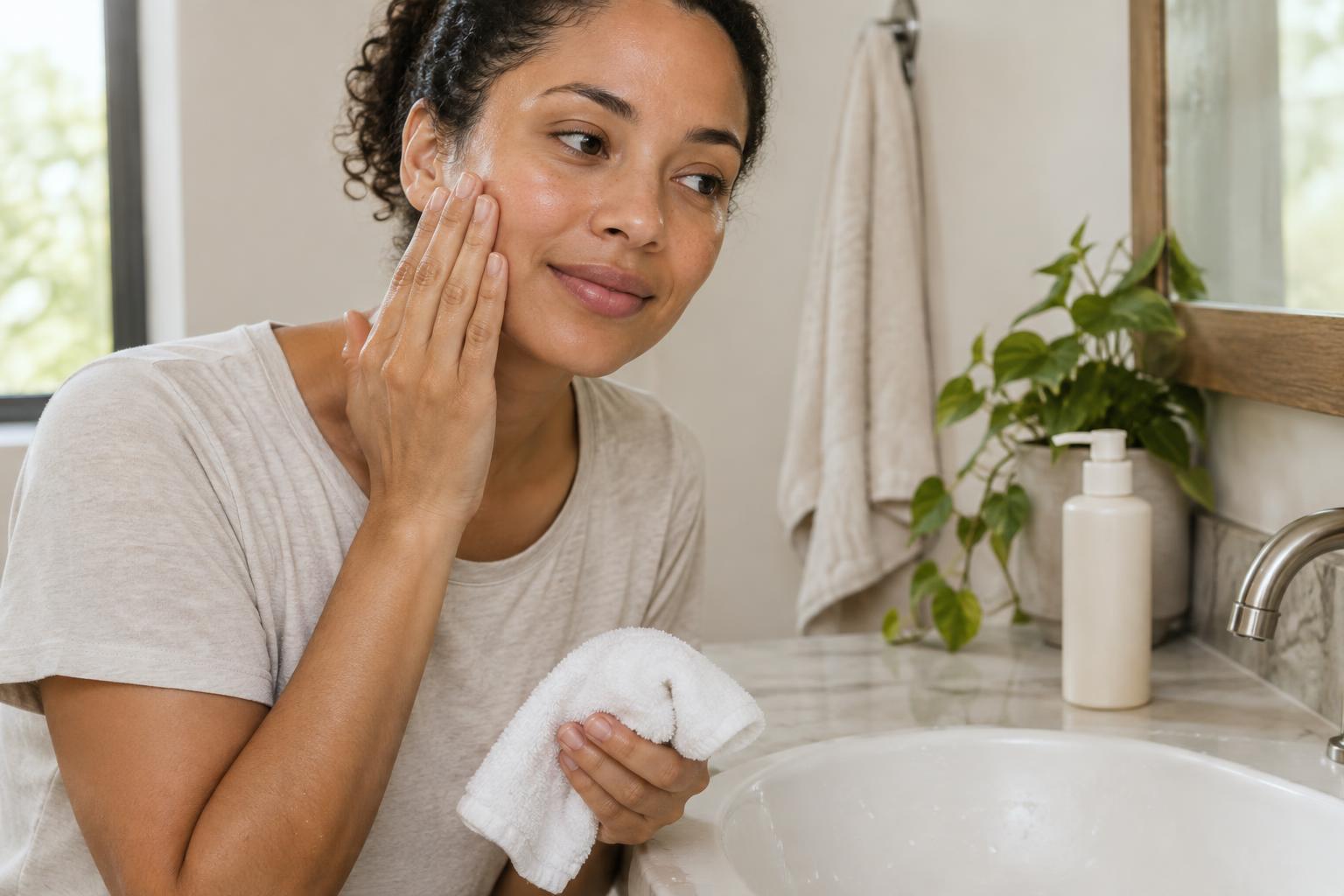
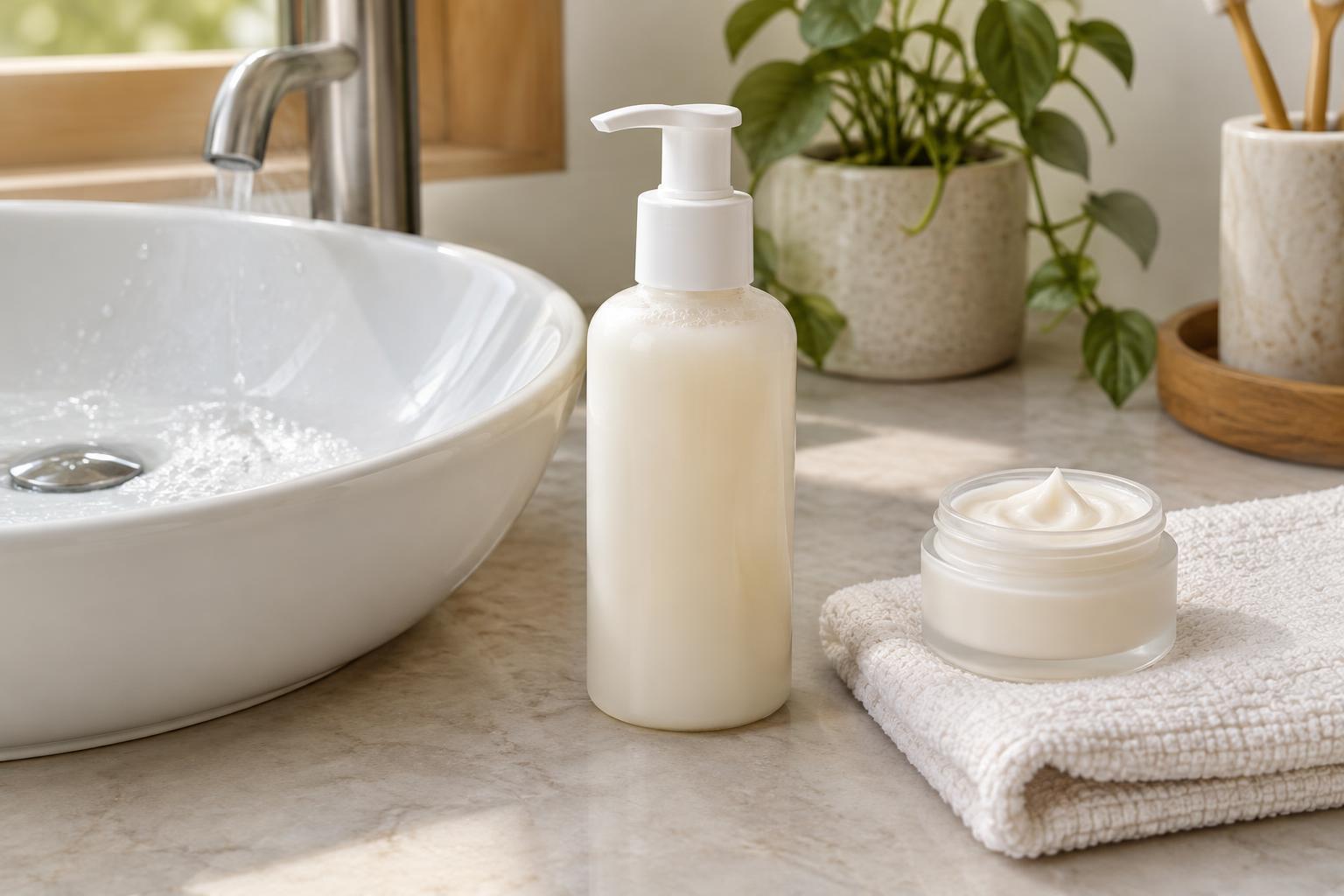
Cleansing and MoisturizingA moisturizing cleanser can leave skin feeling comfortable after washing, but it usually does a different job from a leave-on moisturizer. Learn what each product contributes and how to decide whether your routine needs both.
Read article · 3 min↗
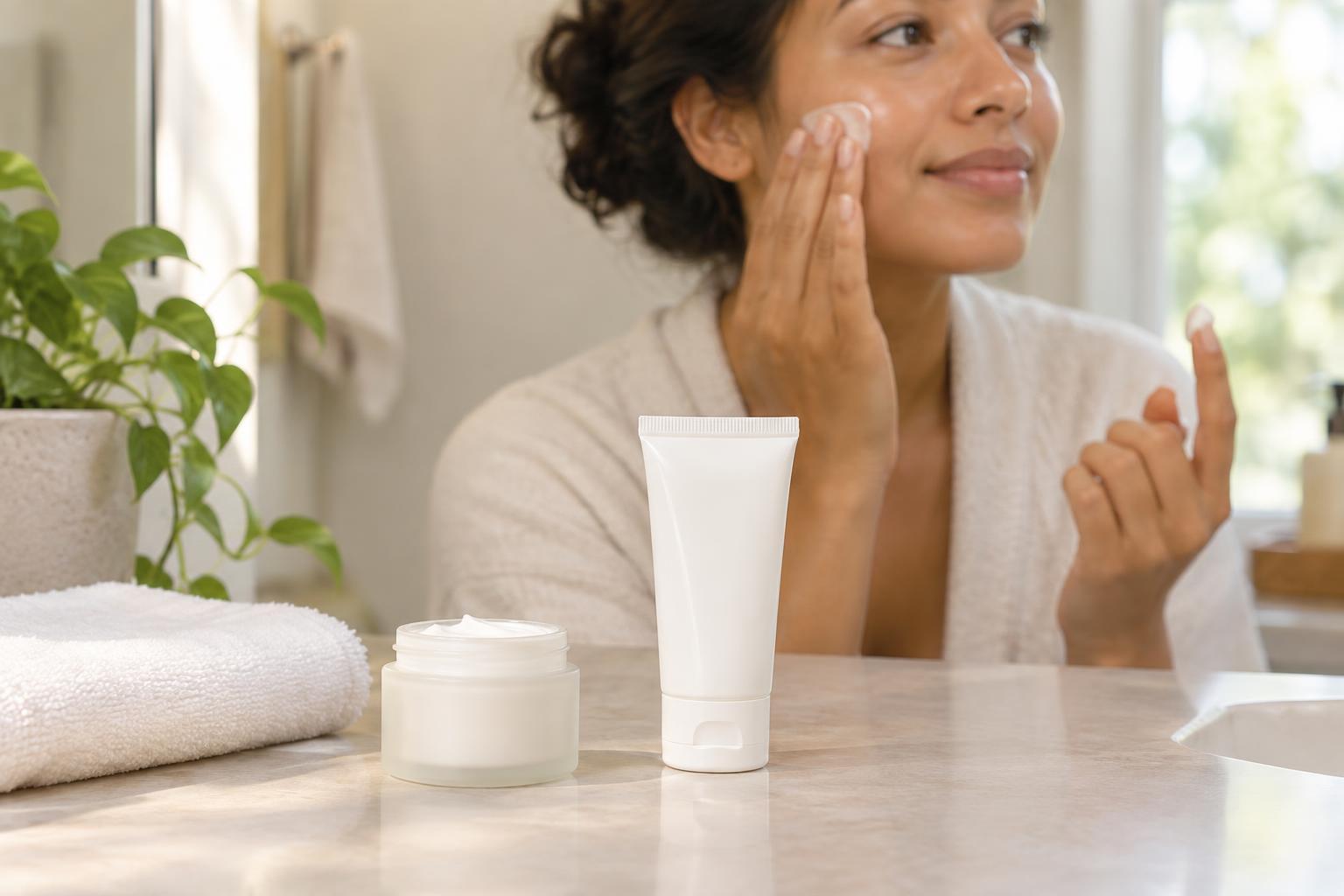
Cleansing and MoisturizingIn a simple morning routine, moisturizer usually goes on before sunscreen. Learn why the order matters, when you might skip a separate moisturizer, and how to layer both products without making the routine complicated.
Read article · 4 min↗
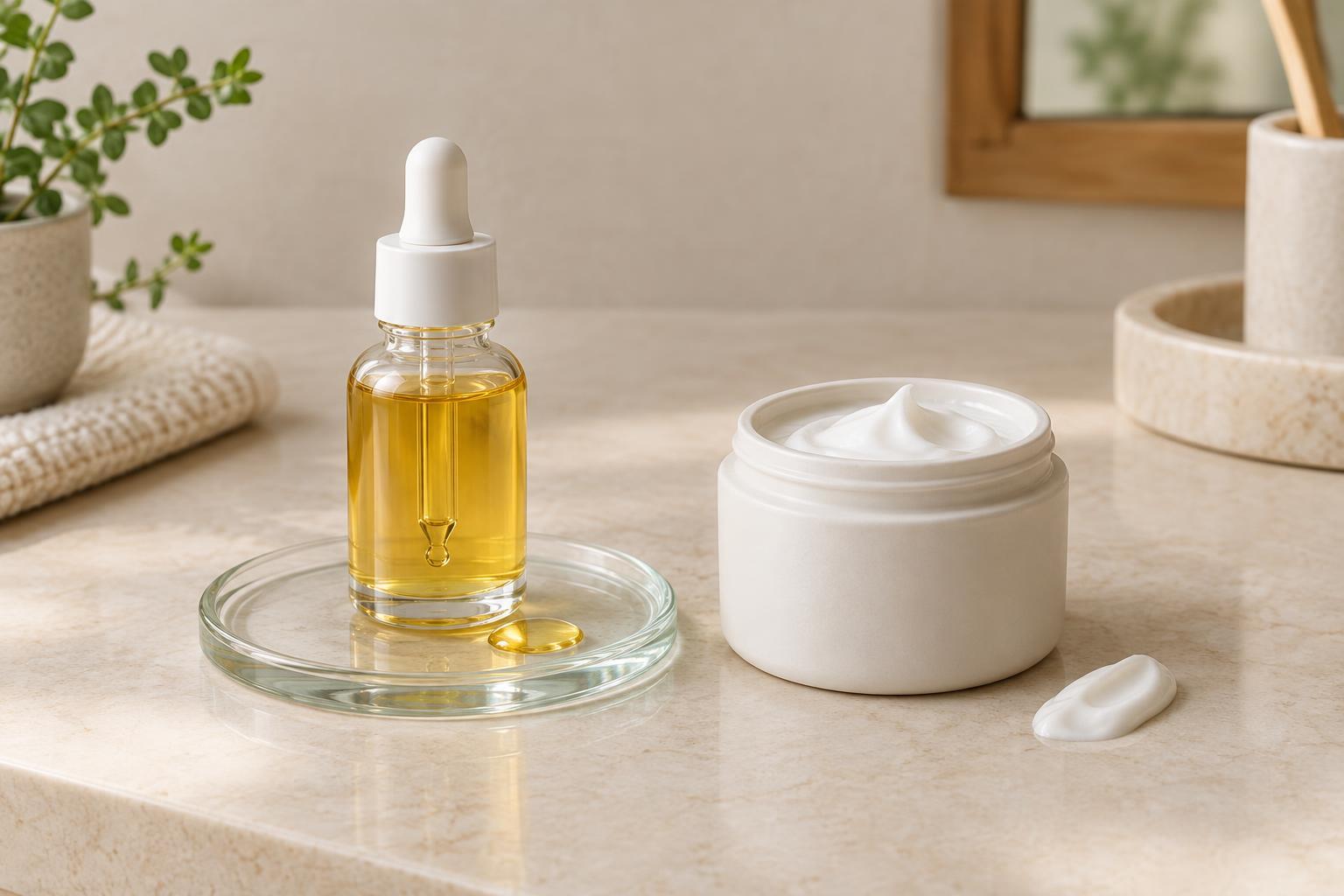
Cleansing and MoisturizingFacial oils and moisturizers can both make skin feel softer, but they are not interchangeable. Learn how each works, when layering may be useful, and how to choose based on how your skin feels.
Read article · 3 min↗
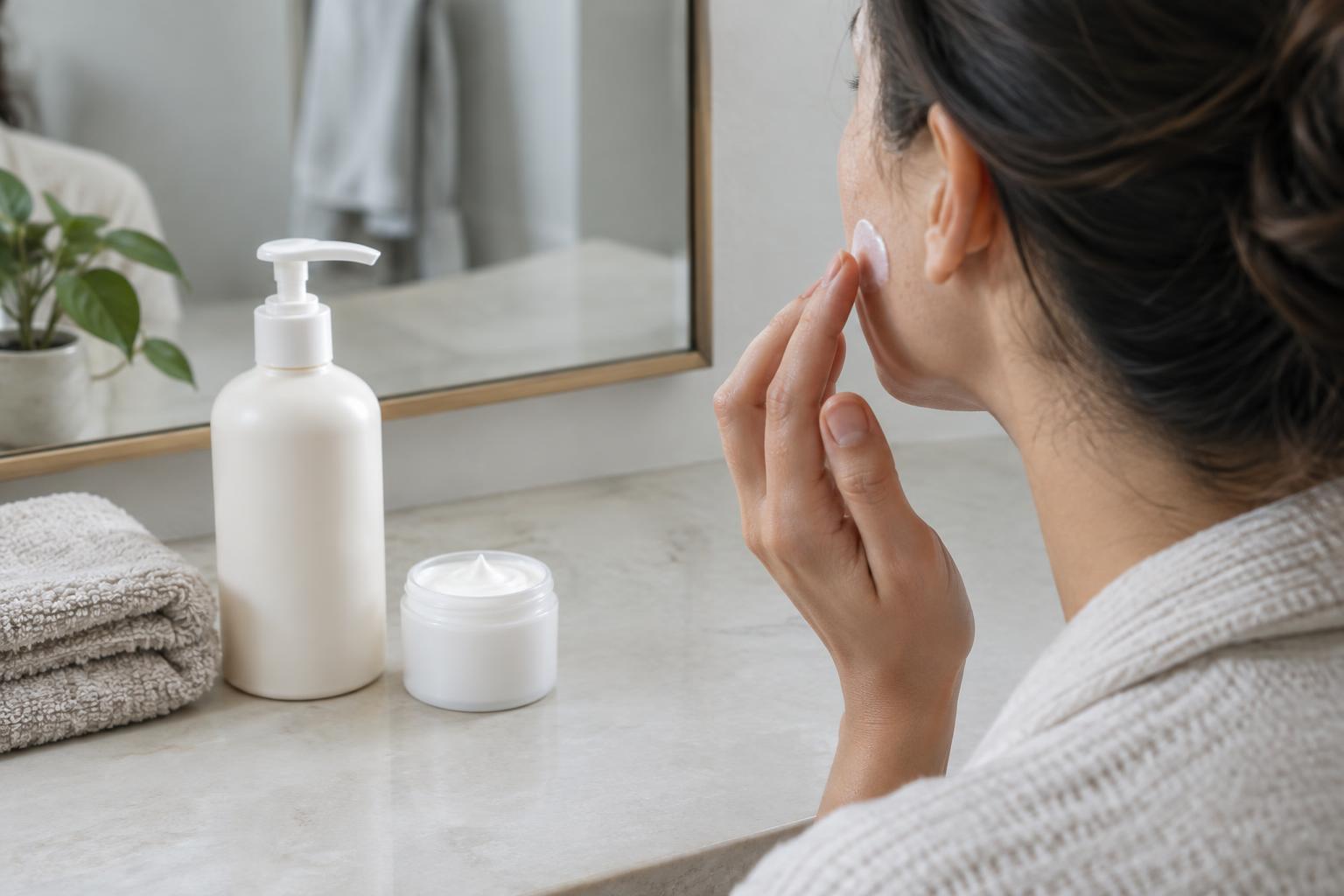
Cleansing and MoisturizingBody moisturizer can sometimes work on the face, but the label alone does not tell you whether it will feel comfortable there. Learn what to check in the formula, how to try it carefully, and when a dedicated facial moisturizer may be a better fit.
Read article · 4 min↗
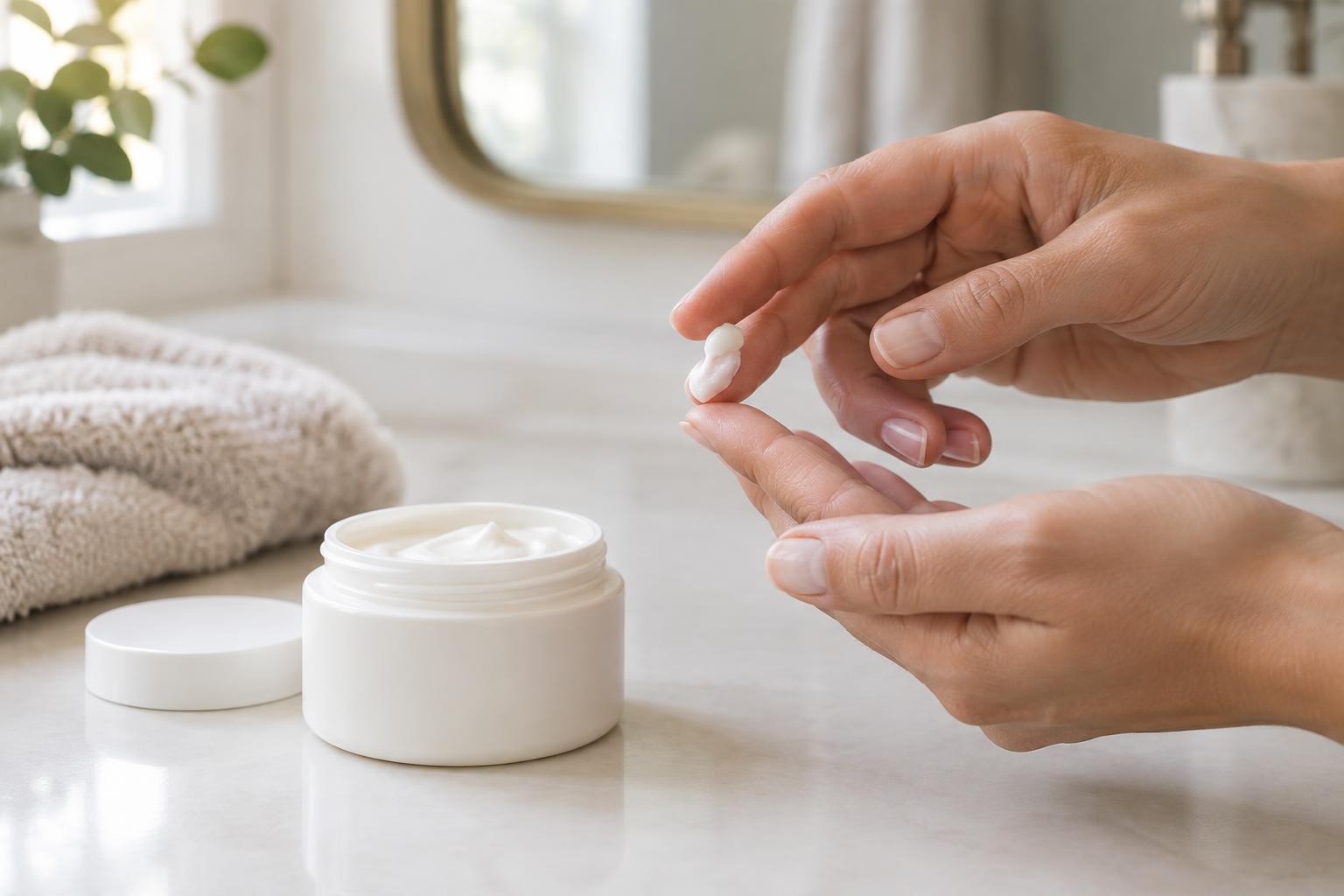
Cleansing and MoisturizingThere is no single amount of moisturizer that suits every face or every day. Learn how to start with a manageable amount, judge the finish, and adjust for your skin, the product texture, and the rest of your routine.
Read article · 3 min↗
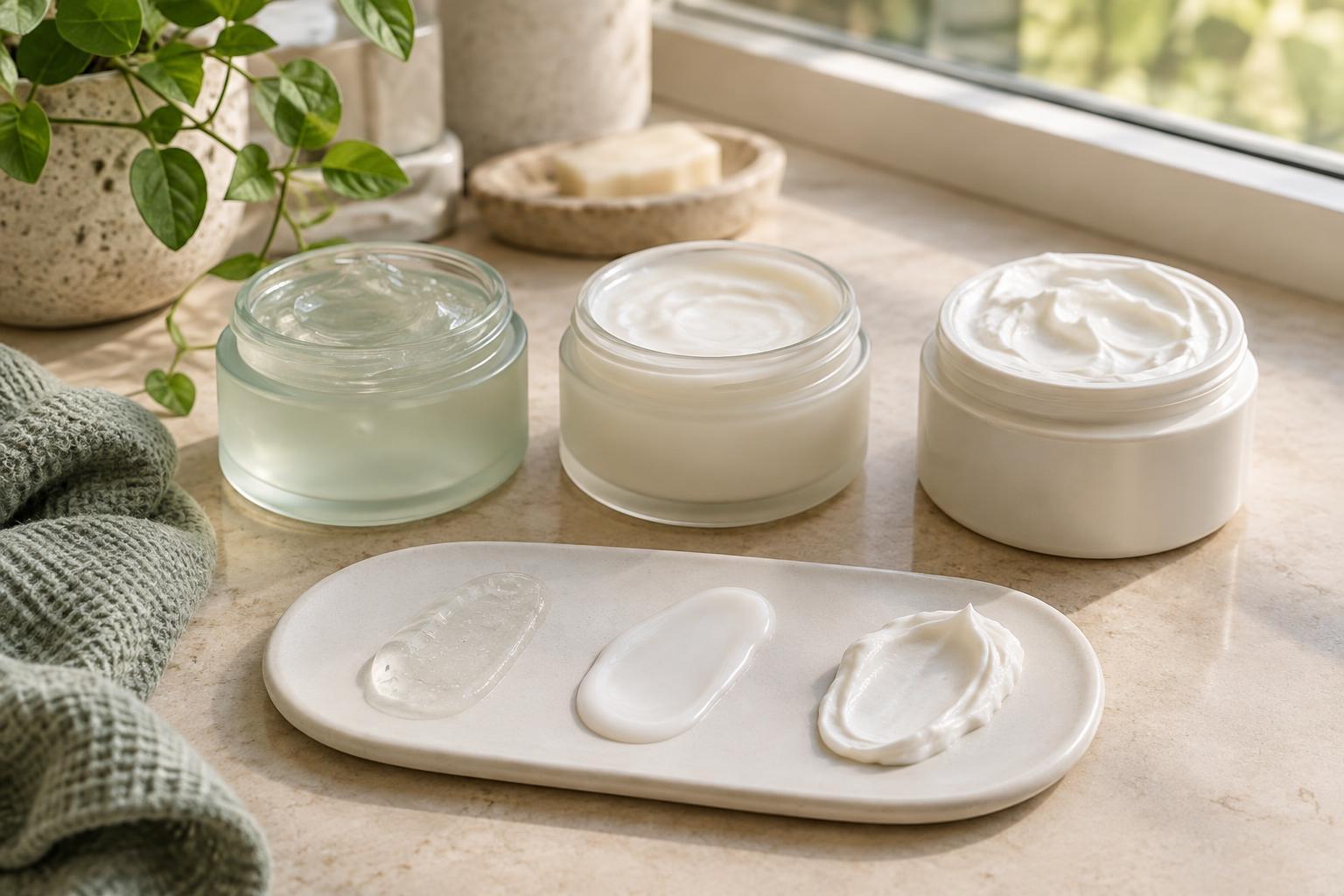
Cleansing and MoisturizingA moisturizer does not have to feel heavy to be useful, and oily skin does not automatically mean you should skip one. Learn how to compare textures, ingredient roles and everyday comfort when choosing a product.
Read article · 4 min↗
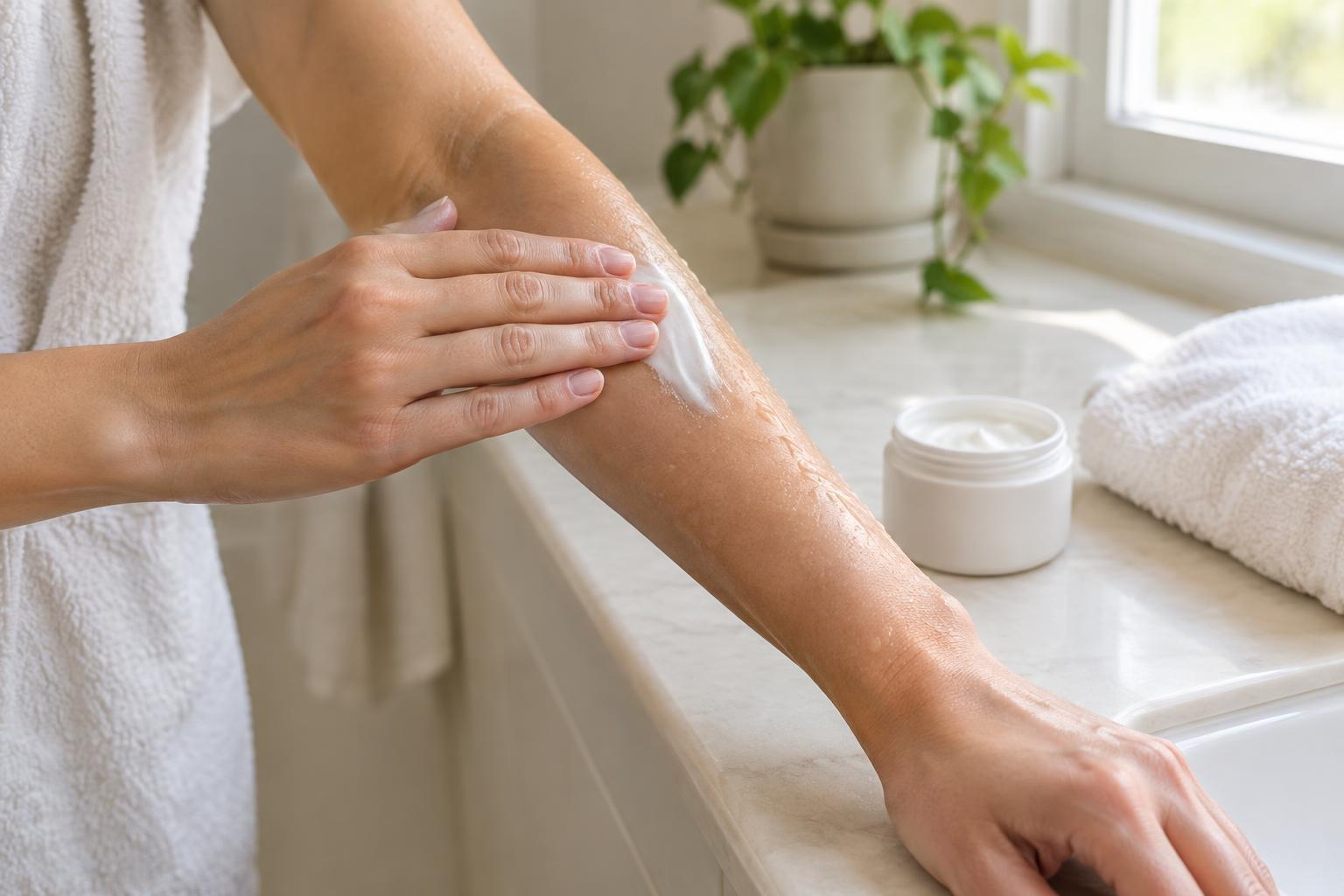
Cleansing and MoisturizingMoisturizer often feels more effective when you apply it before your skin is completely dry. Learn how residual water, moisturizer ingredients and simple timing work together, plus how to adjust the habit to suit your routine.
Read article · 4 min↗
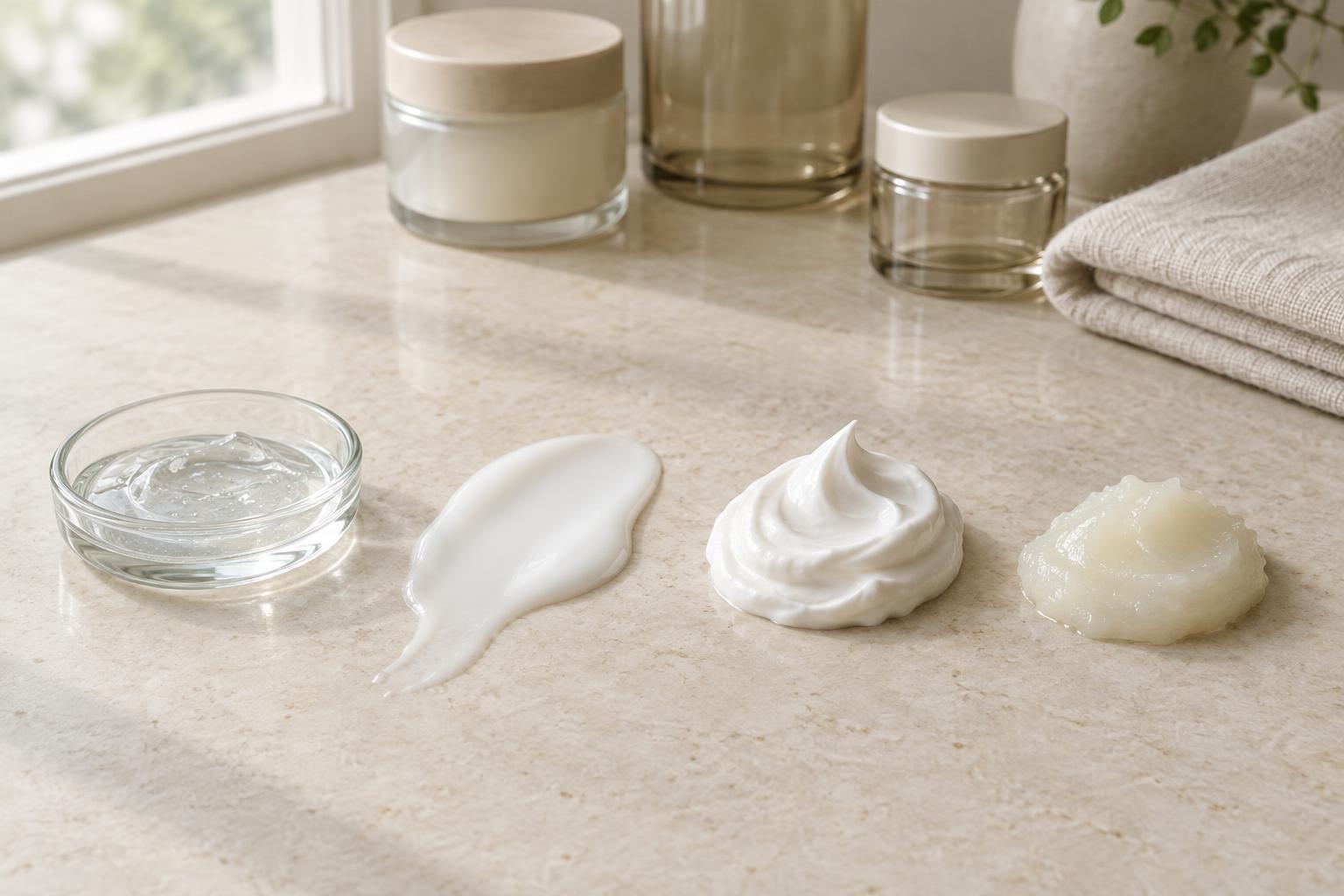
Cleansing and MoisturizingMoisturizers come in textures that can feel and behave quite differently. Learn how gels, lotions, creams and ointments compare, what their labels can and cannot tell you, and how to choose one that fits your routine.
Read article · 3 min↗
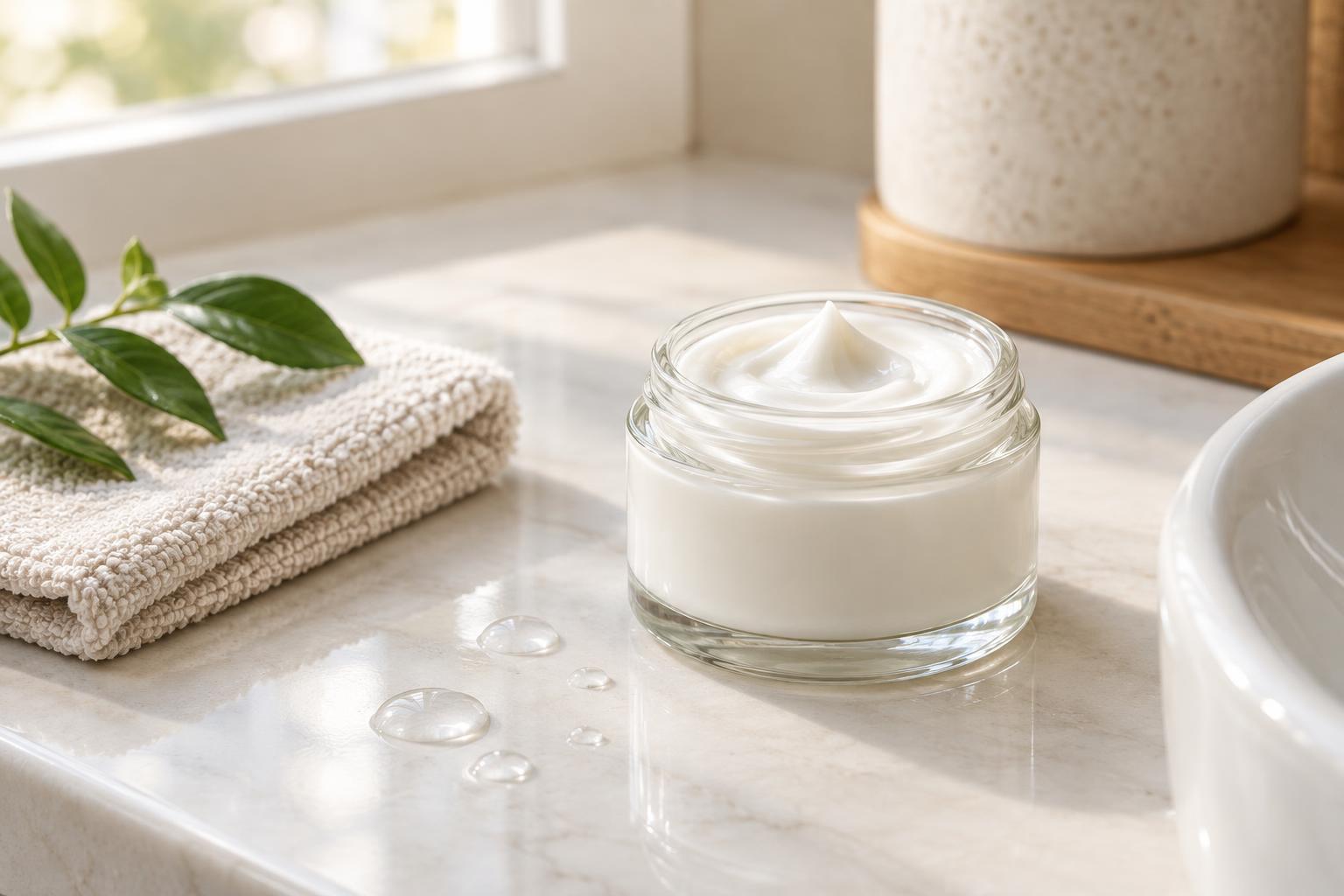
Cleansing and MoisturizingA moisturizer does more than add a pleasant finish after cleansing. Learn how water-binding ingredients, skin-smoothing emollients and protective ingredients work together, plus how to choose and use a texture that suits your routine.
Read article · 4 min↗
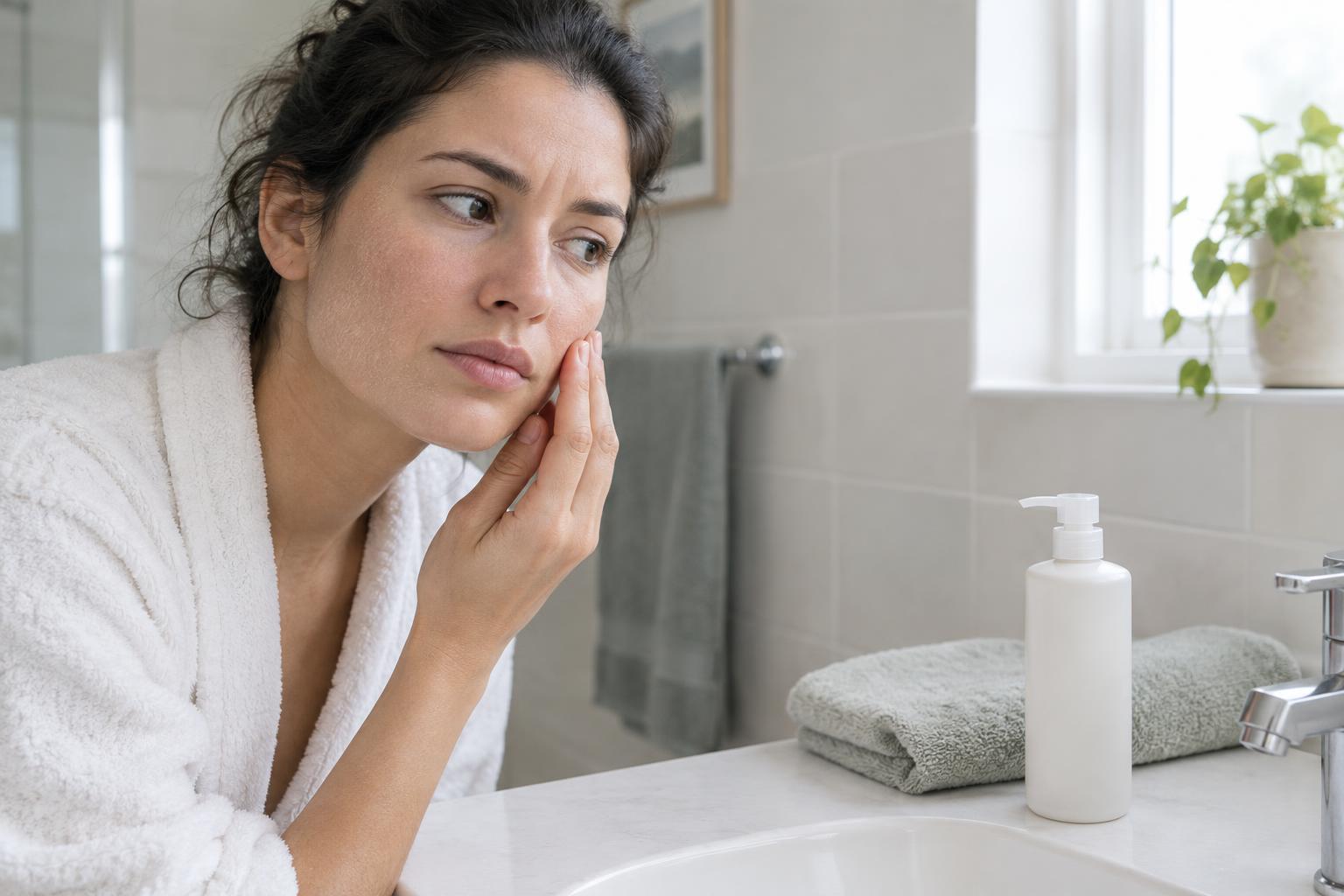
Cleansing and MoisturizingA cleanser should leave your skin feeling comfortable, not repeatedly tight or irritated. Learn which everyday clues may suggest your cleansing routine needs a gentler approach and how to make simple adjustments.
Read article · 3 min↗

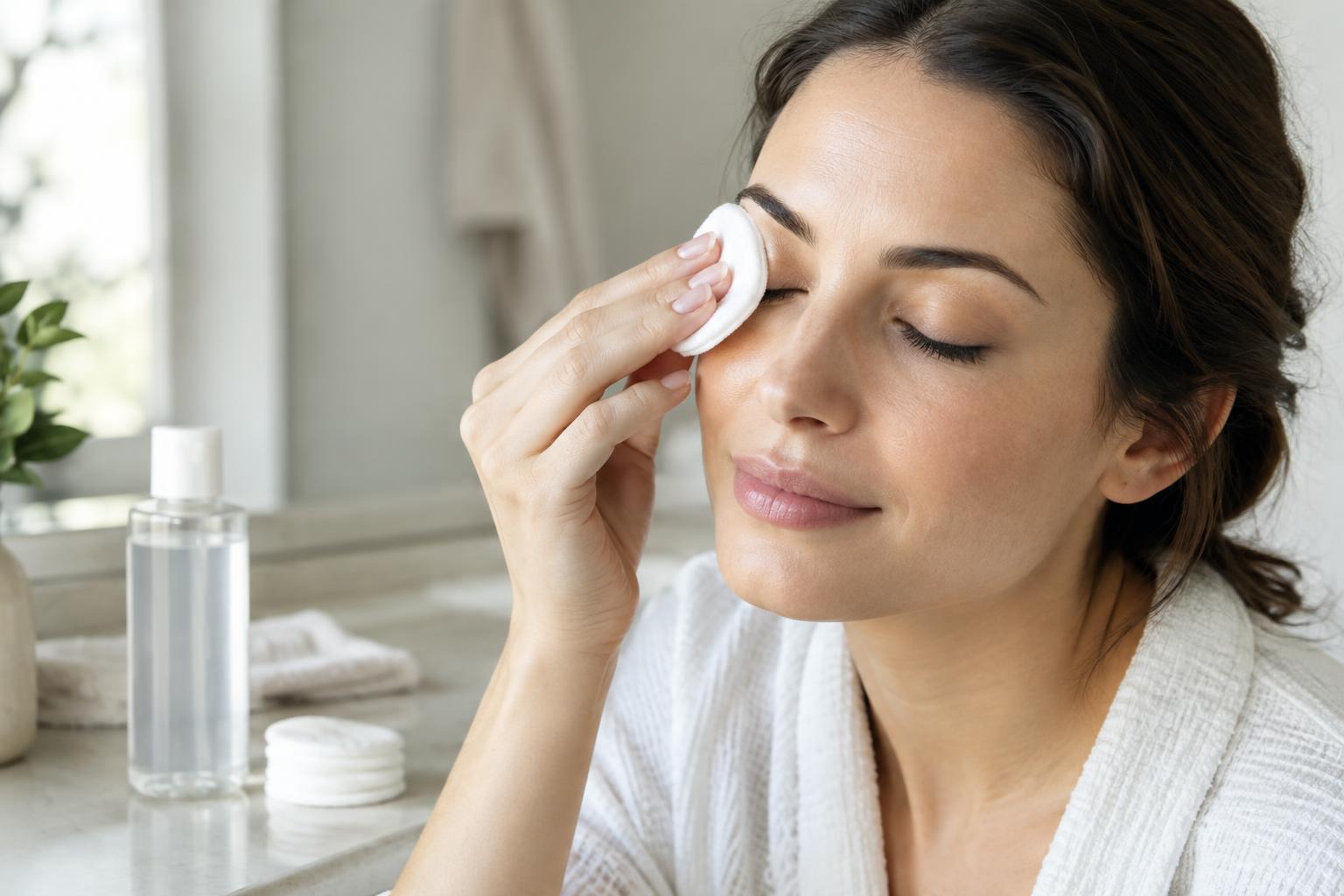
Cleansing and MoisturizingRemoving eye makeup does not have to involve scrubbing. Learn how to choose a remover, soften stubborn mascara, clean along the lashes with a light touch, and leave the eye area comfortable afterward.
Read article · 4 min↗
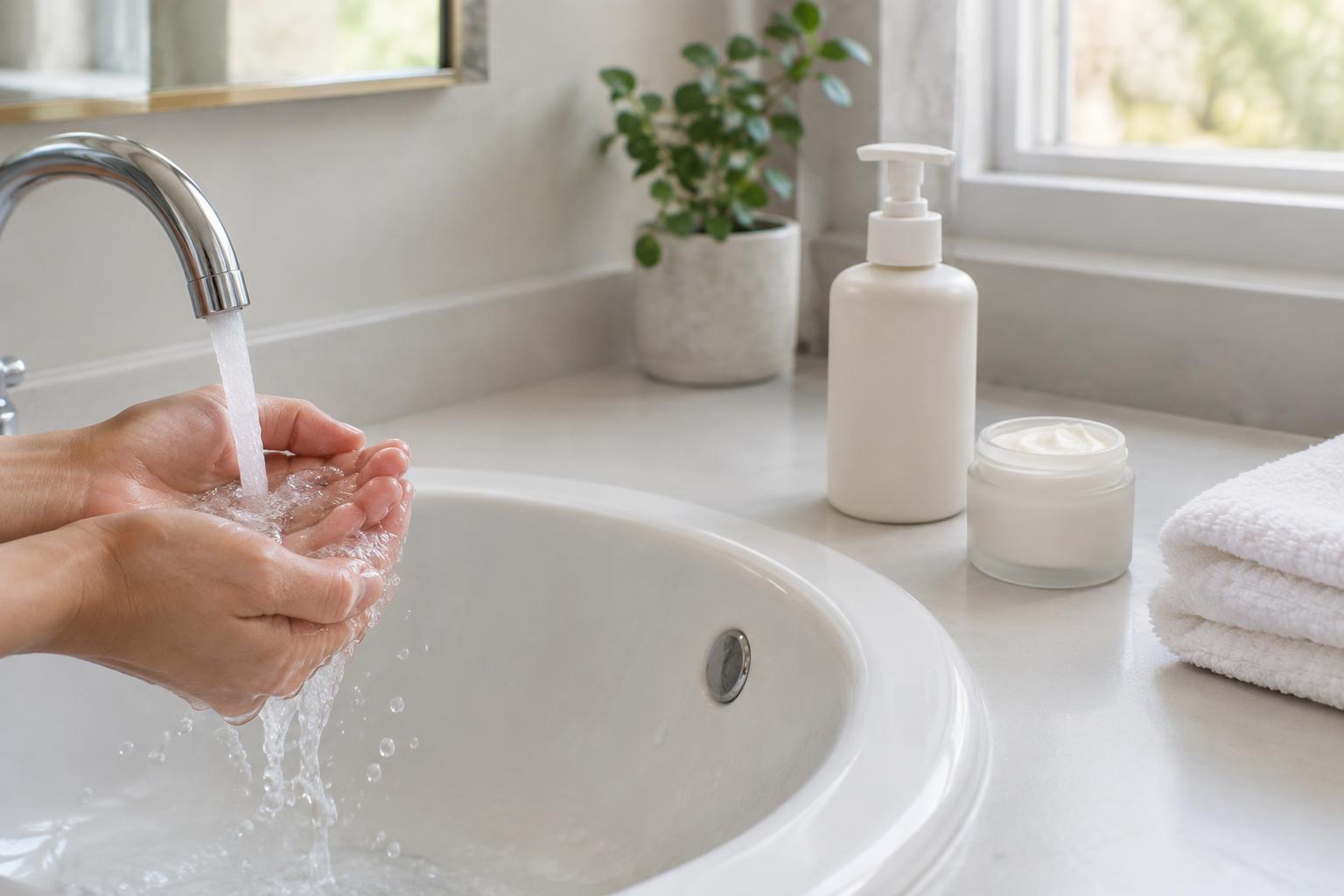
Cleansing and MoisturizingA morning face wash is not essential for everyone. Learn when a water rinse may be enough, when a gentle cleanser may feel more useful, and how to make either choice fit your moisturizing routine.
Read article · 3 min↗
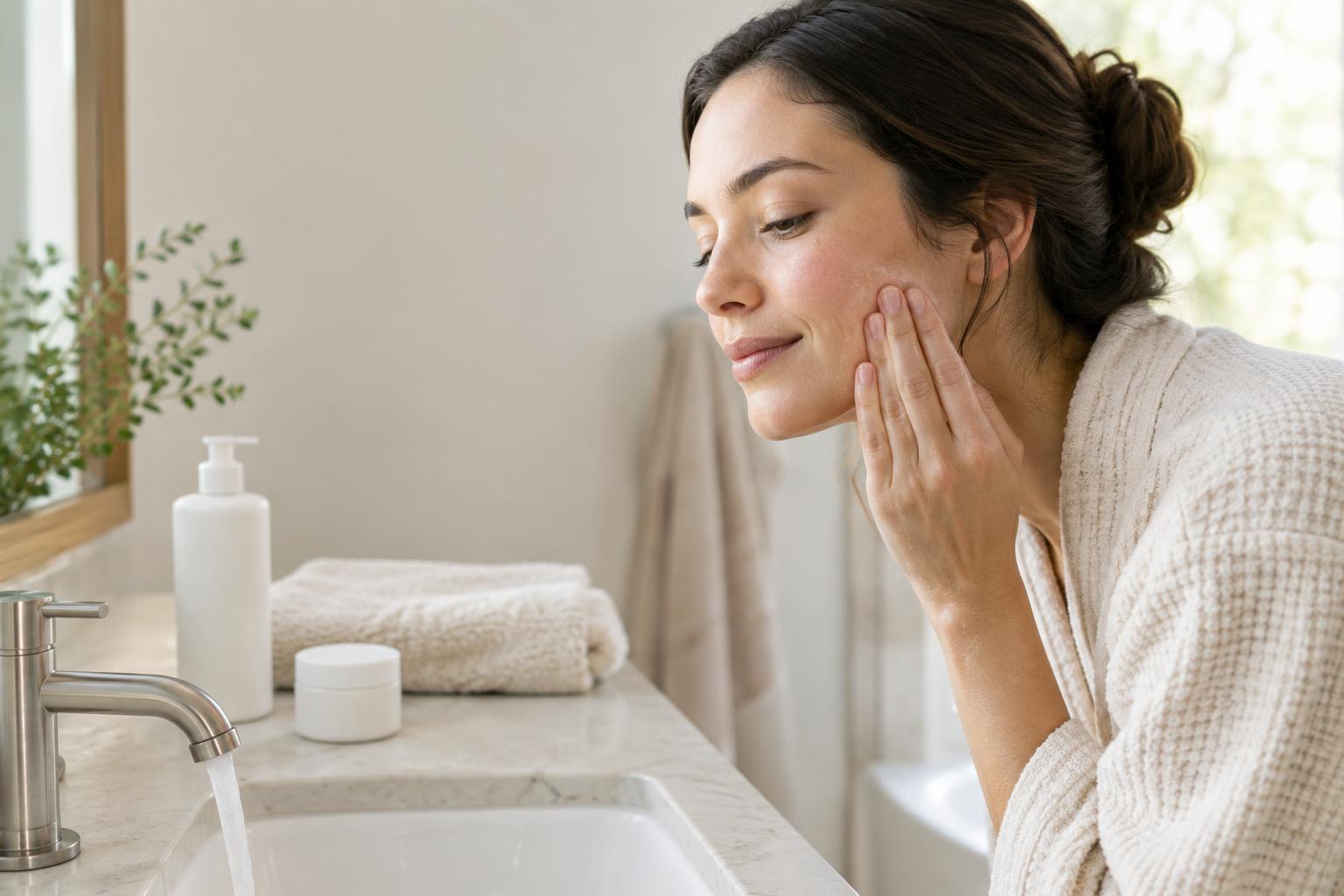
Cleansing and MoisturizingA clean face does not require hot water or vigorous rubbing. Learn how to choose a comfortable water temperature, use a cleanser gently, and follow with moisturizer without turning a simple routine into a harsh one.
Read article · 4 min↗
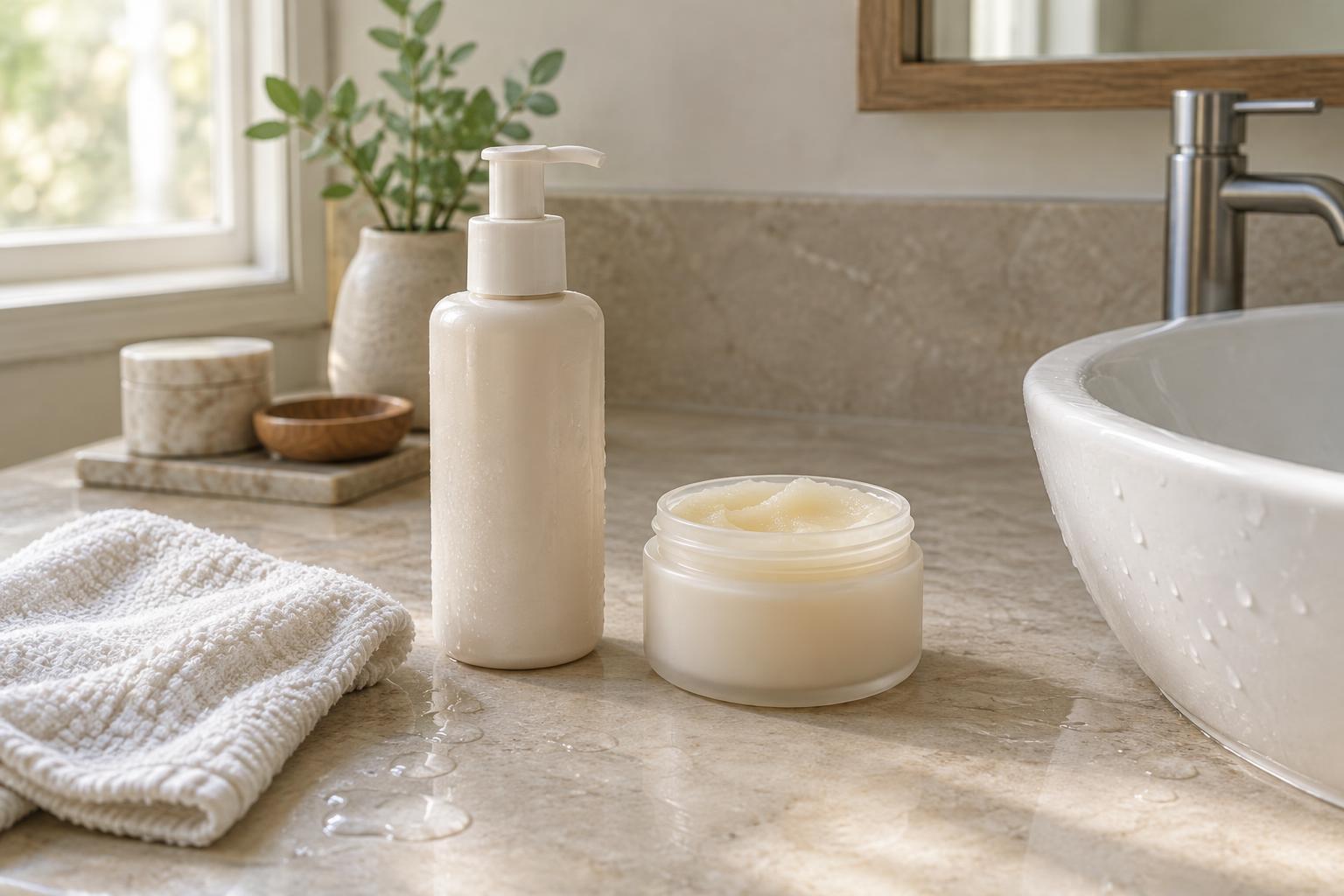
Cleansing and MoisturizingA second cleanse can help remove stubborn makeup or water-resistant sunscreen, but it is not an everyday requirement. Learn how to choose a routine that leaves skin comfortable without washing more than necessary.
Read article · 3 min↗
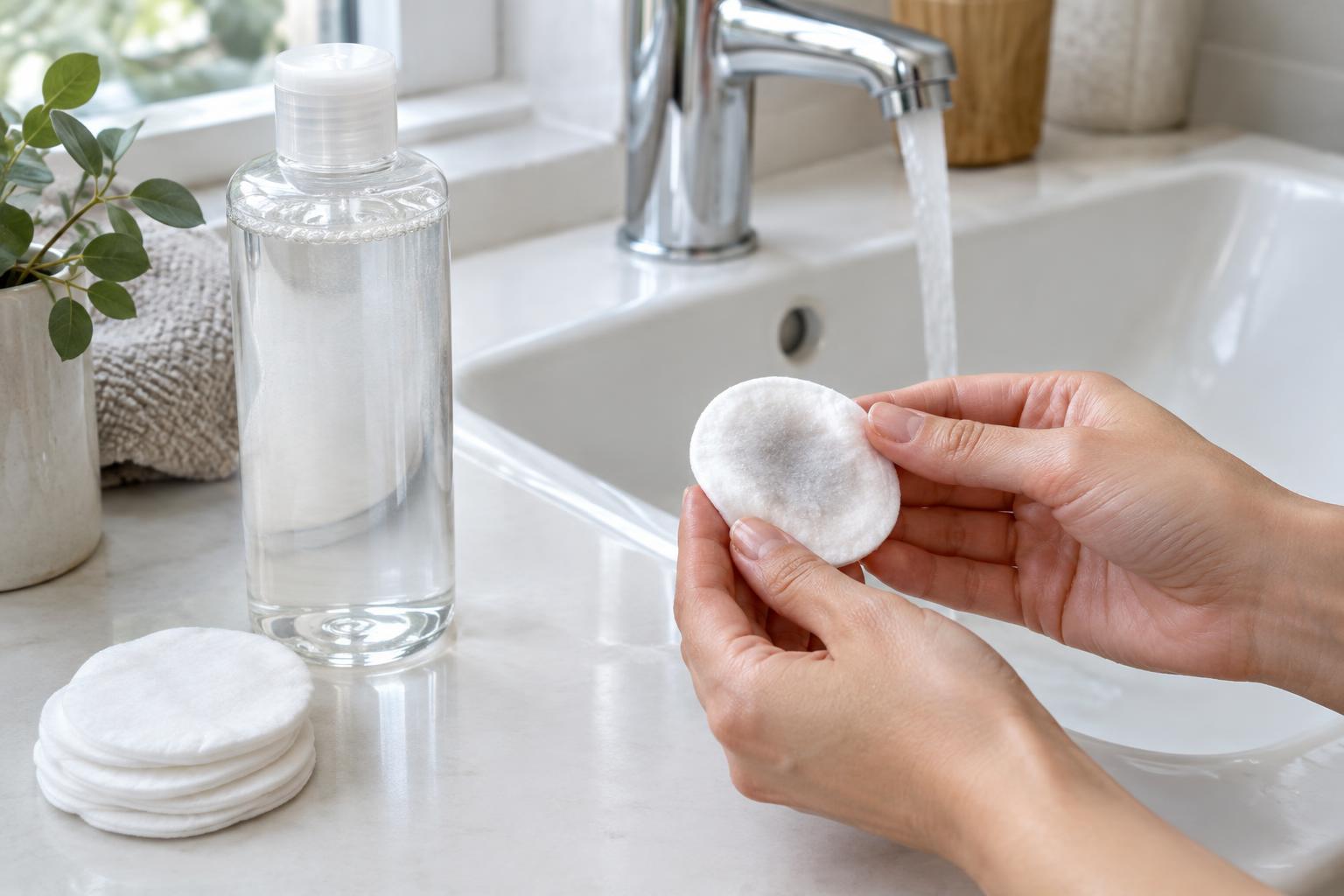
Cleansing and MoisturizingMicellar water can be a convenient way to remove light makeup and everyday residue, but “no-rinse” does not mean rinsing is never useful. Learn how to use it gently, when to follow with water or a cleanser, and how to decide what works for your routine.
Read article · 4 min↗
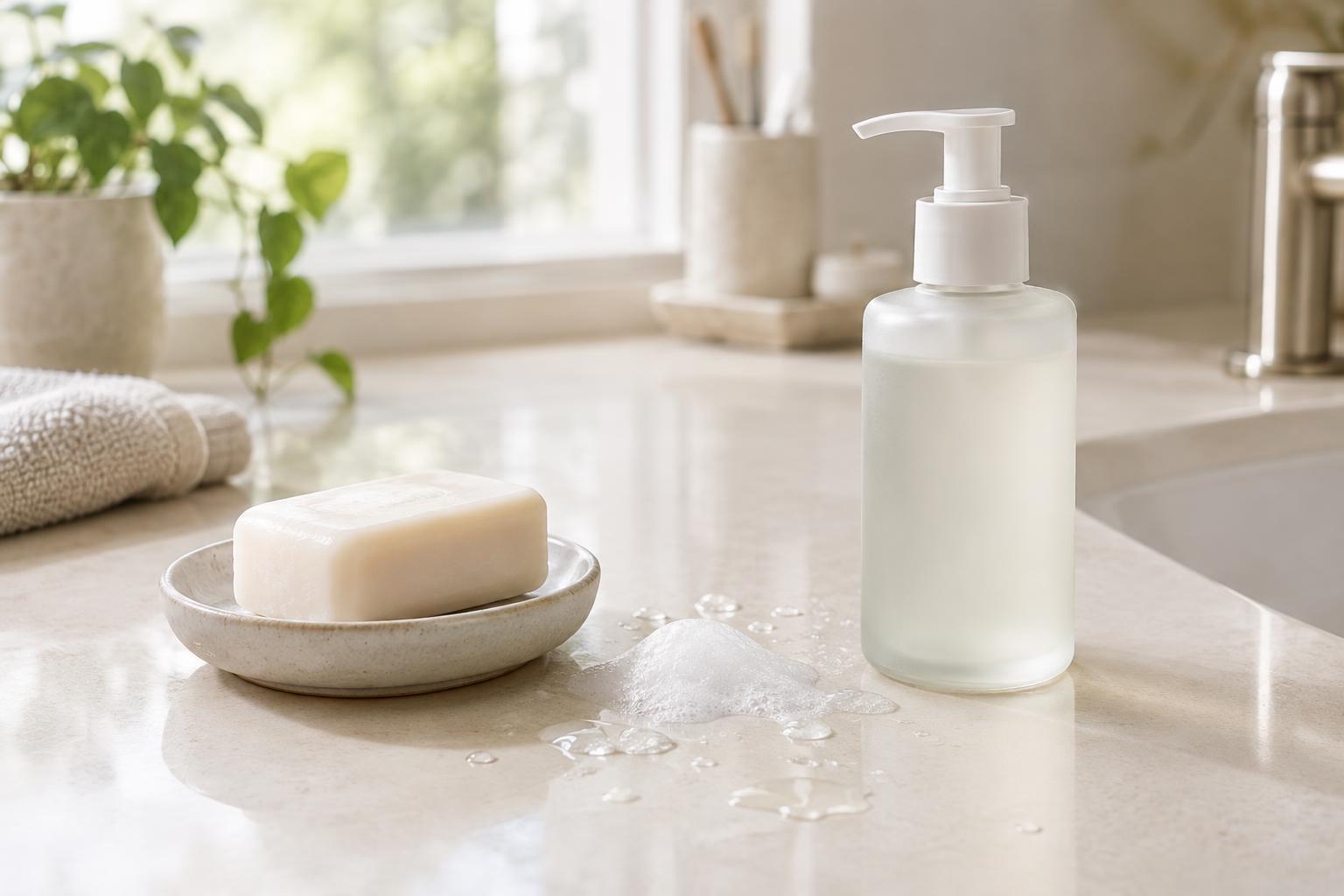
Cleansing and MoisturizingSoap and non-soap cleansers can both remove oil and everyday buildup, but they differ in how they are made and how they may feel on skin. Learn what the labels mean, why pH is only part of the picture, and how to choose a cleanser that fits your routine.
Read article · 3 min↗
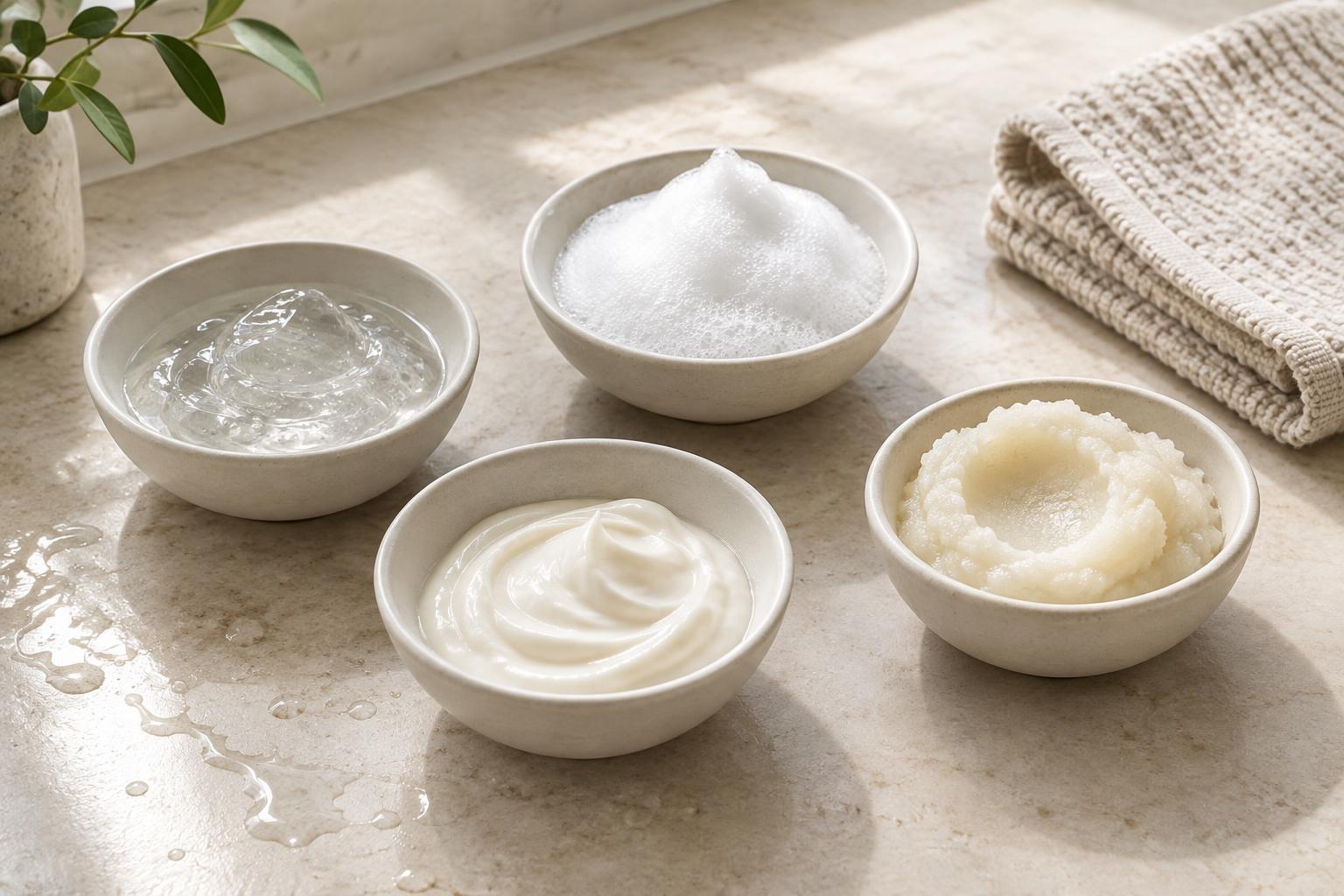
Cleansing and MoisturizingA cleanser’s texture affects how it spreads, what it feels like while washing and how it rinses away. Learn what gel, foam, cream and balm cleansers generally offer, and why the formula matters more than the label.
Read article · 4 min↗
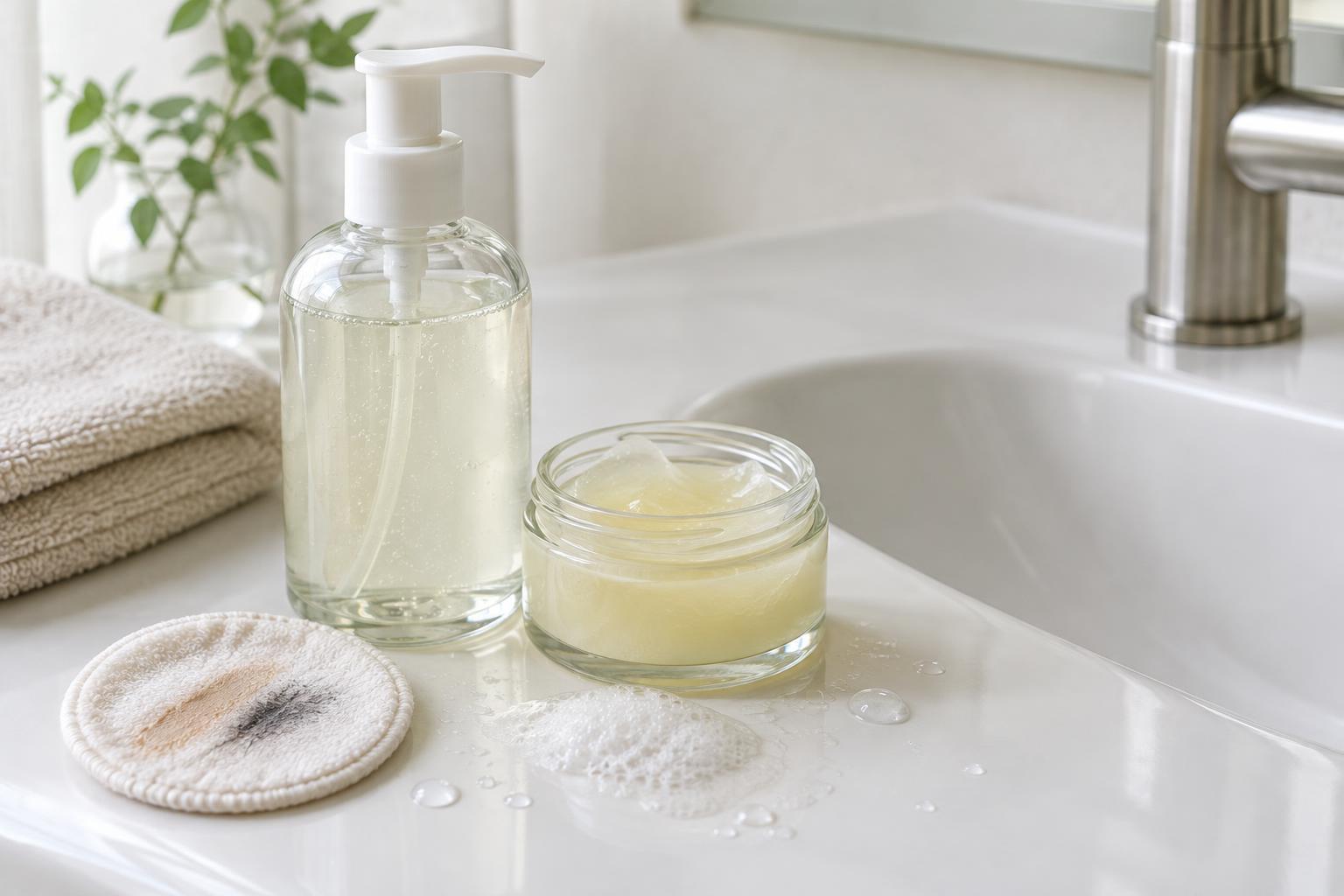
Cleansing and MoisturizingFacial cleansers help lift oily residue, particles and makeup so they can be rinsed or wiped away. Learn how surfactants and oil-based formulas work, why makeup can take extra effort, and how to cleanse without leaving skin feeling unnecessarily dry.
Read article · 4 min↗