The word “appearance” does important work
When a cosmetic product says it “minimizes the appearance of pores,” it is usually promising a visible effect: pores may look less noticeable after you apply the product. That is different from saying the product makes pores permanently smaller. Pores are normal openings in the skin, and a smooth-looking finish does not mean they have disappeared.
This distinction helps set a useful expectation. A primer might blur the look of texture while it is on the skin. A cleanser might remove surface oil that makes pores more conspicuous. A moisturizer might make surrounding skin look less dry and uneven. These are different ways to affect what you see in the mirror, and their results may last for different lengths of time.
How products can change the look of pores
Some products work mainly through their finish. A primer or makeup product can form a thin, even-looking layer over the skin. Powders may reduce shine, while pigments and light-diffusing ingredients can soften the contrast between pores and the surrounding skin. The effect can vary with the amount applied, the lighting and what you put on top. Too much product can sometimes collect in texture rather than disguise it.
Other products focus on the skin’s surface before makeup goes on. Gentle cleansing removes makeup, sunscreen and excess oil; moisturizing can help dry areas look smoother. Certain exfoliating products are marketed for uneven-looking texture, but more frequent or stronger use is not automatically better. If a product leaves your skin feeling uncomfortable, its promise of a smoother appearance may not be worth the trade-off.
Why results differ from person to person
Pore visibility is influenced by several ordinary factors, including skin texture, oiliness and the contrast created by light and shadow. The same product may look convincing on one face and make little visible difference on another. Even on the same person, a result can change depending on whether the skin is freshly cleansed, moisturized or wearing makeup.
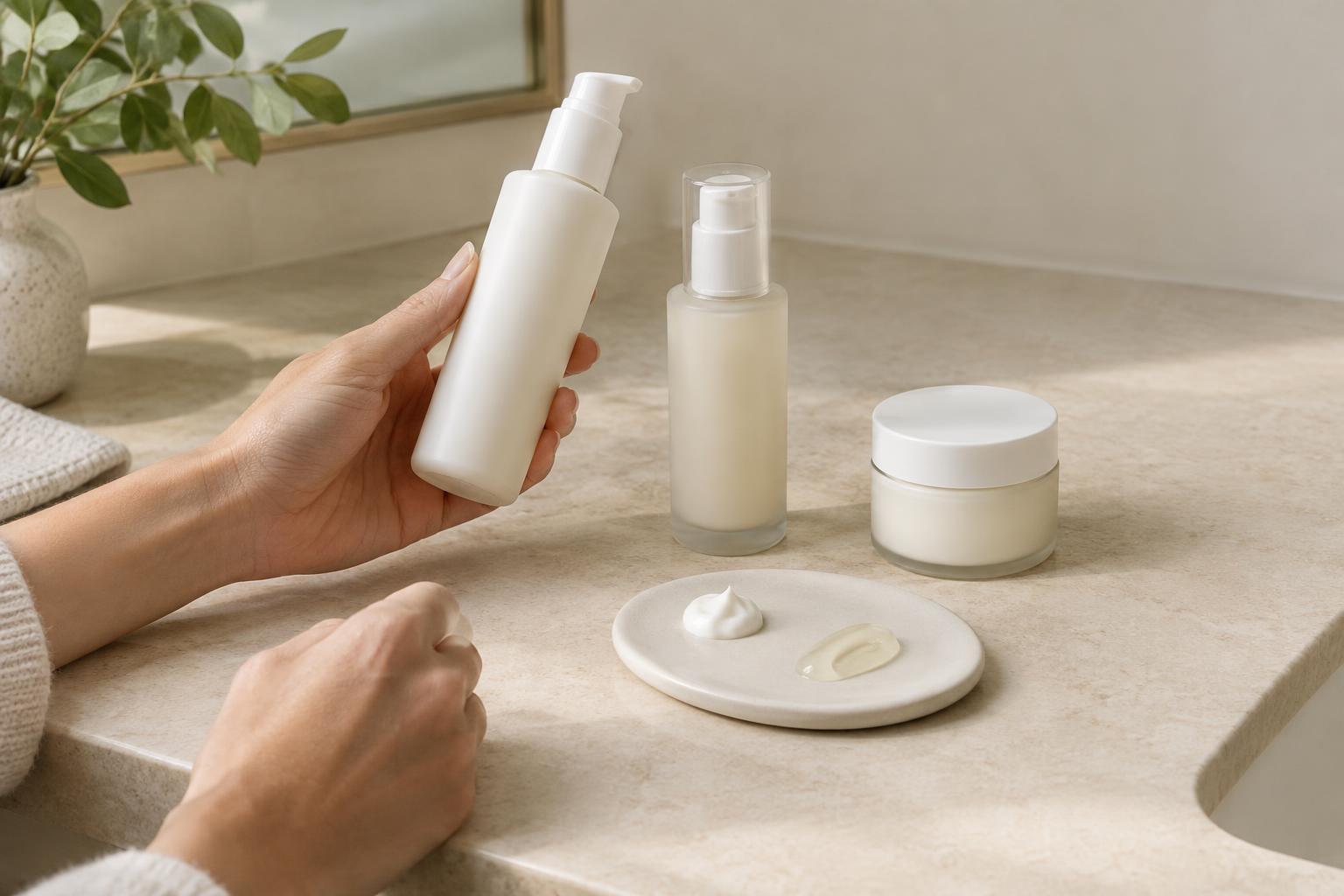
Application matters too. A thin layer of primer may sit differently over a lightweight moisturizer than over a rich cream. Powder can look smooth in one area and emphasize dryness in another. It is reasonable to think of a pore-minimizing product as a tool for a particular finish, not as a universal correction. Consider where and when you want to use it: alone, under makeup or for a quick reduction in shine.
How to read the claim without overreading it
Look for the exact wording on the package. “Instantly blurs” suggests an effect you can assess shortly after application; “helps reduce the look of pores over time” suggests a different expectation and may call for more patience. Neither phrase, by itself, tells you how dramatic the change will be, how long it will last or whether you will like the product’s feel.
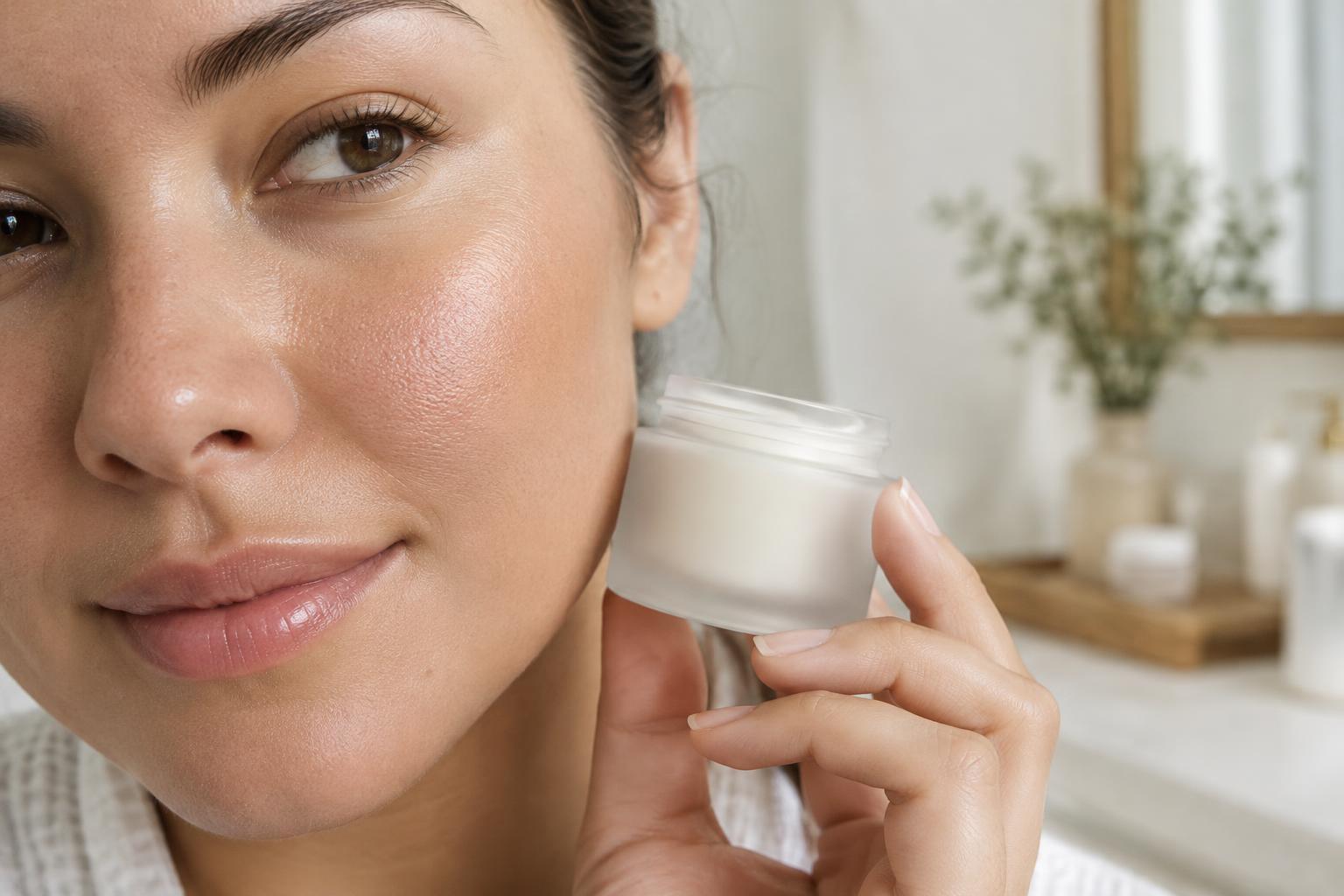
Before-and-after images can be useful illustrations, but compare them carefully. Lighting, camera angle, skin preparation and makeup can all affect how visible pores appear. Check whether the images show the product alone or as part of a full routine. Be cautious about treating a close-up photograph as a guarantee of how skin will look at an ordinary viewing distance.
A practical way to decide if a product earns its place
Start with the result you actually want. If shine is your main concern, a matte finish may matter more than a “poreless” label. If makeup tends to settle into texture, pay attention to how a primer wears with your usual foundation. If your skin feels tight after cleansing, a gentler routine may be more useful than adding another product marketed around pores.
When trying something new, use it as directed and give yourself a fair comparison: apply a modest amount, check it in normal lighting and notice how it looks later in the day. Consider comfort, ease of use and how well it fits with the products you already own. “Minimizes the appearance of pores” is most helpful as a description of a possible visual effect—not a promise that normal skin texture will vanish.