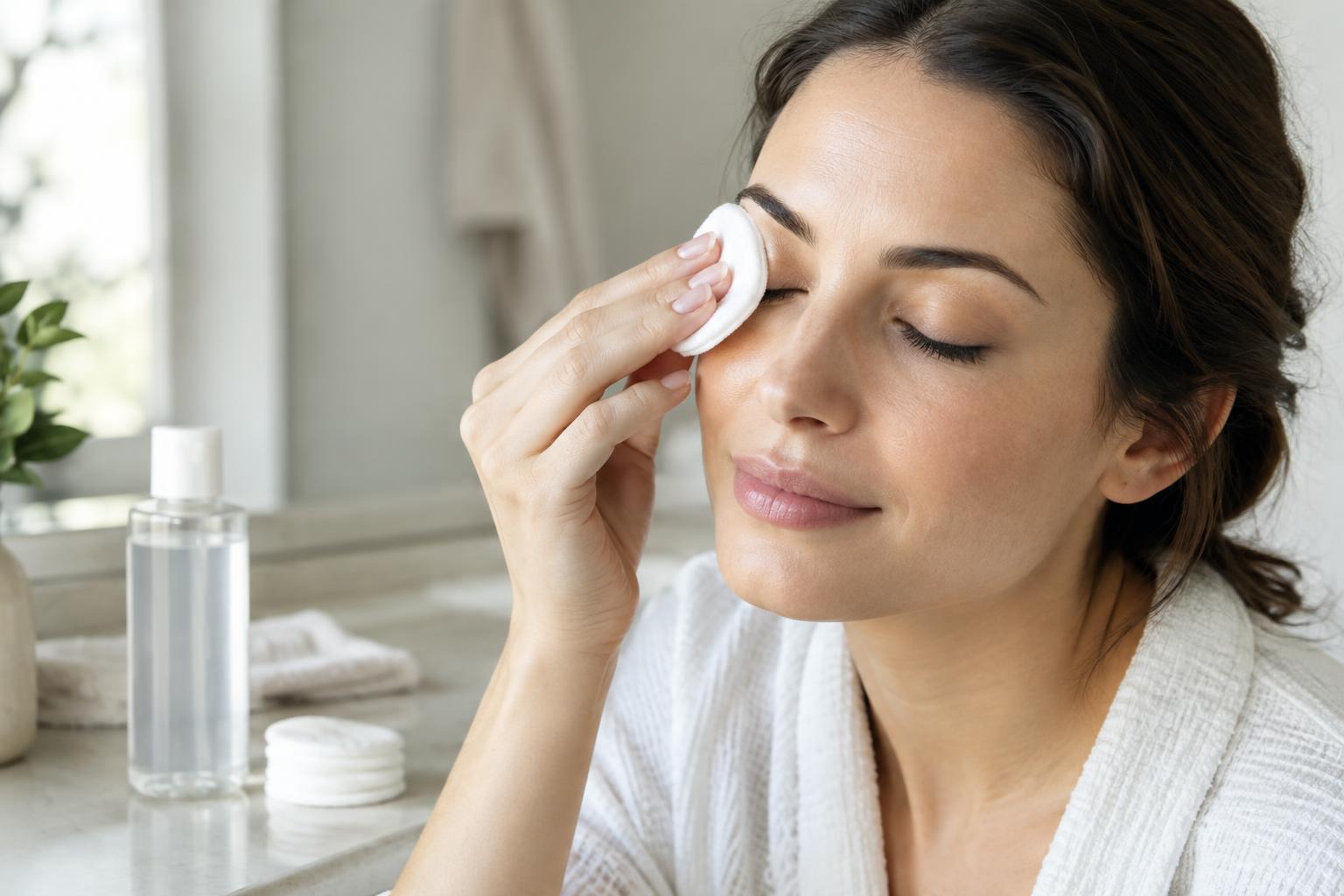
What cleansing is meant to do
Cleansing removes makeup, sunscreen, excess oil and the buildup of daily life. It does not need to leave skin feeling squeaky clean. Skin has a surface layer that helps hold moisture in, and frequent washing or an overly aggressive cleanser can leave that layer feeling less comfortable. The aim is clean skin that still feels like skin.
There is no single washing schedule that suits everyone. Your routine may depend on what you wear on your face, how much you sweat and how your skin feels afterward. The most useful question is not whether a cleanser produces a lot of foam or gives an intensely clean sensation. It is whether your skin remains comfortable between washes.
Clues that your routine may be too much
Tightness right after rinsing is a common clue, especially if your face feels uncomfortable until you apply moisturizer. You may also notice rough-feeling patches, visible flaking or a dull, papery feel. If these changes repeatedly appear after washing, consider whether the cleanser, water temperature or amount of rubbing could be contributing.
Stinging when you apply products that normally feel comfortable, or redness that seems more noticeable after cleansing, can also be a reason to reassess your routine. An oily feeling later in the day does not rule out a harsh cleanse: skin can feel dry immediately after washing and oily at another time. None of these signs proves that cleansing is the cause. Weather, other products and individual skin sensitivities can affect how your skin feels, too.
Habits worth checking first
Consider how many times you wash and what each wash involves. Using a cleanser in the morning, after a workout and again at night may be more cleansing than you need on an ordinary day. Repeated washing, long sessions at the sink and hot water can all make a routine feel harsher, even when the product itself is described as gentle.
The amount of pressure matters as well. Scrubbing with a washcloth, cleansing brush or textured pad can add friction, particularly if you also use an exfoliating product. A strong fragrance or a tingling sensation is not proof that a cleanser is working better. Likewise, a rich lather does not tell you whether the formula is a good match for your skin. Look at your skin’s response over time rather than relying on a product’s sensory cues alone.
How to make a gentler adjustment
Try changing one part of your routine at a time so you can tell what makes a difference. You might shorten your wash, use lukewarm rather than hot water, and massage cleanser on with your fingertips instead of a tool. Rinse thoroughly without prolonged scrubbing, then pat with a soft towel rather than rubbing.
If your skin still feels tight, consider a milder cleanser or whether every planned wash needs cleanser. For example, some people prefer a simple water rinse in the morning while reserving cleanser for removing the day’s sunscreen or makeup at night. That choice depends on your routine and comfort. After washing, applying a moisturizer suited to your preferences can help your skin feel more comfortable. Moisturizer is a useful companion to gentle cleansing, not a reason to keep using a wash that consistently leaves your skin feeling stripped.
Watch the pattern, not a single wash
A useful test is to pay attention to how your skin feels immediately after cleansing and again later, before adding new products. Notice whether tightness, flaking or stinging becomes less frequent when you simplify your routine. Give each adjustment some time and avoid changing several products at once; otherwise, it can be difficult to tell what helped.
If discomfort is persistent, pronounced or getting worse despite a gentler approach, seek guidance from a qualified healthcare professional rather than assuming cleansing is the only factor. For everyday routine decisions, aim for a wash that removes what you need removed without making your skin feel uncomfortable afterward. Clean should feel comfortable, not punishing.