Why a light touch matters
Eye makeup can be difficult to remove because it is designed to stay in place through blinking, facial movement, and sometimes water. The skin around the eyes can also feel more easily irritated by repeated wiping than other areas of the face. A gentle approach is less about finding a product that takes everything off in one swipe and more about giving the remover time to loosen makeup before you wipe.
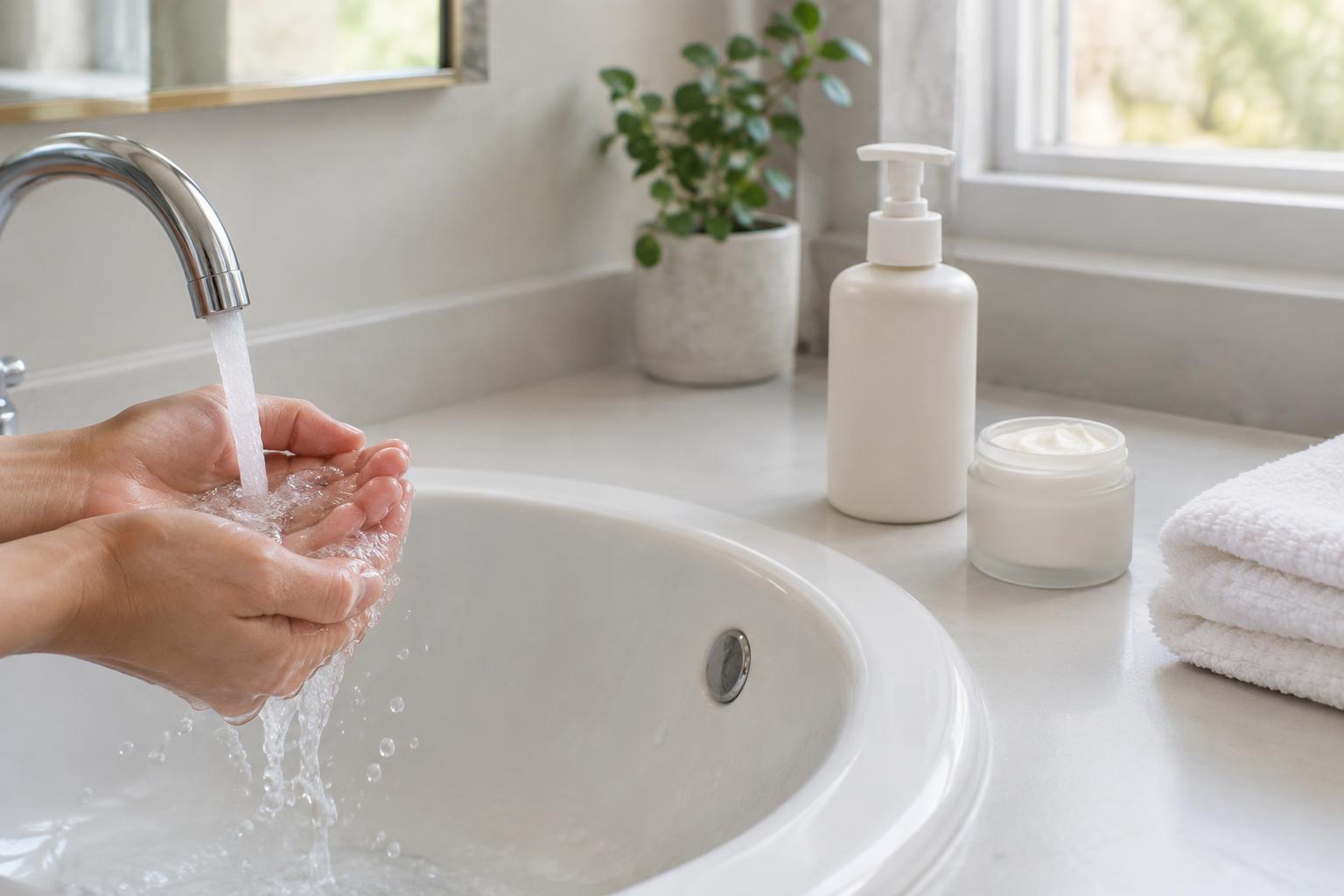
Start with clean hands and a fresh, soft cotton pad or reusable cloth. Keep remover out of the eye itself, and avoid pulling at the eyelid or scrubbing the lash line. If you wear contact lenses, follow your usual lens-care instructions when deciding whether to remove them first. Taking an extra moment to prepare can make the rest of the process easier.
Choose a remover that suits the makeup
For light shadow and non-waterproof mascara, a gentle eye makeup remover or micellar water may be enough. Long-wearing liner and waterproof mascara often need a remover designed for those formulas, such as a dual-phase product that combines water-based and oil-based components. Using a more suitable remover may reduce the urge to rub, though individual comfort varies.
If a product regularly leaves the area stinging or feeling dry, it may not be a good fit for you. Fragrance, texture, and the amount of residue left behind can all affect how pleasant a remover feels. Check the label for directions, especially around eye use. A facial cleanser that works well on your cheeks is not necessarily the best choice for removing makeup close to your lashes.
Let the product do the work
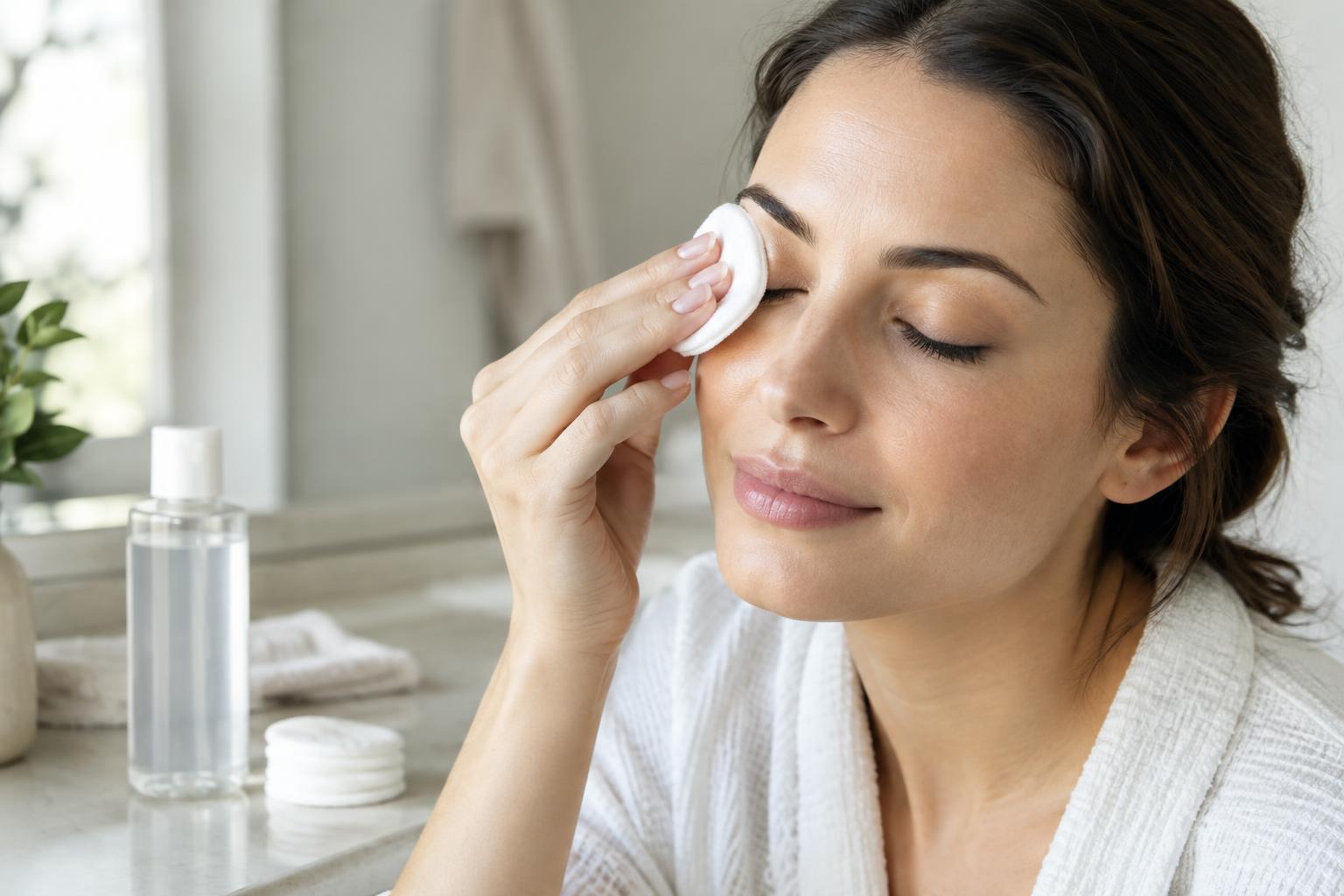
Apply enough remover to dampen a pad without making it drip. Close one eye, place the pad over the lid and lashes, and hold it there briefly to soften the makeup. Then sweep gently downward or outward, following the direction of the lashes. Use a clean area of the pad for another pass rather than moving dissolved makeup back across the lid.
For liner close to the lash line, a lightly dampened cotton swab can offer more control than repeated broad wiping. Keep the swab on the skin and lashes rather than pushing it into the eye. If makeup remains, repeat the hold-and-sweep step with a fresh pad. Extra product and a little patience are usually preferable to more pressure, particularly when removing several layers of mascara.
Handle waterproof formulas and lash details patiently
Waterproof makeup can be especially tempting to tug at because it may come away in small pieces. Instead of trying to remove it all at once, hold a remover suited to waterproof makeup against closed lashes, then make several light passes. Work from the base of the lashes toward the tips without pinching or pulling them. Check a mirror afterward for remaining makeup rather than assuming a clean-looking pad means the lash line is clear.
If you use false lashes, follow the adhesive’s removal directions rather than pulling the lash strip away while it is firmly attached. For makeup on the lower lash line, use a fresh corner of the pad and small, controlled movements. These details take a little longer, but they help you avoid repeatedly wiping the entire eye area to reach one stubborn spot.
Finish cleanly, then notice how your skin feels
Some removers leave a film that you may prefer to wash away. If the product directions allow it, follow with a gentle facial cleanser and lukewarm water, keeping your eyes closed while rinsing. Pat the area dry with a clean towel instead of dragging the towel across your lids. If your usual moisturizer is suitable for use near the eyes, apply a small amount without placing it too close to the lash line.
A comfortable routine should leave the area clean without making removal feel like a nightly struggle. Replace dirty pads or cloths as you go, wash reusable cloths regularly, and avoid sharing eye makeup or removal tools. If a product gets into your eye and causes discomfort, rinse with water and stop using it. Persistent or significant irritation is a reason to ask a qualified healthcare professional for guidance.