Why shaving days may call for a simpler routine
Whether you shave facial hair regularly or occasionally remove fine facial hair, the process does more than shorten hair. A blade also passes over the skin’s surface, so products that normally feel comfortable may sting immediately afterward. You do not need an entirely separate collection of skincare products for shaving days, but it helps to think about the order of your steps and how your skin feels.
The goal is to reduce unnecessary friction before shaving and keep the routine straightforward afterward. Pay attention to your own response rather than assuming that every ingredient needs to be avoided. Someone with a comfortable shave may need only their usual moisturizer, while someone who often feels tight or dry may prefer a gentler routine for the rest of the day.
Prepare with gentle cleansing and enough slip
Start with clean skin. A gentle cleanser can remove sunscreen, makeup, and surface buildup without leaving your face feeling stripped. If you have been wearing heavier makeup or water-resistant sunscreen, take the time to remove it before bringing a razor to your skin. There is usually no need to add a scrub or exfoliating cleanser as part of shave preparation.
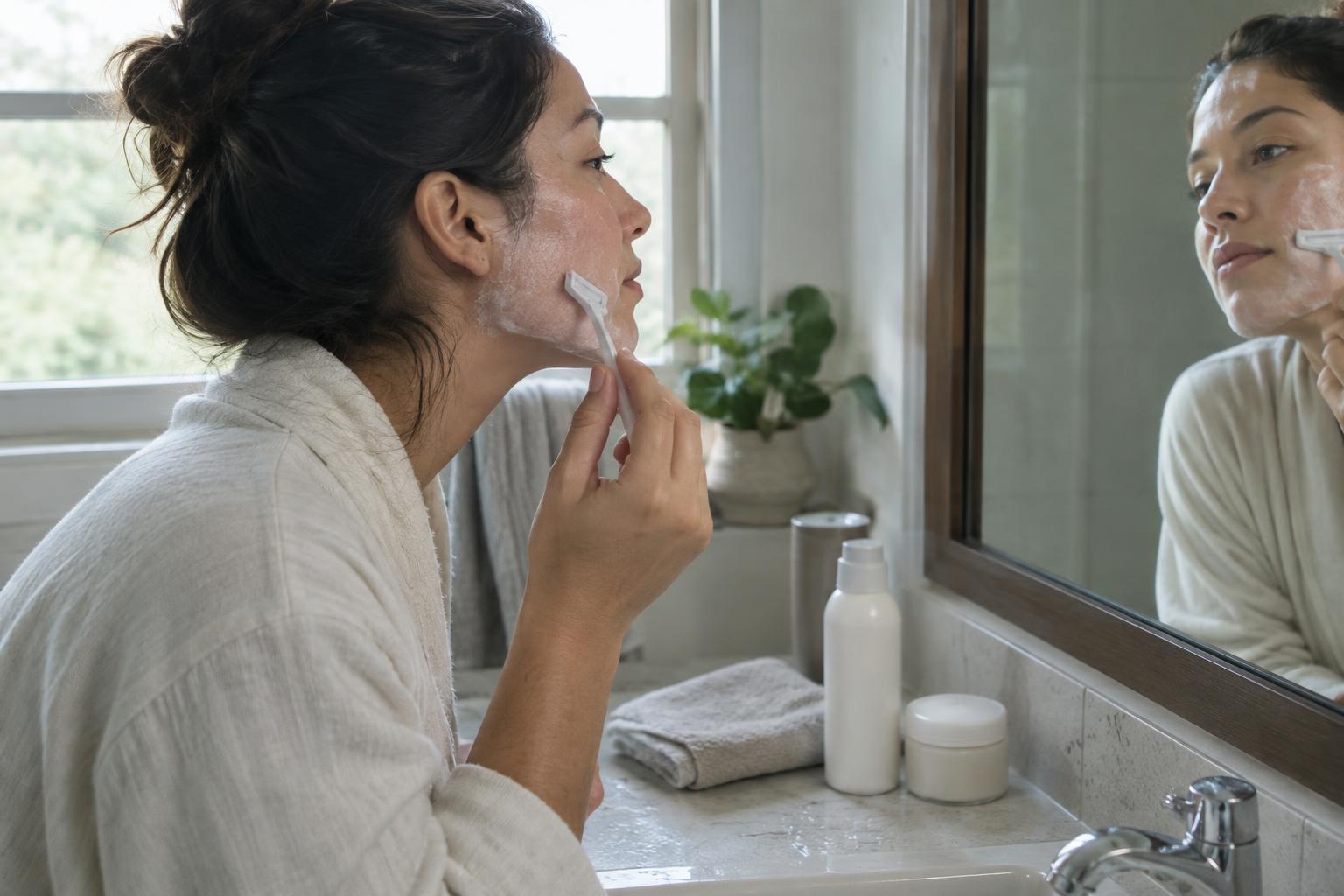
For a manual razor, water and an appropriate shaving cream or gel can help the blade glide. Follow the directions for your razor and shaving product; an electric shaver may have different wet or dry-use requirements. Use a clean tool, avoid pressing hard, and work carefully around uneven areas. If a pass does not remove every hair, repeatedly going over the same spot may create more discomfort than a small amount of remaining stubble.
Shaving direction is partly a matter of preference, tool, and hair texture. Starting with the direction of hair growth is a reasonable gentle approach, particularly if close shaving tends to leave your skin feeling uncomfortable. A very close result is not worth pursuing at the expense of skin that feels scraped or sore.
Keep the immediate post-shave steps uncomplicated
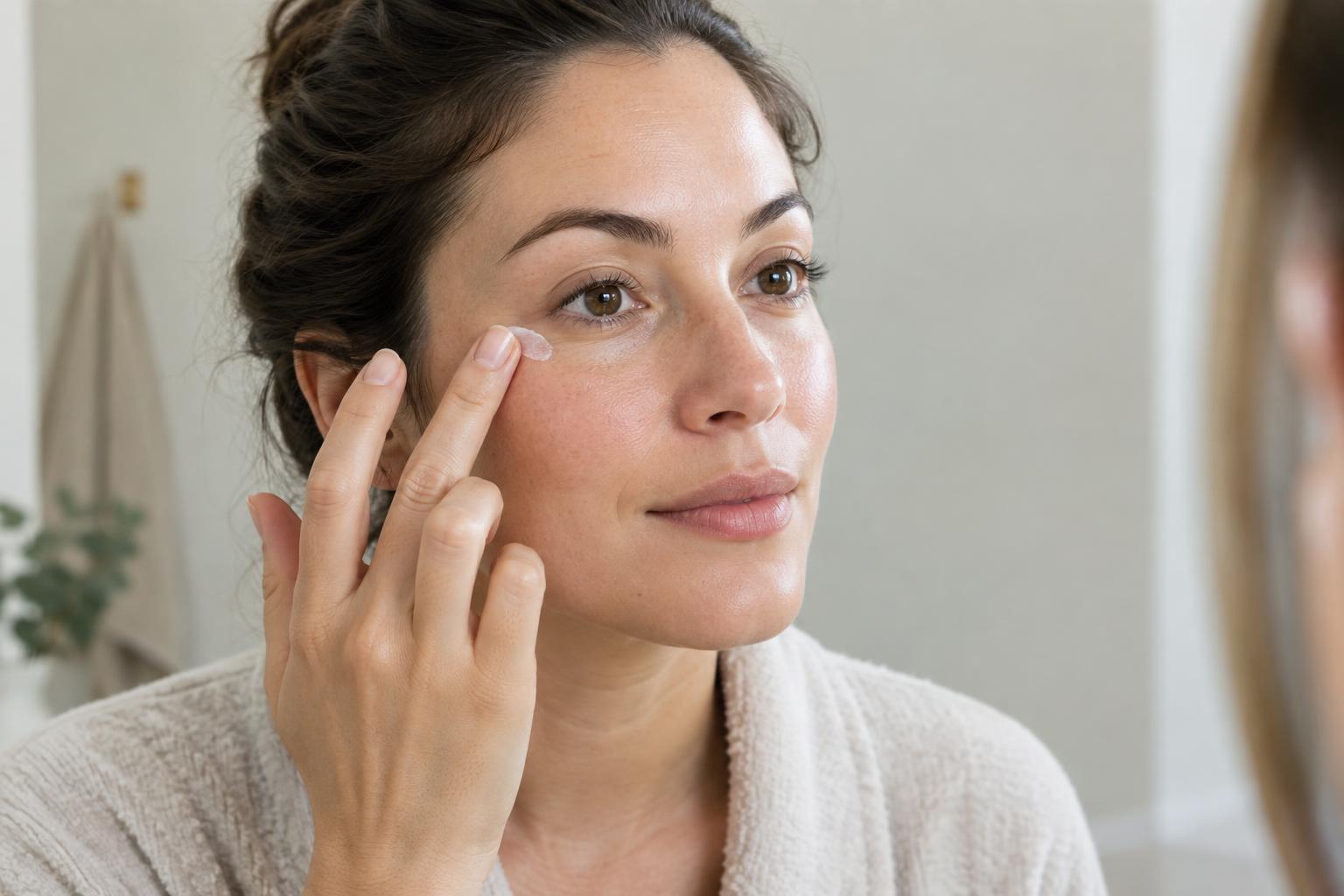
After shaving, rinse away any remaining product and pat your face dry rather than rubbing it with a towel. Apply a moisturizer that you already know feels comfortable on your skin. A light lotion may be enough for some people; others may prefer a richer cream. The useful choice is one that leaves skin feeling comfortable without adding a strong sensation of warmth or stinging.
This is also a good time to reconsider products marketed for their noticeable tingle or strong scent. Fragrance, alcohol-heavy formulas, and potent active products can feel less pleasant just after a shave, even if they work well for you at other times. “Aftershave” is a product category, not a required step: a familiar, comfortable moisturizer can be sufficient.
If you shave in the morning, finish with sunscreen when you will be exposed to daylight, following its label for application and reapplication. Shaving is not a substitute for sun protection, and sunscreen does not need to be harsh or complicated to have a place in the routine.
Decide where exfoliants and other actives fit
Shaving already creates mechanical contact with the skin, so a shave day may not be the best time to stack several exfoliating steps. If your routine includes an exfoliating acid, scrub, or retinoid, consider using it at another time if applying it after shaving tends to sting or leave you feeling dry. You can also keep the post-shave routine to moisturizer and sunscreen and return to other products when your skin feels comfortable.
There is no universal waiting period that works for every face or formula. Notice whether discomfort follows a particular combination, then change one step at a time. That approach makes it easier to tell whether the issue is the shaving technique, the product, or simply too many steps together. If you introduce a new product, try it on a non-shaving day first so you are not judging it against freshly shaved skin.
Build a routine you can repeat comfortably
A workable shaving-day routine might be gentle cleanse, shave with adequate slip, rinse, moisturize, and apply sunscreen if it is daytime. On days you do not shave, you can follow your usual routine according to how your skin feels. Keeping the basics consistent makes it easier to spot which changes help.
Also consider the tool itself. Clean it according to its instructions and replace blades or shaving heads when they no longer perform well. If a method repeatedly leaves you uncomfortable, adjusting the pressure, number of passes, or type of tool may be more useful than buying another skincare product. Persistent or significant discomfort deserves advice from a qualified healthcare professional rather than an ever-longer routine.