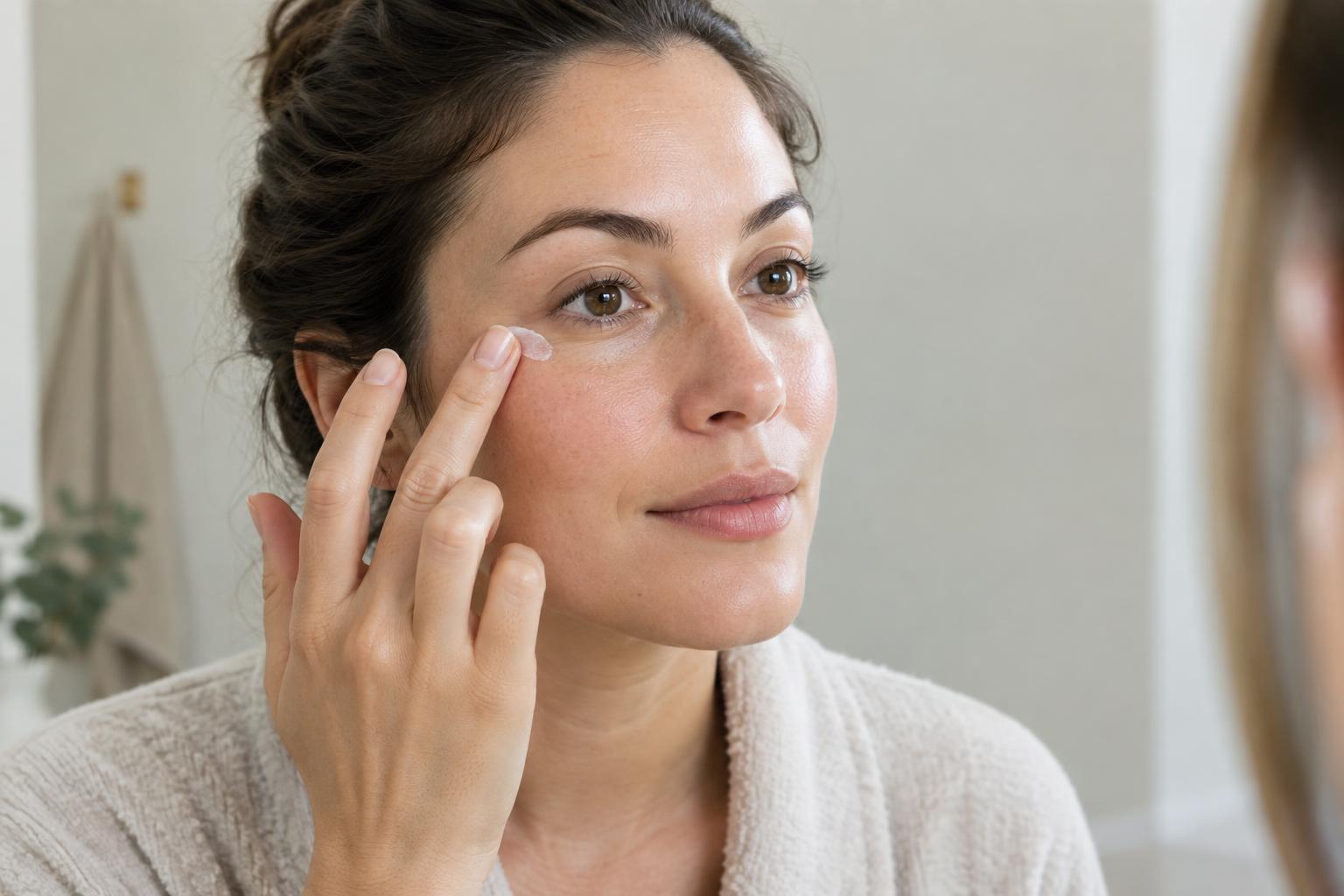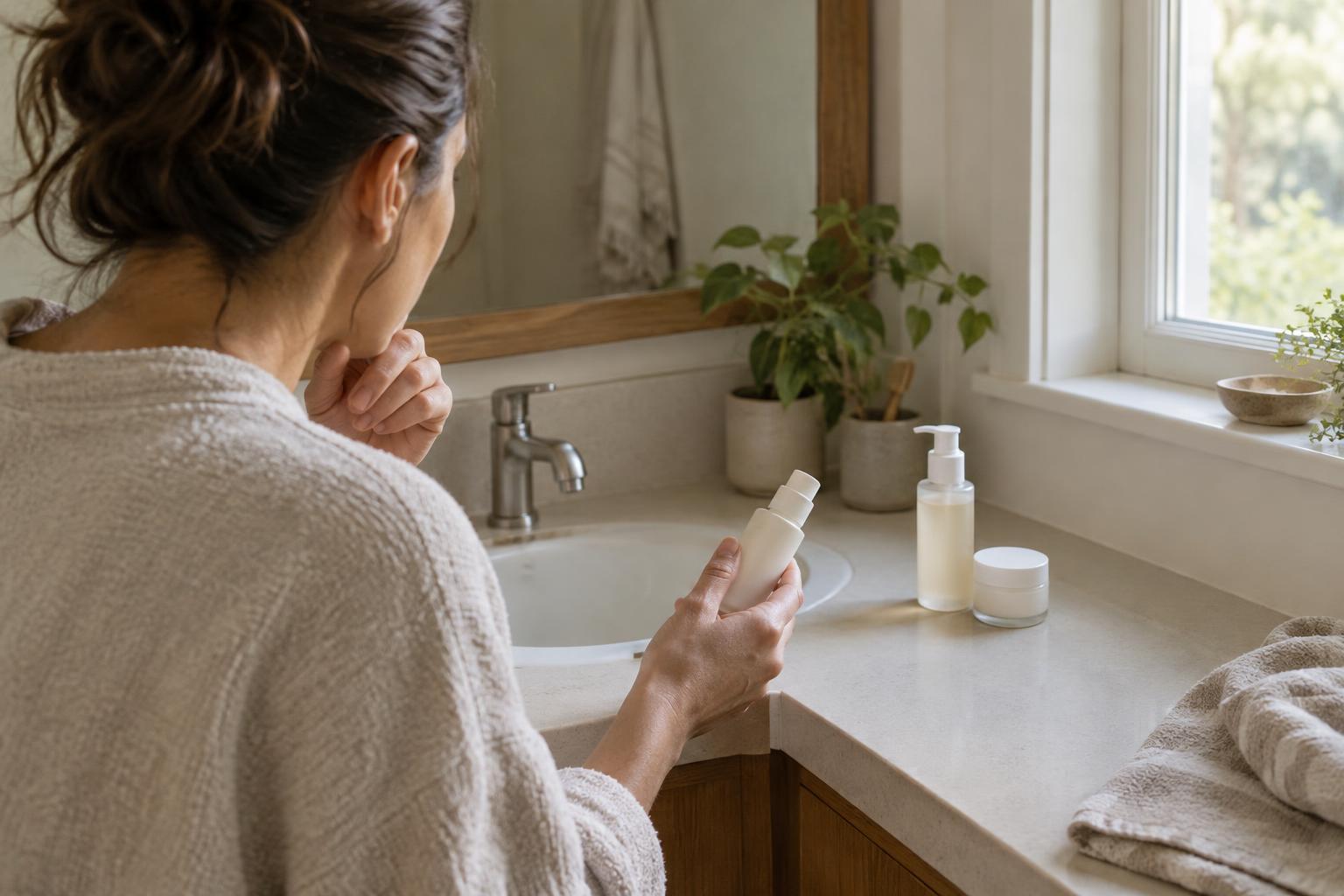
Start with the job you want your routine to do
Before deciding whether a routine works, define what “working” means to you. Your aim might be to remove makeup comfortably, keep your skin feeling moisturized, or make makeup application easier. Those are more useful benchmarks than a vague goal such as “better skin.” Write down one or two priorities and look at each step in relation to them. If you cannot explain why a product is there, it may be worth questioning whether it earns its place.
Separate the routine’s basic jobs from optional extras. Cleansing, moisturizing, and daytime sun protection can each serve a distinct purpose; additional products should have a clear role rather than being included because a trend suggests they are essential. The best routine for your goals may be a short one, even if you enjoy learning about ingredients and trying new textures.
Look for patterns, not a perfect day
Skin can look or feel different from one day to the next. Weather, indoor heating, makeup, and changes in habits can all affect your impression of a product. Instead of judging a routine after one application, notice how it fits into ordinary days. Does your skin generally feel comfortable after cleansing? Does your moisturizer leave it feeling sufficiently hydrated for your preferences? Does makeup sit the way you want it to?
A simple note can help you avoid relying on memory. Record which products you used, any noticeable discomfort, and whether the routine met your original goals. You do not need a detailed diary or a numerical score. The point is to spot repeated experiences, not to inspect your skin for flaws. If you change several products at once, it becomes harder to tell which change made a difference.
Treat comfort as useful feedback
A routine should be reasonably comfortable to use. Pay attention to persistent tightness after cleansing, a product that repeatedly stings, or layers that leave you feeling greasy or sticky in a way you dislike. These observations do not tell you exactly why something is happening, but they are valid reasons to reassess a step. More products and stronger-feeling products are not automatically more effective.
Texture and application matter, too. A moisturizer you dislike touching or a sunscreen you avoid wearing because it feels unpleasant is unlikely to support a consistent routine. If a product seems to cause significant or ongoing discomfort, stop using it and consider seeking guidance from a qualified healthcare professional. You do not have to keep using an uncomfortable product to justify its purchase.
Check the cost in time, money, and effort
A routine can meet a cosmetic goal yet still be a poor fit for your life. Count the steps you actually enjoy and can repeat, rather than the steps you intended to do. Consider whether products are easy to apply in the right order, whether their textures layer comfortably, and whether replacing them fits your budget. A routine that depends on constant effort may be less useful to you than a simpler one you can maintain.
Look for overlap. Two products may both mainly moisturize, for example, without giving you a meaningful reason to use both. Finishing or replacing a product is a good opportunity to ask whether you missed it when it was absent. You can also keep separate versions of a routine for different circumstances, such as a brief everyday routine and a more leisurely one when you want it.
Make one considered change at a time
If your routine is meeting your goals, feels comfortable, and fits your schedule, there is no need to change it simply because a new product attracts attention. If something is not working, choose the smallest useful adjustment. You might use less of a product, switch to a texture you prefer, or remove a step whose purpose is unclear. Give yourself enough ordinary use to judge that change without expecting every day to look identical.
When you evaluate product claims, translate broad promises into questions you can answer for yourself: What is this product meant to do in my routine? How would I notice that benefit? Is the result worth the price and effort? A routine is worth continuing when its benefits are meaningful to you—not when it contains the most steps or follows someone else’s ideal.