Start with the job of each layer
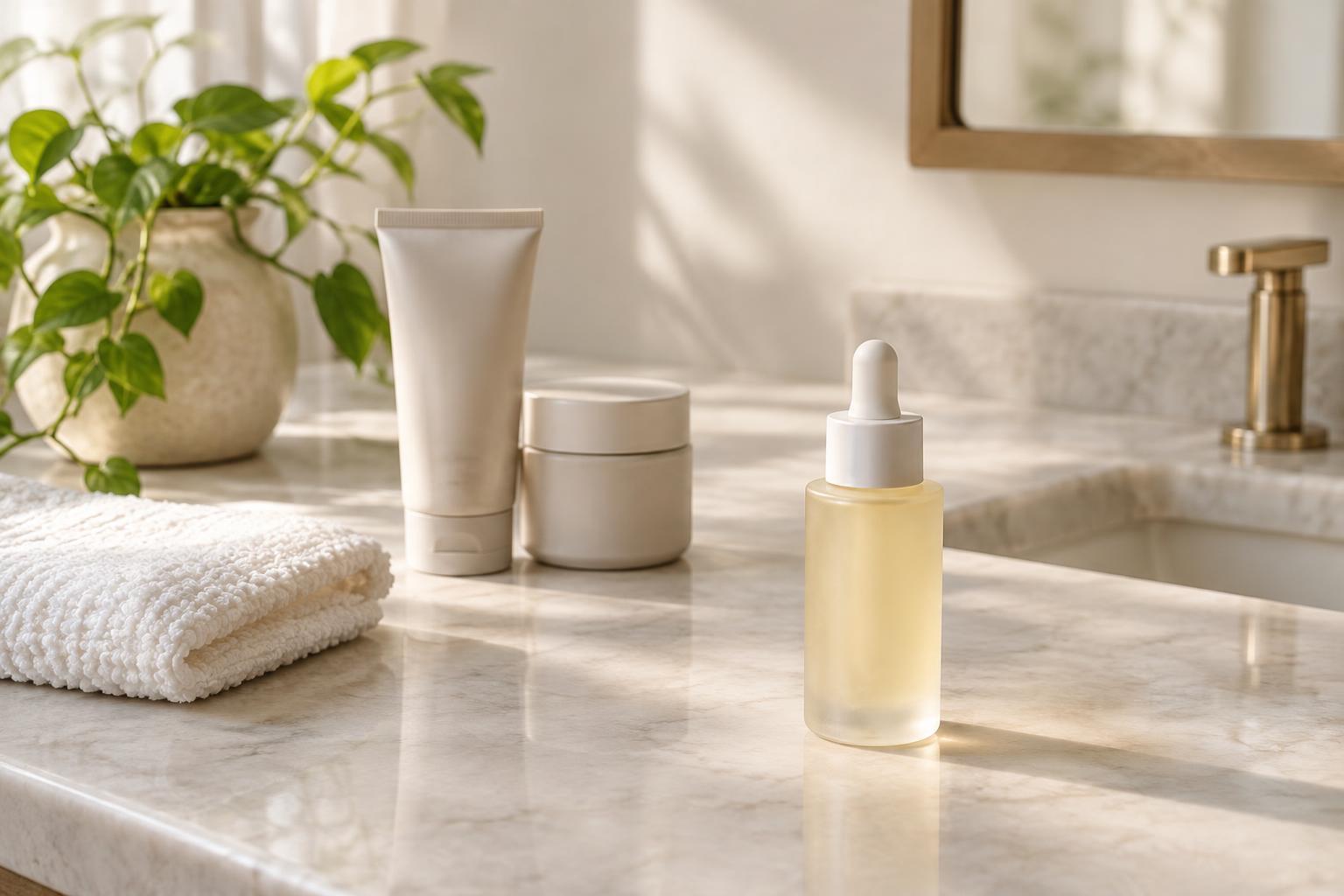
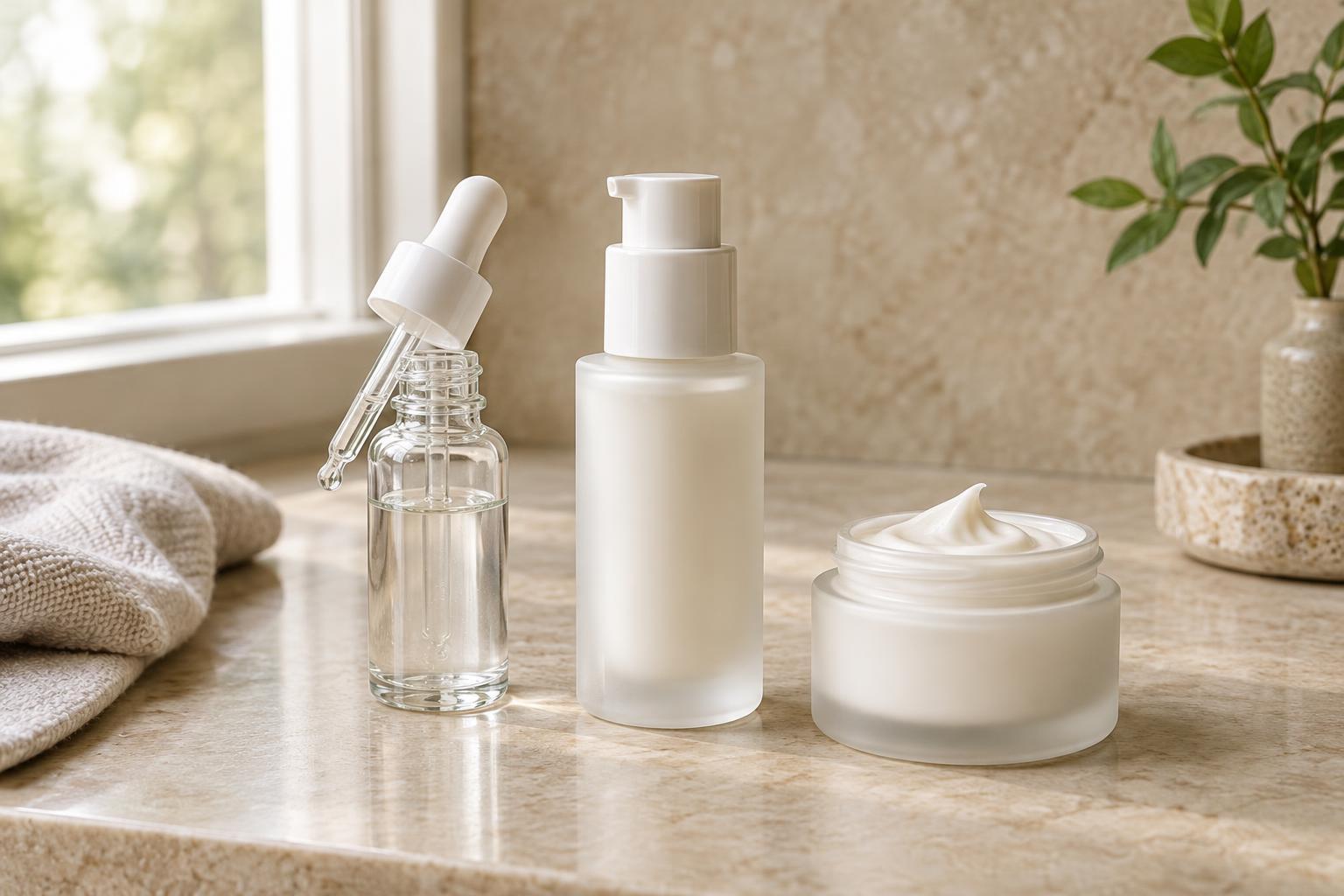
Layering skincare is less about following a rigid sequence and more about giving each product a chance to spread comfortably. A watery serum is usually a light liquid or gel designed to deliver particular ingredients. A lotion is generally a fluid moisturizer, while a cream is typically richer and leaves a more noticeable protective feel. These names are not standardized across all products, so texture and the directions on the package are more useful than the name alone.
A practical starting order is cleanser, watery serum, lotion, then cream. That moves from lighter textures to richer ones and often makes each layer easier to apply evenly. It does not mean every routine needs all three. If a lotion leaves your skin comfortable, a separate cream may add little; if your cream provides what you want from a moisturizer, you may not need a lotion beneath it.
Apply watery products without overloading your skin
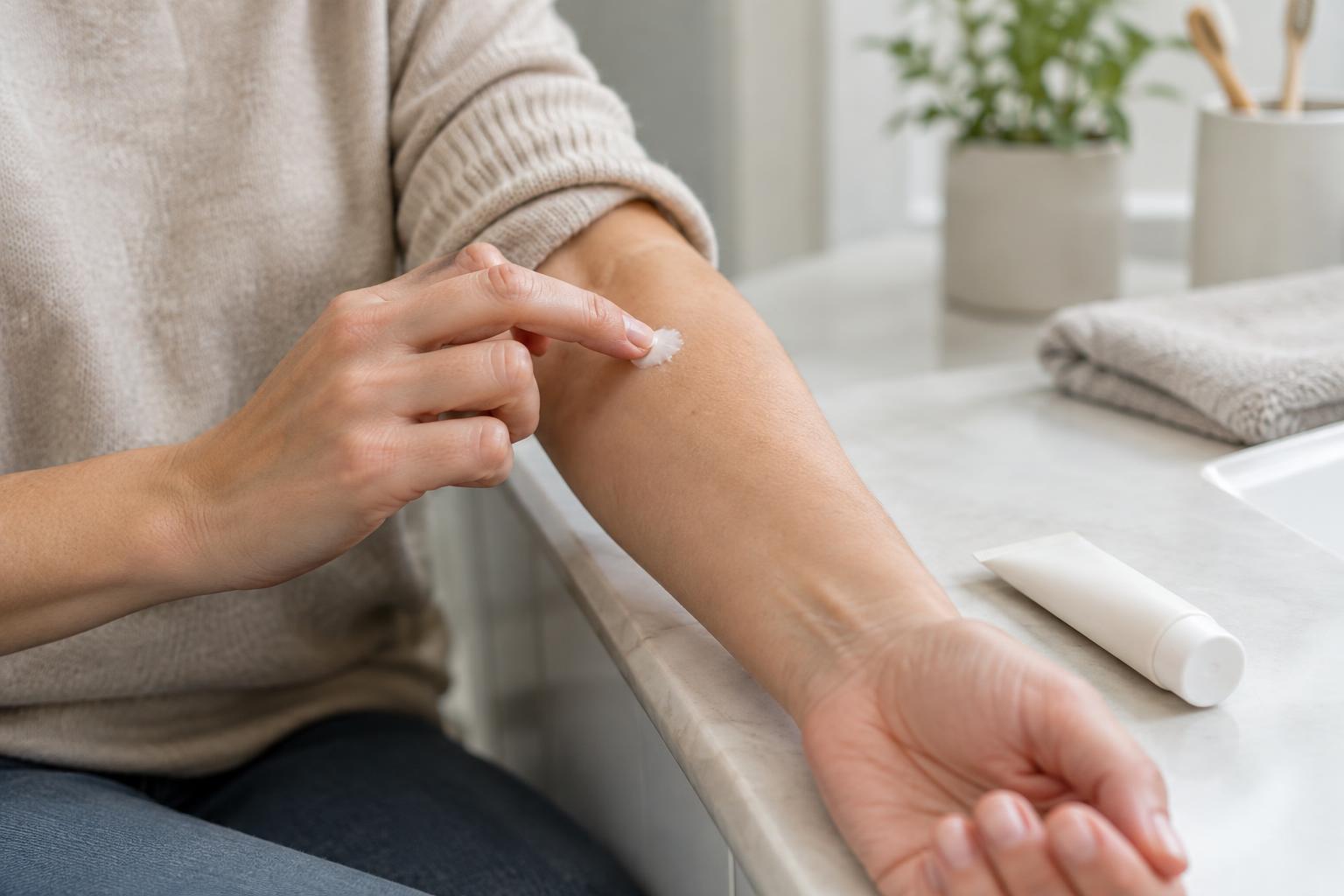
After cleansing, gently remove excess water so products do not immediately run off your face. Some watery serums spread well on slightly damp skin, but follow the product’s directions if they specify dry skin. Dispense a modest amount, spread it over the areas you intend to cover and avoid scrubbing it in. Adding more product does not necessarily improve how a formula performs, and excess liquid can make later layers feel sticky.
If you use more than one serum, there is no universal rule that can determine their order from the ingredient list alone. Try applying the thinner, faster-spreading formula first, then the thicker one. Consider whether both earn a place in your routine: overlapping products can make it harder to tell which one you enjoy using or which one is causing discomfort. Products containing ingredients that your skin finds irritating may also be easier to use when introduced one at a time.
Choose a lotion, a cream or both
A lotion can add moisture without the heavier finish of a cream. A cream may feel more comfortable when your skin seems dry or when the air feels less humid. If you want both, apply the lotion first and the cream afterward. The cream does not need to form a thick coat; a thin, even layer may be enough to give the finish you want.
You can also adjust by area rather than applying every product everywhere. For example, a lotion might feel sufficient across most of your face, while a little cream feels useful on areas that tend to feel tight. This is a preference-based approach, not a requirement. Pay attention to how your skin feels over the day rather than assuming a longer routine is automatically a better one.
Give layers room to settle, not a strict timer
You usually do not need to wait a fixed number of minutes between a serum, lotion and cream. Let each product spread and settle enough that the next one does not simply slide around. If a layer remains very wet or tacky, pause briefly or use less the next time. Applying a cream over a still-damp serum is often workable; rubbing vigorously over several wet layers is more likely to create an uneven finish.
Pilling, or little rolls of product that appear as you apply another layer, does not always mean the ingredients are incompatible. It can happen when too much product is used, layers have not settled or repeated rubbing lifts a film from the skin’s surface. Try smaller amounts and press or smooth the next product on gently. If pilling continues, simplify the combination and test the products separately to see which pairing is difficult to wear.
Finish the routine with its purpose in mind
In the morning, apply sunscreen after your skincare layers, following its label for the amount and application. Let it form an even layer before putting on makeup. Treat sunscreen as its own step rather than assuming a serum, lotion or cream provides sun protection unless it is labeled for that purpose. If a rich cream makes sunscreen or makeup feel slippery, try less cream or use a lighter moisturizer underneath.
At night, you can use the same basic order without the sunscreen step. You do not have to repeat every morning product in the evening. Keep a routine manageable enough that you can use it consistently, and change one thing at a time when a combination feels uncomfortable or looks uneven. The most useful layering order is one that respects product directions, suits the textures you own and leaves your skin feeling comfortable.