What each product adds to a routine
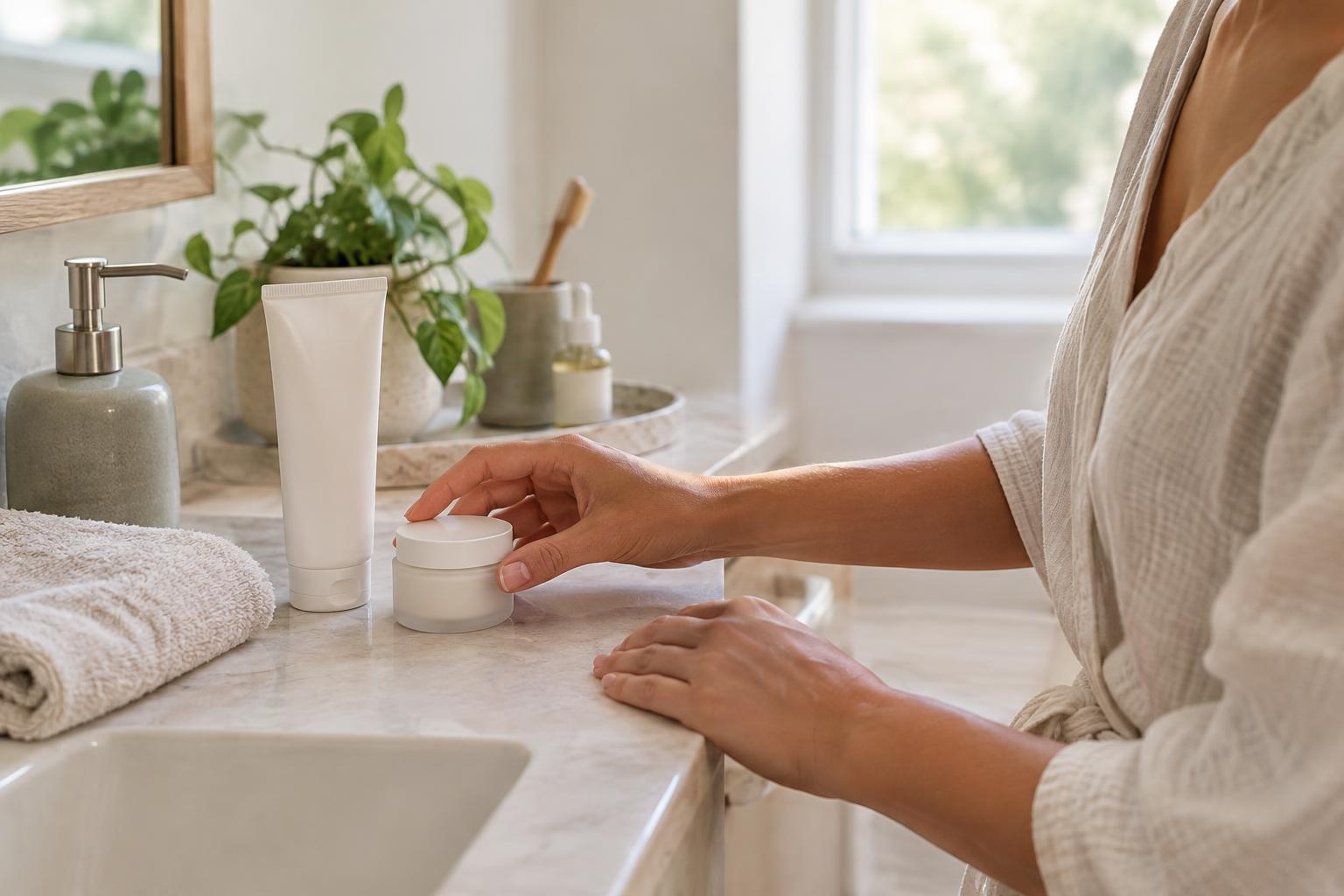
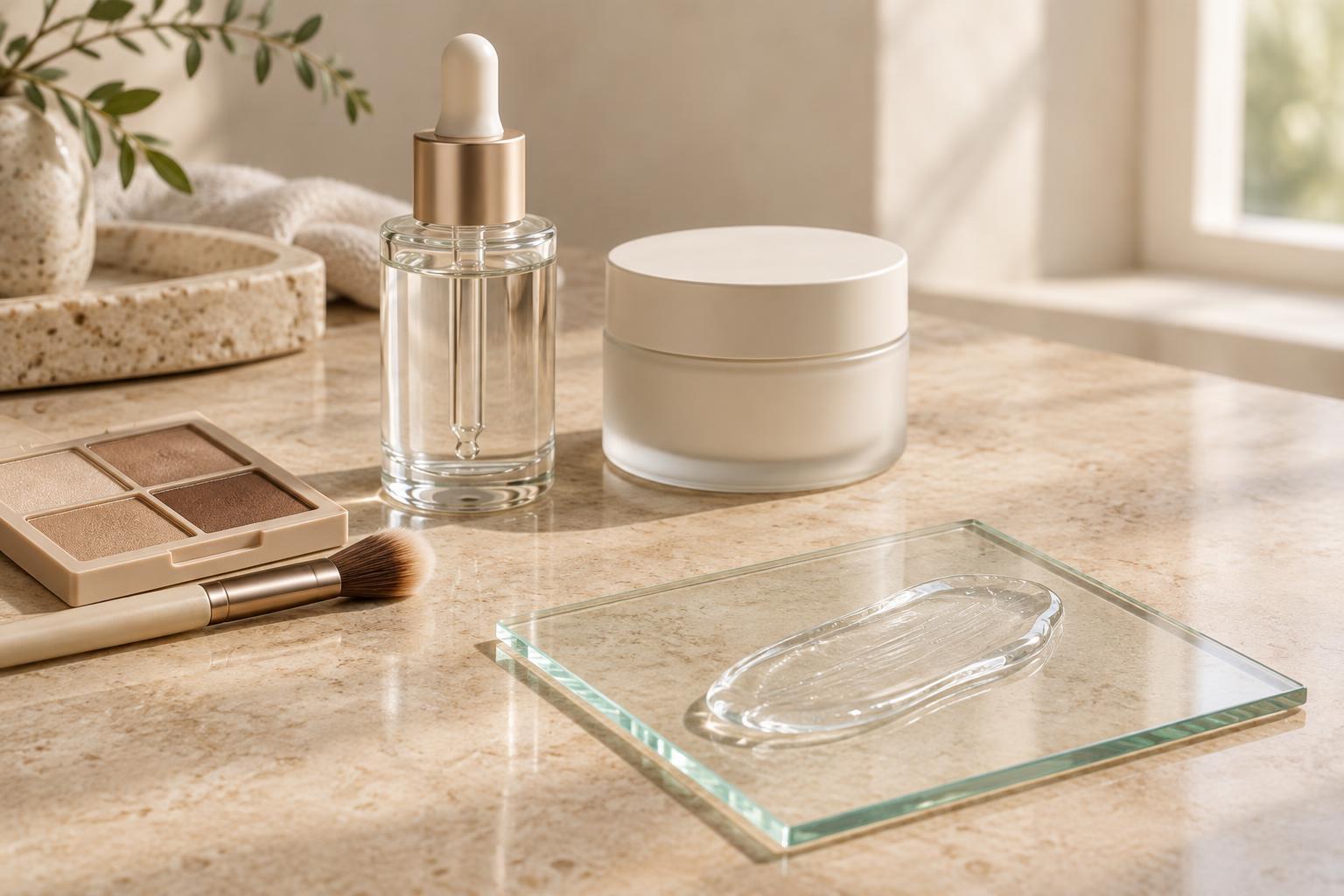
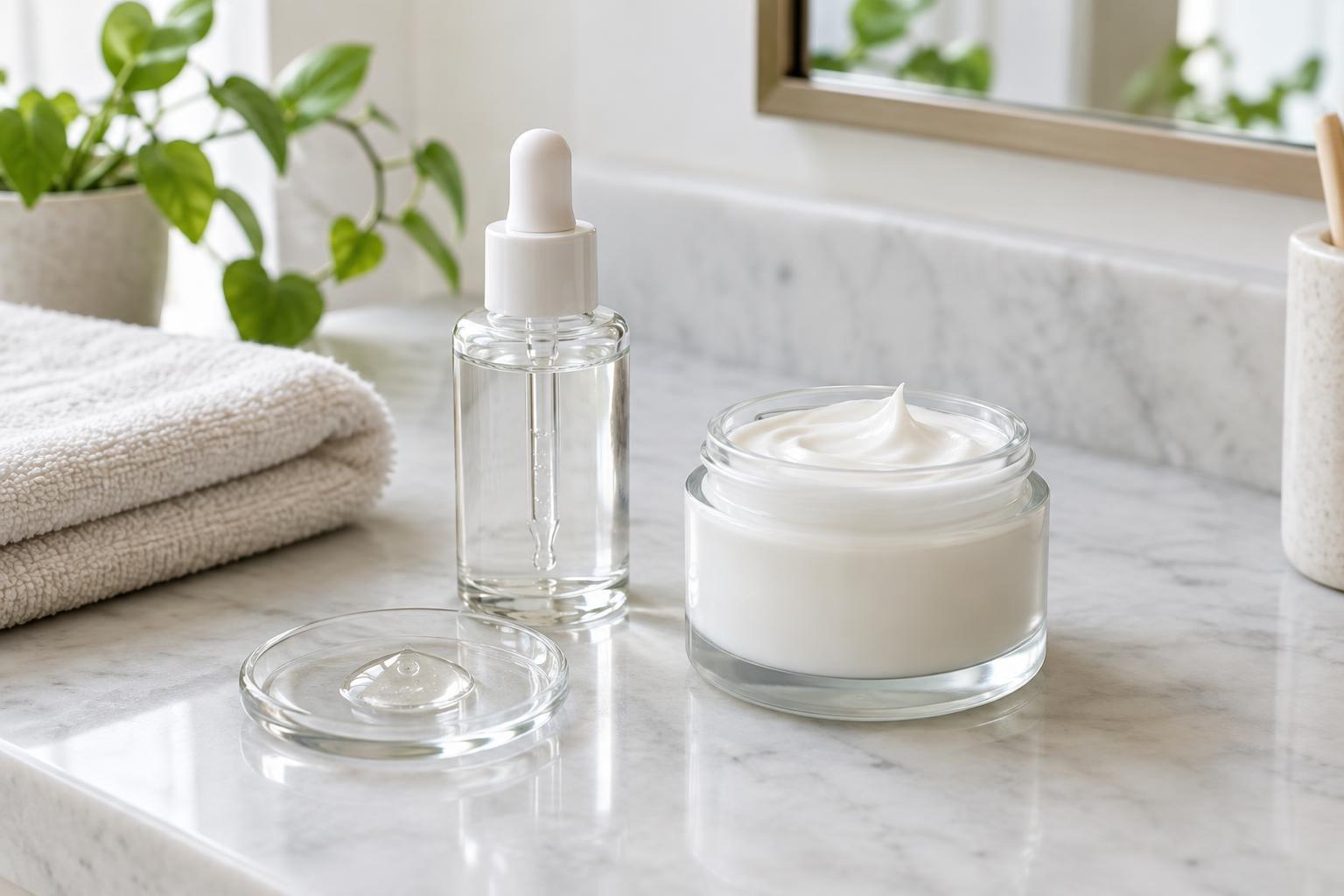
A hydrating serum is usually a lightweight product designed to help skin feel more hydrated. It may contain ingredients such as glycerin or hyaluronic acid, which attract and hold water. A moisturizer often combines water-attracting ingredients with ingredients that soften skin and help reduce moisture loss. These descriptions are useful starting points, but texture and ingredient lists vary: a rich serum may feel more substantial than a light moisturizer.
The products are not an automatic pair. Many moisturizers already contain hydrating ingredients, so adding a serum may make little noticeable difference. If your skin feels comfortable with your current moisturizer, there is no need to add another step. A serum may be worth trying if you want a lighter layer of hydration beneath a moisturizer, particularly when you prefer to adjust the feel of your routine without switching your main cream or lotion.
Which one goes on first?
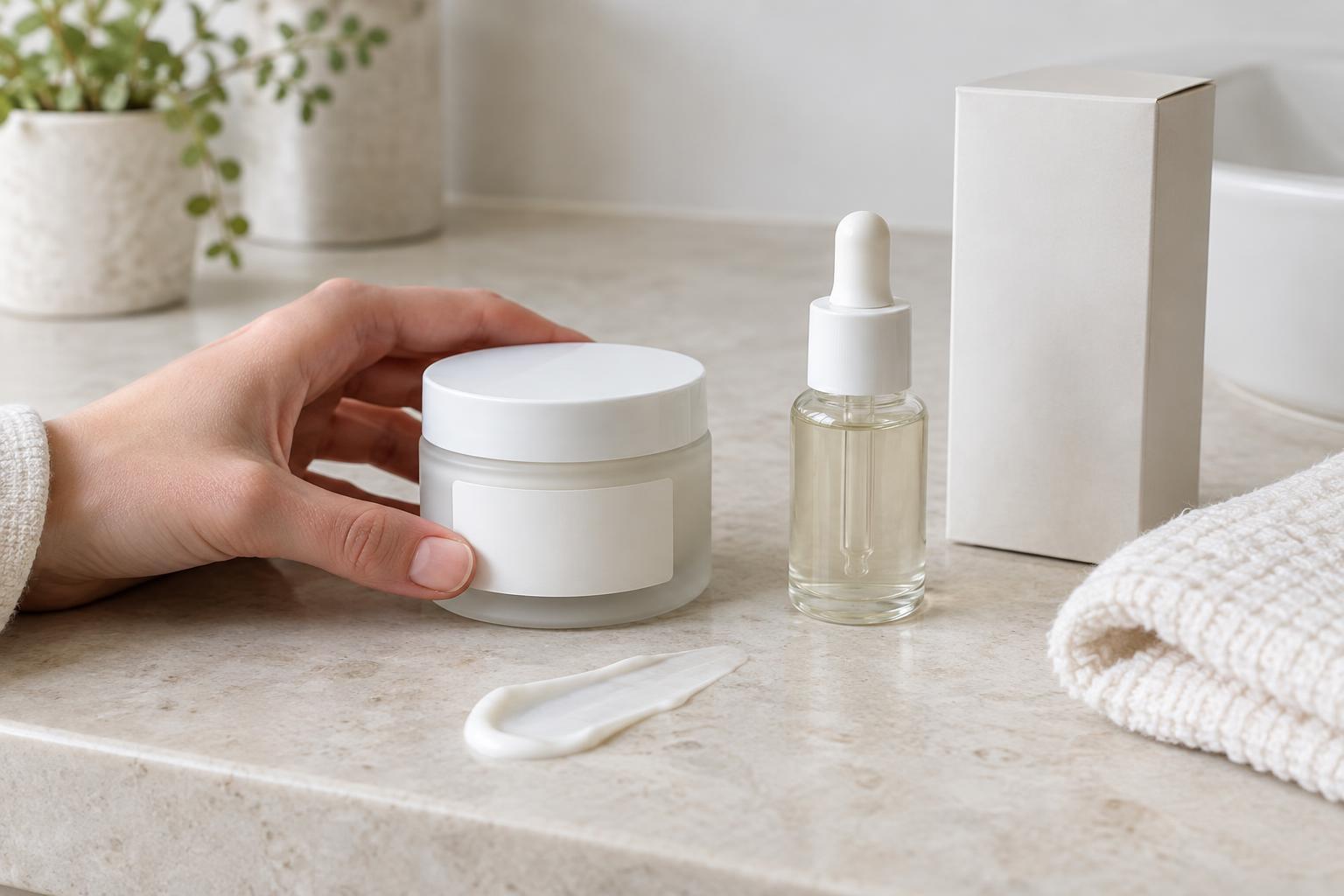
In a simple routine, cleanse, apply the hydrating serum, then apply moisturizer. This order is practical because many serums spread easily on clean skin, while a moisturizer forms the more substantial final layer. You do not have to wait for the serum to dry completely. Applying moisturizer while your skin still feels slightly damp or tacky can make the two steps easier to spread.
Use a modest amount of each product rather than assuming more will provide better results. A few drops of serum may be enough for your face, although packaging and texture differ. Spread it gently, then apply enough moisturizer to leave your skin feeling comfortable without an unwanted heavy coating. Avoid rubbing aggressively to force a product to absorb.
Texture matters more than a rigid rule. If a product labeled “serum” is unusually thick, follow its directions and notice how it behaves with your moisturizer. When two products do not layer comfortably, you can try using them at different times instead. In the morning, leave room in your routine for sunscreen as directed on its label.
How to decide whether both steps are useful
Judge the combination by how it feels over several ordinary uses, not by an immediate dewy appearance. Skin that feels comfortable after cleansing and remains comfortable with moisturizer alone may not need a separate serum. If the serum-and-moisturizer combination feels pleasant without leaving excess residue, it may be a useful preference rather than a necessity.
If your face feels sticky, try less serum before buying a different product. You can also apply it only to areas where you prefer the added hydration. If your skin feels coated, compare the combination with moisturizer alone for a few uses. Changing one step at a time makes it easier to tell which product affects the feel of your routine.
Read the full label if you want a straightforward hydrating product. A serum can contain fragrance, exfoliating ingredients or other additions alongside its hydrating ingredients. Those extras may matter to your preferences even when the front of the package emphasizes hydration. Introduce an unfamiliar product gradually, and stop using it if it repeatedly causes discomfort.
What to do when products pill or clash
Pilling is when products form small rolls or flakes as you spread another layer over them. It does not necessarily mean either product is ineffective. Applying too much, rubbing repeatedly or layering products that do not sit well together can all contribute. Start by using thinner layers and letting the first layer settle briefly before applying the next.
If that does not help, try patting or smoothing on moisturizer with fewer passes. You might also use the serum at night and moisturizer alone in the morning, especially if you want a simpler base for sunscreen or makeup. There is no benefit to keeping an extra step that makes your routine harder to use. The most workable combination is one that feels comfortable and fits consistently into your day.