Start with what the claim actually says
Skin’s outermost layer helps limit moisture loss and separates the body from the surrounding environment. In cosmetic advertising, “barrier-supporting” usually points to a product’s role in keeping skin comfortable and moisturized. It is a broad description, not a precise measure of what the product will do for every person. The same phrase might appear on a rich cream, a lightweight lotion or a gentle cleanser, even though those products serve different purposes.
Read the complete claim rather than stopping at the headline. “Helps support the skin barrier by moisturizing” describes a narrower effect than a promise to “repair” a barrier. Look for details about the benefit the brand means: less visible dryness, a softer feel or reduced moisture loss, for example. A statement about appearance or comfort should not be read as a promise to address an underlying skin condition.
Consider the product’s role in a routine
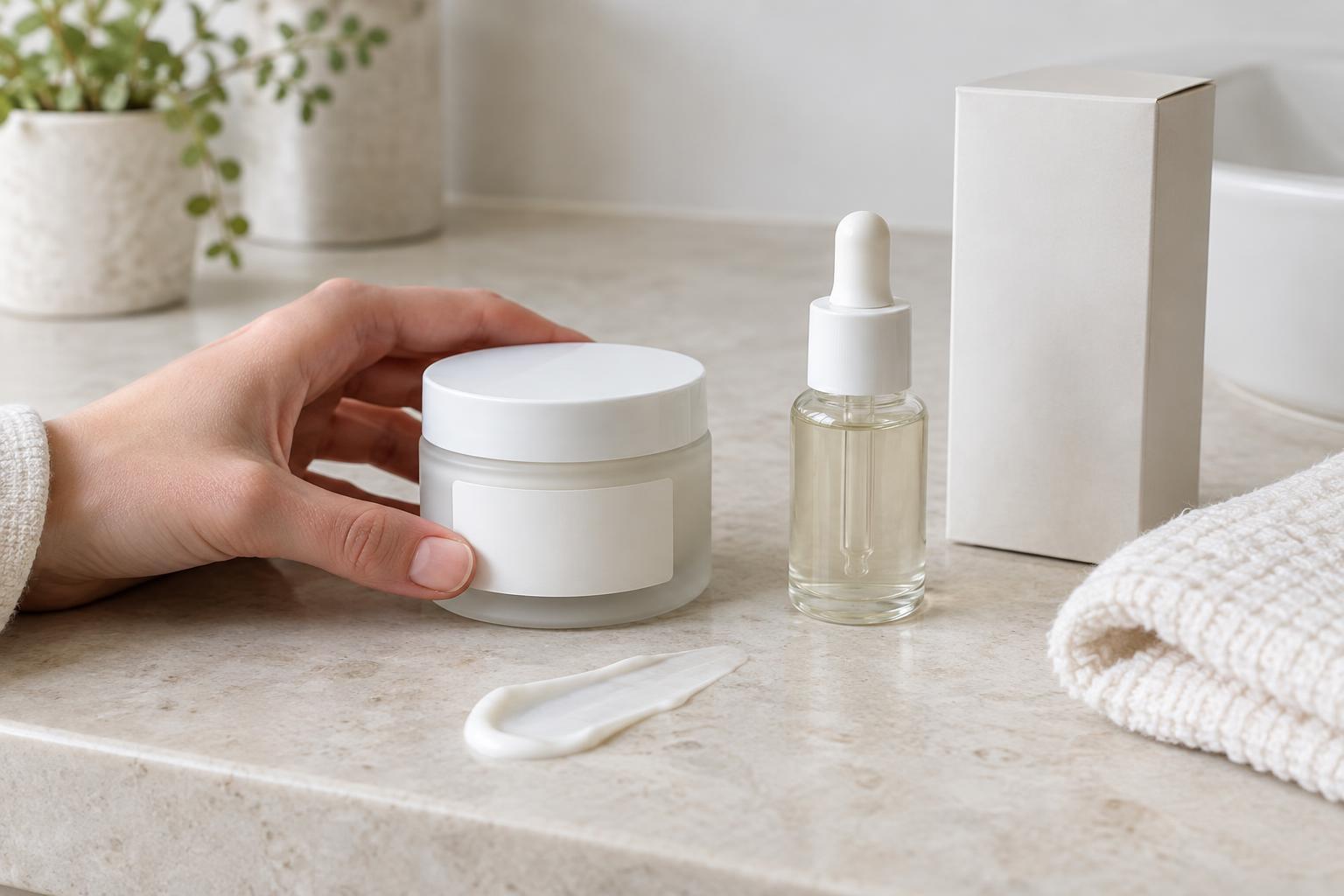
A moisturizer may support skin comfort by combining ingredients that attract water with ingredients that soften the surface or help slow moisture loss. A cleanser may use “barrier-supporting” to suggest that it cleans without leaving skin feeling overly stripped. Neither label tells you on its own how the formula will feel. Texture, the amount used, how often it is applied and what else is in the routine can all affect the experience.
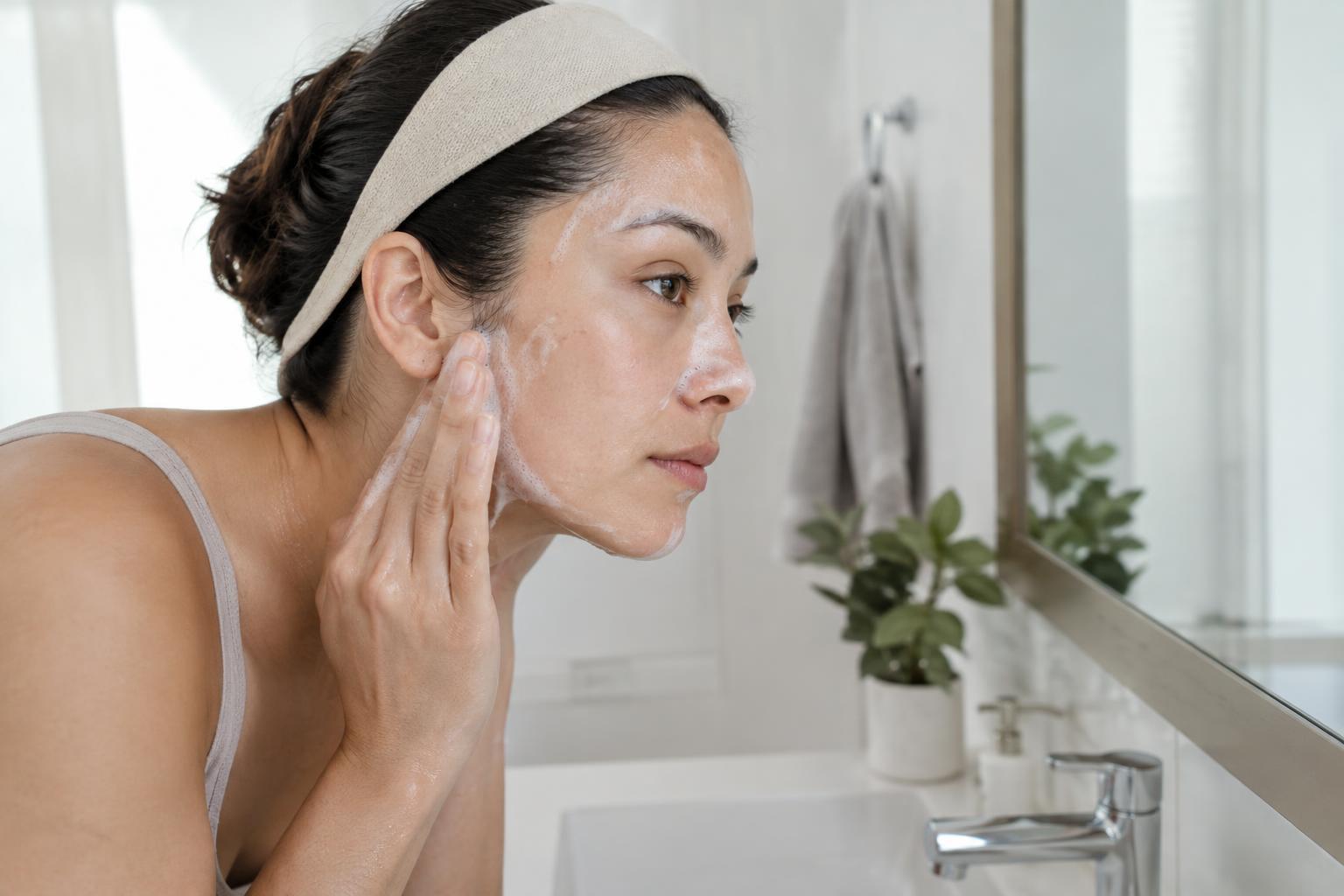
Check the directions for use before comparing products. A cream intended as the last step of a routine and a wash-off cleanser should not be judged by the same expectation of lasting moisture. If your skin feels tight after cleansing, the way you cleanse—including water temperature and how vigorously you rub—may be worth considering alongside the cleanser’s claim. For a leave-on product, think about whether its texture fits your preferences and whether you are likely to use it consistently.
Read ingredients as clues, not guarantees
A barrier-supporting product might highlight glycerin, petrolatum, dimethicone, ceramides or other familiar moisturizing ingredients. These names can offer clues about how a formula is designed: some ingredients help draw in water, while others help reduce the feeling of dryness by forming a protective layer or softening skin. A single highlighted ingredient, however, does not tell you its amount, how the complete formula behaves or whether the finished product will suit you.
Ingredient lists are useful for spotting ingredients you prefer to seek out or avoid, but they are a limited way to rank performance. Two products can feature the same ingredient and still differ in texture, application and overall feel. Packaging language such as “with ceramides” confirms a marketing focus; it does not, by itself, establish that a product performs better than one that makes no barrier claim.
Look for a specific result and a clear basis for it
A useful claim gives you something more concrete to evaluate. Does the label say the product moisturizes for a stated period, or simply that it “supports” the barrier? If the brand describes testing, check whether it measured the finished product, what outcome it measured and when that outcome was assessed. A report that people felt less dry is different from a measured change in moisture loss. Both can be relevant, but they answer different questions.
Finally, keep your expectations proportionate to the wording. “Barrier-supporting” can be a helpful shorthand for a product designed with moisture and comfort in mind, but it is not a universal quality mark or a guarantee against irritation. Compare the specific benefit, product type, directions and evidence you can actually find. If a claim remains vague, it is reasonable to treat it as a description of the product’s intended role rather than a proven result for your skin.