A photo shows an appearance, not its full explanation
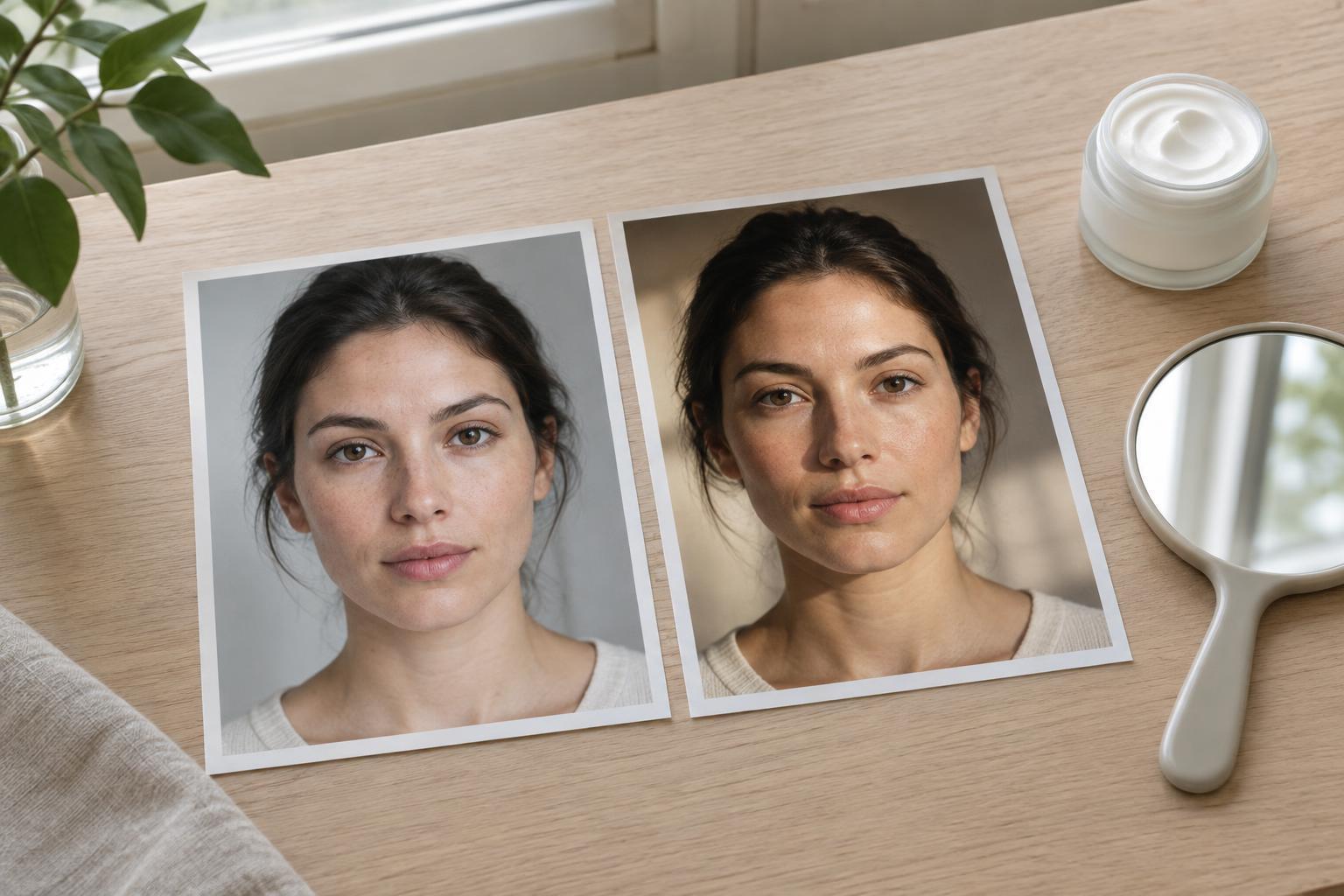
Before-and-after photos make product claims easy to grasp. Two images side by side may appear to show smoother-looking skin, more defined lashes or a change in shine. They can illustrate what someone looked like at two moments. On their own, however, they cannot establish that one product caused the difference.
A person may have changed their cleansing routine, used other products, applied makeup or photographed their face at a different time of day. Even if the featured product contributed to the result, the image does not reveal how much it contributed. Think of the comparison as a prompt for questions, not a guarantee of what will happen on your own skin.
Look for differences in how the photos were made
Lighting can dramatically change the visibility of texture, pores, shadows and shine. Soft, even light may make skin look smoother, while light from the side can emphasize small surface variations. Camera distance, lens choice, angle and facial expression can also change what stands out. A slight turn of the head may alter the apparent depth of a line or the shape of an area being compared.
Check whether both images use similar framing, lighting, background and facial position. For close-ups, ask whether the same area of skin appears at roughly the same size. Also look for changes in focus or image sharpness: a softer after photo can make details harder to see. These clues do not prove that a comparison is misleading, but they help you judge how confidently you can interpret it.
Editing is not always obvious. Cropping, color adjustments and filters may affect the impression an image creates. If a brand explains how photos were captured or says whether they were retouched, that information is useful context. If it does not, avoid assuming the images were produced under identical conditions.
Consider timing and the type of result
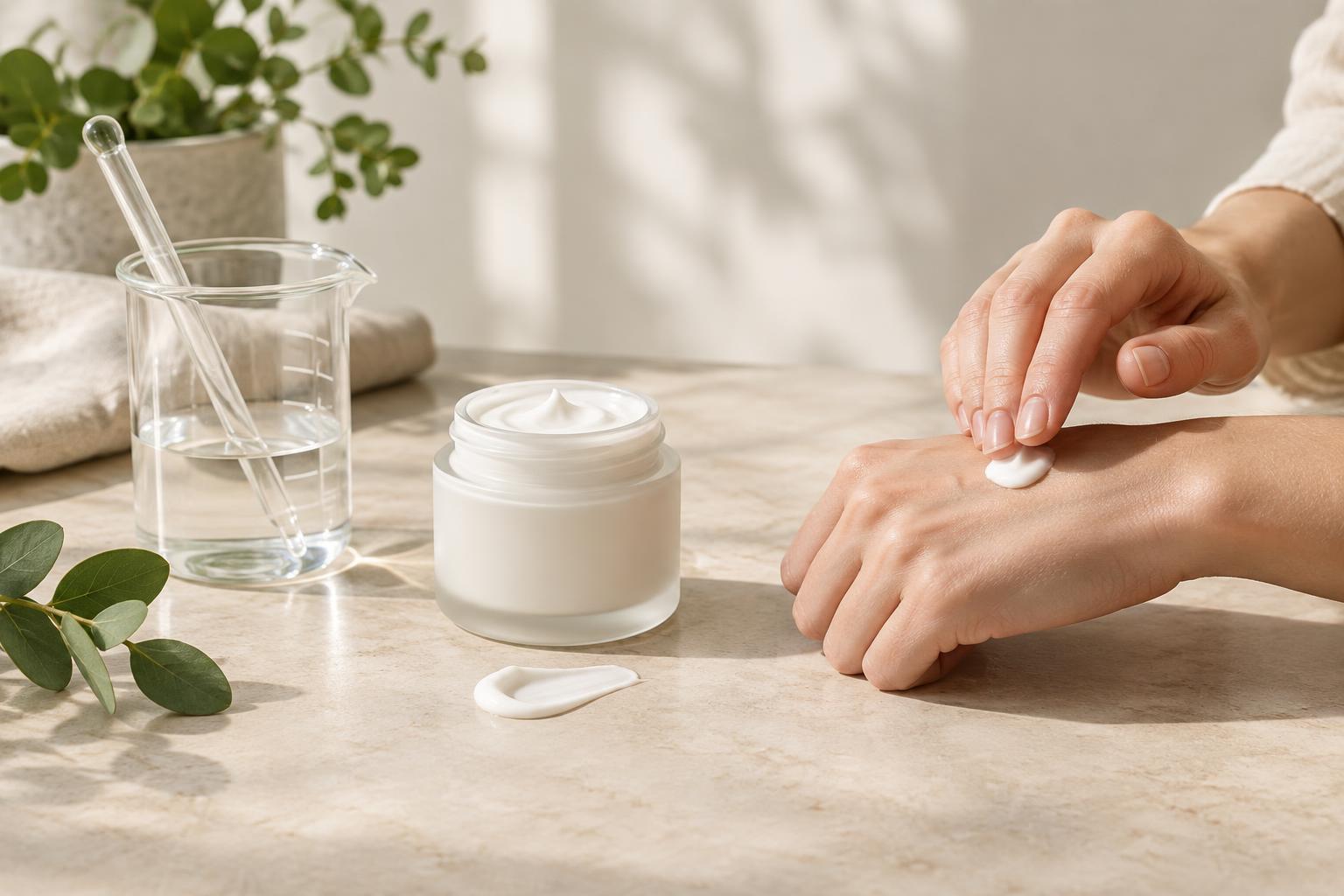
A product can change how skin or makeup looks without permanently changing the feature underneath. A moisturizer may make a dry-looking surface appear more supple shortly after application. A primer may create a smoother-looking base for makeup. A mascara can make lashes appear darker or more prominent while it is being worn. These can be meaningful cosmetic effects, but a photo should make clear whether it shows an immediate appearance change or a result observed after repeated use.
When reviewing a comparison, look for the time between images and whether the product is present in the after photo. Ask whether the person had washed their face, applied makeup or used additional products. An after image taken under different conditions may still show an appealing look; it simply answers a narrower question than “What will this single product do over time?”
One person’s result is not a typical result
Before-and-after photos usually show selected individuals rather than the full range of experiences. Starting appearance matters: a change may be easier to notice on someone with a particular skin tone, texture, amount of dryness or makeup style. Personal preferences matter too. An effect one person considers a major improvement may be subtle or unimportant to someone else.
A strong product page should help you understand the claim in words, not rely entirely on an image. Look for a description of what the product is intended to do, how it was used and when the photos were taken. If a claim sounds broad but the images show only a narrow effect, keep that distinction in mind. Photos of several people can show variety, but they still cannot tell you exactly what result to expect.
Use images as one part of your decision
Start by naming the specific change you see: less visible shine, a more even-looking makeup finish or fuller-looking lashes. Then ask whether the photos are comparable, whether the timing is clear and whether anything besides the featured product could explain the difference. This simple check is more useful than deciding whether an image looks impressive at first glance.
Pair the images with information you can act on, such as the product’s purpose, ingredient list, application directions and compatibility with the rest of your routine. If you try a product yourself, you can make your own comparisons more useful by taking photos in similar lighting, from the same angle and at a consistent point in your routine. Before-and-after pictures can help you notice possibilities; careful context helps you decide how much weight to give them.