Water gives many products their basic form
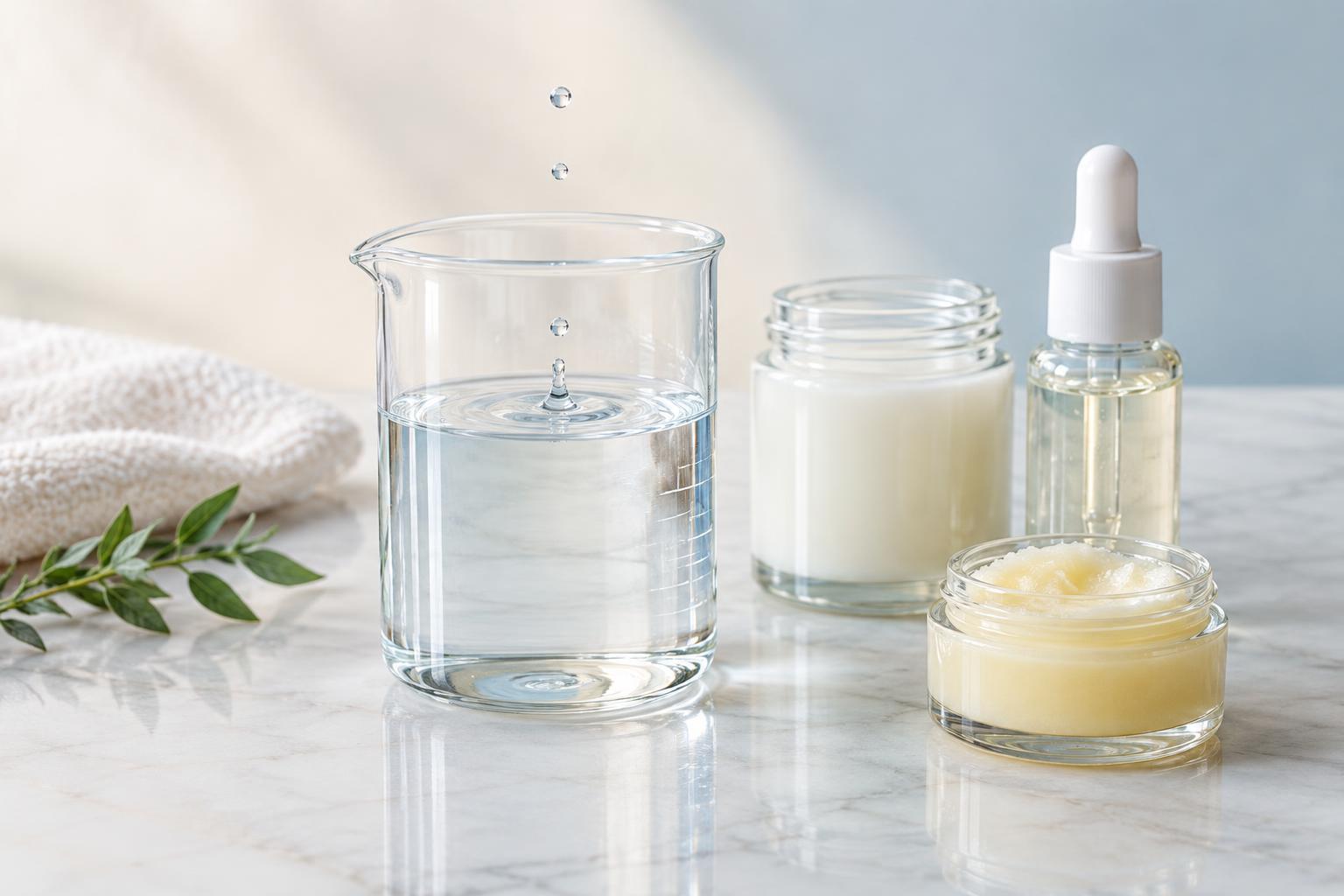
Pick up a cleanser, lotion or serum and you may find Water or Aqua near the start of its ingredient list. Water is often the liquid base that lets other ingredients be mixed, spread and delivered evenly across the skin. It can dissolve water-soluble ingredients, help give a product its texture and make a formula easier to apply. Without it, many familiar gels and lotions would look and feel quite different.
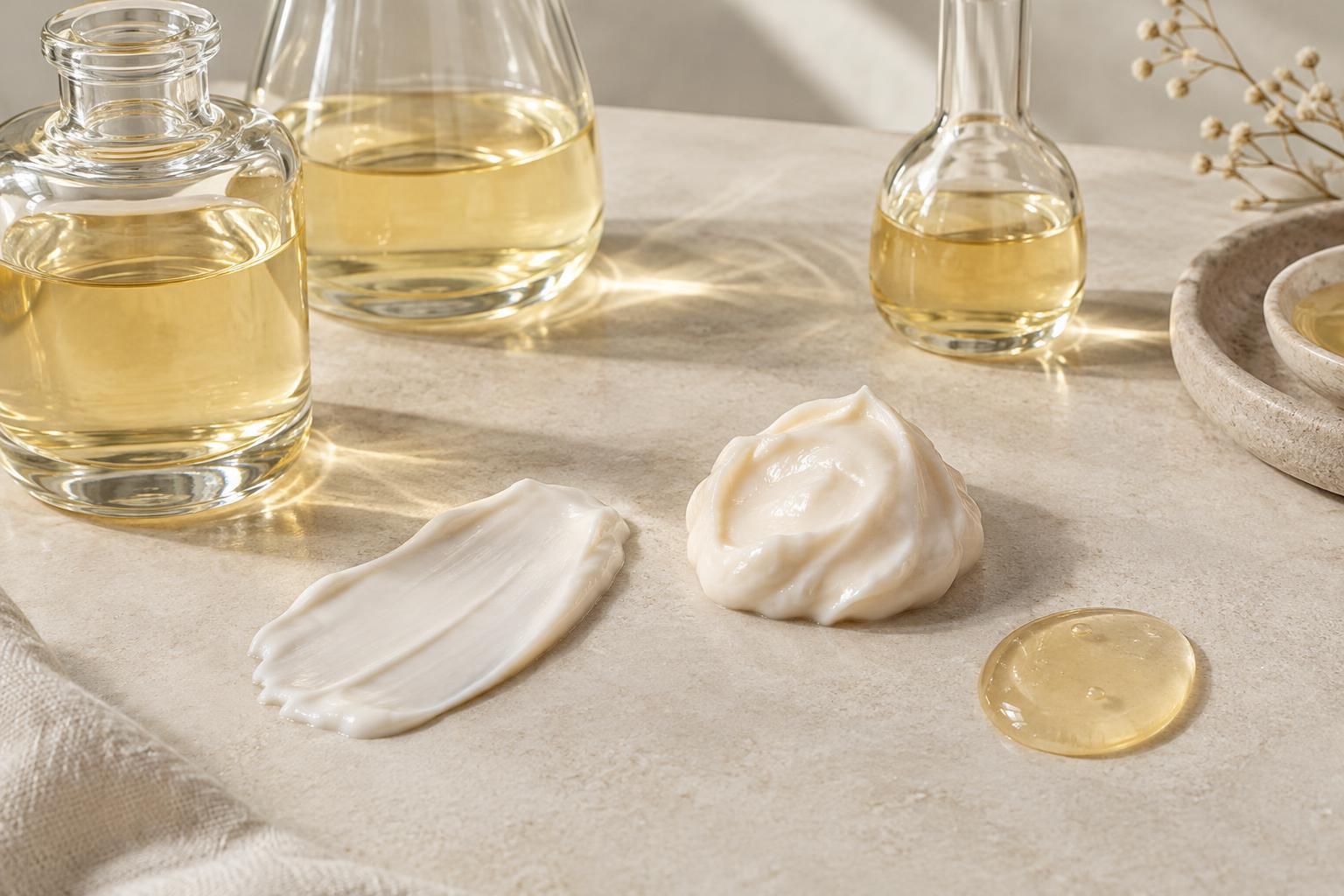
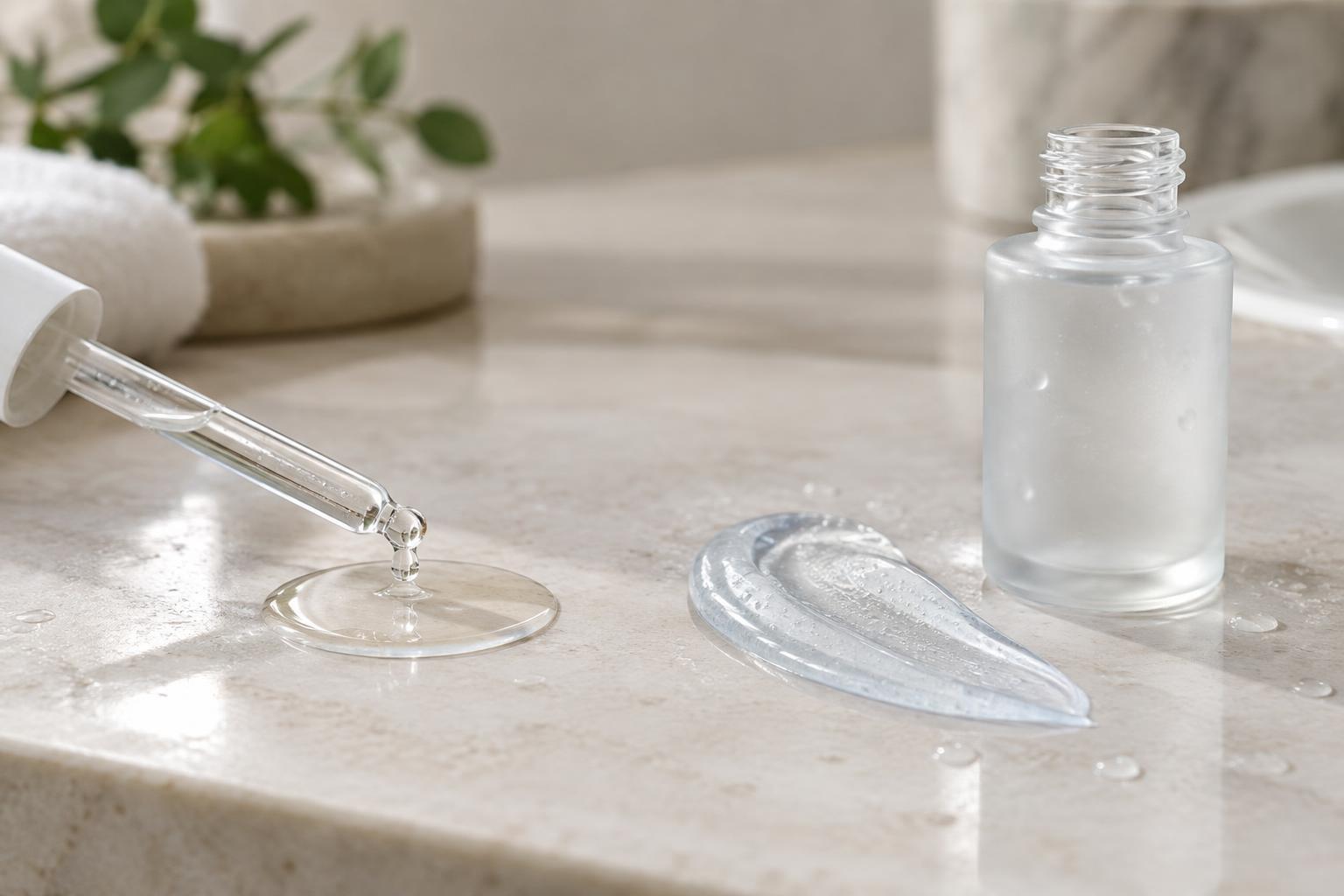
Water also helps explain why products with similar purposes can have very different textures. A lightweight gel may contain a water-rich phase thickened to hold its shape. A lotion may combine water and oils into an emulsion, using emulsifying ingredients to help the mixture stay uniform. The result depends on the whole formula, not simply on the amount of water.
Why it often comes first on the label
In many markets, cosmetic ingredients are generally listed in descending order by amount, with special rules that can apply to ingredients present in small quantities. Because water often makes up a substantial part of a liquid or cream product, it commonly appears first. That position tells you it is an important part of the mixture by weight; it does not tell you whether the product is effective, pleasant to use or good value.
A water-first formula is not automatically “mostly filler.” Many ingredients are useful at relatively low levels, and some need a water-based environment to be incorporated into a product. Nor can an ingredient list tell you the exact percentage of water in a finished formula. If you are comparing products, consider their texture, directions and suitability for your preferences alongside the label order.
Water in a formula is not the same as lasting hydration
Applying a water-based product can make skin feel refreshed, but water on its own can evaporate. Moisturizers often pair it with humectants, which attract and hold water, and ingredients that help reduce moisture loss or soften the skin’s surface. Glycerin is a common example of a humectant; oils, waxes and other emollient or occlusive ingredients can contribute a richer feel.
This is why two products that both list water first may leave different impressions after application. One might feel light and disappear quickly; another might leave a protective, creamier finish. If a product feels comfortable for your routine, that experience is more informative than treating the presence of water as either a benefit or a drawback on its own.
Water changes how a product must be made and kept
Water-based cosmetics need careful formulation because water can support the growth of unwanted microorganisms. Manufacturers typically use suitable preservation systems, hygienic production practices and packaging choices to help keep these products usable as intended. Preservatives are therefore not necessarily a sign of a harsh formula; they serve a practical purpose in many products that contain water.
For everyday use, follow the product’s storage and use directions. Avoid adding tap water to a product to thin it out, since that can change the formula and interfere with its preservation. Keeping lids closed and using clean hands or applicators can also help limit contamination. A noticeable change in smell, appearance or texture is a reasonable reason to stop using a product.
Some cosmetics need little or no water
Water is common, but it is not essential to every cosmetic. Facial oils, some balms, powder products and certain cleansing oils may be made without an intentionally added water phase. These products rely on oils, waxes or dry ingredients for their structure and feel. An oil cleanser, for example, may spread over dry skin before being rinsed away with water, depending on how it is formulated.
Neither water-based nor water-free is inherently better. The useful question is what you want the product to do and how you prefer it to feel. Reading beyond the first ingredient, paying attention to the product’s instructions and judging the complete formula in use will give you a clearer picture than a single word on the label.