A plant name is a starting point, not a description
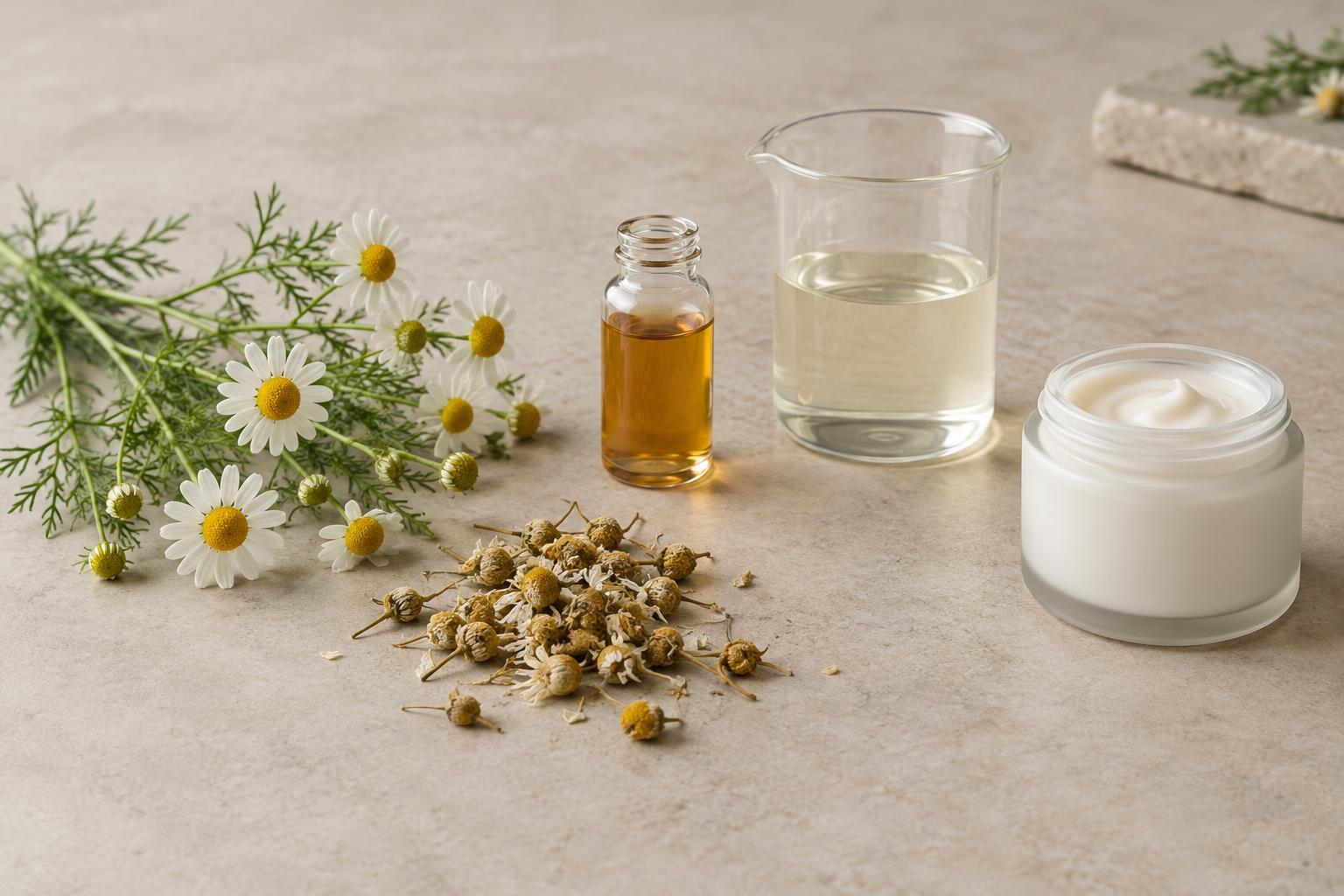
Botanical extracts appear in cleansers, moisturizers, serums and makeup. Their names can sound familiar even when the ingredients themselves are difficult to picture. Seeing the name of a flower or leaf on a package tells you where an ingredient originated, but not exactly what was taken from the plant, how much is present or what role it plays in the finished product.
Plants contain many different substances, and cosmetic ingredients made from the same plant need not be interchangeable. A label might refer to an extract, an oil, a wax or a distilled ingredient. Those terms describe different kinds of materials. Even two ingredients both called extracts may differ substantially. Treat the plant name as a clue that invites a closer look, rather than as a shortcut to judging a product.
The plant part and processing method matter
An ingredient may come from a plant’s leaves, flowers, roots, seeds or fruit. Those parts do not necessarily have the same composition. Processing adds another layer of variation: a manufacturer may steep plant material in water, use another solvent or follow additional steps to concentrate or refine what was extracted. The resulting material can contain different mixtures of plant compounds.
Ingredient-list names sometimes identify the plant part or form, which can help you distinguish one material from another. They usually do not provide a complete account of how it was made. Processing details can be useful context when a brand provides them, but a long technical description is not proof of a better product. The relevant question is what the ingredient contributes to the formula you will actually use.
An extract is only one part of a formula
An extract rarely acts alone in a cosmetic product. Its amount, the other ingredients and the product’s overall design all affect the experience of using it. A moisturizer marketed around a botanical may owe much of its moisturizing feel to humectants and emollients elsewhere in the formula. In a cleanser, the time the product spends on skin is different from that of a leave-on cream. Neither point makes the botanical meaningless; both put it in context.
Reading the ingredient list can help you see what else the product contains, but it cannot reveal every ingredient’s exact percentage. Ingredients near the end are generally present in smaller amounts, yet position alone does not establish whether an extract is useful or how noticeable its effects will be. Nor does a prominent plant image on the front of a package tell you the extract’s concentration.
Natural origin does not predict how skin will respond
“Botanical” describes an origin, not a guarantee that an ingredient will suit everyone. Plant-derived materials can have a scent, and some people may find a particular ingredient or finished product uncomfortable to use. Others may use the same product without an issue. Personal experience with one preparation of a plant also may not predict your response to a different preparation or formula.
If you are choosing products for a simple routine, consider the complete ingredient list and the type of product, not just whether it contains plants. You can introduce a new product gradually and stop using it if it causes discomfort. When comparing options, it may be more useful to notice features you already know you prefer, such as an unscented feel or a lighter texture, than to assume a familiar plant name will deliver them.
How to read botanical claims more critically
Look for claims about the finished product rather than broad praise for the plant itself. A statement such as “contains botanical extract” confirms an ingredient’s presence but says little about what the whole formula will do. Descriptions such as “soothing” or “revitalizing” can also be open to interpretation unless the brand explains the intended cosmetic effect in practical terms.
A useful comparison begins with your goal: do you want a cleanser that feels gentle, a moisturizer with a comfortable finish or makeup preparation that layers well? Then consider the product format, the full ingredient list and any clear usage directions. Botanical names can help you identify and compare ingredients, but they are not a substitute for evaluating the complete product. The most informative question is not simply “Which plant is in it?” but “What does this formula offer for the way I plan to use it?”