What a cleanser needs to remove
Throughout the day, the face collects a mixture of materials. Skin produces sebum, an oily substance that helps coat its surface. Sunscreen, moisturizer and makeup can add more oily or waxy ingredients. Dust and other small particles may settle on top, while sweat and water-soluble residue can dry on the skin. A facial cleanser helps loosen this mixture so it can leave the skin during rinsing or wiping.
Water alone can wash away some sweat and loose particles, but it does not mix readily with oil. That is why an oily film or long-wearing makeup may remain after a water-only rinse. A cleanser bridges that gap: depending on its formula, it can surround oily material, dissolve it into another oil, or help detach it from the skin’s surface. Cleansing is about removing surface residue, not making skin feel completely stripped of oil.
How water-based cleansers lift oily residue
Many gels, foams and cream cleansers contain surfactants. A surfactant molecule has a part attracted to water and a part attracted to oil. When you spread the cleanser over damp skin, surfactants can help loosen oily residue and disperse it through the water. Rinsing then carries away the cleanser and much of the material it has picked up.
Surfactants can also help water spread across the skin instead of beading up. In some formulas, they gather oily material into tiny clusters that stay dispersed long enough to rinse away. You do not need a dense foam for this process to work: some effective cleansers produce little lather. Likewise, a squeaky feeling is not proof of a better clean. It may simply mean the cleanser has removed more surface oil than feels comfortable for your skin.
The full formula matters as much as the word “surfactant” on an ingredient list. The type and amount of cleansing agents, along with other ingredients and how long the product stays on the skin, can affect the experience. Labels such as “gentle” or “pH-balanced” may be useful starting points, but how skin feels after use is also worth noticing.
Why makeup and sunscreen can need a different approach
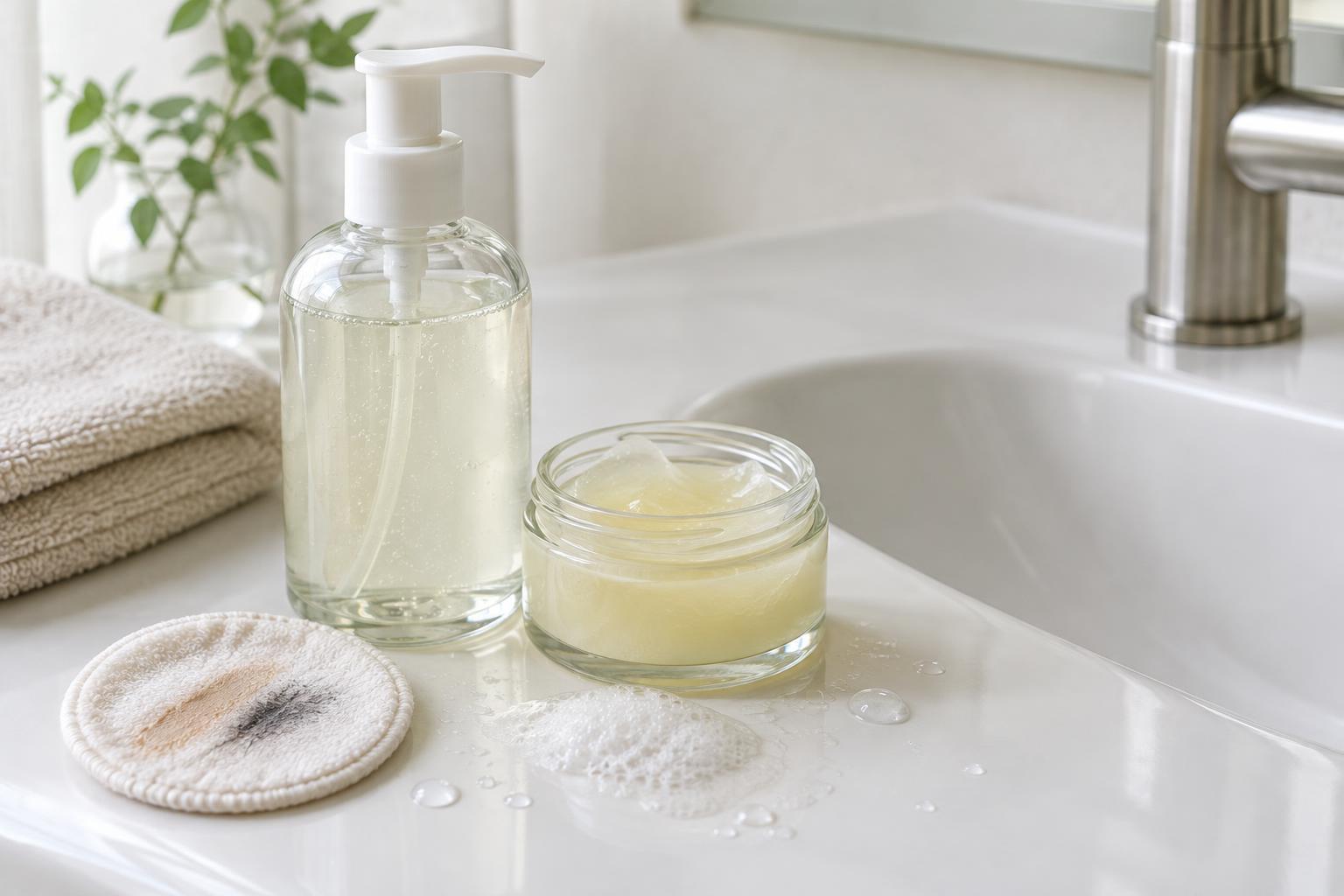
Some makeup and sunscreen products are designed to stay in place despite moisture, movement or everyday wear. Their waxes, oils and film-forming ingredients can be harder to loosen with a brief wash. An oil cleanser, cleansing balm or makeup remover may help because oily ingredients can mix with oily residue. Many of these products also contain emulsifiers, which help the loosened mixture rinse away when water is added.
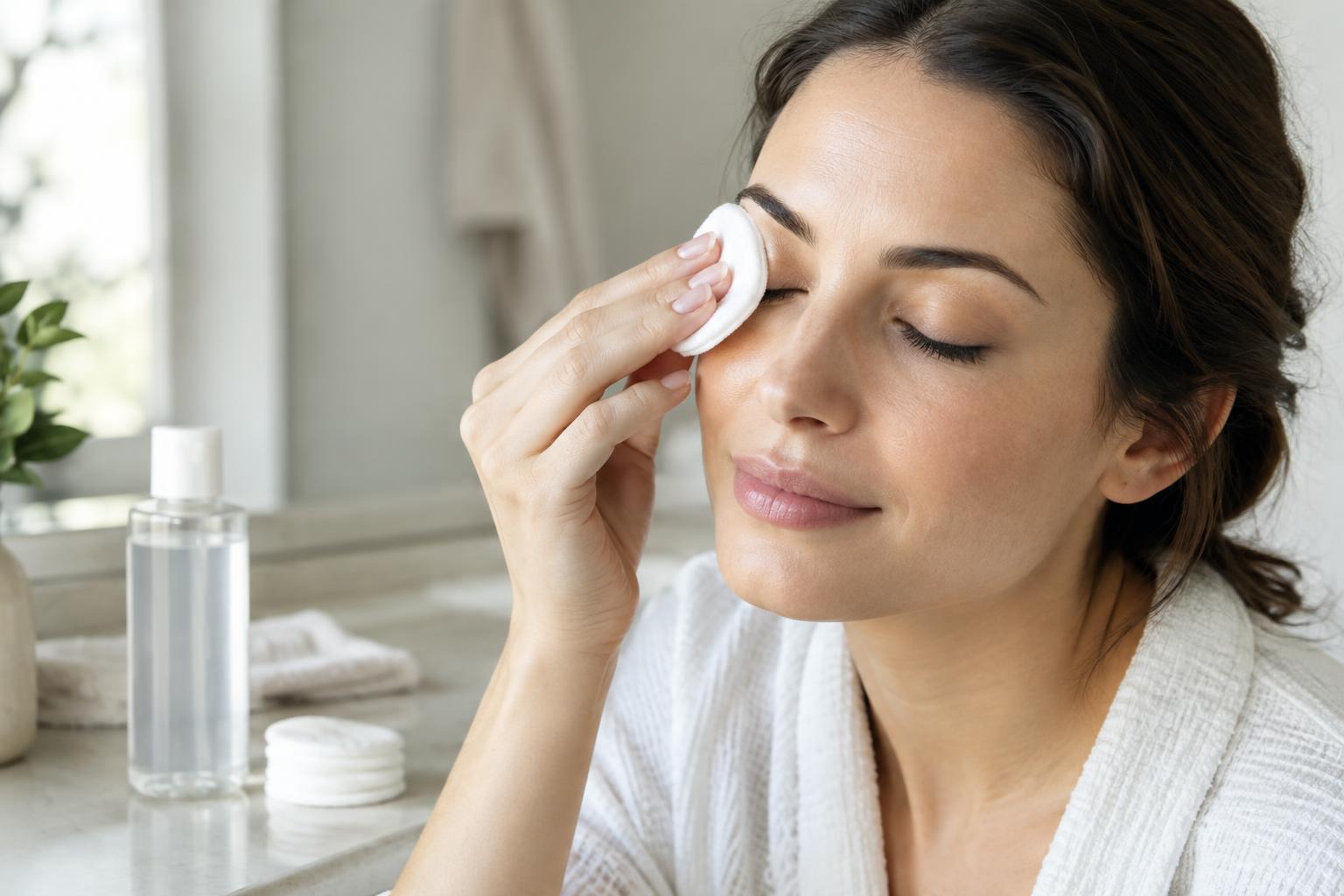
For heavier or long-wearing products, one option is to start with a remover or oil-based cleanser and follow with a water-based cleanser. This is often called double cleansing. It is an option, not a requirement: one suitable cleanser may be enough for a lighter routine. If you use a separate eye or lip remover, follow its directions and avoid tugging at delicate areas. A little time to loosen makeup is usually more useful than vigorous rubbing.
Whatever the format, rinsing and product directions matter. A cleansing oil designed to emulsify with water may rinse differently from plain oil, which can leave a noticeable film. A wipe can be convenient, but repeated wiping to remove stubborn makeup may create unnecessary friction. Choose a method that removes what you wear without requiring a lot of scrubbing.
Finding a comfortable place for cleansing in your routine
Use enough cleanser to spread it over the areas you want to clean, and massage with light pressure. Lukewarm water is generally more comfortable than very hot water. Rinse as directed, including around the hairline and jaw, where cleanser or makeup can be easy to miss. Then pat rather than rub the face dry. Cleansing more forcefully or more often is not automatically more effective.
After cleansing, notice both cleanliness and comfort. Persistent makeup residue may suggest that you need a different removal method or a little more time. Skin that regularly feels tight or rough after washing may be a reason to try a milder formula or adjust how you use it. A moisturizer can help leave skin feeling comfortable after cleansing; it does not have to wait until the face feels dry.
The aim is a repeatable routine that removes the day’s surface buildup while keeping the process pleasant. The best cleanser is not necessarily the one that foams most, removes every trace of oil, or has the longest list of claims. It is one that handles the products you use and leaves your skin feeling comfortable afterward.