Start with a clean, comfortable surface
Concealer does not need a long preparation routine. It needs a surface that feels comfortable and is free of leftover makeup, heavy cream or oily residue. If you are getting ready in the morning, a gentle rinse or your usual mild cleanser may be enough. Pat the under-eye area dry rather than rubbing it; dampness left on the skin can make it harder to tell how much moisturizer you need.
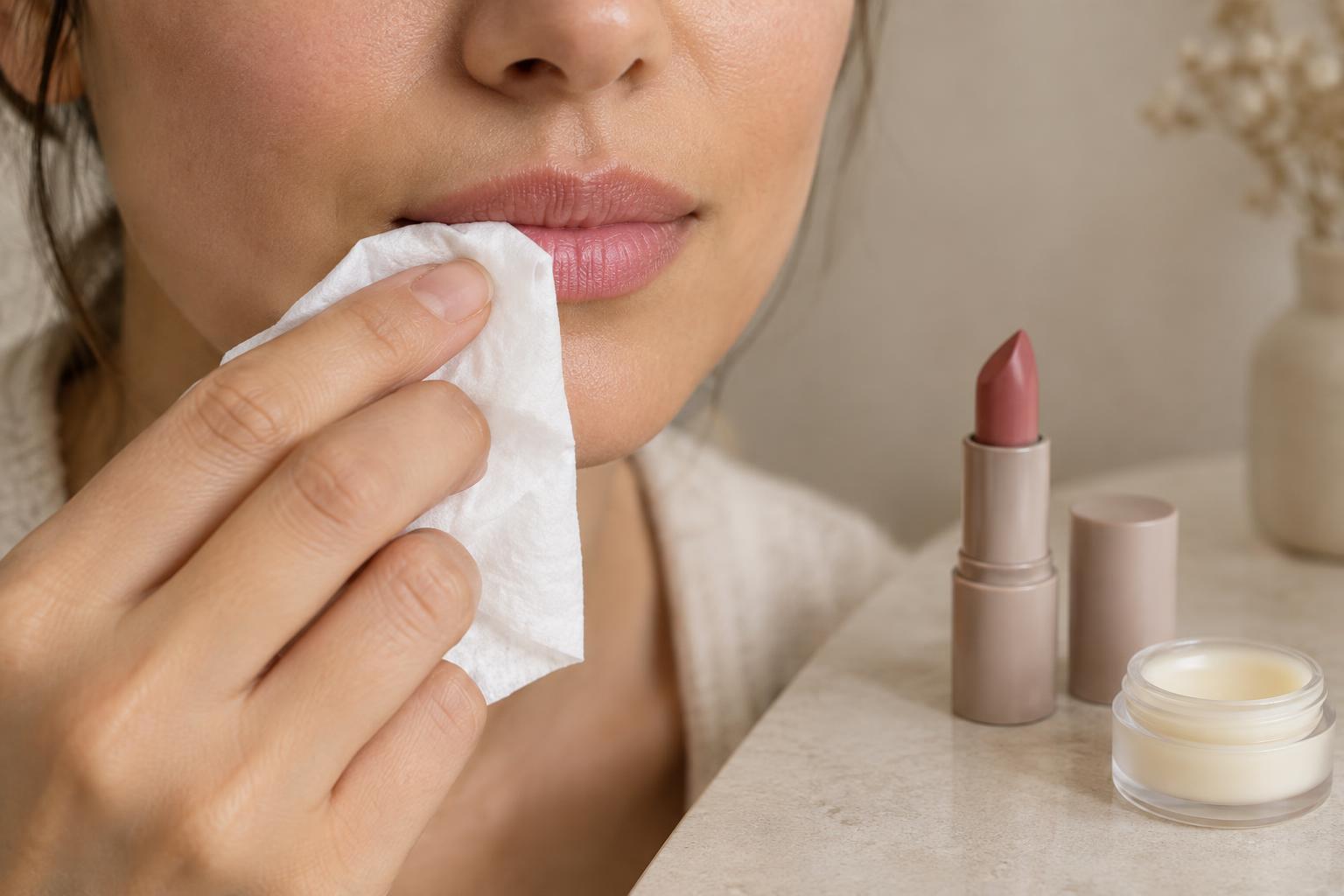
If you are refreshing makeup later in the day, remove any concealer that has collected in lines before adding more. Layering fresh product over a thick, uneven base usually makes the area look heavier. A soft, clean applicator or a small amount of your usual makeup remover can help you start again, provided you keep products out of your eyes.
Moisturize lightly, then let it settle
A little moisturizer can make the under-eye area feel more comfortable and help concealer spread evenly. Use a small amount of a product you already know works for your skin, and apply it in a thin layer. You do not need to coat the area until it feels slippery. If there is a visible film or the skin still feels slick after application, gently blot the excess instead of adding makeup straight over it.
Give the moisturizer time to settle before judging the surface. It should feel comfortable, not wet or greasy. A separate eye cream is optional; a suitable facial moisturizer may be all you want. For daytime makeup, apply any sunscreen in your routine according to its directions and allow it to settle before concealer. Concealer should not be relied on as your only sun protection.
Decide what actually needs covering
Before reaching for concealer, look at the under-eye area in ordinary light. The inner corner or a small shadow below the eye may need coverage, while the rest of the area may look fine without it. Placing product only where you want to soften discoloration uses less makeup and leaves more natural skin visible. It can also reduce the amount that settles into folds when you smile or blink.
If you use a color corrector, treat it as a targeted step rather than an extra full layer. A tiny amount on the most noticeable discoloration may be enough to let you use less concealer on top. Corrector is not essential, and adding it automatically can work against the goal of a light finish. Choose whether to use it based on how the makeup looks, not on a rule that every under-eye needs multiple products.
Apply concealer in thin, controlled layers
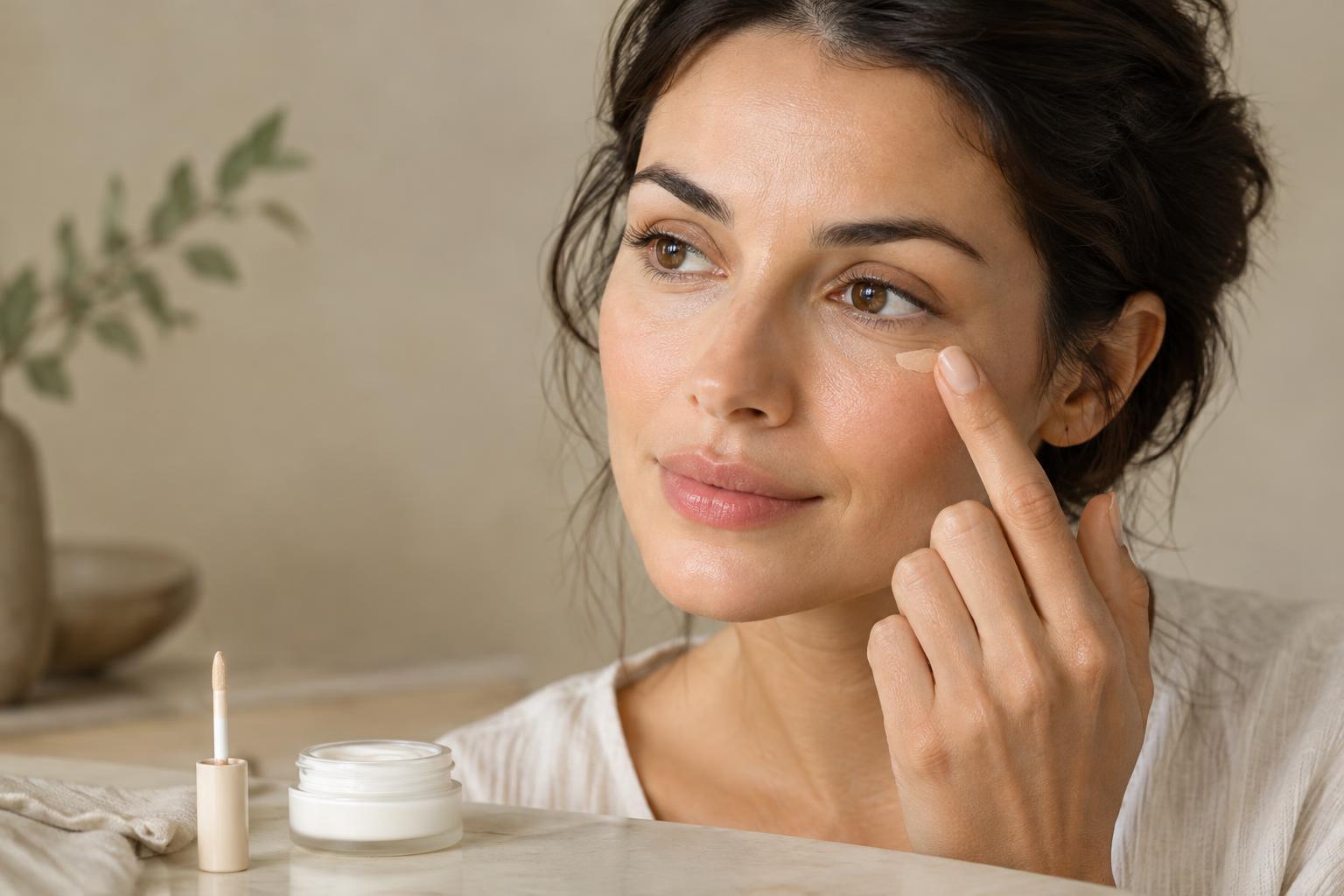
Place a small dot of concealer where coverage is needed, then tap it outward with a fingertip, sponge or brush. Try to keep the fullest coverage on the shadow rather than spreading the same amount across the entire under-eye. Pause and check the result before adding more. A second tiny layer in one spot often looks smoother than a generous first layer everywhere.
The formula and finish matter as much as the amount. A concealer that feels very thick or dries quickly may be harder to spread thinly; one that stays very creamy may move more easily. Neither type is automatically better. If your concealer gathers over moisturizer, try using less of one product at a time before replacing your whole routine. Working with small amounts makes it easier to see which step is affecting the finish.
Set only where needed, and keep expectations realistic
Once the concealer has settled, look for any product sitting in natural folds and gently tap it smooth. If you use powder, apply a minimal amount only where the concealer tends to move. A large layer of powder can make the area look dry or emphasize texture, especially when there is little concealer underneath to set. You may find that no powder is needed for your preferred finish.
Some texture and movement are normal around the eyes. The aim is not to make the area look perfectly still, but to get a finish you like without unnecessary layers. When makeup looks heavy, start troubleshooting by removing excess product: blot moisturizer, use a smaller concealer dot or skip an optional step. Under-eye preparation is most useful when each layer has a clear purpose.