Start with the exact promise
A product might promise “smoother-looking skin,” “24-hour hydration,” or “visibly reduced pores.” Before deciding whether the claim matters to you, identify exactly what is being promised. “Smoother-looking” describes appearance, not a permanent change in skin texture. A claim about hydration does not automatically mean a product will suit every skin type. Small words such as “looks,” “helps,” “up to,” and “may” can substantially narrow a bold headline.
Also check what the claim refers to. Is the package talking about one product, a full routine, or a particular ingredient? A statement beside an ingredient name may explain why that ingredient was included without establishing that the finished product produces the same result. Reading the whole sentence, rather than only its largest words, is a useful first step.
Find the conditions attached to the result
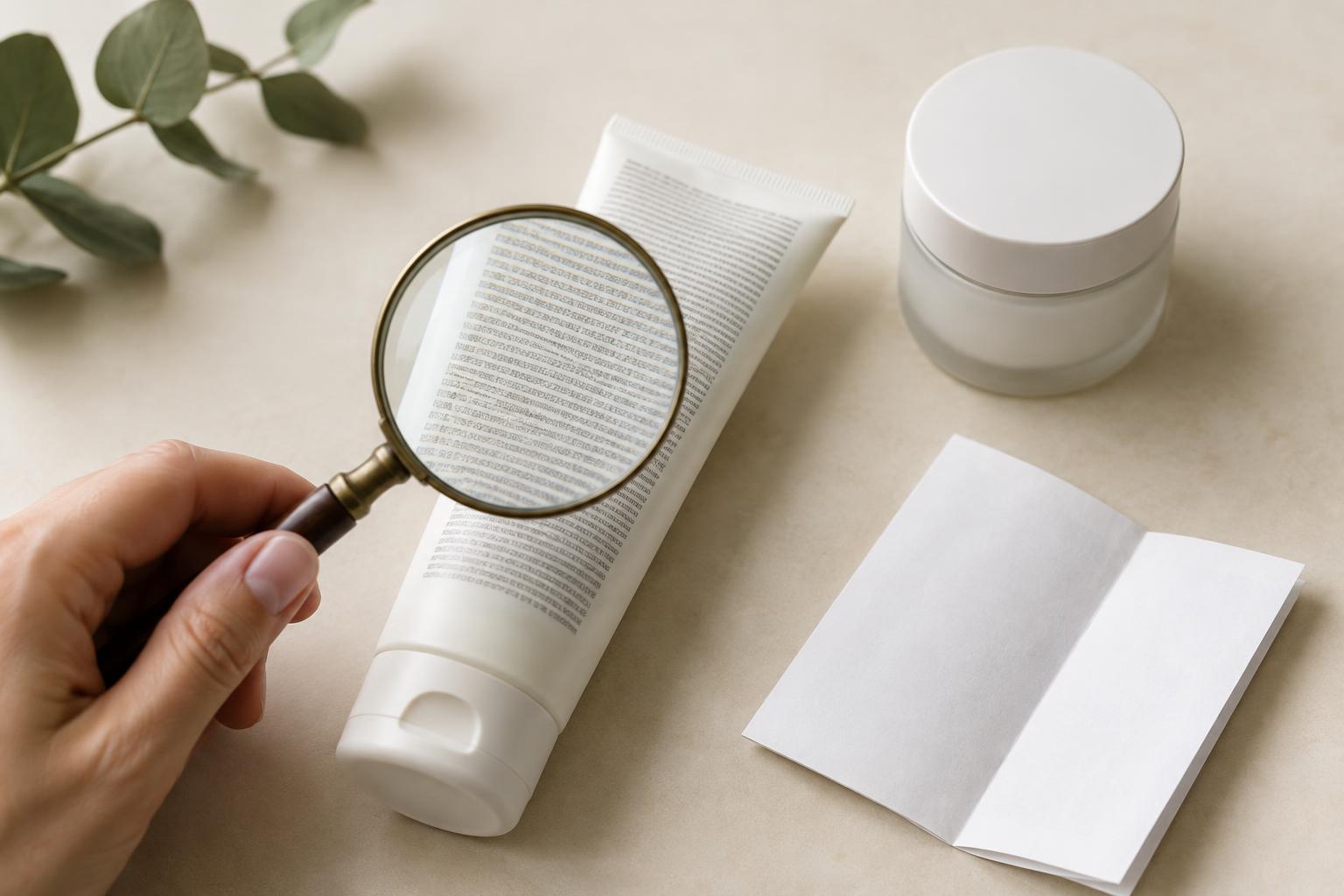
Fine print often explains how the product was used when a claim was assessed. Look for phrases such as “after one use,” “with continued use,” “when used as directed,” or “as part of a regimen.” A result observed immediately after application is different from one described after repeated use. Similarly, a claim based on a cleanser followed by a moisturizer may not tell you what the cleanser does on its own.
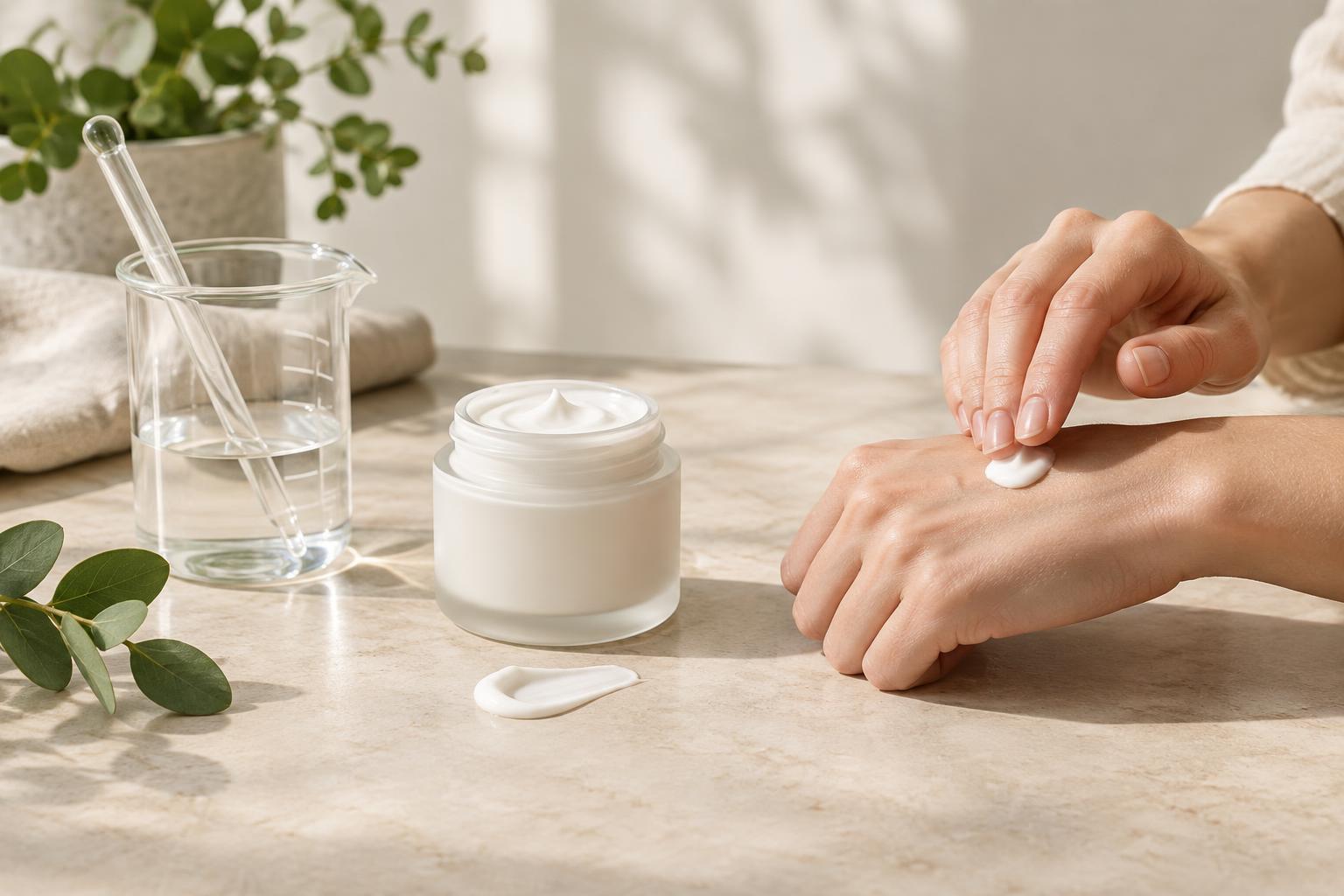
Pay attention to the comparison, too. “More radiant” raises the question: more radiant than what? The comparison might be to skin before use, to a previous formula, or to using no product. If the reference point is unclear, treat the statement as a general description rather than a precise measure of what you can expect. Application amount, frequency and timing can also matter; a product used differently from its directions may not deliver the experience described.
Understand what the supporting details actually show
A package may mention consumer feedback, an instrumental measurement or an expert assessment. These are different kinds of support. A consumer statement describes what participants reported noticing. An instrumental result describes a measurement taken under specified conditions. Neither automatically tells you how noticeable the difference will be in your mirror, how long it will last, or whether you will like the product’s feel.
If a percentage appears, look for its subject and context. “90% agreed skin felt softer” is not the same as saying softness improved by 90%. Check whether the package states how many people participated, when they answered, and what they were asked. If those details are absent, you can still understand the claim’s wording, but you have less context for judging its relevance to your own routine.
Separate useful descriptions from broad impressions
Terms such as “clean,” “gentle,” “natural,” and “dermatologist tested” may sound reassuring, but their practical meaning depends on the product and any explanation supplied. “Gentle” does not guarantee that everyone will find a formula comfortable. “Natural” does not tell you whether a product contains fragrance or whether you will prefer its texture. Rather than treating any single label as a shortcut, examine the ingredient list and directions for details that matter to you.
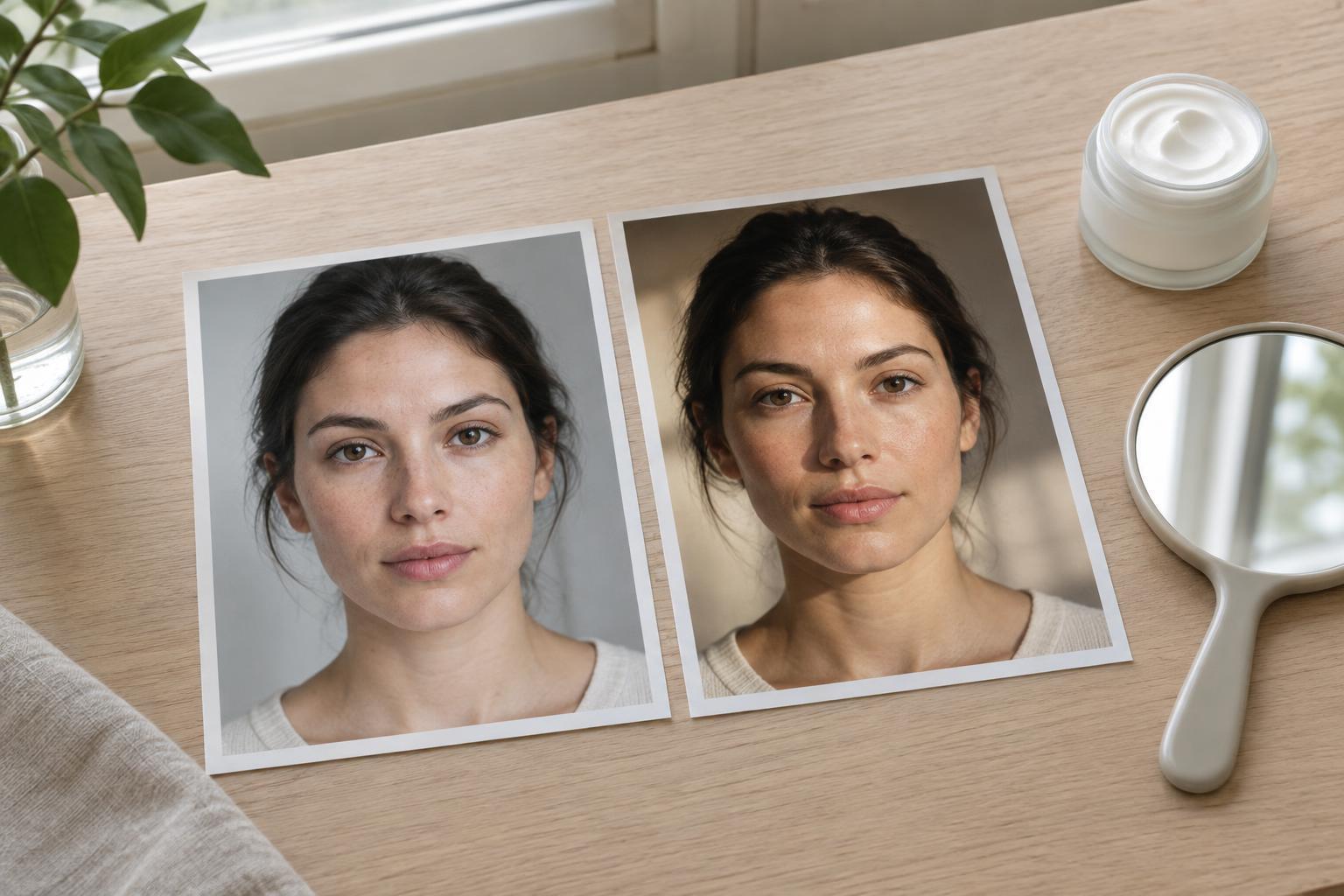
Visuals deserve the same attention as words. A photograph, close-up or before-and-after image can illustrate a claim, but lighting, makeup, angle and timing may influence how a result appears. Look for captions that explain what was applied, how often it was used and when the images were taken. If you cannot tell, avoid assuming the picture shows a typical outcome or a lasting change.
Make the claim useful for your own choice
Once you understand the fine print, ask a simpler question: does this promise address something you want from this type of product? For a moisturizer, texture, comfort and how it fits into your routine may be more useful considerations than a dramatic-sounding headline. For a makeup primer, consider whether the claim concerns immediate appearance, wear time, or how makeup applies over it. Those are related but distinct benefits.
A practical way to compare products is to note the main claim, its qualifiers, the directions for use and any details about how the result was assessed. Then consider your preferences, such as fragrance, finish and ease of use. Fine print cannot predict your individual experience, but it can help you distinguish a specific, limited promise from an impression created by packaging.