What counts as single or double cleansing?
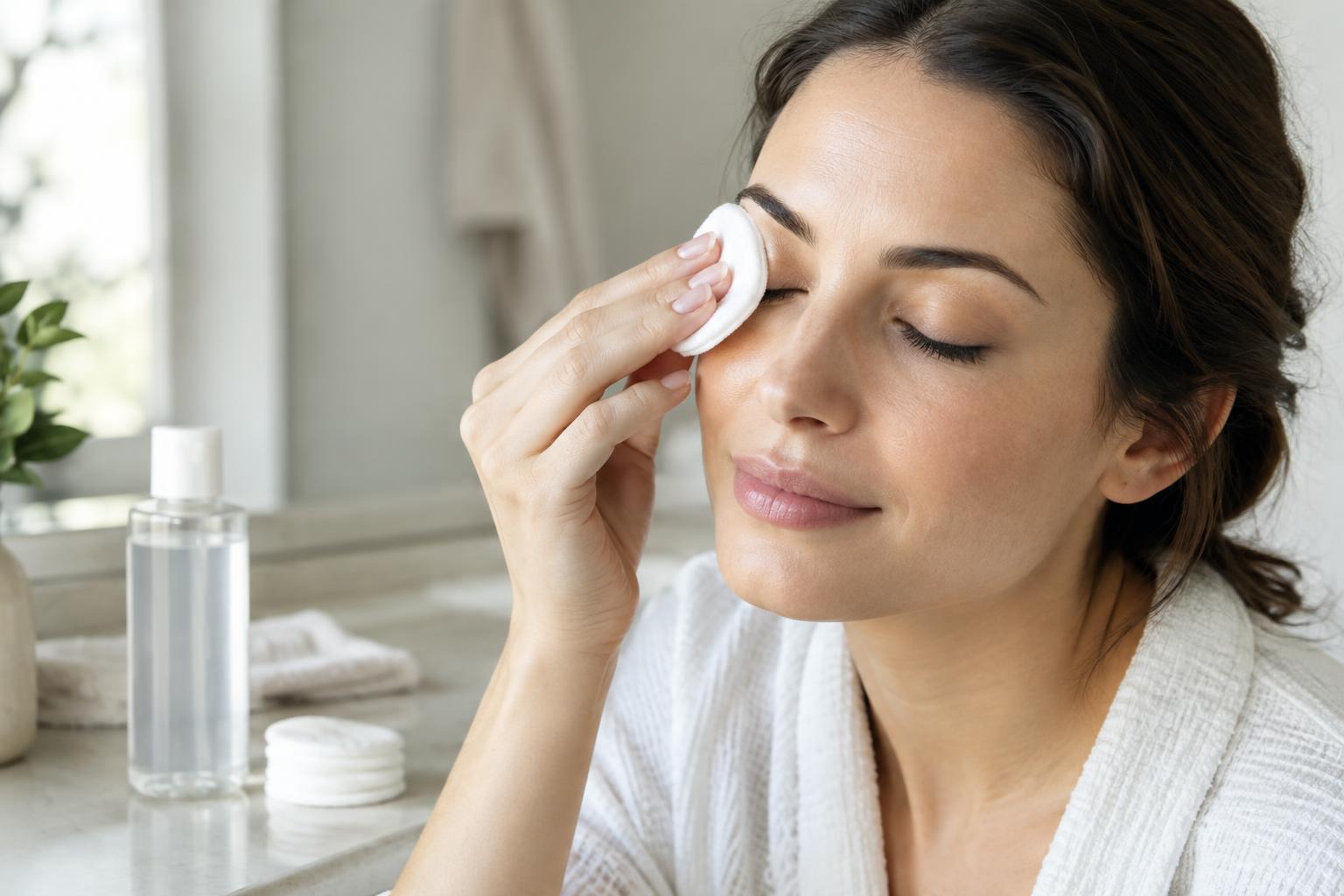
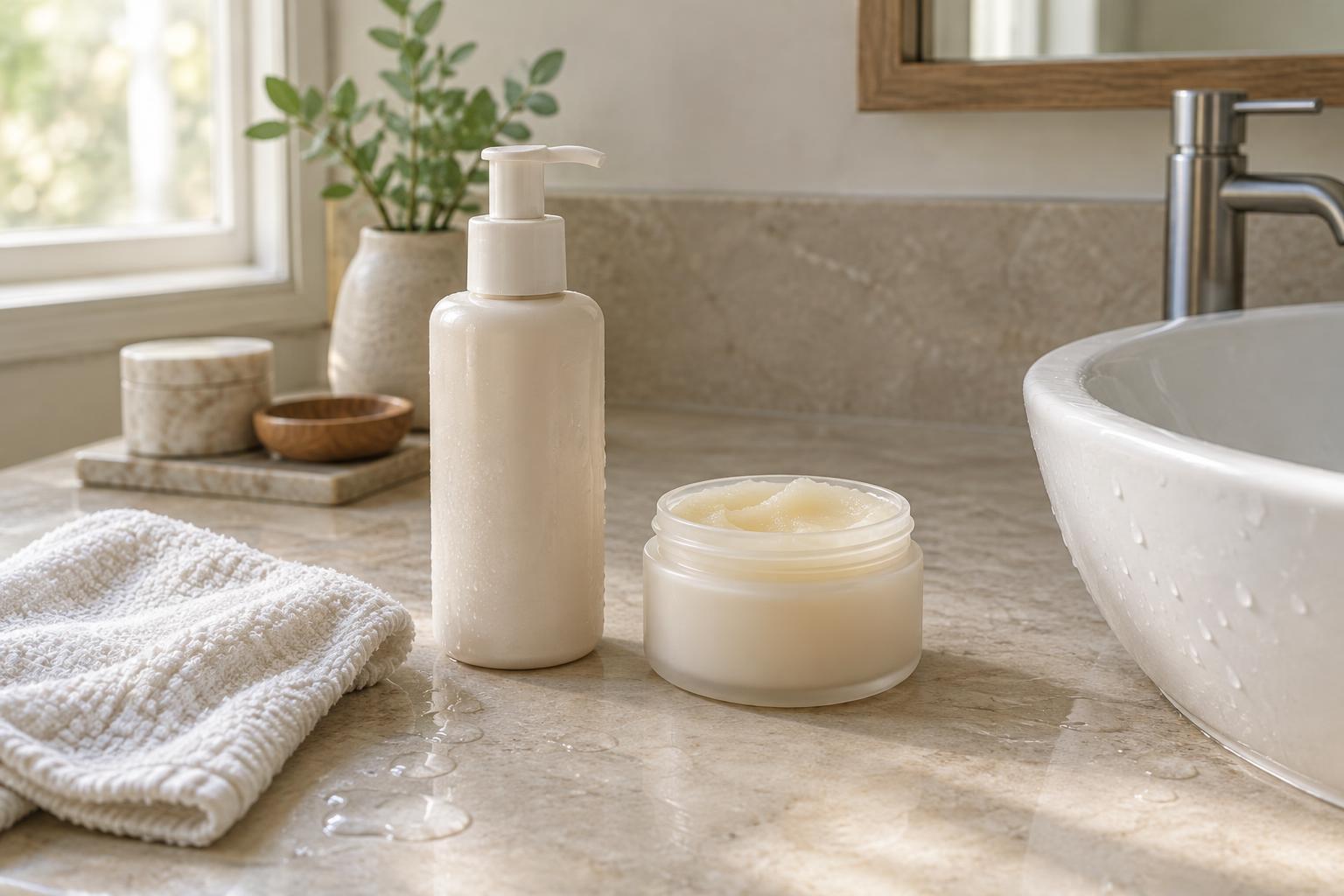
Single cleansing means washing once with a cleanser that removes the day’s buildup, then rinsing or wiping it off as directed. Double cleansing means using two cleansing steps in sequence. The first is often an oil-based cleanser, balm or makeup remover intended to loosen makeup and other products. The second is usually a gentle cleanser used with water to wash away what remains.
The distinction is about the number and purpose of the steps, not the amount of product used. Washing twice with the same cleanser is also two cleansing steps, but it may not be the most useful approach if the first cleanser struggles to dissolve long-wearing makeup. Conversely, one thorough wash may be all that is needed when there is little to remove.
When one wash is enough
For a simple routine without heavy makeup or particularly persistent products, a single gentle cleanse is often a sensible starting point. The goal is to remove what you want to take off while leaving skin comfortable, not to achieve a squeaky-clean feeling. If your cleanser lifts your usual products, rinses away as directed and leaves no noticeable residue, an extra wash may add little.
The amount of cleansing needed can change from day to day. A morning rinse or cleanse, for example, serves a different purpose from an evening wash after makeup or sunscreen. There is no need to keep the same number of steps every time simply for the sake of consistency.
When a second step may help
Double cleansing can be useful after long-wearing foundation, eye makeup, layers of sunscreen or other products that do not come off easily with your usual cleanser. A first step designed to loosen those products may let you remove them without repeated rubbing. A second, gentle wash can then clear away leftover cleanser and residue. Whether sunscreen needs two steps depends on the product and how well your chosen cleanser removes it; “water-resistant” does not automatically prescribe a particular routine.
If you use a balm or oil, apply and remove it according to its directions; some are meant to be mixed with water before rinsing. If you use micellar water or a separate makeup remover, follow its label for whether to rinse afterward. Take care around the eyes, where vigorous rubbing is especially easy to overdo. A soft touch and enough time for the remover to work are usually more helpful than extra scrubbing.
How to avoid turning two steps into too much cleansing
More washing is not necessarily better washing. Hot water, rough cloths, long massage times and strong cleansers used back to back can leave skin feeling tight or uncomfortable. If you double cleanse, keep both steps gentle and use only the time needed to remove the products you are wearing. Follow with moisturizer while skin is still comfortable and slightly damp, if that suits your routine.
Pay attention to how skin feels after cleansing and later in the day. Persistent tightness, stinging or visible dryness may be a sign that the routine is too demanding for you. Consider using one cleanser on lighter days, choosing a milder second cleanser or reducing friction. If discomfort persists, seek guidance from a qualified professional rather than trying to wash it away.
A simple way to decide tonight
Start with what is actually on your skin. If you wore little or no makeup and your usual cleanser removes your products comfortably, wash once. If you wore products that tend to cling, use a suitable remover first, then decide whether a gentle second cleanse is needed to leave skin free of residue. You can also check after rinsing whether makeup remains around the hairline or eyes, without repeatedly scrubbing those areas.
The best routine is not the one with the most steps. It is the least complicated approach that removes the products you want to take off and leaves your skin feeling comfortable. Treat double cleansing as an option for particular days, rather than a rule everyone must follow.