What makes a cleanser soap?
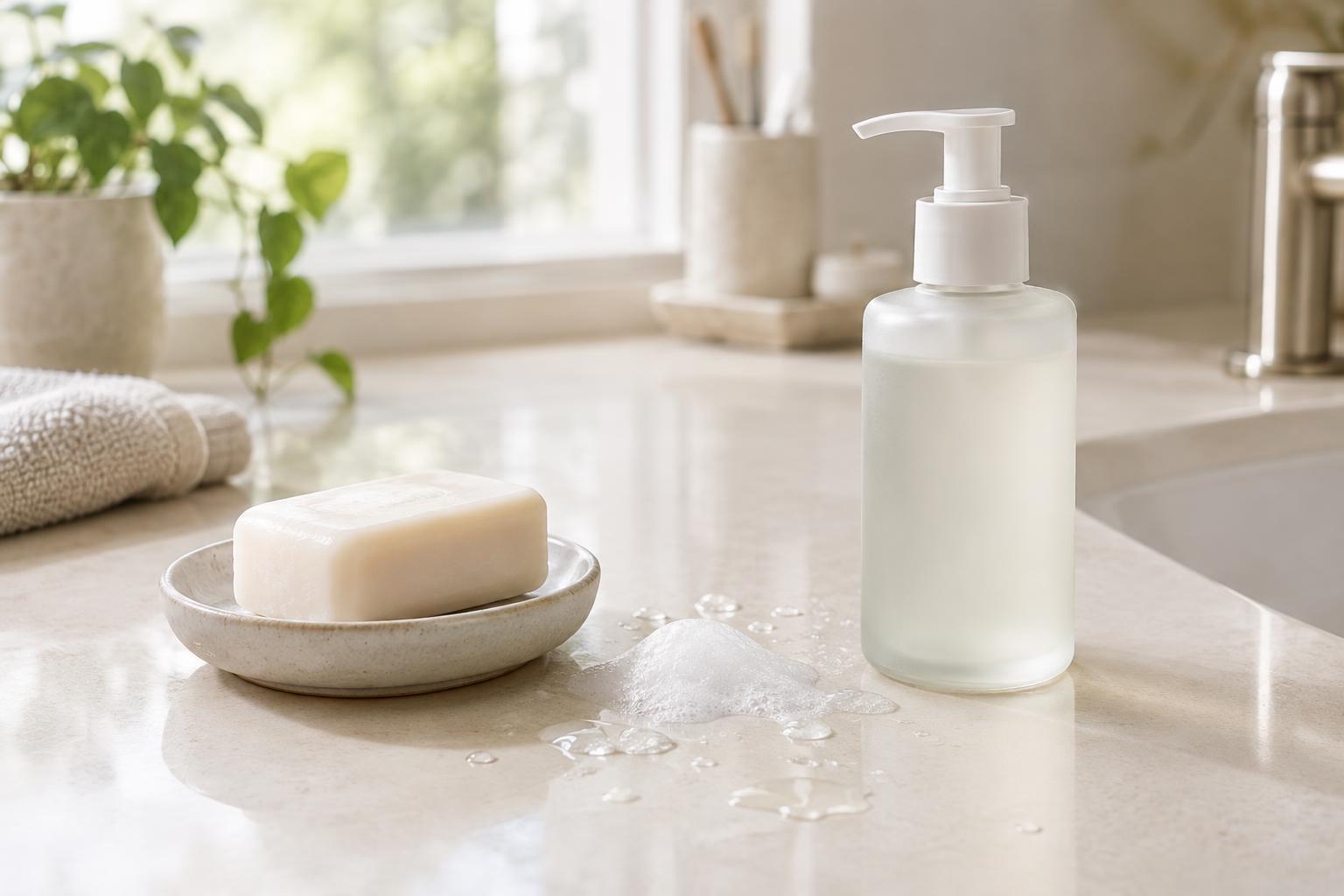
In product terminology, soap has a specific meaning. It is made when fats or oils react with an alkali, producing salts of fatty acids. These salts help water lift oil and grime from skin so they can be rinsed away. A facial cleansing bar may be true soap, but a bar shape alone does not tell you what is inside.
A non-soap cleanser uses other cleansing ingredients, often called synthetic detergents or surfactants. These can appear in gels, creams, foams and bars. “Non-soap” does not mean chemical-free or automatically mild; soap and non-soap products both work through ingredients that help water mix with oil. The complete formula, rather than the product’s shape or name, matters most to the experience of using it.
Why can they feel different?
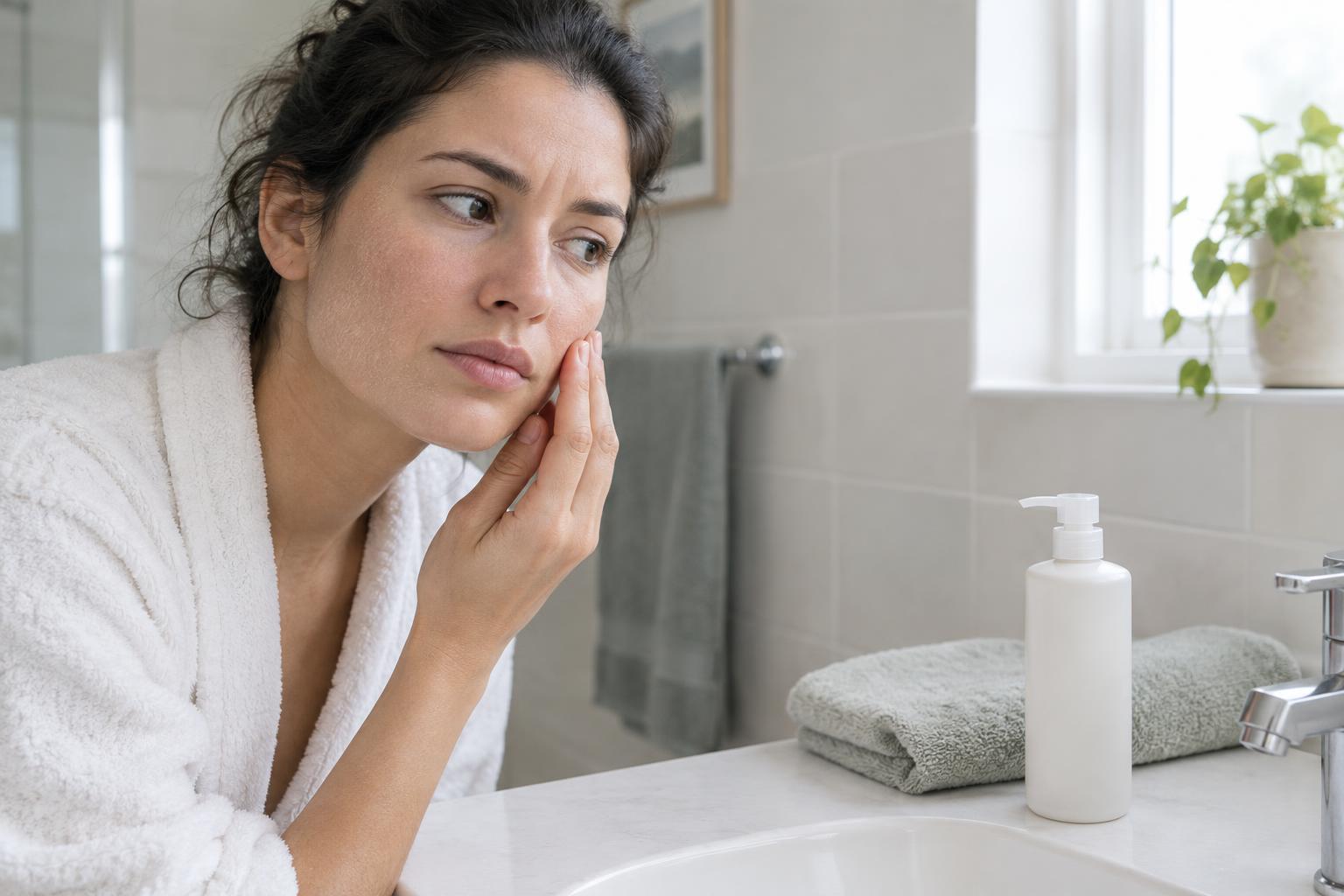
Traditional soap is generally alkaline. Facial skin is normally more acidic, so washing with soap can temporarily change how the skin surface feels. Some people notice a tight or squeaky-clean feeling afterward, particularly if they wash frequently or use a strong cleanser. That feeling is not a reliable sign that the face is cleaner; it may simply mean more surface oil has been removed than feels comfortable.
Non-soap cleansers can be formulated across a wider pH range, including ranges closer to the skin’s usual surface pH. But pH is not a gentleness score. The type and amount of cleansing ingredients, the rest of the formula and how long the product stays on skin also influence how it feels. A well-formulated soap may suit one person, while a particular non-soap cleanser may leave another person feeling dry.
What do labels actually tell you?
Terms such as “soap-free,” “gentle” and “for sensitive skin” are useful starting points, not guarantees. “Soap-free” usually indicates that the product does not rely on traditional soap salts for cleansing. It does not tell you whether the cleanser will remove makeup effectively or feel comfortable on your skin. Likewise, a creamy texture does not guarantee that a cleanser will leave skin feeling moisturized.
An ingredient list can offer clues if you want to look more closely. Names such as sodium palmate or potassium cocoate can indicate soap salts, while ingredients such as sodium cocoyl isethionate or cocamidopropyl betaine are examples of non-soap surfactants. Many formulas contain several cleansing ingredients, so spotting one name rarely explains how the finished product will perform. Directions and your experience after rinsing are often more practical guides than a single label claim.
How to choose for your routine
Start with what you need to remove. A light morning cleanse may call for less cleansing than the end of a day with makeup or water-resistant sunscreen. If a cleanser leaves your face comfortable and removes what you intended it to remove, there may be no reason to change it. If your skin regularly feels tight after washing, consider a different formula, washing less often when appropriate, or using a smaller amount.
Think of cleansing and moisturizing as connected steps. Cleansing removes material from the surface; moisturizing helps skin feel comfortable afterward. A moisturizer applied after washing can be useful whether your cleanser is soap or non-soap. If you are comparing new products, changing one step at a time makes it easier to notice which product affects how your skin feels.
Use technique to avoid overcleansing
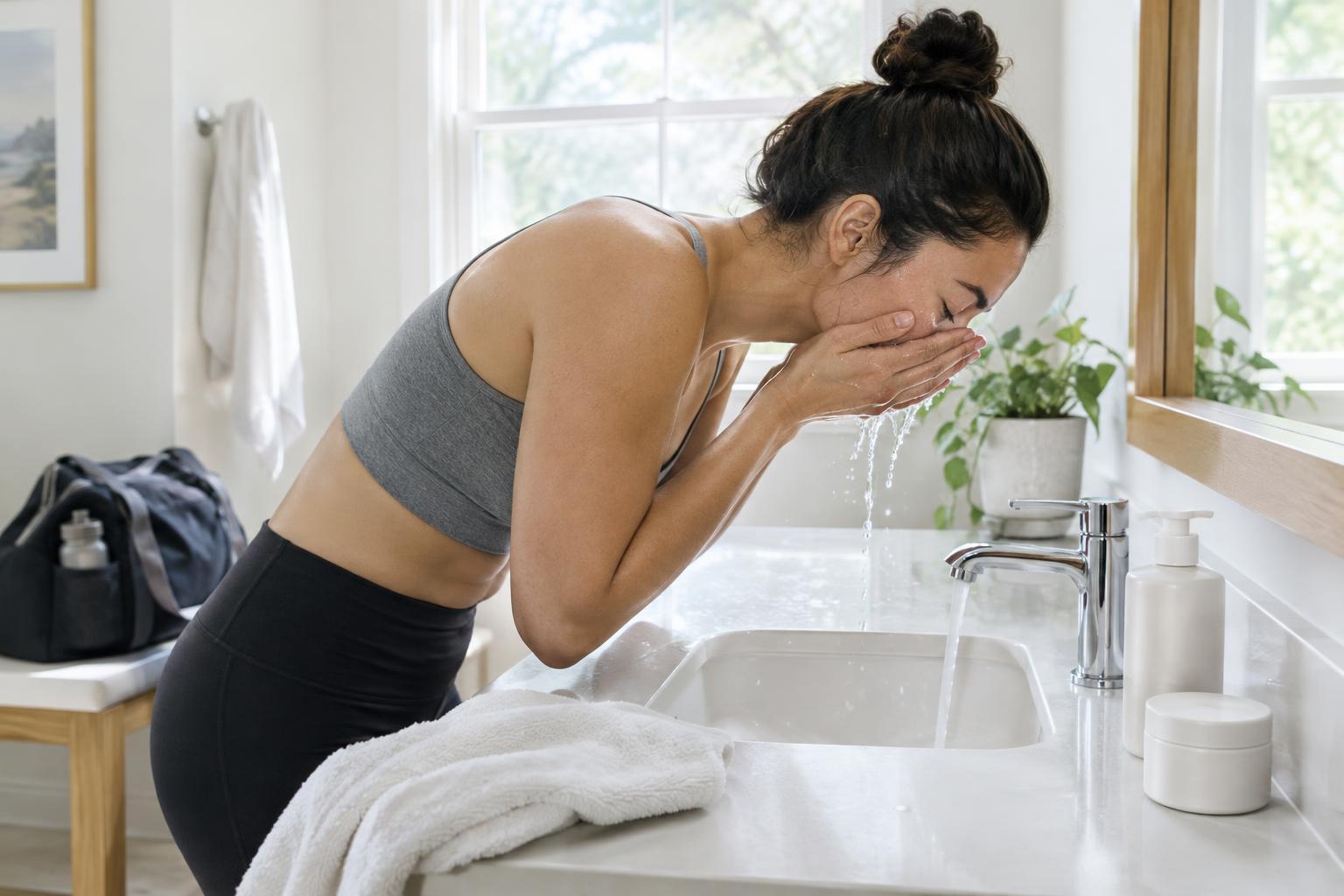
Even a cleanser marketed as gentle can feel harsh when paired with hot water, vigorous scrubbing or repeated washes. Follow the product directions, use comfortable lukewarm water and rinse thoroughly. Patting rather than rubbing your face dry is a simple way to keep the rest of the routine gentle.
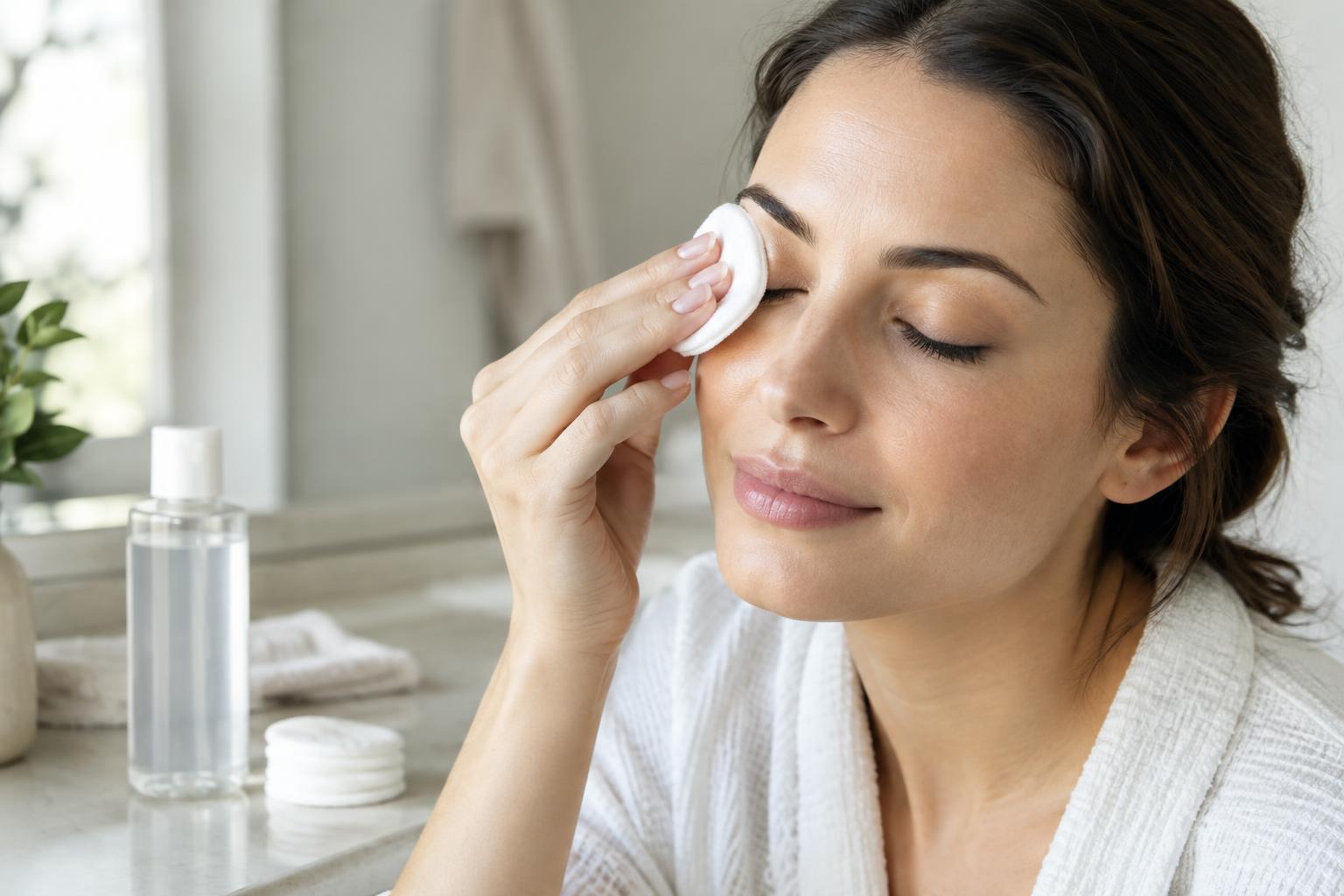
For heavier makeup or sunscreen, one cleanser may not remove everything easily. You might use a makeup remover before your regular cleanser, but an extra step is not necessary for everyone. The goal is a face that feels clean and comfortable, not a perfectly “squeaky” finish. Soap versus non-soap is one helpful distinction, but the best choice is the product you can use consistently without leaving your skin feeling stripped.