Start with what you want primer to do
Primer is an optional step between skincare and makeup. It can change how the surface feels, how easily foundation spreads, or how a finished look appears. Some formulas are designed to feel smoothing, some add slip or moisture, and others give a more matte or luminous finish. Because primers vary, there is no single placement rule that works for every product or face.
Before applying it, ask what you are trying to change. If foundation already applies evenly across most of your face, an all-over layer may not add much. If you want the same finish everywhere, broader application may make sense. The useful question is not “Am I supposed to prime my whole face?” but “Where would this particular primer help the makeup look the way I want?”
When an all-over layer makes sense
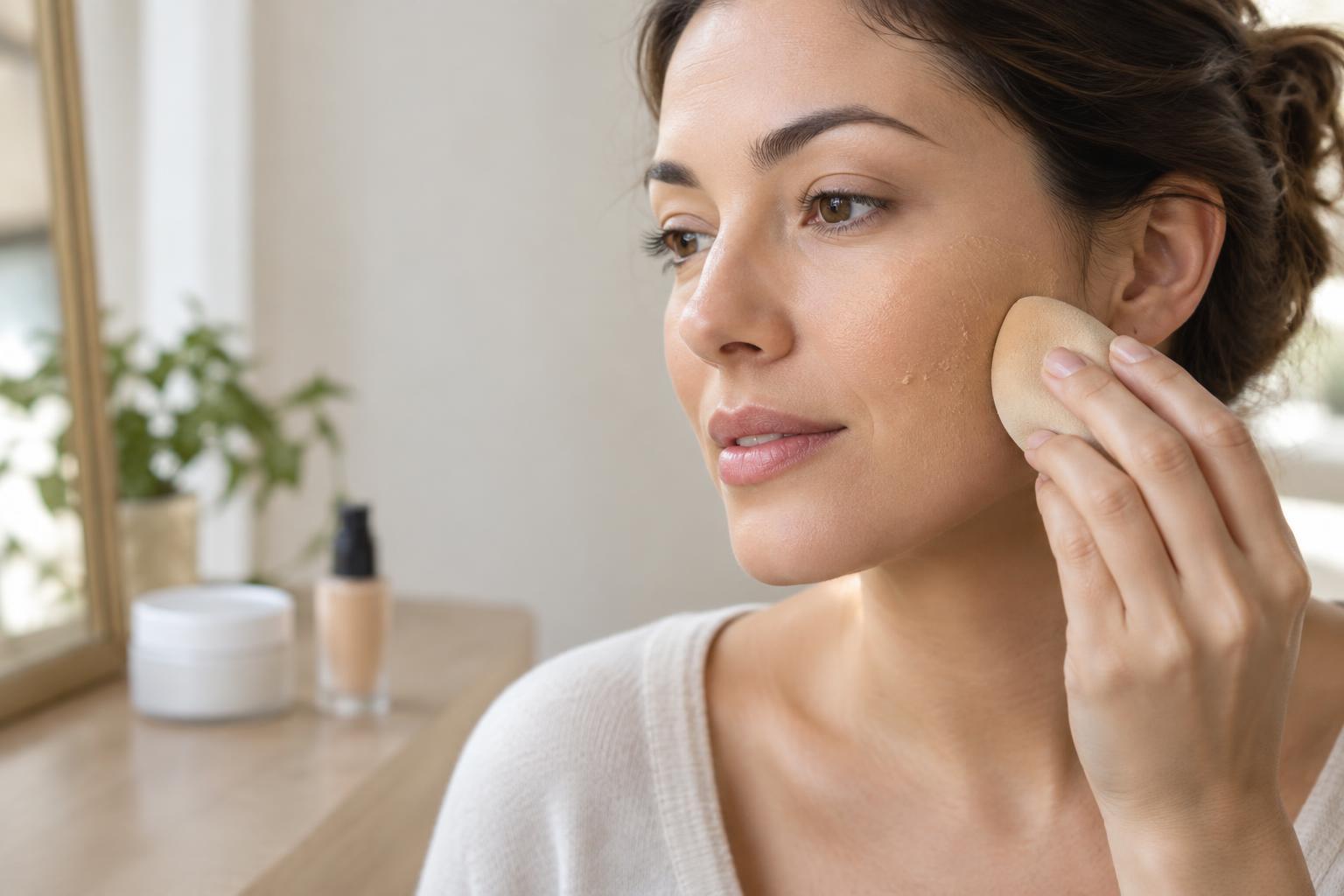
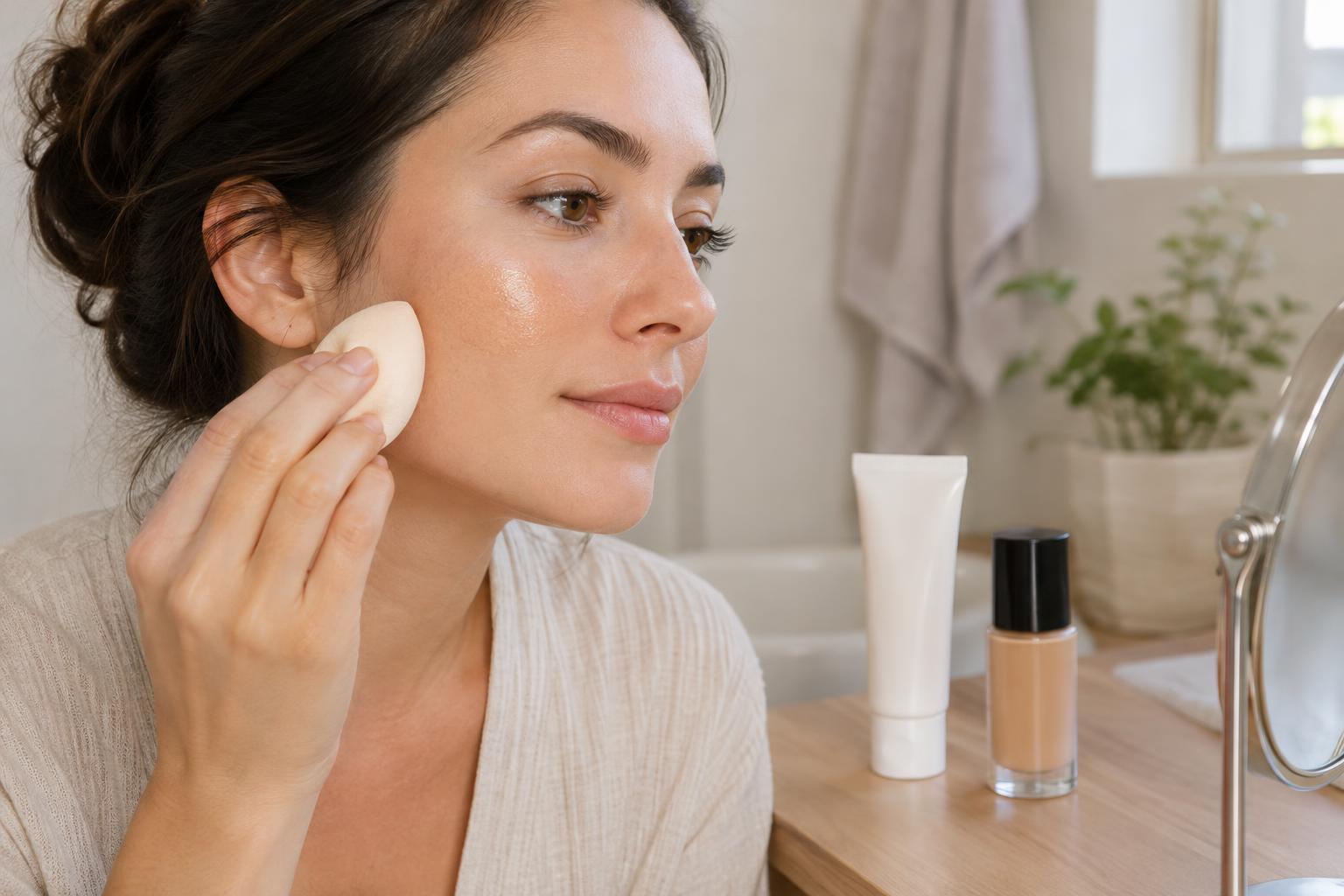
Applying primer across the face can be convenient when you want a consistent base under foundation or skin tint. For example, a primer chosen for a soft, hydrated-looking finish might be useful wherever you plan to apply complexion makeup. An all-over approach can also simplify preparation when you do not notice major differences between areas of your face.
All over does not mean a thick coat. Start with a small amount and spread it thinly, avoiding unnecessary buildup near the hairline and around features where product can collect. Follow the product’s directions for use, and give your moisturizer and sunscreen time to settle before layering primer over them. Primer should complement those steps, not replace them; if you use sunscreen, apply the amount directed on its label rather than mixing it with primer.
When targeted application is the better choice
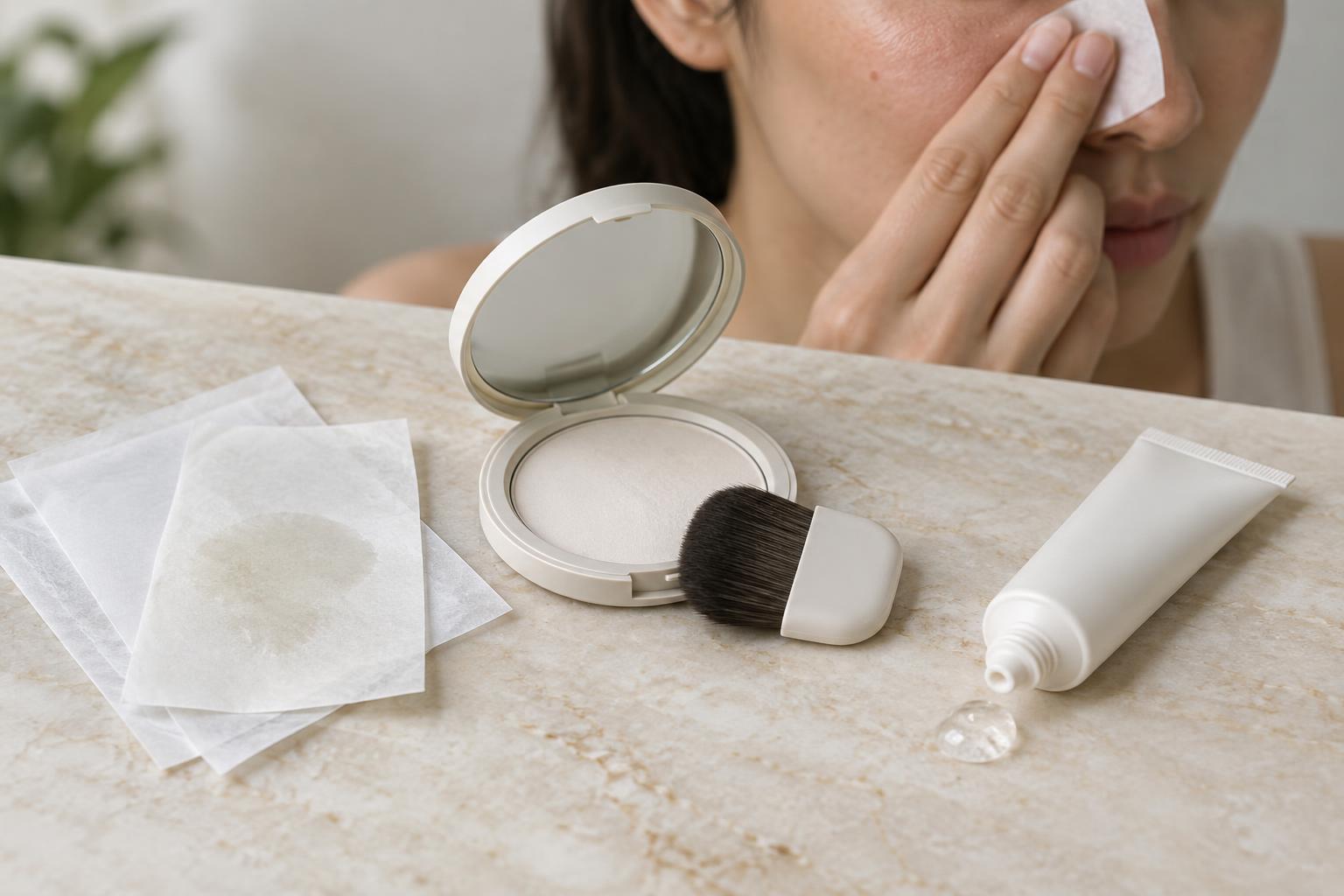
Selective application is often the simplest option when only a few areas need attention. You might place a mattifying primer on a shiny-looking forehead, nose, or chin while leaving the cheeks alone. You might use a smoothing formula only where makeup tends to catch or look uneven. If you want a luminous effect, applying that primer just to the areas where you want a glow can keep the rest of the finish more neutral.
Targeting also helps you avoid stacking products where they do not seem useful. A primer that feels comfortable on one part of your face may feel too heavy or too dry on another. You do not have to use multiple primers to address this: applying one formula only where you like its effect is a complete approach. Keep product away from the immediate eye area unless its directions say it is suitable there.
How to apply primer without disrupting makeup
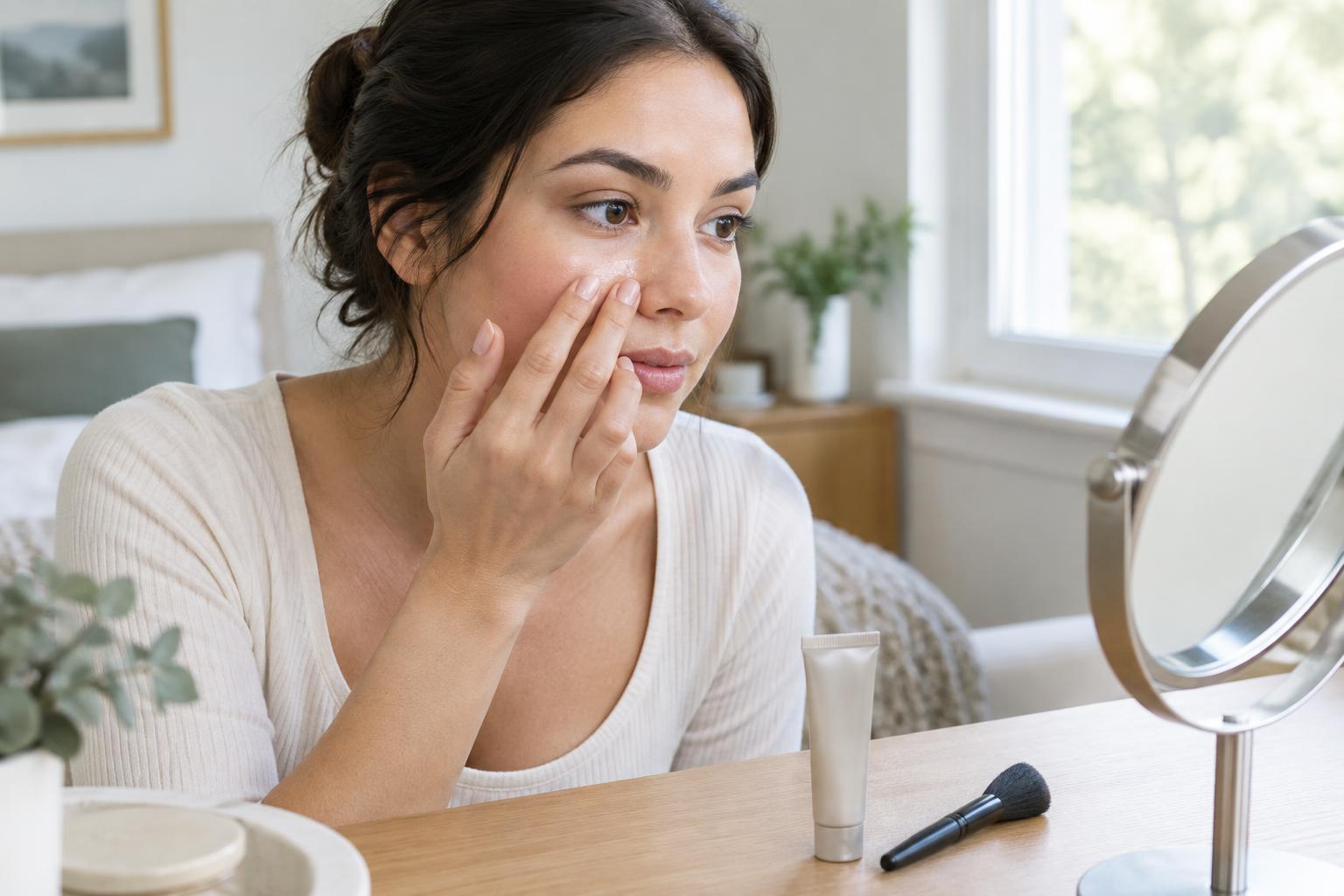
After your usual skincare has settled, place a little primer on clean fingertips and spread or press it over the chosen areas. Use enough to create a light, even layer rather than a coating you can clearly feel. If you are targeting the center of the face, soften the edges so foundation does not meet an obvious boundary between primed and unprimed skin.
Let the primer settle according to its directions before applying makeup. Then apply foundation or concealer gently at first; repeated rubbing can sometimes shift the layers underneath. If makeup pills or rolls into small bits, try using less product, allowing more time between layers, or changing how you apply them. Pilling does not automatically mean any one product is poor quality—layering amounts, textures, and technique can all play a part.
Use the finished look to guide your next application
Try a simple comparison on a day when you have time: apply primer to one area where you think it is useful and leave a similar area unprimed. Put makeup on as you normally would and check the finish in your usual lighting. Notice whether the primed area looks smoother, more matte, more luminous, or essentially unchanged. Comfort matters, too; a layer that looks good but feels unpleasant may not be worth keeping in your routine.
Your preferred placement can change with the makeup you wear. A sheer tint may need little preparation, while a fuller-coverage foundation may reveal differences in texture or finish more readily. Neither whole-face nor targeted priming is inherently better. Use primer wherever its effect is noticeable and welcome, and feel free to skip it where your makeup already works well.