Start with the result you want
Prepping for makeup is less about using every product you own and more about creating a comfortable, even surface. For most people, the essentials are simple: clean skin, enough moisture to prevent a tight or flaky feel, and sun protection when getting ready for the day. A primer or other extra step can be useful, but it does not need to be automatic.
Before adding anything, notice what tends to happen after you apply makeup. If foundation catches on dry patches, you may need to pay more attention to moisturizing. If products slide around, a lighter moisturizer or less of it may work better than another layer meant to control shine. If your makeup already wears comfortably, there is no need to complicate the routine.
Keep cleansing gentle and purposeful
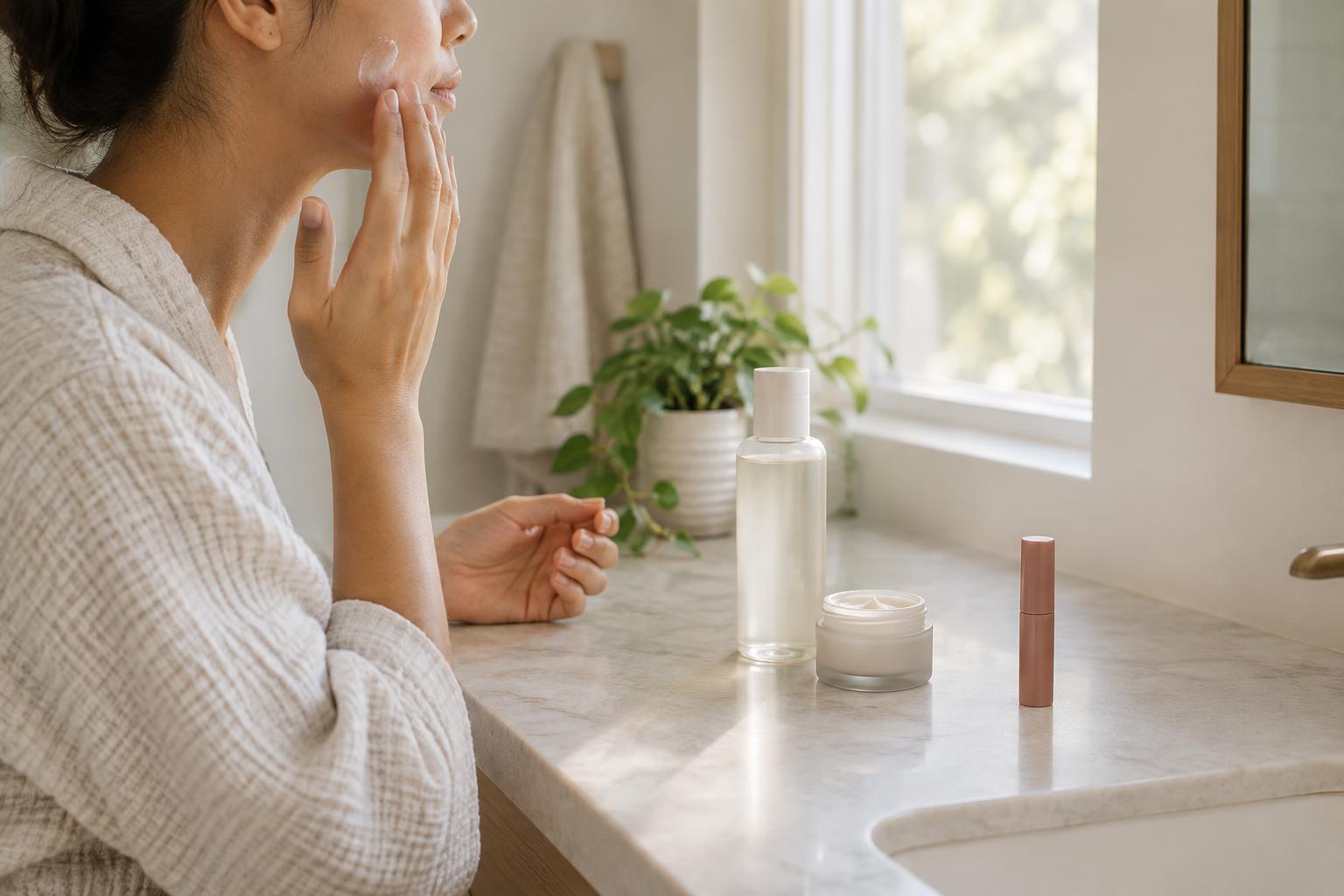
Begin with skin that is free of leftover makeup, excess oil and residue from the night before. A gentle cleanse is often enough. If your skin already feels clean when you wake up, a rinse may suit your routine; if it feels oily or has product residue, a cleanser may be more helpful. The aim is not to leave your face feeling squeaky or tight.
Pat your skin dry rather than rubbing it, then move on to moisture. Applying several cleansing or exfoliating products before makeup can leave skin feeling uncomfortable or make it harder to tell which step is affecting the finish. Save a more elaborate routine for a time when you can judge how each product behaves on its own.
Use the fewest layers that meet your needs
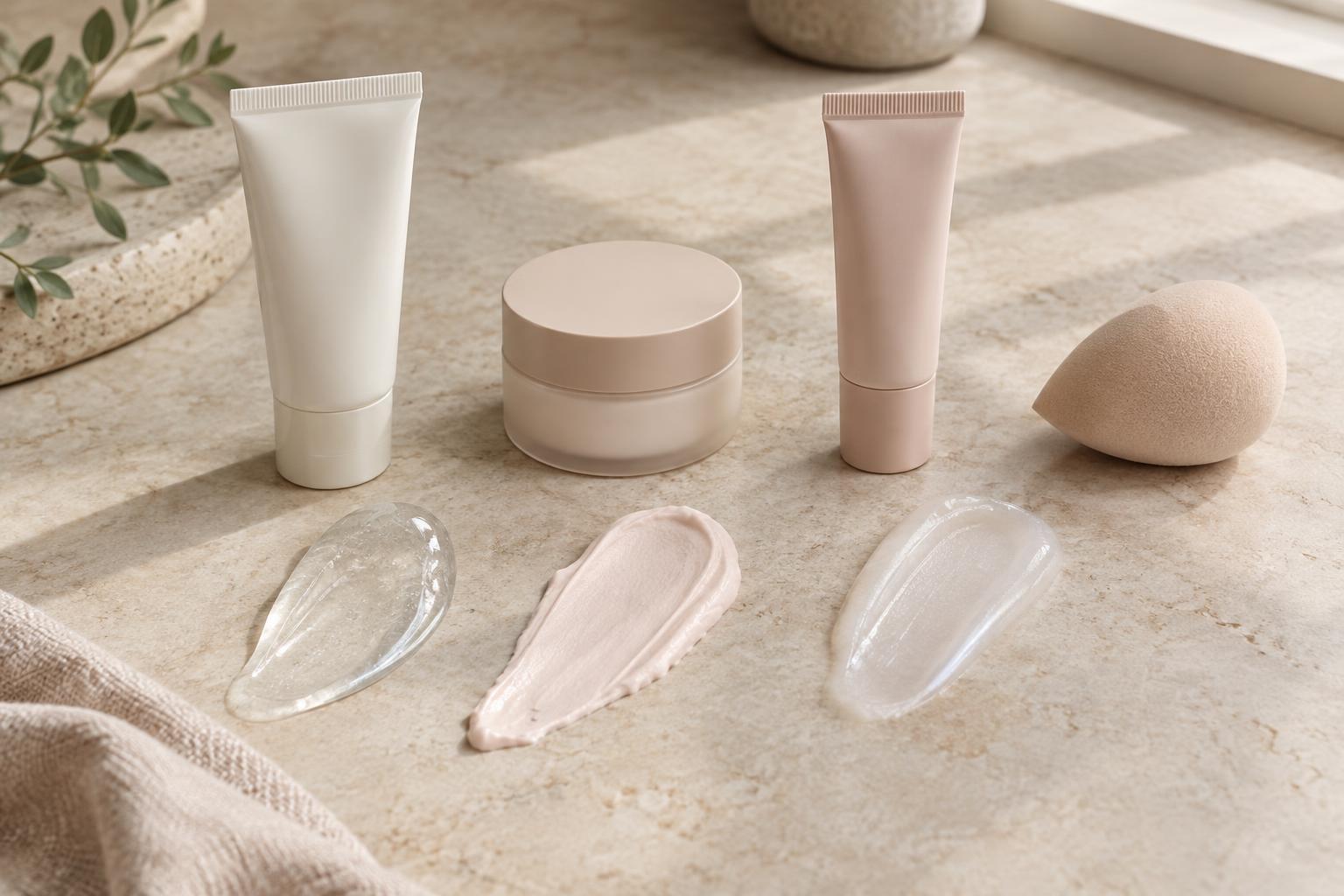
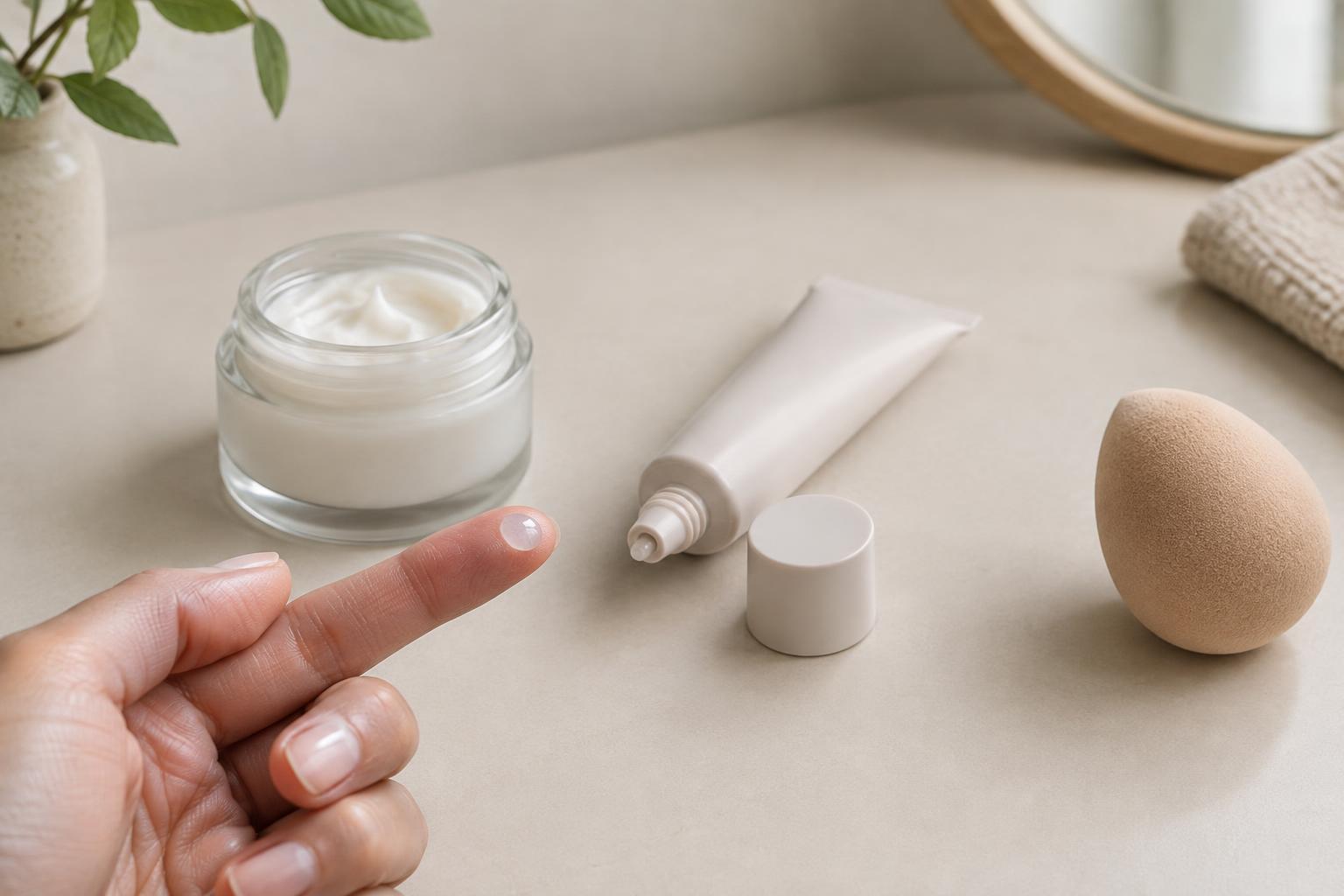
A moisturizer helps skin feel comfortable beneath makeup. Choose a texture you like wearing: a lighter lotion or gel may feel better under a fuller foundation, while a cream may suit skin that feels dry. Apply an even layer rather than building up extra product where makeup tends to move. If one moisturizer is doing the job, a separate serum is optional.
For daytime makeup, sunscreen is an important step. Apply it according to its label, and do not rely on foundation alone for sun protection unless you are using it in the amount directed for that purpose. Let sunscreen settle before applying makeup, but do not rub or blend it away in an effort to make the next layer look smoother.
Primer is also optional. It can change how makeup glides on or how a particular area looks, but it cannot make every foundation and moisturizer work together. If you want to try one, start on the area where you want a different finish rather than covering your whole face by default. This keeps the routine easier to adjust.
Give products room to settle
Layering quickly can leave products mixing on the surface instead of sitting comfortably. After moisturizer and sunscreen, allow each to settle until your skin no longer feels especially wet or slippery. There is no universal waiting time: textures, amounts and your environment all affect how a product feels. You can use that pause to do your hair or gather your makeup.
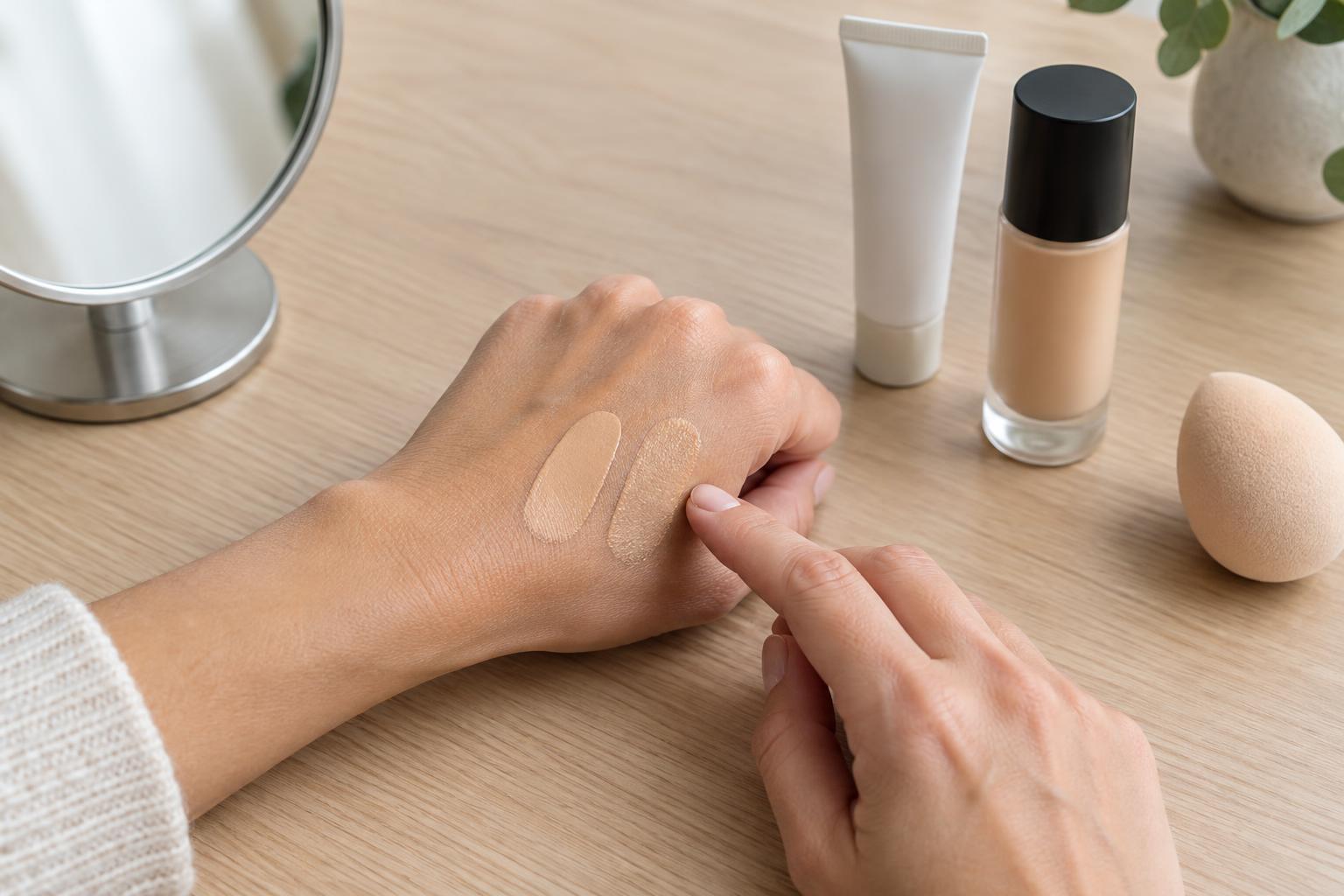
Apply makeup with a light touch at first. Pressing or sweeping repeatedly over the same spot can disturb the layers underneath, particularly around the nose or on dry areas. Start with a small amount of foundation or concealer and add coverage only where you want it. Using less base makeup may also reduce the temptation to add more prep products to make it behave.
Troubleshoot one step at a time
If small rolls or flakes appear while blending, the cause may be product pilling rather than dry skin. Too much product, repeated rubbing or formulas that do not layer well together can all contribute. Try using less of one layer, letting it settle longer, or applying makeup with a pressing motion. Change one thing at a time so you can tell what helped.
A simple routine can vary from day to day. You might use a richer moisturizer when skin feels dry, skip primer when makeup sits well without it, or choose lighter coverage when the weather feels humid. Keep the steps that have a clear purpose for you. A dependable pre-makeup routine is one you can repeat comfortably, not one with the longest product list.