What primer adds to a makeup routine
Face primer is a product applied before foundation or other complexion makeup to change the surface that makeup goes onto. Depending on the formula, it may add slip, reduce the look of shine, soften the appearance of texture, or help makeup apply more evenly. Some primers also add a slight tint or glow. None of these effects makes primer a required step: its value depends on your skin, the makeup you use, and the finish you want.
Think of primer as a targeted makeup tool rather than a replacement for skincare. Moisturizer helps skin feel comfortable, while primer mainly affects the way makeup looks or behaves on top. The two can overlap—a moisturizing primer may provide enough comfort for some people—but a product labeled “primer” is not automatically better at preparing skin than a moisturizer you already like.
How different primers affect the finish
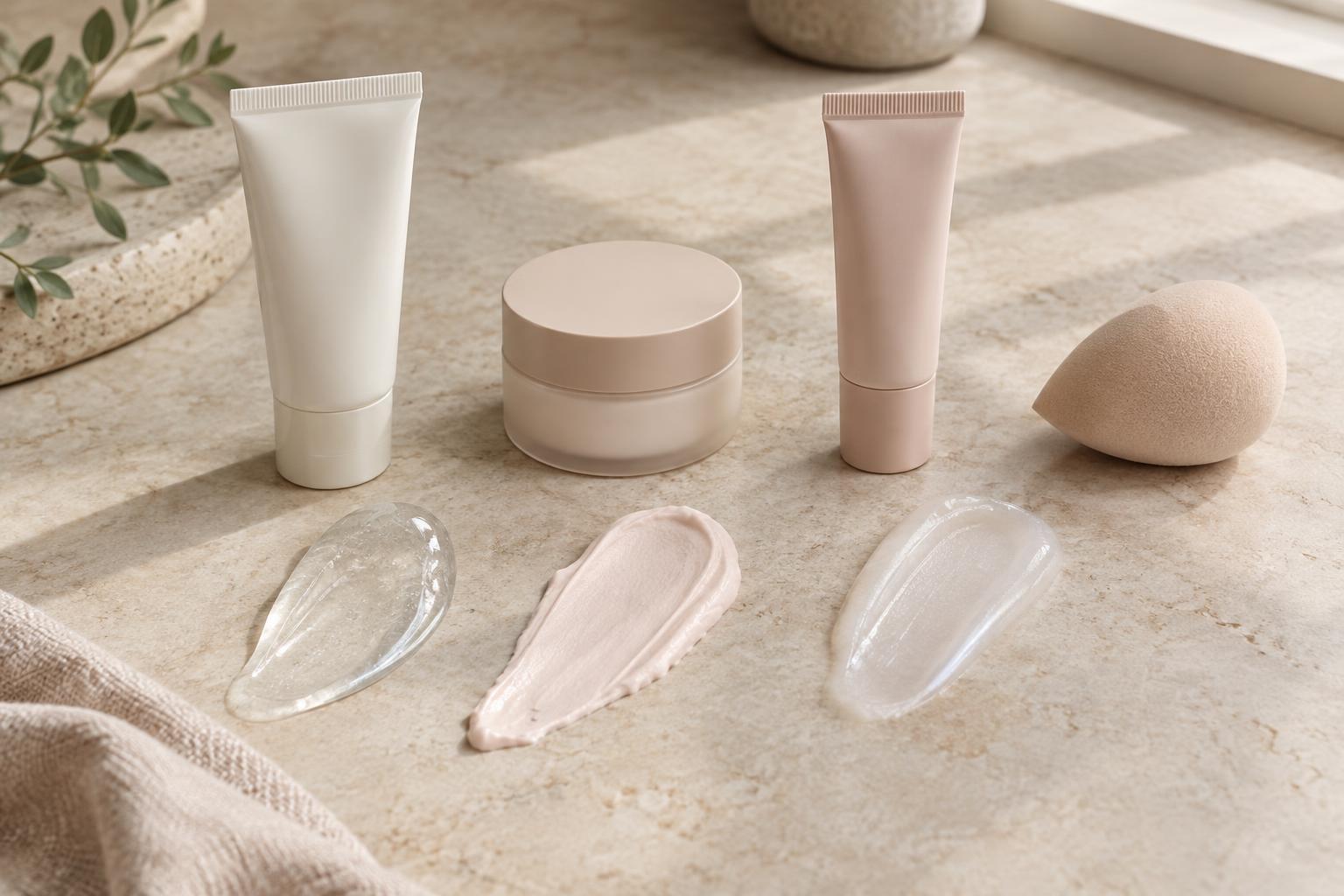
Hydrating primers aim to give makeup a smoother-looking base when skin feels dry or foundation catches on rough-looking areas. Mattifying primers are intended to reduce surface shine, often where oil becomes noticeable during the day. Smoothing primers can temporarily blur the appearance of pores or fine texture by creating a more even-looking surface. Illuminating primers add light-reflecting sheen; they may be useful under makeup or only on areas where you want a glow.
These descriptions are guides, not guarantees. A primer that feels beautifully smooth on bare skin might not work well under a particular foundation. Likewise, “long-wear” on a label does not mean makeup will look unchanged all day. The amount applied, the products layered over it, and how often you touch your face can all affect the result. If you are comparing options, choose the finish you actually want rather than assuming one primer should solve every makeup concern.
When skipping primer makes sense
You can skip primer if your makeup already applies evenly and wears as well as you need it to. A comfortable moisturizer may be enough preparation for a light base or a small amount of concealer. Skipping primer can also make a routine simpler when several layers feel heavy or cause products to roll into little flakes, sometimes called pilling. More layers do not necessarily produce a smoother finish.
Primer is most worth trying when you can name a specific issue: foundation separating in one area, shine showing through sooner than you would like, or makeup emphasizing visible texture. Even then, you may only need it in that area rather than across your whole face. If makeup looks uneven because the layer beneath it has not settled, changing the timing or amount of moisturizer may be a better first experiment than adding another product.
How to apply primer without overdoing it
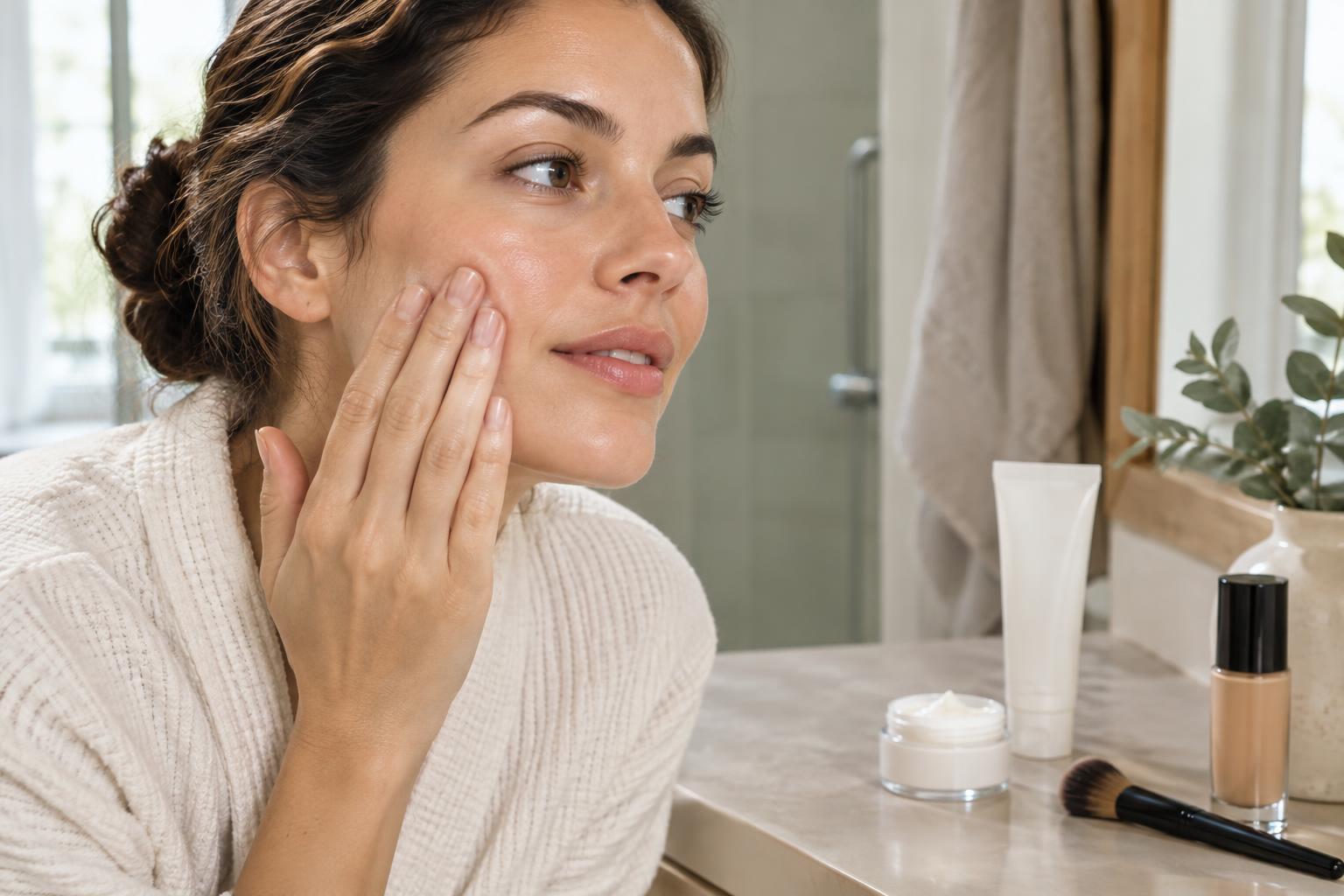
Start with your usual skincare and allow each layer to settle before adding the next. If you use sunscreen, apply it as directed and give it time to form an even layer before makeup; primer does not replace sunscreen. Avoid mixing primer into sunscreen or rubbing repeatedly over it, which may disturb the layer. A gentle patting or smoothing motion is often enough for primer.
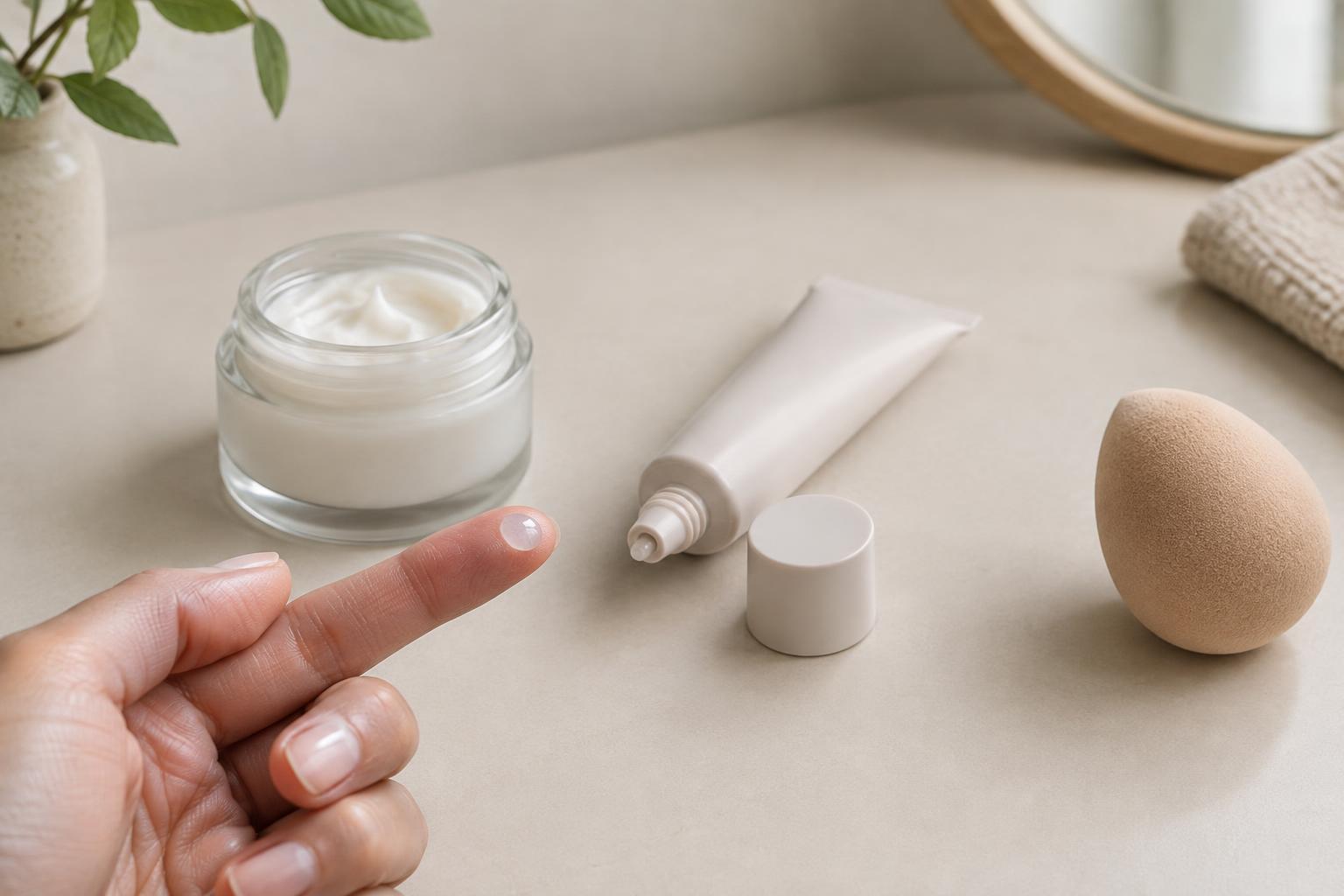
Use a small amount first, concentrating on the places where you want its effect. Applying a thick layer can make foundation slide or pill instead of helping it stay put. After primer, add foundation in a thin layer and build coverage only where needed. If products ball up, try using less of one layer, allowing more time between layers, or testing a different combination. Rules about pairing “water-based” and “silicone-based” products are not foolproof; how the finished formulas work together matters more than a single ingredient label.
A simple way to decide whether it earns a place
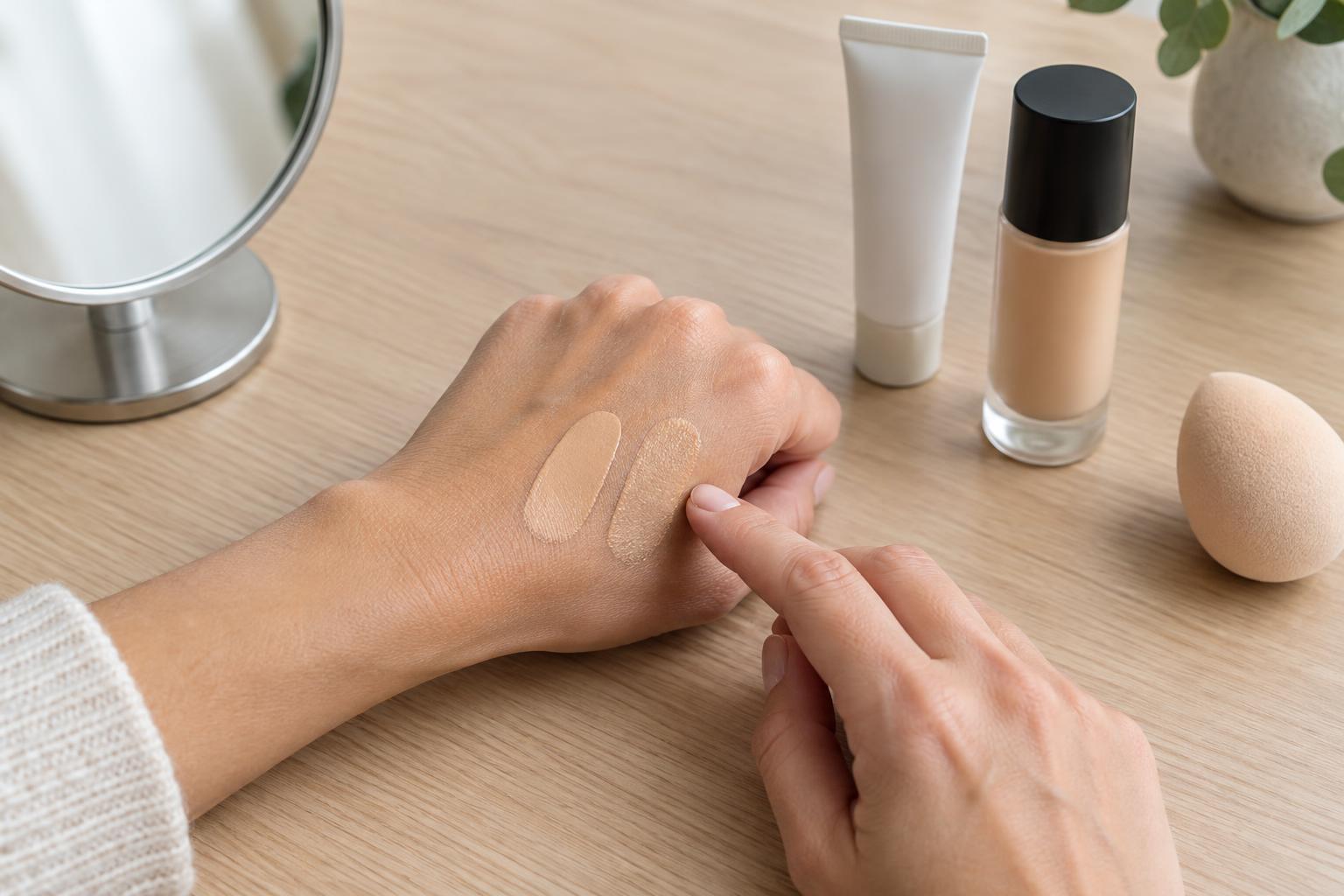
Test primer against your normal routine rather than judging it by how it feels when first applied. On a day when you can observe your makeup, use the same skincare and foundation you normally would, with primer on one side of your face and none on the other. Apply similar amounts of makeup to both sides. Check how each side looks after application and later in the day, paying attention to the issue you hoped primer would improve.
If you cannot see a useful difference, there is no need to keep the extra step. If primer helps only around the nose or on the forehead, use it there. The best preparation is the one that gives you a comfortable base and a result you like, whether that takes one product or several.