What a primer can do
A makeup primer is an optional layer applied before foundation or other complexion products. It can change the feel or finish of the surface makeup goes onto: some add a dewy look, some reduce visible shine, and others make texture appear smoother. A primer cannot permanently change skin texture or replace a routine that feels comfortable on its own.
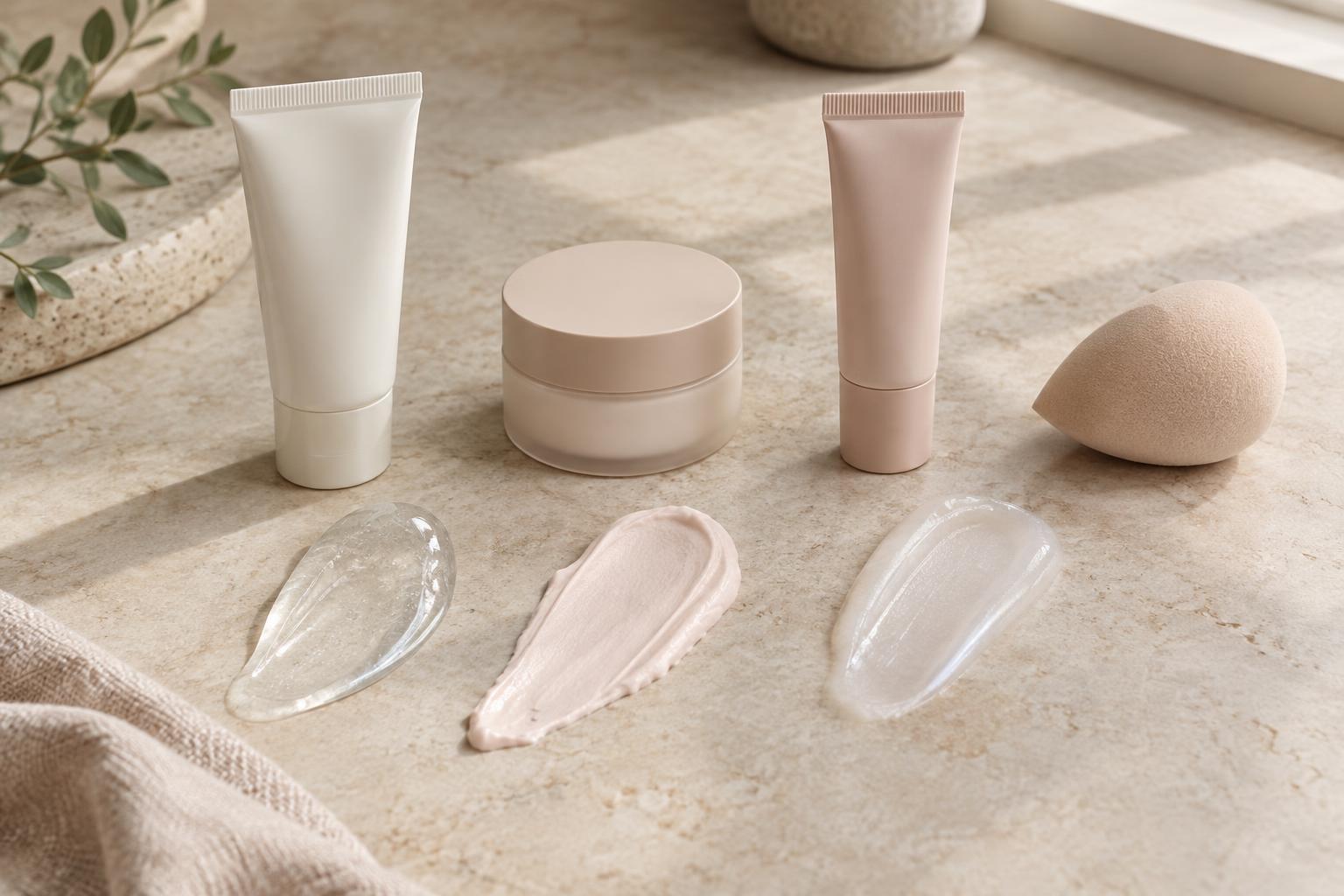
The labels “hydrating,” “mattifying” and “blurring” describe intended effects, not rigid ingredient categories. One formula may offer more than one effect, and the result can depend on what you apply beneath and over it. Think first about the issue you want to address during makeup wear, then compare the product’s finish and texture with your preferences.
Hydrating primers: a more comfortable, fresh-looking base
Hydrating primers are designed to add a moisturized feel or help makeup sit comfortably on skin that feels dry or tight. They may contain humectants, such as glycerin, which attract water, alongside ingredients that give the formula slip. Some leave a luminous finish; others simply feel less dry without adding obvious shine.
A hydrating primer is not necessarily a substitute for moisturizer. If moisturizer is already part of your routine, apply it first and let it settle before adding a thin layer of primer. Using too much of either product can make foundation slide or gather in certain areas. If you prefer a less shiny result, look at the stated finish rather than assuming every hydrating formula will look dewy.
Mattifying primers: managing the look of shine
Mattifying primers aim to reduce visible shine and create a less reflective finish, particularly where makeup tends to look oily. They may use powders or other oil-absorbing ingredients, though formulas vary. “Mattifying” describes the appearance the product is meant to give; it does not mean it will stop skin from producing oil.
Placement often matters more than covering the entire face. If your forehead and nose become shiny but your cheeks feel comfortable, try a small amount only in those areas. A thick layer can make makeup look heavy or emphasize dry-looking patches. The effect may also change as the day goes on, so a claim such as “shine control” is best understood as a product goal, not a guarantee of an all-day matte finish.
Blurring primers: softening the appearance of texture
Blurring primers are made to make features such as visible pores or fine surface lines appear less noticeable under makeup. Many rely on a smooth, slippery texture or light-diffusing particles to create that effect. They work at the surface: they do not shrink pores or remove lines. Their finish may be matte, luminous or somewhere between.
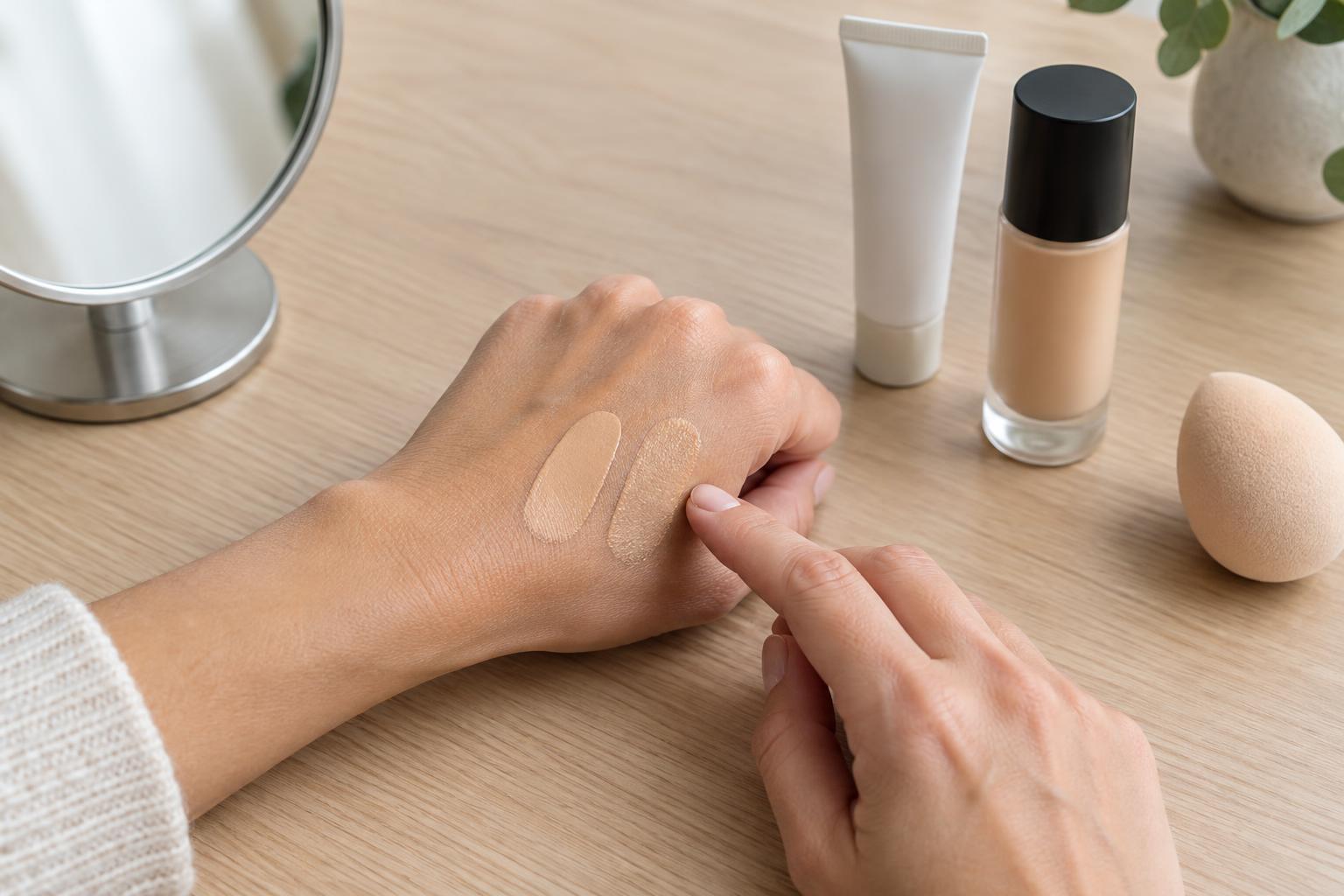
For a targeted effect, apply a small amount where you want a smoother-looking finish and spread it gently rather than building a thick coat. Check the result in ordinary lighting as well as close up. A formula that looks smooth on bare skin may behave differently under foundation, especially if you apply several layers.
Choosing and applying a primer without overcomplicating your routine
Start with the finish you want from your makeup. Choose hydrating if comfort or a less dry-looking base is the priority, mattifying if visible shine is the main concern, or blurring if you want to soften the appearance of texture. You can use different types on different parts of the face, but you may find that one well-chosen product—or no primer at all—works just as well.
Apply primer after your usual skincare has settled. If you use sunscreen, follow its application directions rather than relying on a primer or foundation as its replacement. Then use a thin layer of primer and allow it to set before applying makeup. If the layers pill, roll up or separate, try using less product or changing one layer at a time. Testing a primer with the foundation you actually wear is more useful than judging its claims from the label alone.