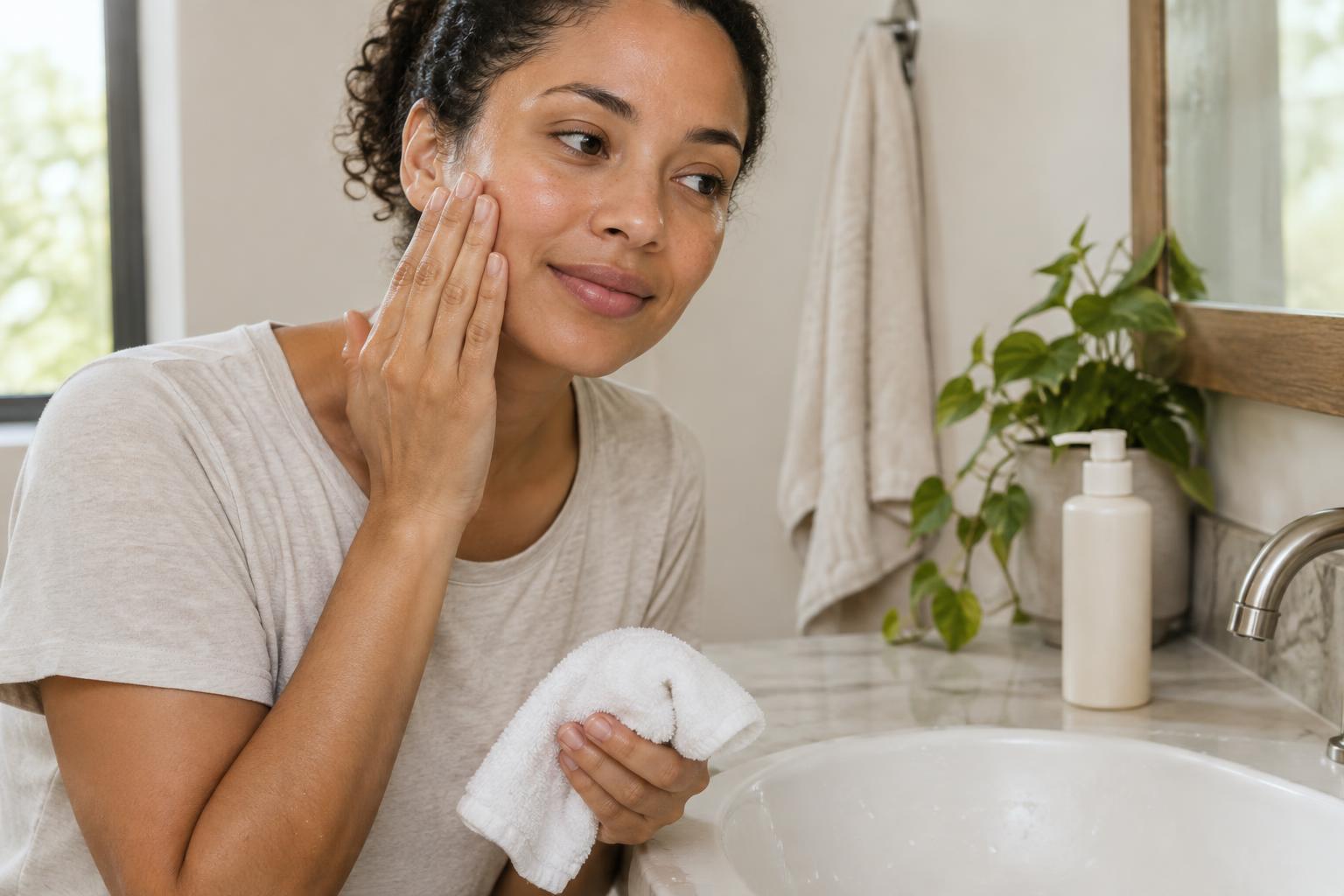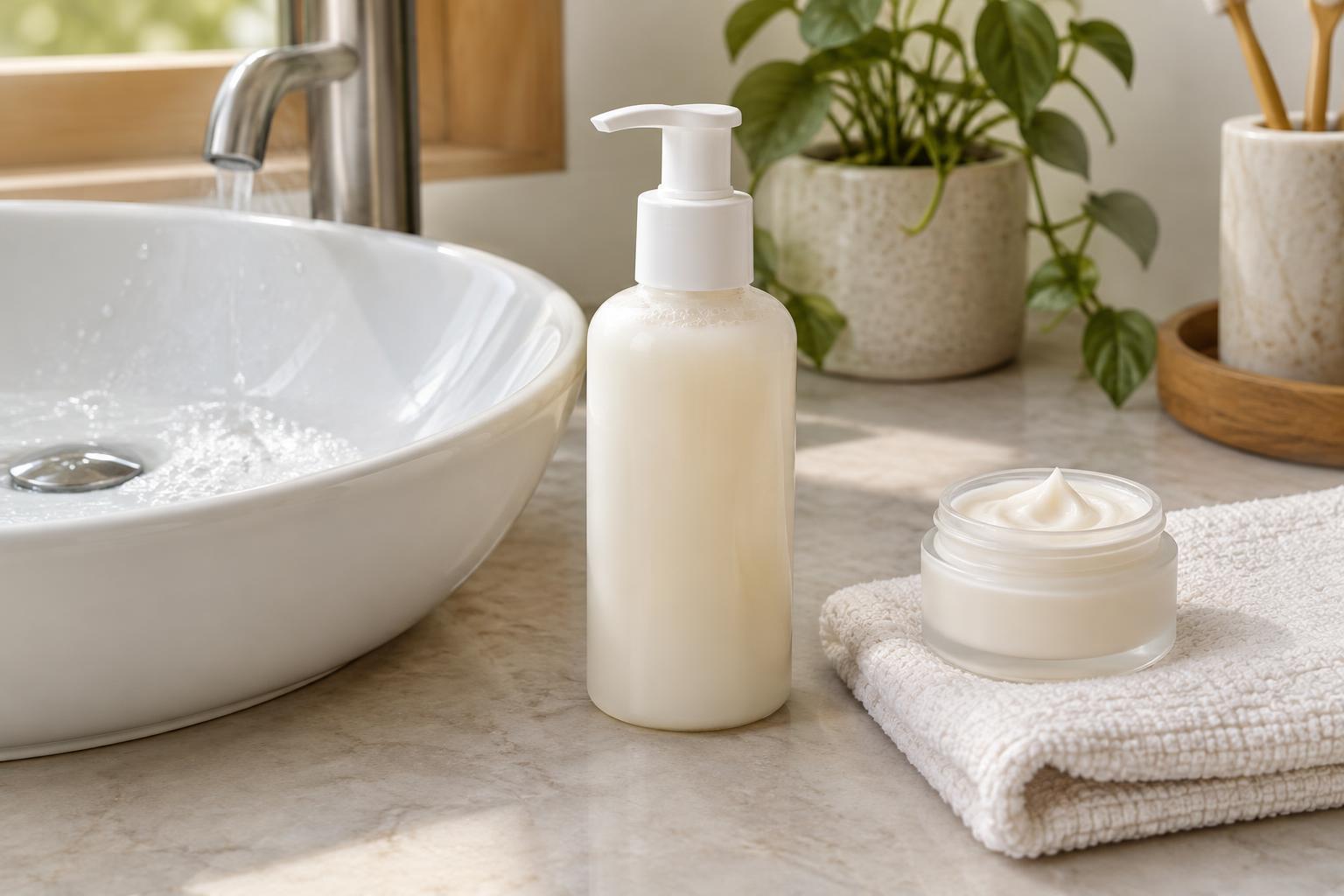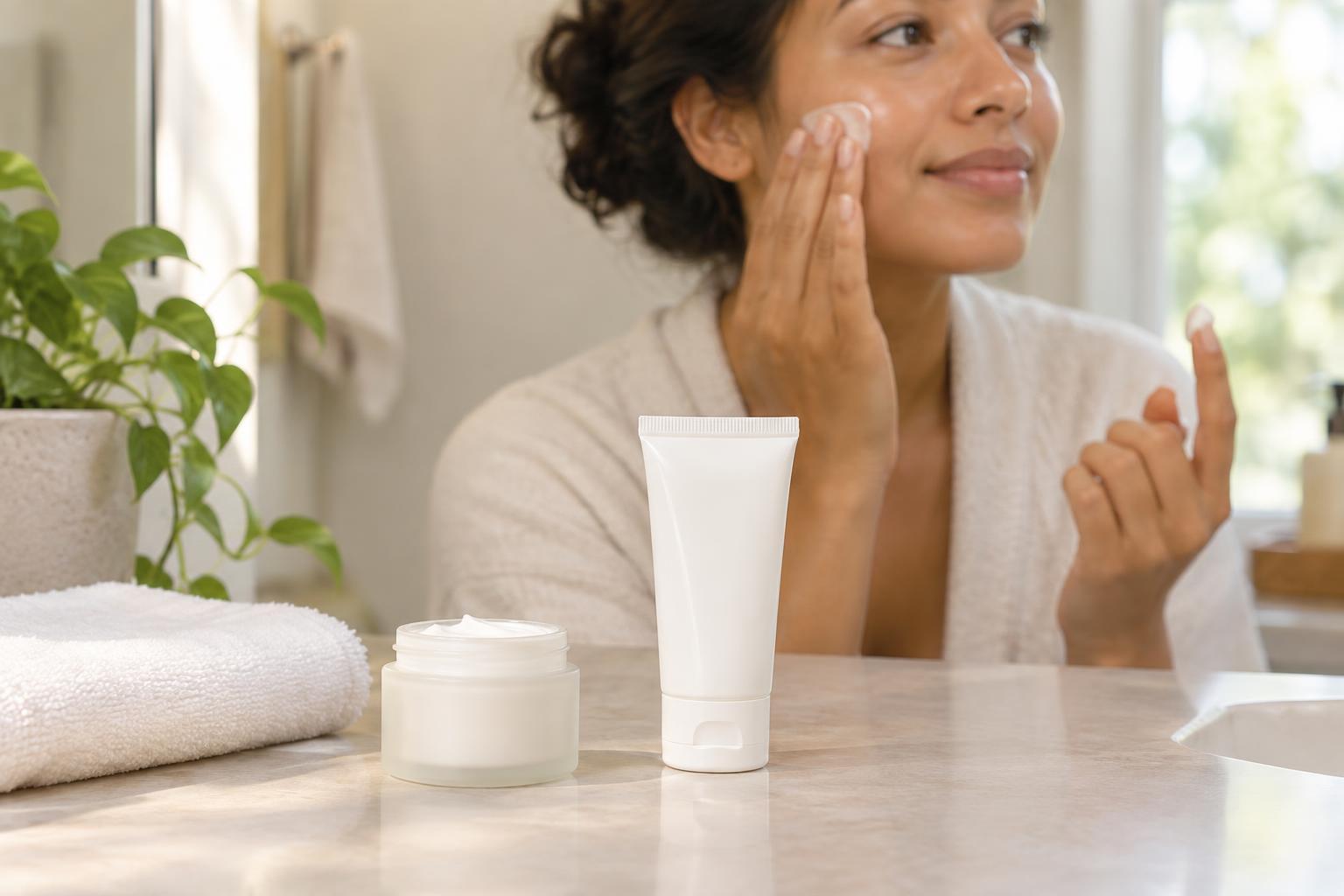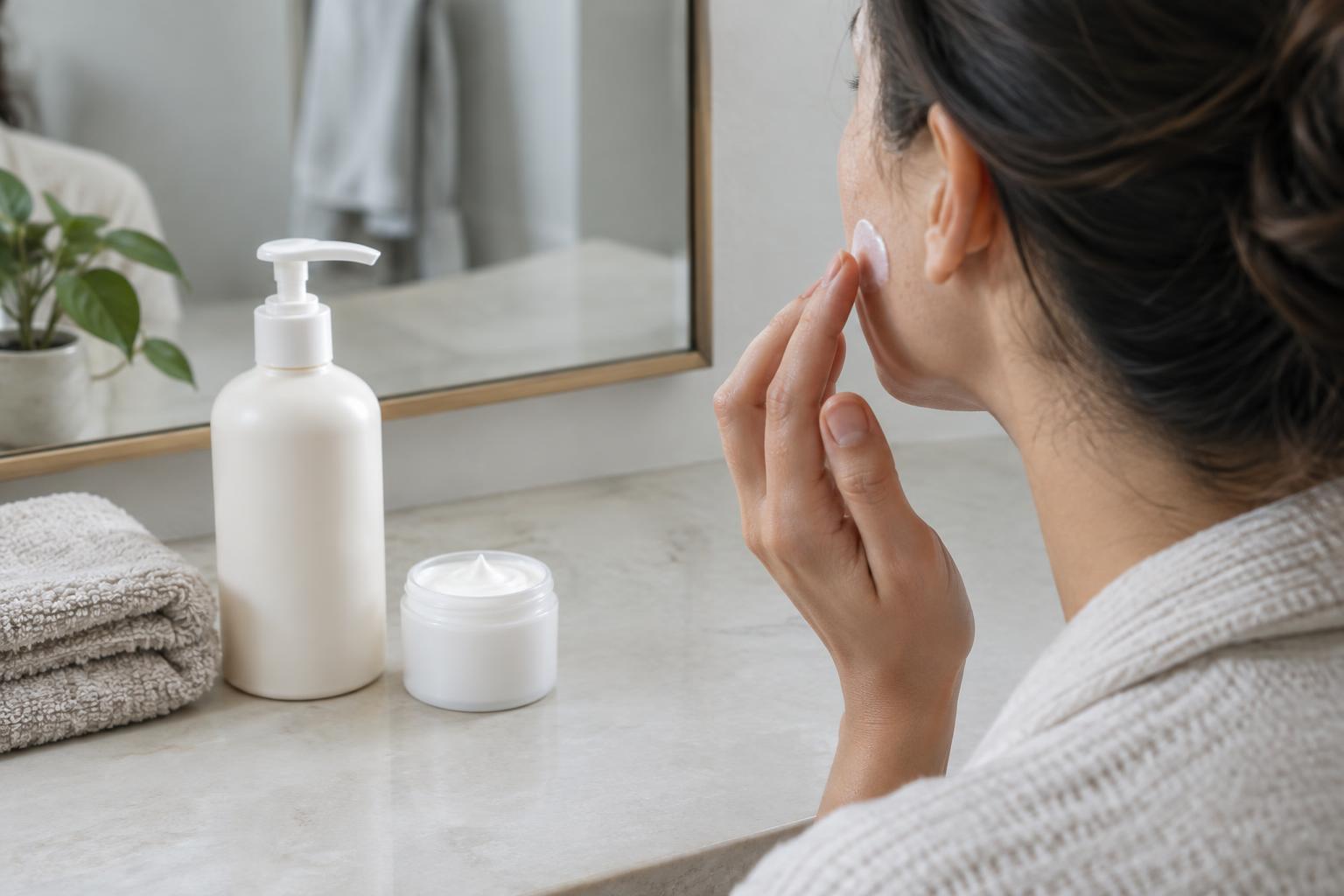
The short answer: sometimes
You can use some body moisturizers on your face. Both body and facial moisturizers are designed to help skin feel softer and reduce moisture loss, and their ingredient lists can overlap. The words “body” and “face” describe how a product is positioned and formulated, not an absolute boundary between safe and unsafe use.
The more useful question is whether a particular product suits your facial skin and the rest of your routine. A rich lotion that feels comfortable on your legs might feel greasy under makeup. A scented cream you enjoy on your arms might be unpleasant near your nose or eyes. On the other hand, a simple, fragrance-free body lotion may be perfectly comfortable on the face for some people.
Why the formulas may feel different
Moisturizers often combine ingredients that attract water, ingredients that soften the skin’s surface, and ingredients that help limit water loss. Glycerin is a common example of a water-attracting ingredient. Oils, fatty ingredients and petrolatum can contribute softness or a protective feel. None of these ingredients belongs exclusively in a face or body product; the combination and the amount used affect the finished texture.
Body creams are sometimes made to spread over large areas and leave a lasting, cushioned feel. Facial moisturizers may instead be designed to sit comfortably beneath sunscreen or makeup. These are tendencies, not rules. You can find lightweight body lotions and very rich face creams. The product’s texture and your experience with it are more informative than the category printed on the front of the package.
What to check before applying it to your face
Start with the directions. If the label says to avoid the face or eye area, follow that guidance. Check whether the product contains fragrance or has a strong scent, especially if scented products tend to bother you. Exfoliating acids, retinoids or other active ingredients in a body product also deserve extra attention: a formula intended for occasional use on rough body skin may not fit a simple daily facial routine.
Next, think about finish. If you prefer a light layer or find that heavy products leave your face uncomfortable, a thick body butter may not be your best choice. If your skin tends to feel dry and you like richer textures, that same quality might appeal to you. A “non-comedogenic” label can be useful context, but it does not guarantee that a product will suit everyone or prevent breakouts.
How to try a body moisturizer thoughtfully
If the label permits facial use and the formula looks suitable, begin with a small amount on a limited area rather than covering your whole face at once. Keep it away from the eyes and lips unless the product directions allow use there. Try it on clean skin, and give it time to settle before deciding whether the finish works for you. If you notice stinging, persistent discomfort or an unwanted change in how your skin feels, stop using it on your face.
Consider how it fits with other products. A moisturizer can go after cleansing and before daytime sunscreen; it does not replace sunscreen unless it is specifically labeled with sun protection and used according to its directions. If a body lotion feels too heavy beneath sunscreen or causes makeup to slide, using less may help, but you do not need to force the combination. It is reasonable to keep that product for your body.
Choosing the option that works for your routine
There is no need to buy separate products solely because one jar says “body” and another says “face.” If a body moisturizer feels comfortable, follows its labeling and works alongside the products you already use, it may be a practical choice. A fragrance-free lotion with a texture you enjoy can be an uncomplicated place to start when comparing options.
A dedicated facial moisturizer may be worth considering if you want a lighter finish, prefer a product designed to layer under makeup, or have difficulty finding a body formula that feels good on your face. Whichever label you choose, judge the product by its directions, formula and everyday feel rather than assuming that more expensive or more specialized automatically means better.