What each method does
A facial cleanser helps loosen sunscreen, makeup, oil and other residue so they can be rinsed away. Your hands or a washcloth help spread the cleanser and lift what it has loosened. Neither tool automatically gives a better clean. The result depends on the product you use, how much residue you are removing, how gently you work and how thoroughly you rinse.
Fingertips offer direct contact and easy control. You can move cleanser around the nose, hairline and jaw without adding much texture against the skin. A washcloth adds a fabric surface that can help wipe away loosened product, especially where a simple rinse leaves traces behind. That extra wiping also adds friction, which is useful in some moments and unwelcome in others.
Think of cleansing as removing what is on the skin, not polishing the skin itself. A comfortable, clean-feeling face does not need to feel squeaky or tight. If you find yourself repeatedly scrubbing to remove a product, changing the cleanser or allowing it more time to spread may be more helpful than pressing harder.
When fingertips make sense
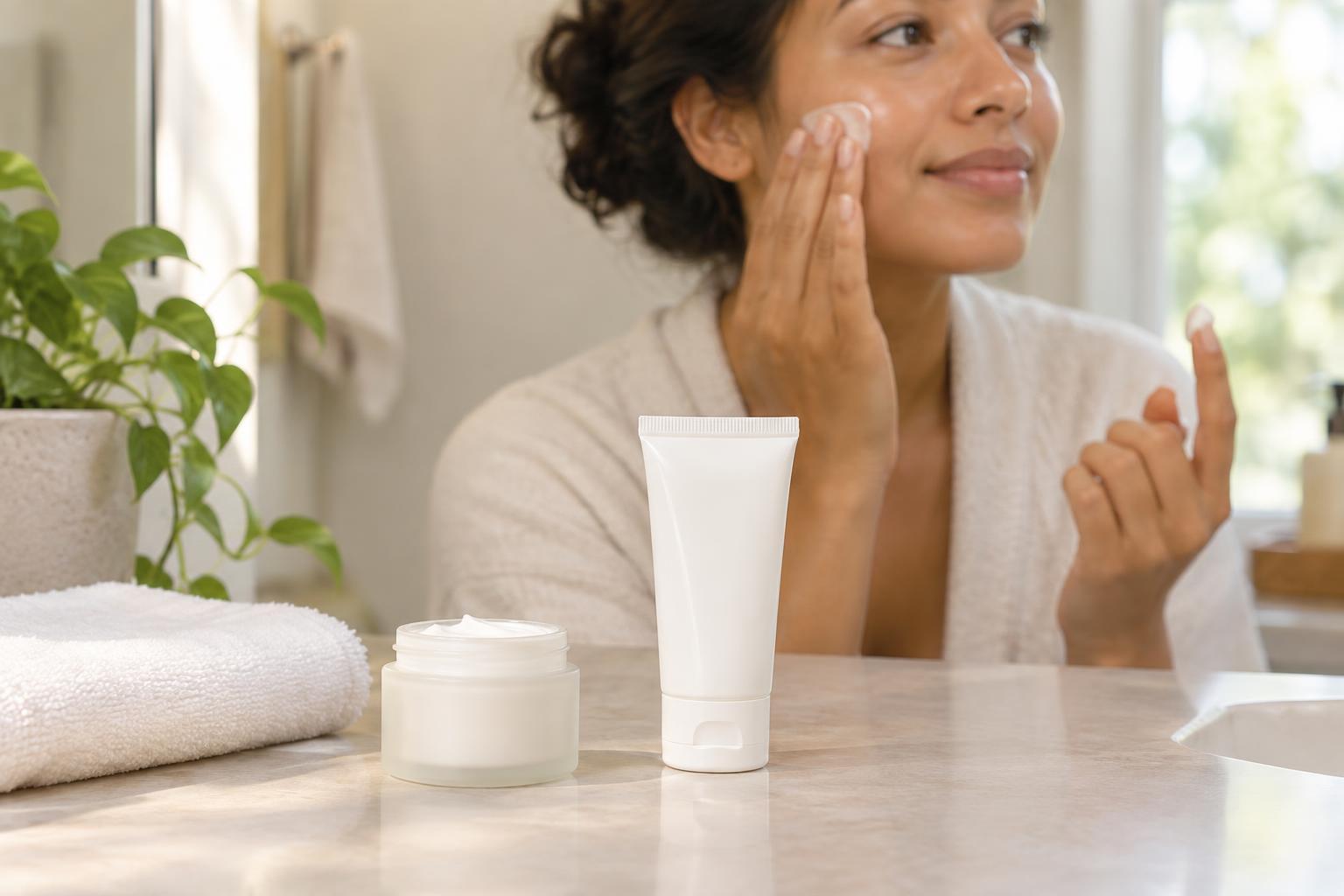
Fingertips are a practical default for an everyday cleanse. Wash your hands first, then apply cleanser as its directions suggest. Use light, small motions to distribute it over the face, paying attention to areas where products tend to collect. Rinse carefully, including around the hairline and sides of the nose. The goal is enough contact to move the cleanser, not a long massage or firm rubbing.
This approach may feel more comfortable when skin is easily bothered by rubbing or when you have already used a product that leaves skin feeling dry. Fingers also make it easier to notice when you are applying too much pressure. Keep nails from scraping the face, and remember that fingertips alone may not remove every trace of a long-wearing or water-resistant product in one pass.
If residue remains, consider whether your cleanser is suited to the products you wear. A separate makeup-removing step or a second gentle cleanse may work better than vigorous rubbing. You can check for leftover makeup as you dry your face, rather than assuming that more time spent massaging always means more effective cleansing.
When a washcloth can help
A soft, damp washcloth can be handy for lifting loosened cleanser and makeup, particularly around the edges of the face. It also lets you control where you wipe instead of splashing repeatedly. Choose a cloth that feels smooth against your skin, wet it with comfortably lukewarm water and use light strokes. Hold or glide it over an area rather than scrubbing back and forth.
Fabric texture, pressure and the number of passes all affect how much friction a cloth creates. A rough cloth used firmly is different from a soft one used once to remove cleanser. If your face feels hot, tender or unusually tight afterward, try less pressure, fewer passes or fingertips alone. You do not need a cloth at every cleanse simply because it worked well for removing makeup once.
A washcloth also needs care between uses. Start with a clean cloth, let it dry fully after use and launder it regularly according to its care instructions. Avoid sharing a face cloth, and replace one that stays musty or feels coarse. These habits make cloth use simpler and more pleasant without turning cleansing into an elaborate process.
Build a routine around comfort and residue
You can combine the two methods: spread cleanser with clean fingertips, then use a damp cloth only where product is difficult to rinse away. On lighter-makeup days, fingertips and water may be enough. On days with more tenacious sunscreen or makeup, allow your remover or cleanser to do the loosening before reaching for the cloth. Be especially gentle near the eyes, and follow product directions for use in that area.
After rinsing, pat your face dry with a clean towel instead of rubbing it. If moisturizer is part of your routine, apply it while skin still feels comfortable rather than waiting for a tight, dry sensation. Cleansing and moisturizing work together: removing residue matters, but so does avoiding unnecessary stripping or friction along the way.
The best choice is the one that removes your everyday products while leaving your skin comfortable. Start with the gentler, simpler approach and add a washcloth when it serves a clear purpose. If a method consistently leaves residue or makes your face feel uncomfortable, adjust the product, technique or frequency rather than assuming you need to cleanse harder.