What a moisturizing cleanser is designed to do
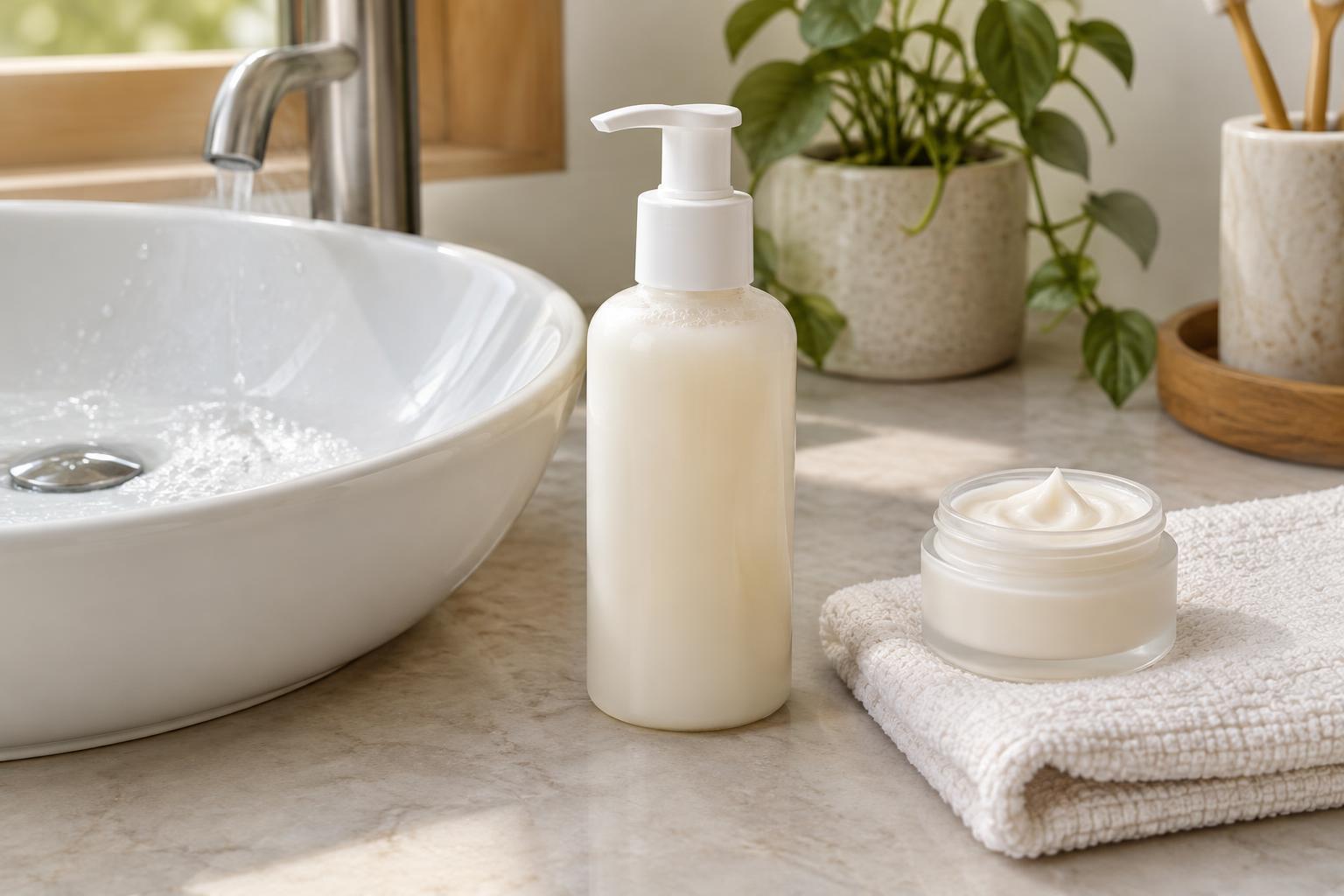
A cleanser’s main job is to lift away makeup, sunscreen, excess oil and everyday residue so they can be rinsed off. A product labeled moisturizing still needs to clean, but it may be formulated to feel less stripping than a stronger cleanser. It might use gentler-feeling cleansing agents or include ingredients intended to help skin feel soft after rinsing.
That comfortable finish is useful, but it does not necessarily mean the cleanser has moisturized skin for the rest of the day. Most of the product goes down the drain, and anything left behind may be present in a small amount. How skin feels immediately after washing is worth noticing, but it is only one clue to how it will feel an hour later.
Why a leave-on moisturizer works differently
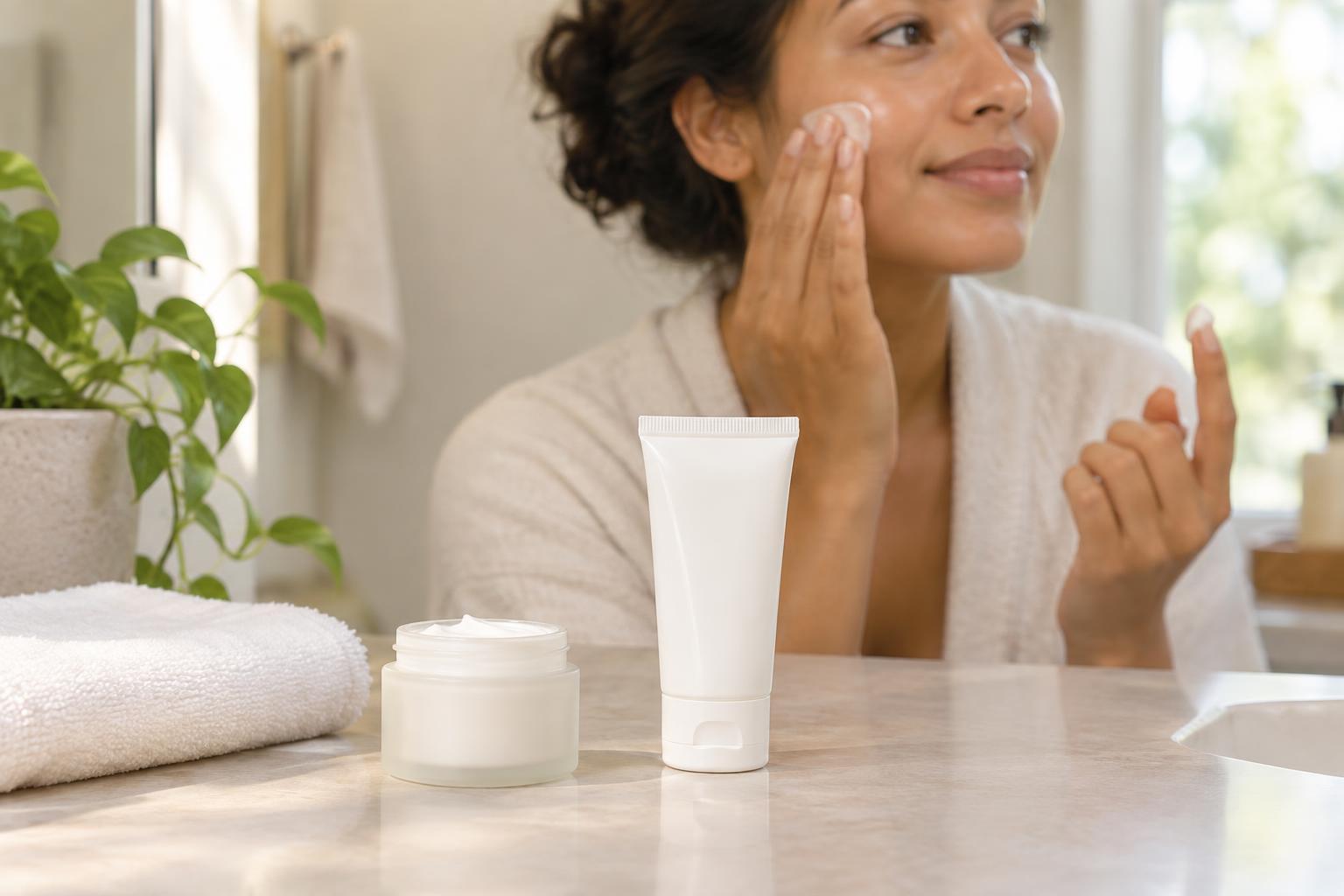
A leave-on moisturizer is made to remain on skin. Depending on the formula, it may contain humectants, which attract water; emollients, which make the surface feel smoother; and more protective ingredients that help limit moisture loss. These categories can overlap, and not every moisturizer relies on all three to the same degree. Because the product stays in place, its ingredients have more opportunity to support a comfortable feel between washes.
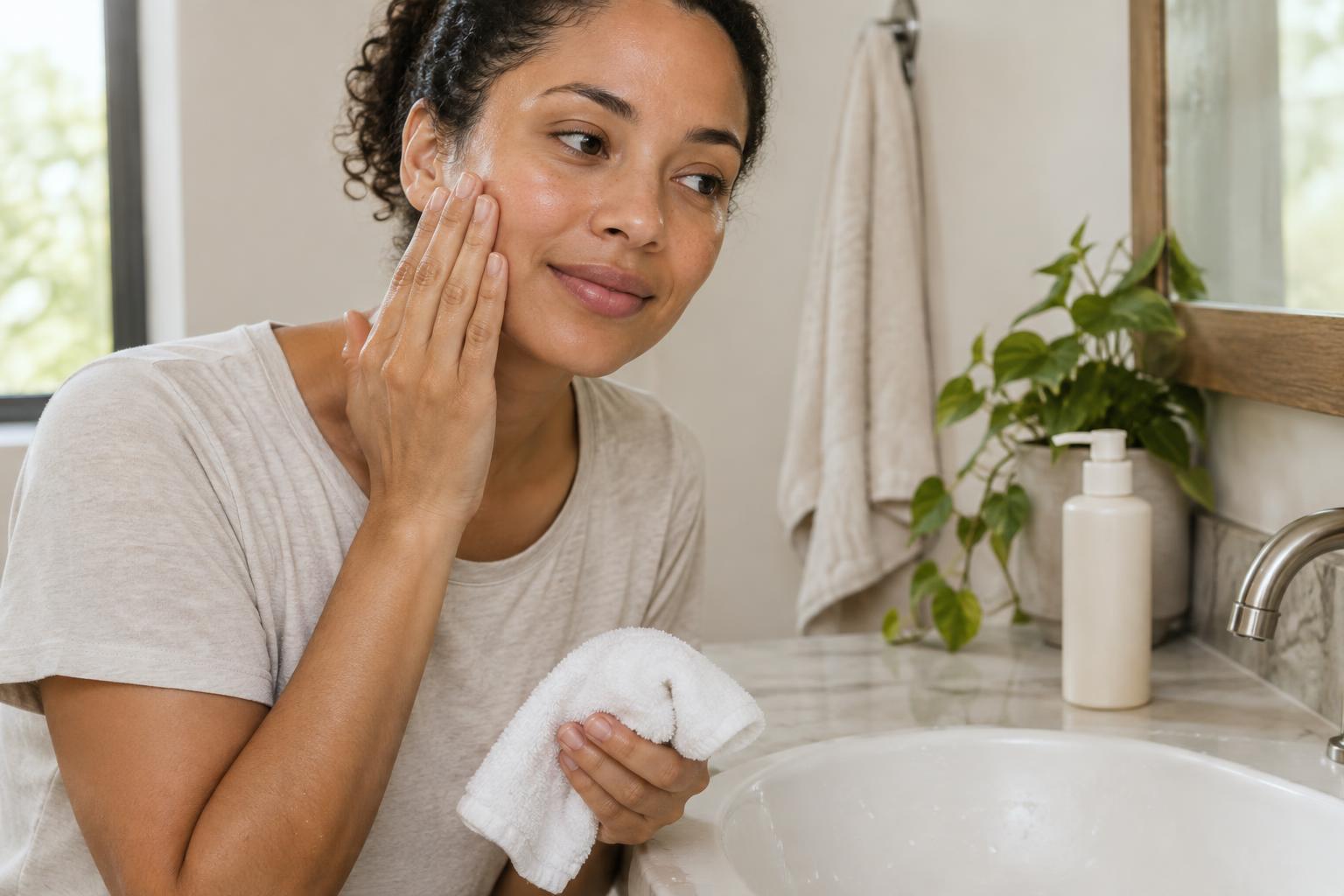
Cleansing also involves water and rubbing, both of which can leave some people feeling dry or tight even when they use a mild formula. Applying moisturizer afterward can help address that feeling. A moisturizing cleanser and a moisturizer are therefore often complementary rather than interchangeable: one cleans while trying to preserve comfort, and the other adds a lasting layer after cleaning.
Could a cleanser be enough on its own?
Possibly, for some people and in some conditions. If your skin feels comfortable through the day after cleansing, you may not want a separate moisturizer every time you wash. Your preference can also change with the weather, how often you cleanse, and what else you put on your skin. A richer sunscreen or makeup base, for example, may already give you the finish you want in the morning, though it does not turn the cleanser into a leave-on product.
The more useful question is not whether a cleanser is officially “moisturizing enough,” but whether your routine leaves your skin comfortable. Notice persistent tightness, rough-feeling areas or a desire to reapply something soon after washing. Those signs may suggest trying a leave-on moisturizer or reconsidering the cleanser. A temporary slippery or creamy feel during rinsing is not a reliable substitute for checking how skin feels later.
How to build a simple routine
Start with a cleanser that removes what you need it to remove without leaving an uncomfortable, squeaky-clean feeling. Use it as directed and rinse thoroughly. After washing, gently pat skin rather than rubbing it dry. If you want to use moisturizer, applying it while skin is still slightly damp can make the routine feel more comfortable; you do not need to leave cleanser residue behind.
Choose the leave-on texture by feel and practicality. A light lotion may suit someone who dislikes a heavy finish, while a cream may feel better when skin seems especially dry. The words “moisturizing cleanser” do not tell you how rich a separate moisturizer must be. Try changing one step at a time so you can tell what makes a difference, and remember that more layers are not automatically better.
In short, a moisturizing cleanser can make washing gentler and more pleasant, but it usually does not perform the same lasting role as a leave-on moisturizer. Let your skin’s comfort after cleansing, rather than the cleanser’s label alone, guide whether you use both.