Why the two terms are easy to confuse
A moisturizer labeled fragrance-free and a cleanser labeled unscented may both smell like very little. That does not necessarily mean they were formulated in the same way. Fragrance-free generally signals that fragrance was not added to give the product a scent. Unscented describes the result you notice: the product is intended to have little or no detectable smell. Depending on the formulation, an unscented product may contain an ingredient used to cover the odor of other ingredients.
Neither phrase tells the whole story on its own. Labeling practices and ingredient-naming rules can vary by market, and a short claim on the front of a package cannot explain every ingredient’s purpose. Treat the terms as a starting point for comparison rather than a guarantee about how a product will smell or feel on your skin.
A natural smell is not always added fragrance
Many cosmetic ingredients have an odor of their own. Oils, plant extracts and some functional ingredients can make a product smell noticeable even when no fragrance has been added. A fragrance-free cream might therefore have a faint, earthy or chemical smell. Conversely, a product that smells neutral might have been formulated to mask an ingredient’s original odor.
The distinction is useful when shopping. If your goal is to avoid fragrance ingredients, smelling the product is not a reliable substitute for reading its label. If your goal is simply to avoid a noticeable scent during use, the finished product’s smell matters too. Those are different preferences, and a product may suit one better than the other.
What to look for in the ingredient list
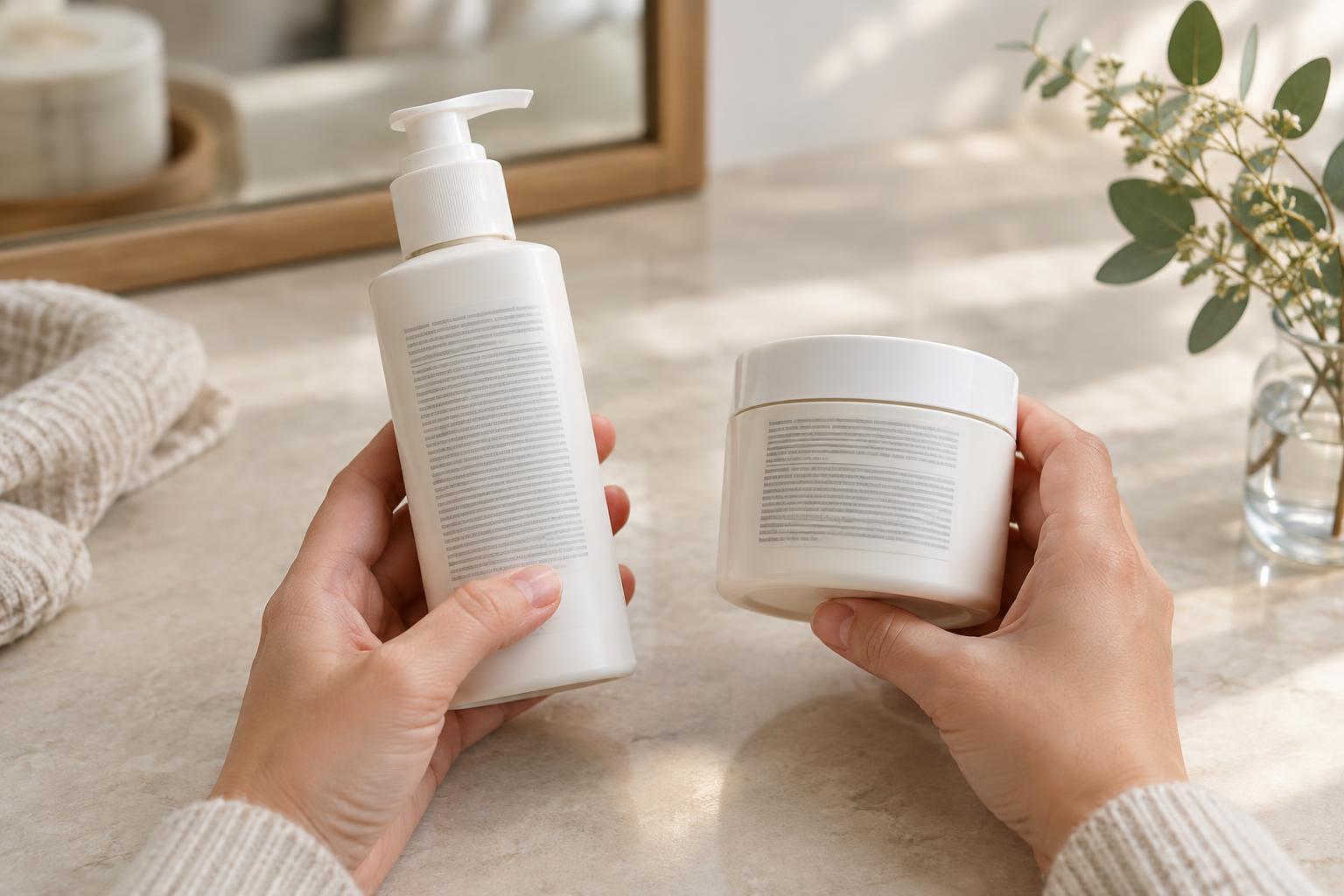
Start with the full ingredient list rather than the largest words on the front label. Depending on the market and product, added fragrance may appear under a collective name such as fragrance, parfum or aroma. Scented plant oils may be listed by their individual names. An ingredient list can help you spot these entries, but it may not tell you whether every ingredient was included for its scent, another function or both.
Read beyond one familiar word. A product can advertise itself as free from perfume yet still include botanical ingredients with a noticeable aroma. Equally, the presence of a plant extract does not automatically mean it was added as fragrance. If avoiding a particular ingredient matters to you, check for that ingredient by name where possible instead of relying on a broad front-of-pack phrase. Keep in mind that formulas can change, so the packaging of the product you are buying is the most useful version to check.
How other claims fit into the picture
Words such as gentle, sensitive-skin and hypoallergenic address different ideas from fragrance-free or unscented. They do not, by themselves, establish that a product contains no fragrance ingredients. Likewise, fragrance-free does not promise that a product will agree with everyone. Skin comfort can depend on the whole formula, how it is used and individual preferences.
Product descriptions can still provide helpful context. A brand may explain what it means by fragrance-free or identify ingredients that contribute to the product’s smell. Compare that explanation with the ingredient list and the way you plan to use the product. For example, a leave-on face cream and a rinse-off cleanser may create different experiences even if both carry the same scent-related claim.
A simple way to compare two products
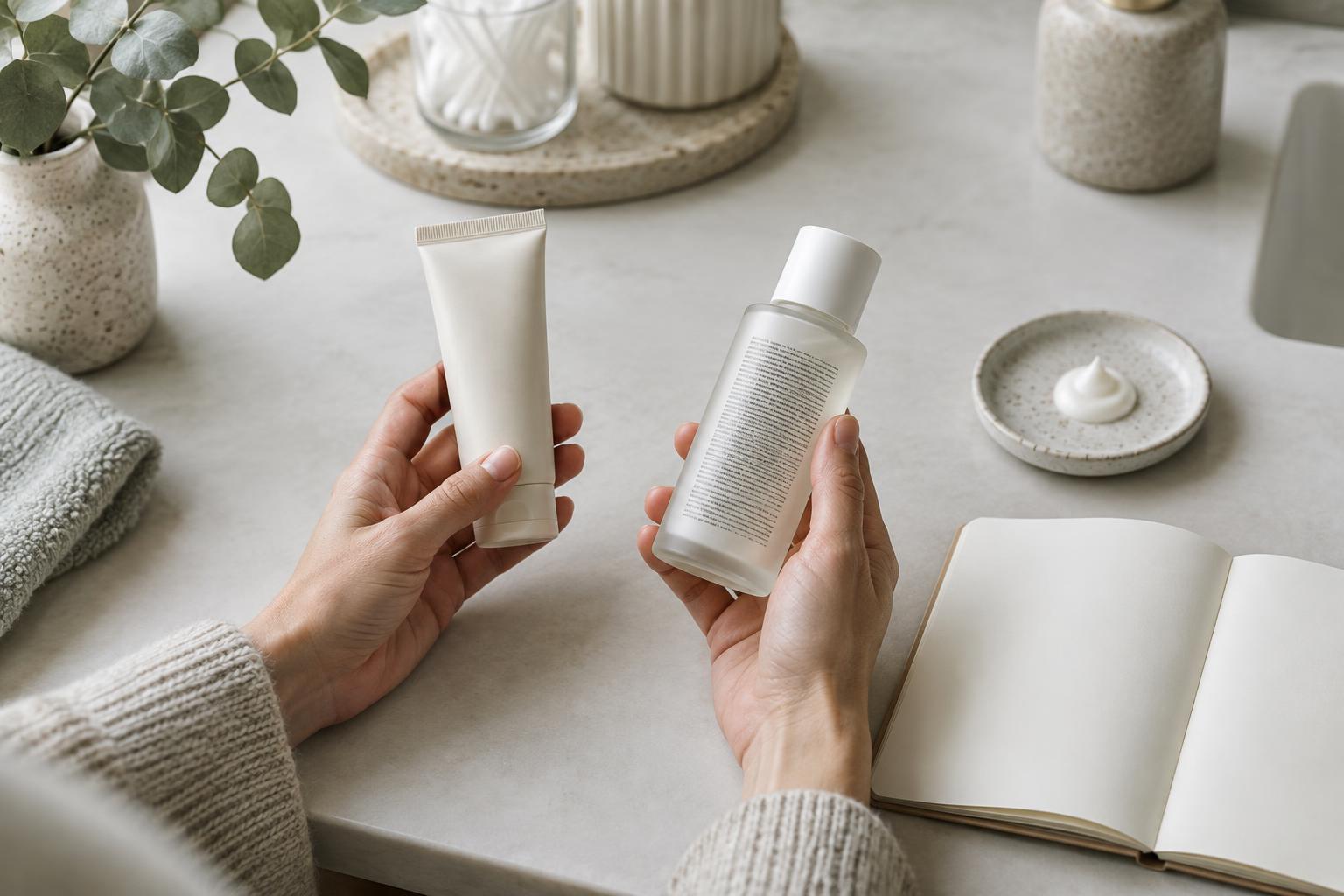
First, decide what you want to avoid: added fragrance ingredients, a perceptible smell, or a particular ingredient you already know you dislike. Next, compare the front-label claims with both ingredient lists. Look for terms such as fragrance or parfum, then scan for any individually named aromatic ingredients that matter to you. If a claim is unclear, a manufacturer’s product information may offer a more specific explanation.
Finally, consider the product as a whole rather than choosing by one phrase alone. Texture, intended use and your existing routine may matter as much as scent. When trying an unfamiliar cosmetic, introducing it on its own makes it easier to notice whether you like using it. The most useful label is not necessarily the one with the strongest-sounding claim; it is the one that gives you enough clear information to make a choice that fits your priorities.