Why these words need a closer look
A moisturizer described as natural, a shampoo labeled organic and a cleanser marketed as clean may look as though they meet the same standard. They do not necessarily make the same promise. Each word can refer to an ingredient, a method of sourcing, a product formulation or a brand’s own set of preferences. Its meaning depends on the claim’s wording and any standard behind it.
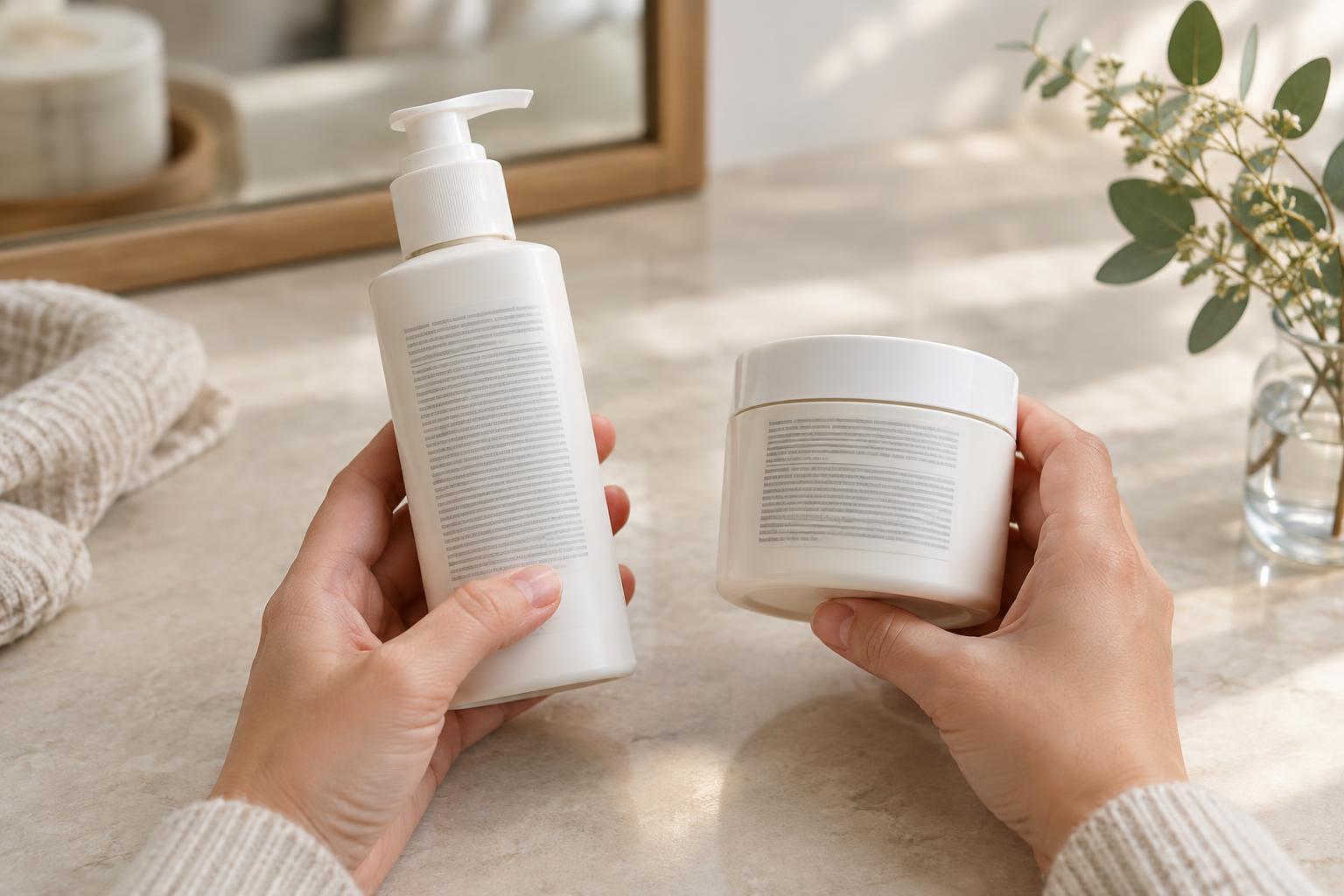
A useful first question is: What, exactly, does the label say is natural, organic or clean? “Made with organic aloe” is a claim about a named ingredient, not automatically about the whole product. “Formulated without fragrance” gives a more specific piece of information than “clean.” Reading the complete phrase helps keep a broad impression from standing in for a precise fact.
What “natural” may describe
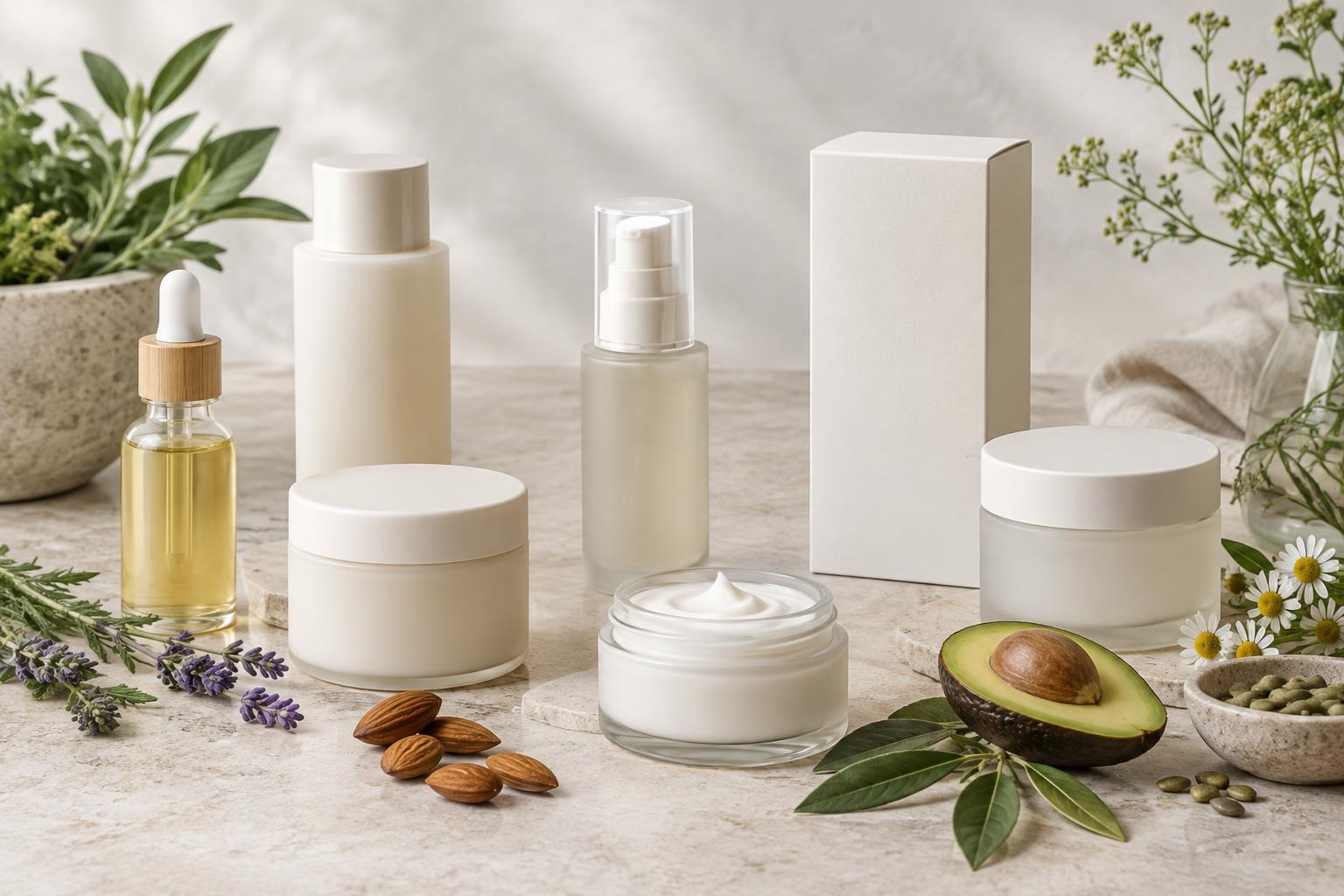
In beauty marketing, natural often suggests ingredients derived from plants, minerals or other sources found in nature. But a natural ingredient may be extracted, refined, preserved or combined with other substances before it reaches a finished cosmetic. Different brands may draw the line between natural and synthetic in different places, so the word alone tells you little about how the complete formula was made.
Natural also does not mean automatically gentler or better suited to every person. Plant-derived materials can contain compounds that some people find irritating, while synthetically made ingredients can have useful, familiar roles in a formula. If you are comparing products, look for the particular ingredients and product features that matter to you rather than assuming their source predicts how they will feel on your skin.
What “organic” may describe
Organic generally points toward how certain ingredients were grown or produced, rather than how a cosmetic performs. The important distinction is between an organic ingredient and an organic finished product. A formula could contain one ingredient described as organic alongside other ingredients that are not. The wording on the package should help you tell which claim is being made.
Certification can add detail, but standards and labeling rules vary by location and by certifying organization. If a package displays a certification mark, look for the organization’s name and what its standard covers. It may set requirements for eligible ingredients, processing or the proportion of qualifying material in the finished product. Without that context, the word organic does not tell you whether every ingredient meets the same criteria.
An organic claim is not a shortcut for judging texture, shelf life or suitability for your routine. Those qualities depend on the overall formulation, packaging and directions for use, as well as the ingredients you prefer.
What brands may mean by “clean”
Clean is often used as an umbrella term for a brand’s formulation choices. One brand might use it to mean that it avoids a particular group of ingredients; another might connect it to fragrance choices, packaging or sourcing. Because the criteria may differ, a clean claim is most useful when the brand explains it in concrete terms.
Look for an accessible definition: Which ingredients or practices are excluded, and why? Does the claim apply to this product or to the brand’s entire range? A long “free from” list can be informative if it names something you wish to avoid, but it does not by itself establish that a product will work better for you. It is also worth checking whether the label pairs clean with a specific, verifiable statement instead of leaving the word to create a general impression.
A practical way to assess the whole label
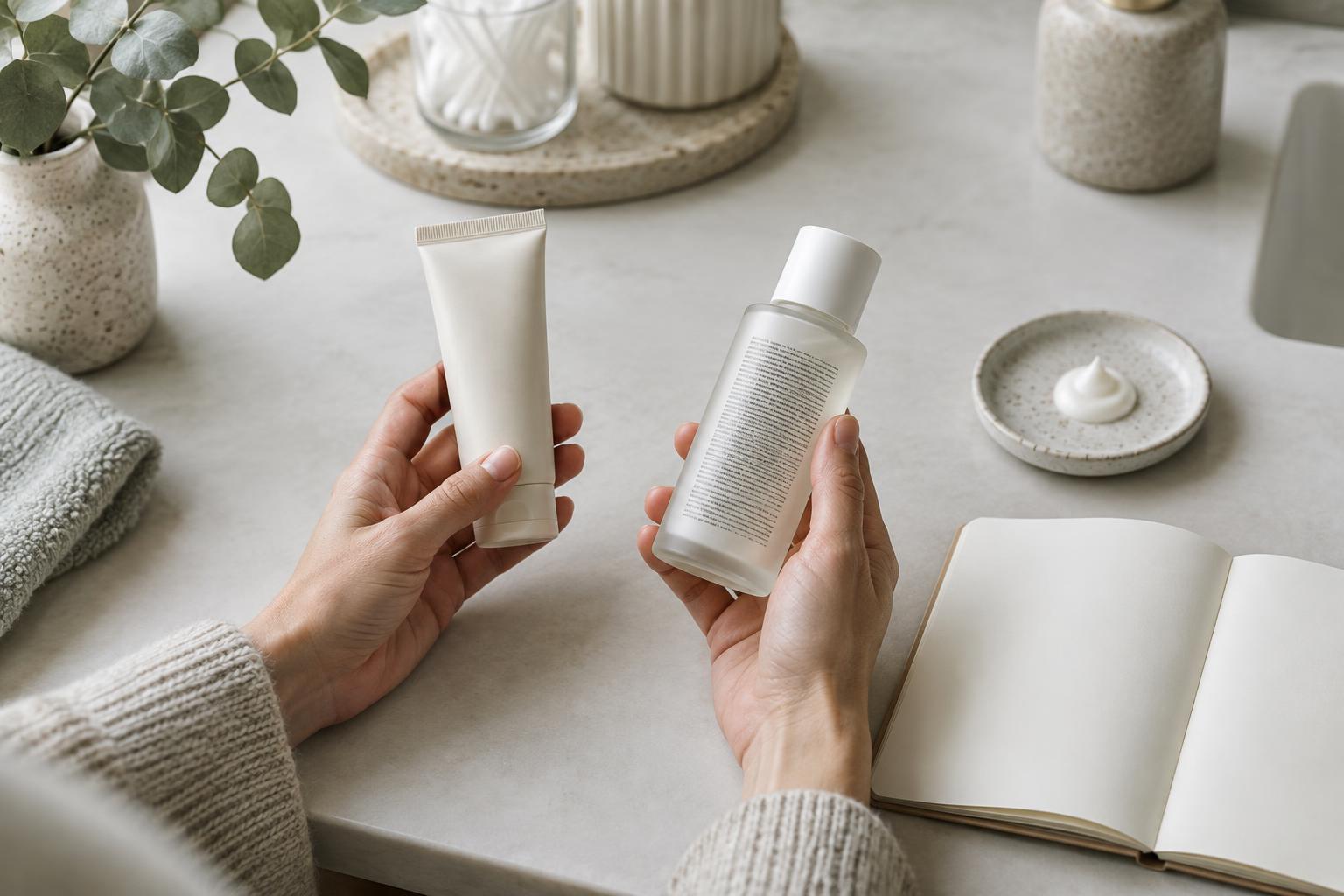
Start with your purpose for buying the product. If you want a simple cleanser, information about how to use it and whether it leaves the finish you prefer may be more useful than a broad natural claim. If avoiding a particular ingredient is important to you, check the ingredient list rather than relying only on a front-label slogan. Bear in mind that an ingredient list identifies what is included but may not tell you how much of each ingredient is present or how the finished formula feels.
Next, separate specific claims from general ones. “Contains organic sunflower oil,” “no added fragrance” and “certified to a named standard” offer different kinds of information that you can examine. Words such as pure, non-toxic or chemical-free may sound reassuring, but they need clarification to be useful: cosmetics are made of chemical substances, whether their ingredients originate in nature or are synthesized.
Finally, consider the product as a whole. Clear directions, appropriate packaging and a formula you enjoy using can matter more in an everyday routine than the category a marketing term seems to place it in. Natural, organic and clean can help you identify products that align with your preferences, but none of these words replaces a closer reading of what a product contains and what its claims actually cover.