What the label is trying to communicate
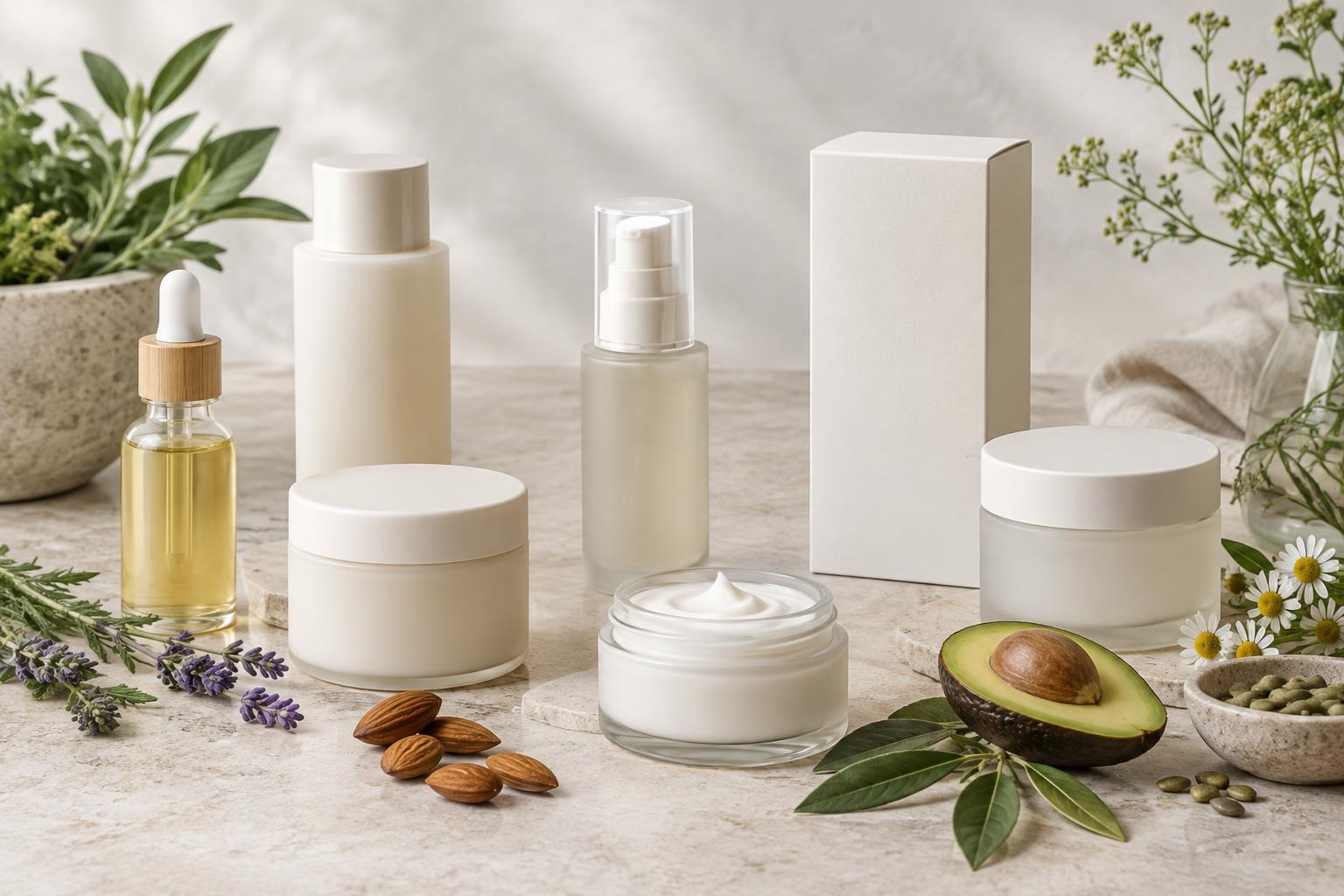
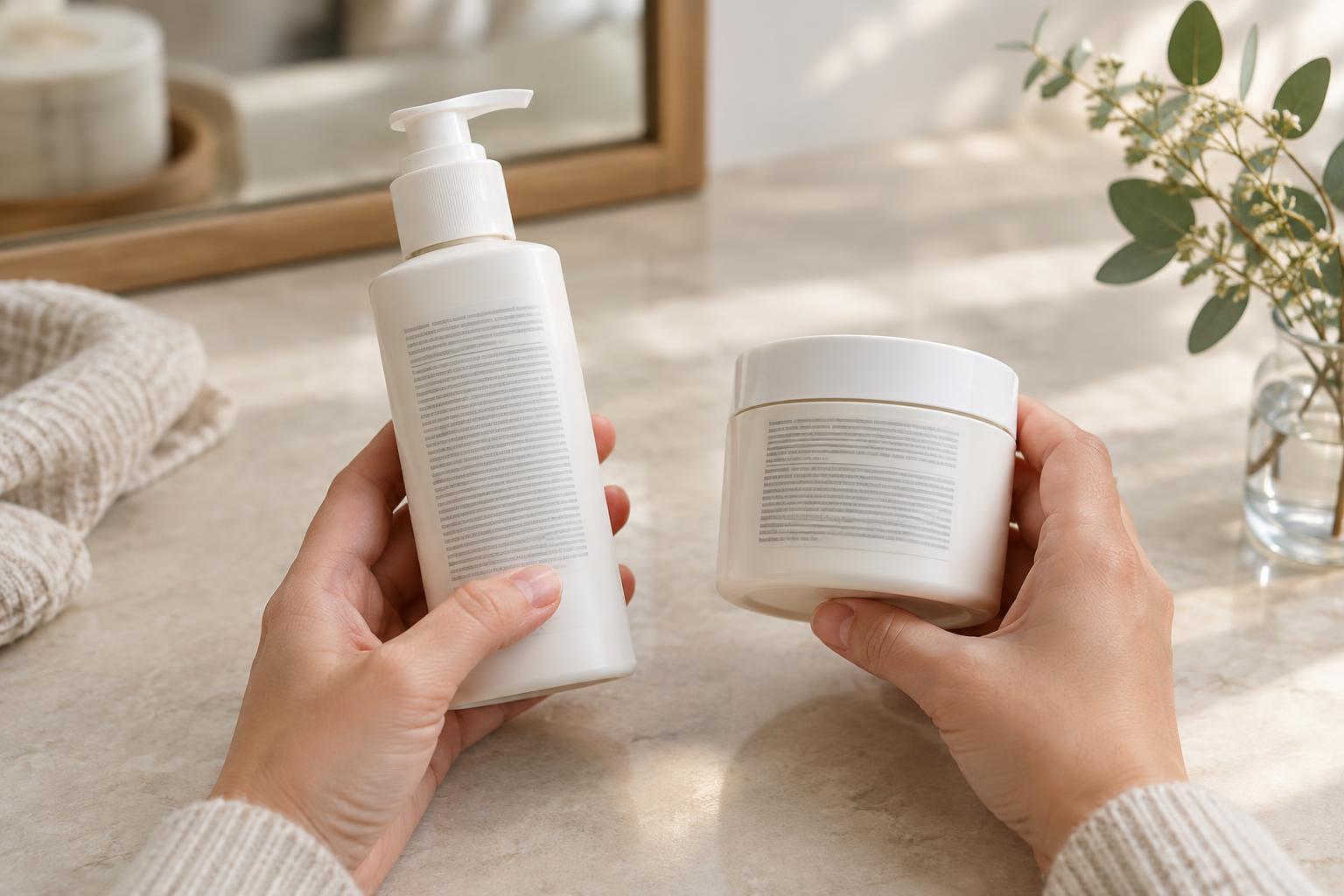
“Non-comedogenic” is a product claim meant to suggest that a formula is less likely to contribute to clogged pores. You may see it on moisturizers, sunscreens, primers and makeup, especially products marketed to people who prefer a lightweight feel or are concerned about blemishes. It is a useful clue about how a product is positioned, but it is not a prediction of exactly what will happen on your skin.
The word “comedogenic” refers to the potential to encourage comedones, the small plugs commonly described as blackheads or whiteheads. That does not mean every visible bump has the same cause, or that one cosmetic product is necessarily responsible. Skin changes can have several contributing factors, so it helps to treat a label as information about the product rather than an explanation for your skin.
Why it is not a guarantee
There is no single label rule that makes every non-comedogenic claim mean precisely the same thing across all products. Brands may use different approaches when developing or assessing a formula, and the package may not explain the method behind the claim. A product carrying the label can therefore still feel too heavy, irritating or simply unsuitable for someone who uses it.
Individual experience also depends on more than the formula alone. The amount applied, how often it is used, what is layered underneath or over it, and how it is removed at the end of the day can all affect a routine. Climate, personal preferences and changes in skin behavior may matter too. A product that works comfortably for one person may not be a good fit for another, even if both are shopping with the same concern in mind.
Just as importantly, the absence of the claim does not establish that a product will clog pores. Some products may never have been marketed or assessed using that term. The label can help narrow your search, but dividing every product into “safe” and “unsafe” based on those two words gives it more certainty than it can provide.
Look beyond a single ingredient
It is tempting to check an ingredient list against a list of supposed pore-clogging ingredients. That approach has limits. An ingredient’s role can change with its concentration and with the rest of the formula. Two products that contain the same oil, wax or emollient can differ considerably in texture, application and overall feel. Reading an ingredient list can help you recognize substances you personally prefer to avoid, but it cannot reliably tell you how the finished product will behave on your skin.
Think about the product’s purpose as well. A rich balm designed to seal in moisture will feel different from a fluid moisturizer, while a long-wearing foundation may need a different cleansing approach from a light tint. None of those textures is automatically better or worse. The useful question is whether the whole product fits your preferences and routine, including how comfortable it remains after several hours of wear.
A practical way to evaluate a new product
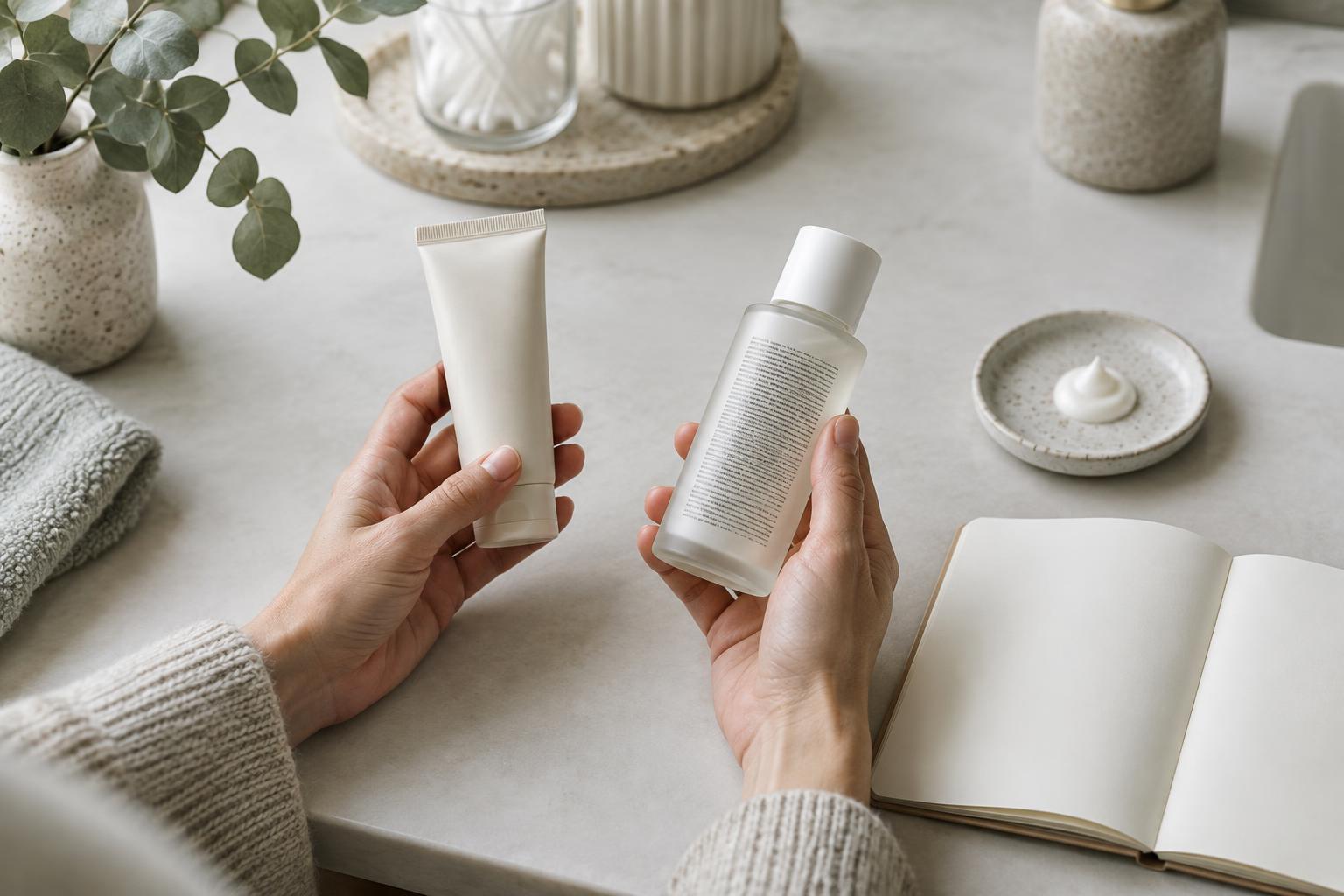
Start with what you want the product to do: moisturize without a heavy finish, sit smoothly under makeup, or provide coverage you enjoy wearing. Then consider the non-comedogenic claim alongside other details, such as texture, fragrance preferences and directions for use. If you can try a sample, the feel of the finished formula may tell you more about whether you will enjoy using it than the claim alone.
When adding a product to your routine, keeping other steps fairly consistent can make your experience easier to interpret. Use it as directed and pay attention to comfort and appearance over time rather than drawing a conclusion from one application. If a product repeatedly leaves your skin uncomfortable or does not suit your preferences, you do not need to keep using it because the packaging carries a reassuring label.
The takeaway
“Non-comedogenic” is best understood as a helpful starting point, not a universal standard or a promise of clear skin. It may guide you toward products designed with clogged-pore concerns in mind, but it cannot account for every skin type, combination of products or way of using them. Give the claim some weight, then judge the complete formula by how well it serves your everyday routine.