A useful claim, but not a promise
On a cosmetic label, “hypoallergenic” generally signals that a product is intended to be less likely to cause an allergic reaction. It does not mean “allergy-proof,” and it does not tell you exactly how the product was formulated or tested. The term may be used differently by different companies and in different markets, so the word alone is not enough to predict how your skin will respond.
An allergic reaction depends partly on the person using the product. An ingredient that causes no problem for one person may be troublesome for another. A product can also feel uncomfortable without causing an allergy: dryness or stinging, for example, may be related to irritation instead. The label does not resolve that distinction, and it cannot replace your own experience with a product.
What the label does not tell you
“Hypoallergenic” is not a complete ingredient description. A product carrying the claim may still contain fragrance, botanical extracts, preservatives or other ingredients that some people prefer to avoid. Nor does the claim establish that the product is suitable for every skin type or every step of a routine. A cleanser that feels comfortable when rinsed off, for instance, may tell you little about how a leave-on cream will feel.
Other phrases on the package need similar care. “Dermatologist tested” indicates that some form of testing involved a dermatologist, but without more detail it does not describe the test or its outcome for people like you. “Natural” describes a style of formulation or ingredient origin, not a guarantee of gentleness. “Unscented” may mean a product has no noticeable smell, whereas “fragrance-free” more directly indicates that fragrance was not added for scent; the ingredient list can provide further context for either claim.
None of these phrases is automatically meaningless. They may help you narrow your choices. The key is to treat each as a starting point for questions, rather than as proof that a product cannot cause a reaction.
How to look beyond the front of the package
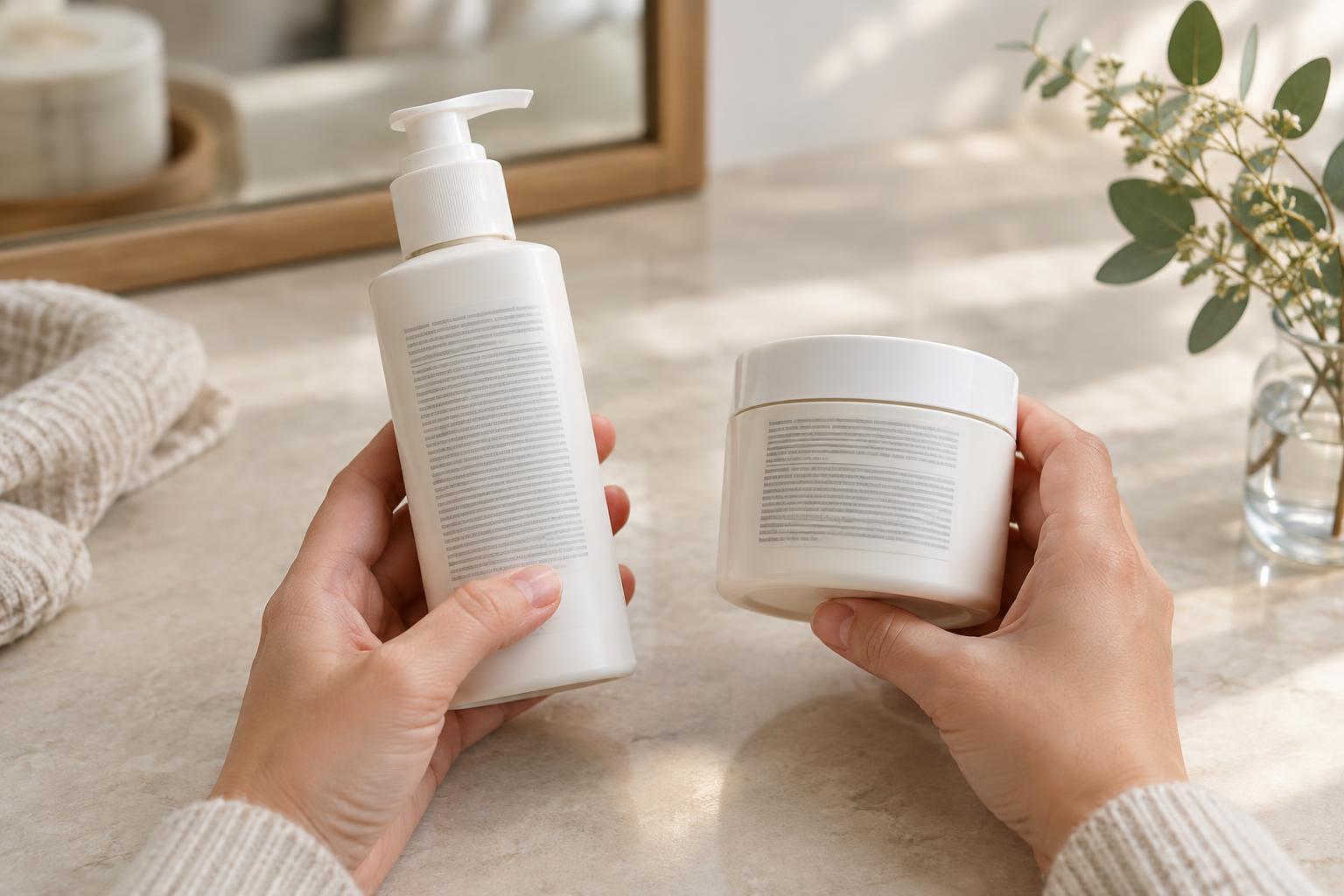
Start with the ingredient list, especially if you already know an ingredient you prefer to avoid. Look for its listed name and check for related names you have encountered before. Ingredient lists can be dense, and a short list is not necessarily safer than a long one. Even so, reading the list gives you more specific information than a broad front-label claim.
Next, consider what the product is meant to do and how you will use it. A rinse-off cleanser, a moisturizer worn all day and a product used near the eyes have different patterns of contact with skin. Think about the rest of your routine, too. If you introduce several new products at once, it can be difficult to work out which one disagrees with you.
If a brand explains what it means by “hypoallergenic,” read that explanation closely. Does it identify ingredients left out, or describe how the finished product was evaluated? Specific details are more useful than a claim repeated without context, although no test can predict every individual response.
A practical way to try a new product
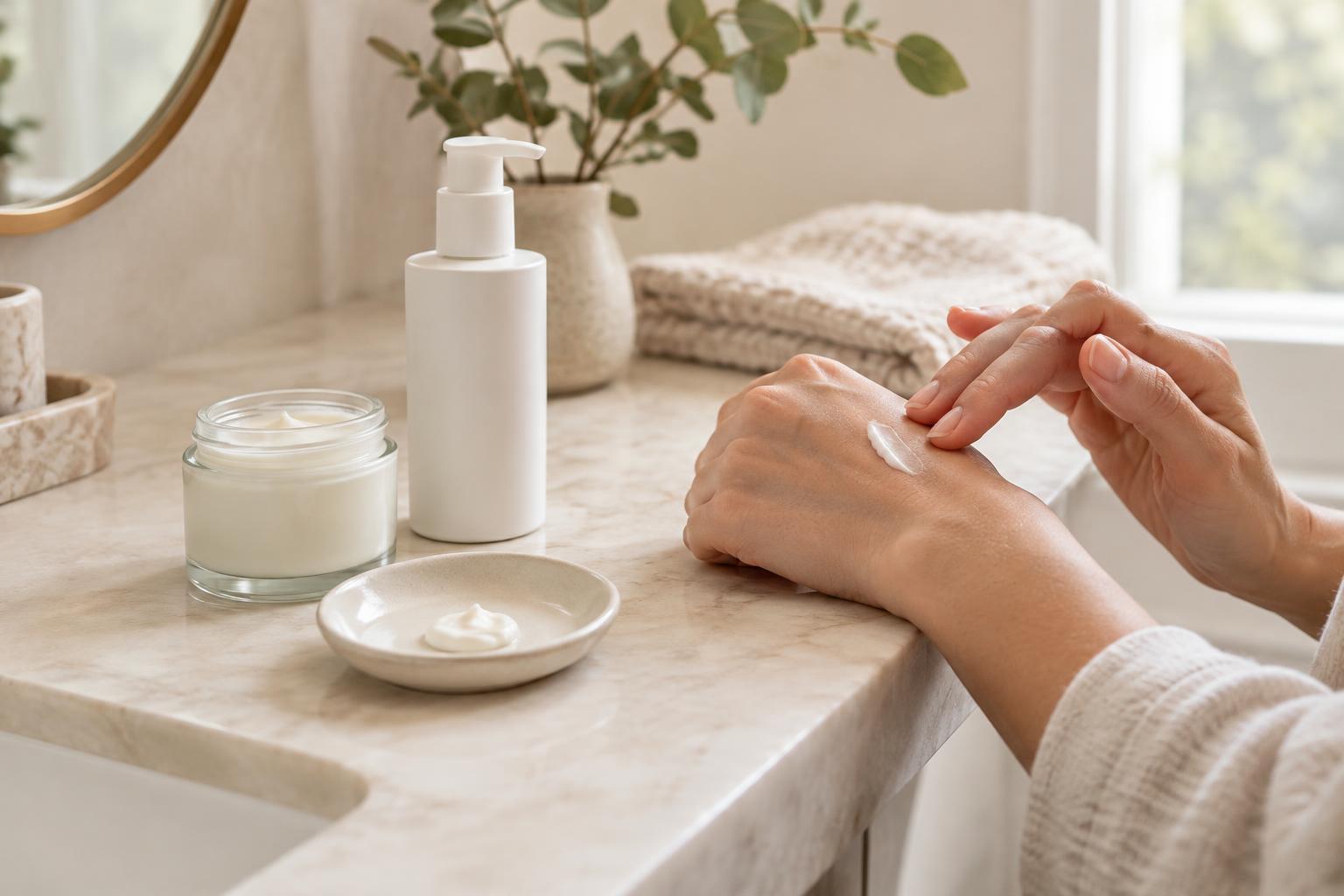
If you tend to react to cosmetics, consider trying one new product at a time. Following the product directions, you can first apply a small amount to a limited area and wait to see how your skin responds before using it more widely. This is a practical check, not a guarantee: a product may still feel different with repeated use or on another part of the face. Avoid testing on skin that is already uncomfortable or visibly irritated.
Keep the packaging or make a note of the product name and ingredient list while you try it. If a product does not suit you, that record may help you compare it with products you have used comfortably. A pattern can be more informative than the “hypoallergenic” label on any single item.
The most useful reading of “hypoallergenic” is modest: it expresses an intention to reduce the likelihood of an allergic reaction, not certainty about your skin. Pair it with the ingredient list, the product’s intended use and your own past experience. If you have a known allergy or a persistent or significant reaction, seek guidance from an appropriate healthcare professional rather than relying on package claims.