What moisturizer texture tells you
A moisturizer can help skin feel comfortable by adding water-attracting ingredients, smoothing the surface and slowing the loss of moisture. Its texture offers a useful clue about how it may feel, but it does not tell the whole story. A lightweight gel and a rich cream can contain some of the same ingredients, while two products both called “lotion” may leave very different finishes.
Three ingredient roles help explain the differences. Humectants, such as glycerin, attract and hold water. Emollients soften and smooth the feel of skin. Occlusive ingredients form a more protective layer that helps limit moisture loss. Many moisturizers combine all three. The balance, rather than the name on the package alone, shapes how a product spreads and feels after application.
Gels and lotions: lighter options
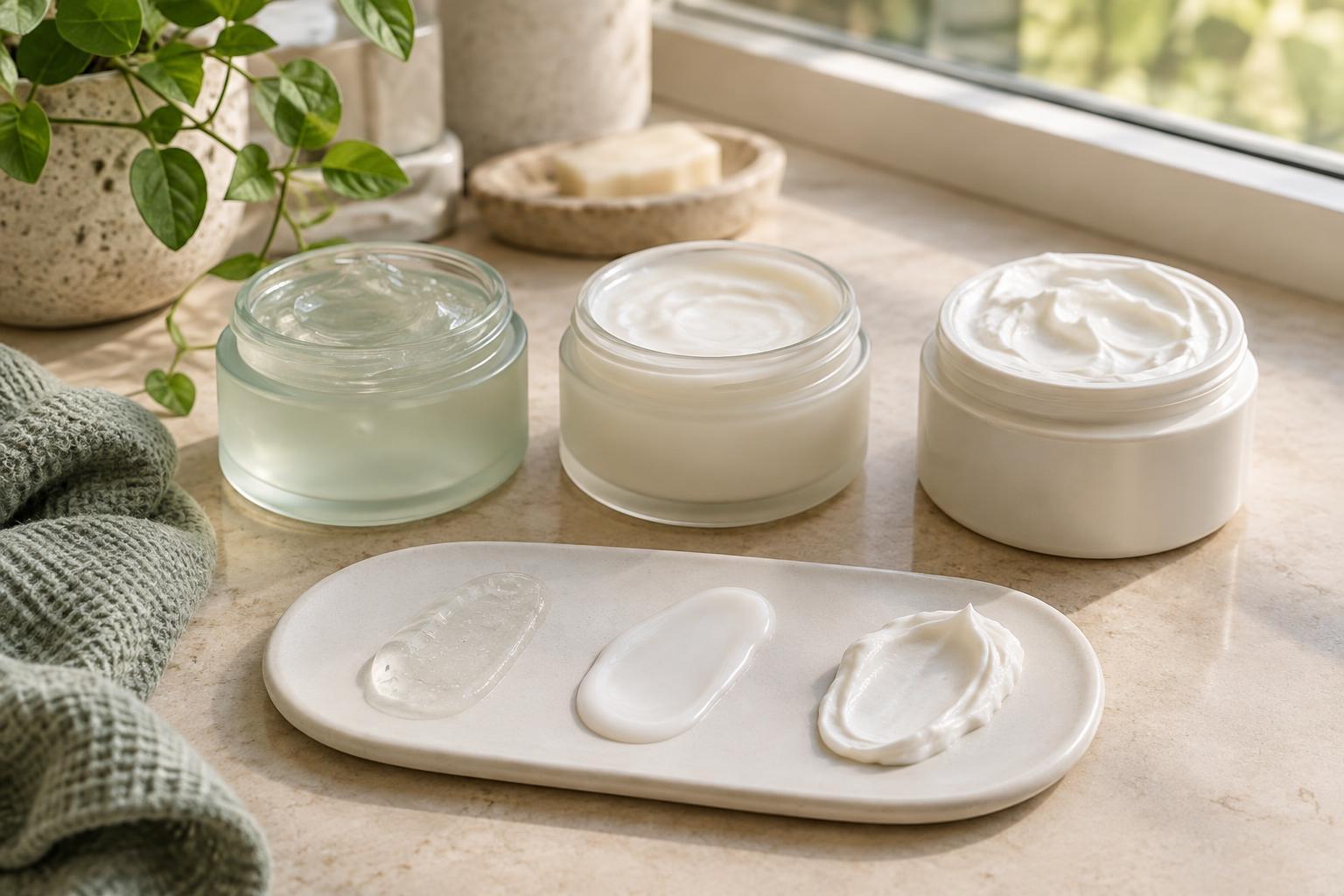
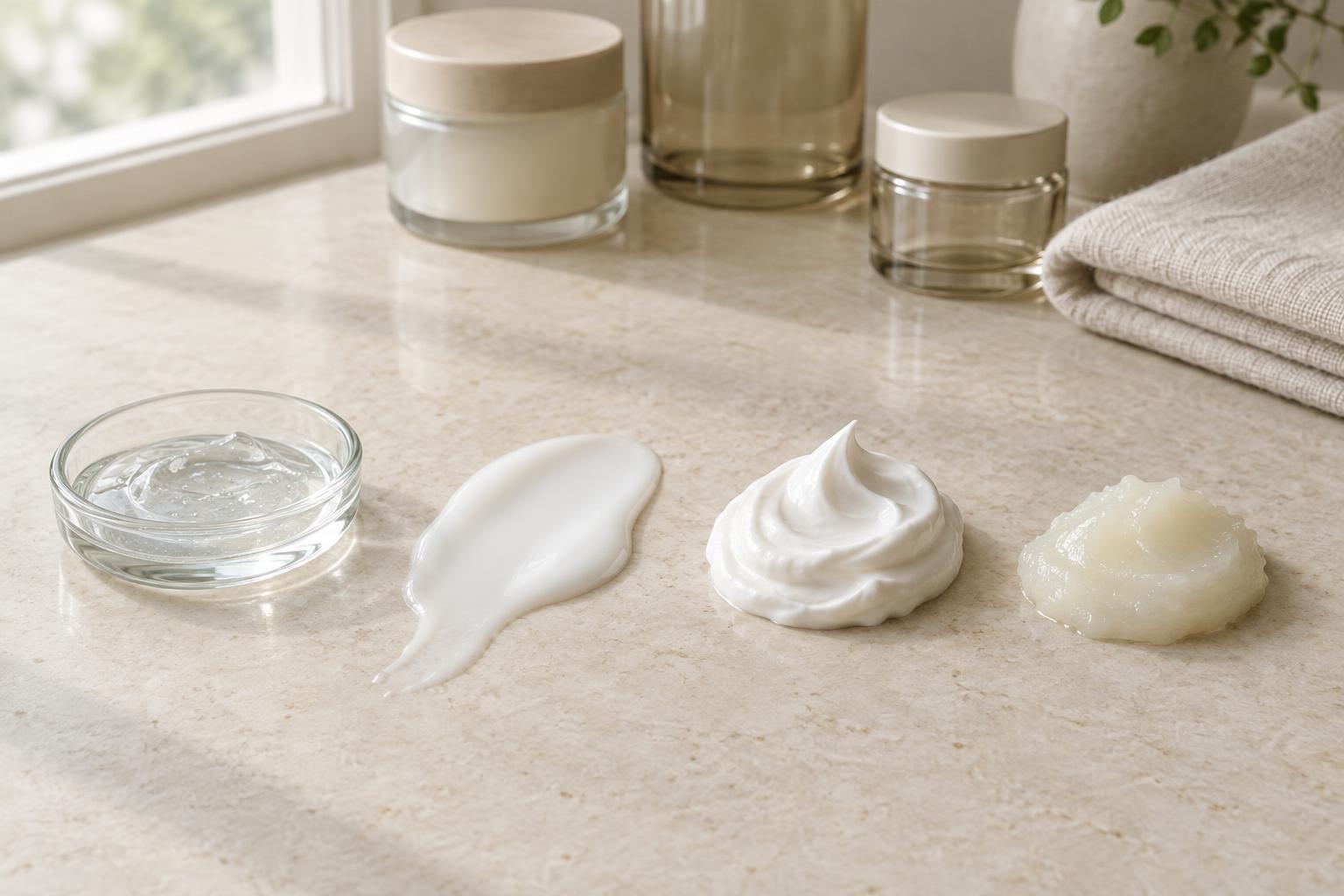
Gel moisturizers are often water-rich and spread easily in a thin layer. They may feel cool or dry down quickly, which can appeal to someone who dislikes a heavy finish or wants to apply makeup soon afterward. Not every gel feels the same: some leave a slightly tacky film, and some include oils or other ingredients that make them feel richer than expected.
Lotions usually have a fluid, pourable or pumpable consistency. Compared with many creams, they tend to spread quickly over a larger area and feel lighter during the day. They can be a convenient choice for the face or body when ease of application matters. A lotion is not necessarily less effective than a cream; its suitability depends on its formula, how much you apply and whether your skin feels comfortable afterward.
Creams and ointments: richer finishes
Creams are generally thicker than lotions and often leave a more noticeable softening layer. They may suit a routine where a gel or lotion does not feel substantial enough, particularly after cleansing or in a dry-feeling environment. Some creams settle in without much shine, while others leave a dewy finish. The word “cream” alone cannot predict whether a product will feel greasy.
Ointments are typically the most occlusive of these textures. They often have a dense, slippery feel and can remain noticeable on the skin longer than a gel or lotion. That makes them useful when a protective-feeling layer is the goal, but less appealing to someone who wants a weightless finish. Some people prefer an ointment on selected dry-feeling areas rather than across the whole face.
How to choose for your routine
Start with the experience you want, not a rule tied to a skin-type label. If your moisturizer feels uncomfortably heavy or interferes with makeup, try a lighter texture or apply less. If skin feels tight again soon after moisturizing, a richer texture may be worth trying. You can also use different products at different times or on different areas; there is no requirement to choose one texture for every situation.
Consider what else you apply. A moisturizer that feels pleasant on bare skin may feel too layered over a serum or under sunscreen. Let each product settle enough to judge the combined finish, and use an amount you can spread comfortably without repeated rubbing. When comparing products, change one part of your routine at a time so it is easier to tell what you like.
Make the label a starting point, not the verdict
Terms such as “lightweight,” “intensive” and “non-greasy” describe an intended experience, but they are not guarantees of how a product will feel to you. Ingredient lists can identify familiar humectants, emollients and occlusive ingredients, yet they do not usually reveal the amounts or the finished texture. A small trial on the area where you plan to use the product is often more informative than judging by the front of the package.
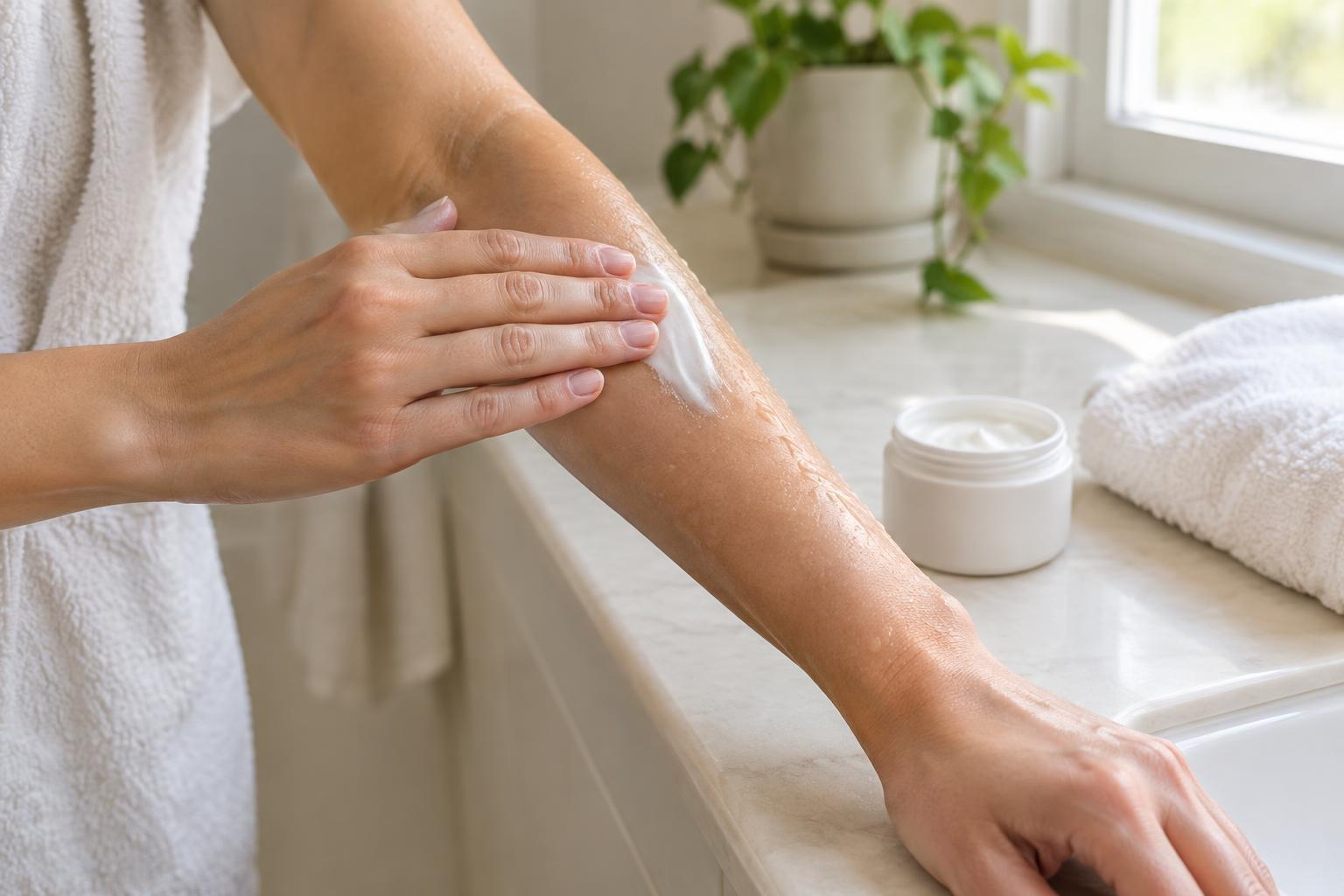
Whichever texture you choose, apply moisturizer after gentle cleansing while skin still feels slightly damp, if that feels comfortable for you. Notice how your skin feels later, not just at first application. The best everyday option is one you enjoy using consistently and that fits alongside the rest of your routine. If a product causes persistent discomfort, stop using it rather than trying to make the texture work.