Start with how your skin feels
Before shopping by skin-type label, notice how your skin feels at different points in the day. Does it feel tight after cleansing? Do some areas become shiny while others feel rough? Does your moisturizer leave a film you dislike, or does your face feel comfortable only briefly after applying it? These observations are often more useful than trying to fit your skin into a single category.
Dryness and oiliness can also occur together. Someone may notice shine on the forehead but prefer a richer product on the cheeks. Weather, cleansing habits and the other products in a routine can affect what feels comfortable, so the moisturizer you like may change over time. The goal is not to find the one product that matches a permanent label; it is to find one you will use comfortably and consistently.
Understand what a moisturizer can contain
Moisturizers commonly combine ingredients that play different roles. Humectants, such as glycerin and hyaluronic acid, help attract and hold water. Emollients help skin feel smoother and softer. Occlusive ingredients, such as petrolatum or some waxes and oils, help limit moisture loss by leaving a protective layer. A product can contain all three types, even if its packaging highlights only one ingredient.
An ingredient list can offer clues, but it rarely tells you exactly how a finished product will feel. The amounts used, the overall formula and the way it dries down all matter. A cream containing oil may feel elegant rather than greasy, while a product described as lightweight may still leave a noticeable film. Treat ingredient terminology as a guide to what a formula might do, then judge its texture on your own skin.
Match the texture to dryness and oiliness
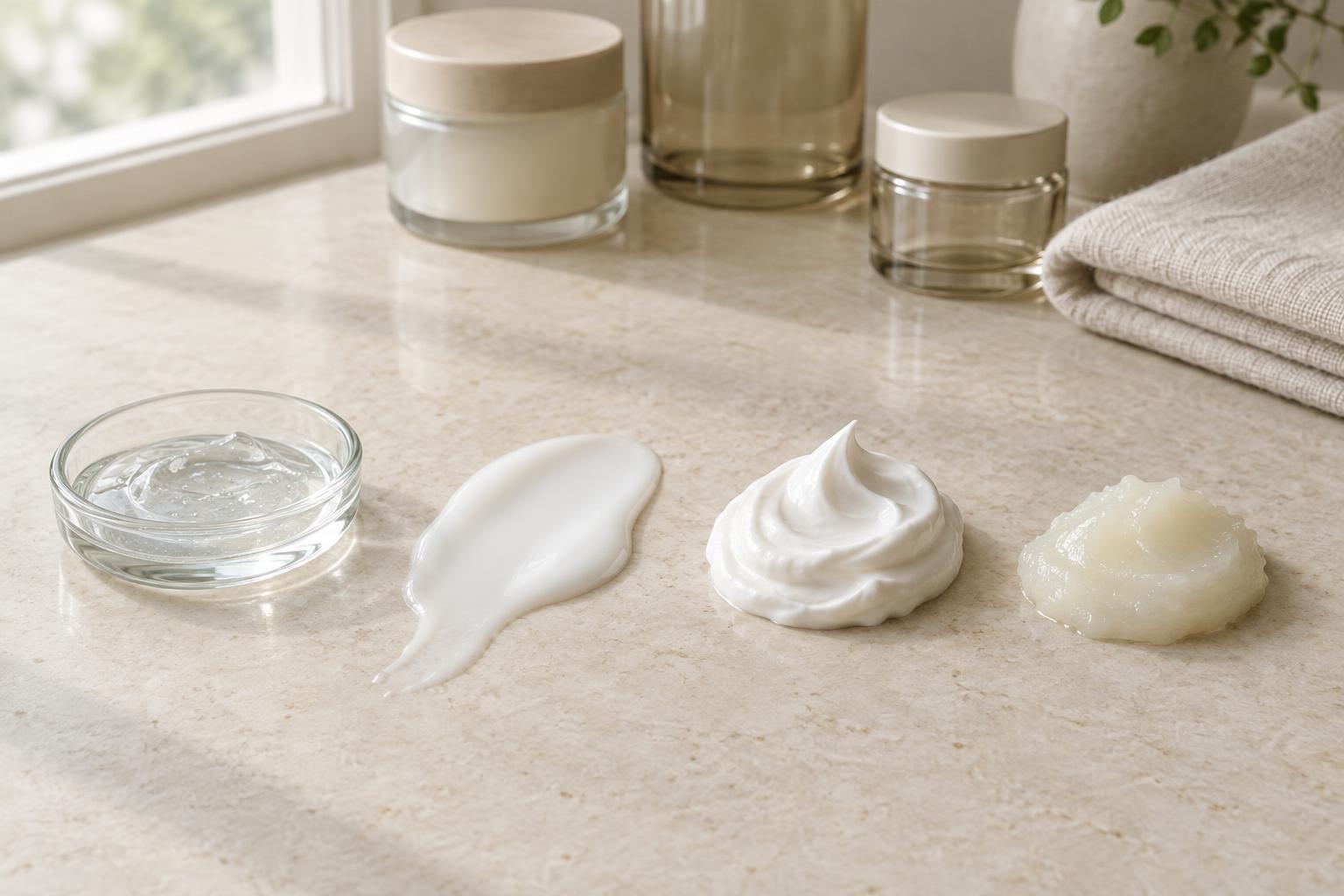
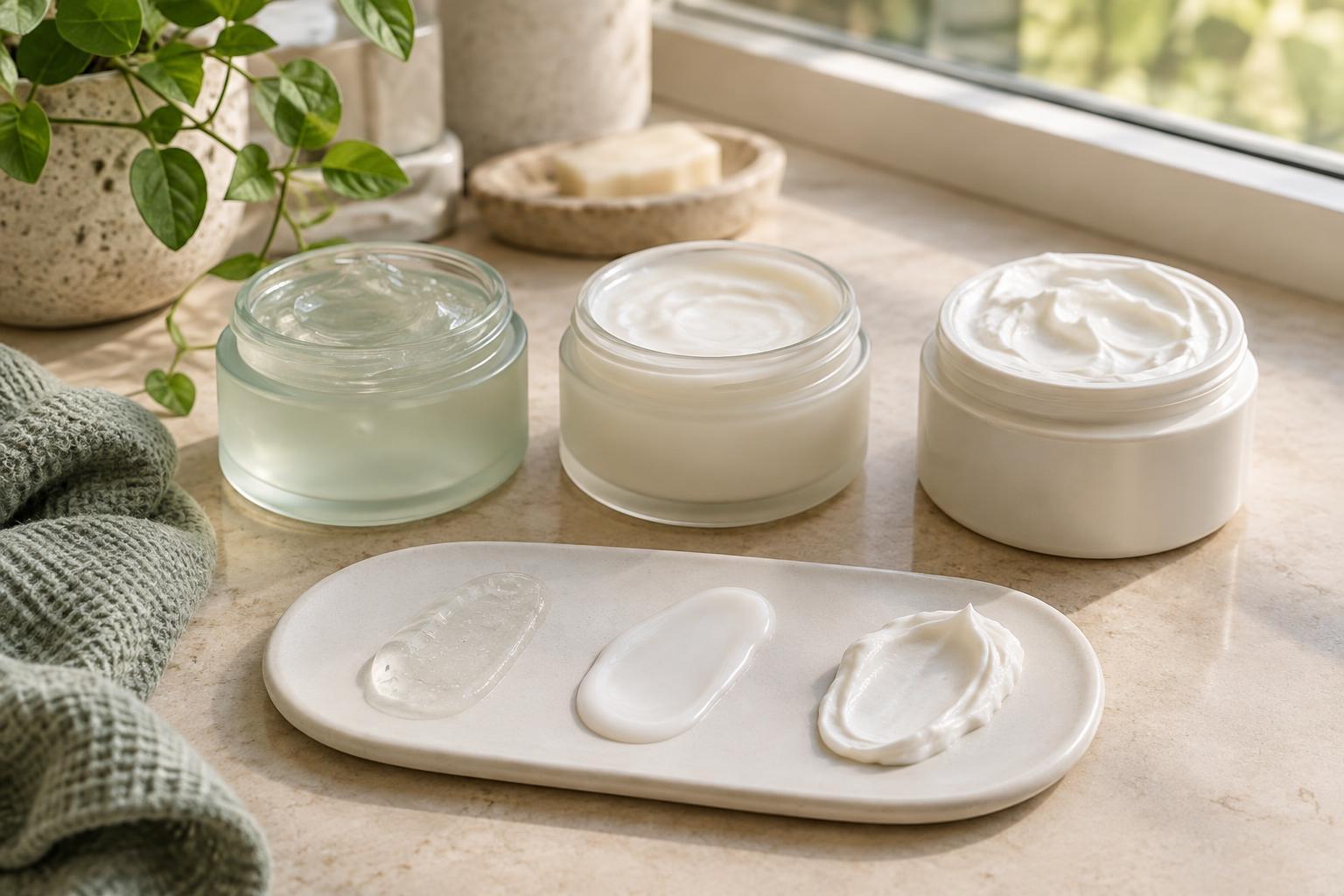
If your skin often feels tight or rough, a cream or richer lotion may feel more satisfying than a thin gel. Look for a formula that remains comfortable after it has absorbed, rather than one that feels pleasant only for the first few minutes. You may prefer a more cushioning texture at night or on drier areas, even if you use a lighter product elsewhere.
If your skin tends to look shiny or you dislike residue, consider a fluid lotion, gel-cream or lightweight cream. Oily skin can still feel uncomfortable after cleansing, so skipping moisturizer is not the only way to avoid a heavy finish. A smaller amount of a lighter formula may be enough for your face. For combination skin, you can apply one product sparingly on oilier areas and a little more where skin feels dry, or use different textures on different areas.
Choose a finish you will want to wear
Words such as dewy, matte and rich describe the experience of wearing a product more than they describe a skin type. If you wear makeup, think about how your moisturizer behaves underneath it. A formula that remains slippery may affect how makeup sits, while one that dries down more fully may suit your preferred finish. Give each layer a moment to settle before deciding whether the combination works.
Fragrance, packaging and application can also influence your choice. If you prefer to avoid scented products, check the ingredient list rather than relying only on a label on the front. A pump may be more convenient for a quick routine; a thicker cream in a jar may be easier to use in small amounts on selected areas. Convenience matters because an otherwise appealing product is less useful if you dislike applying it.
Test one option in your usual routine
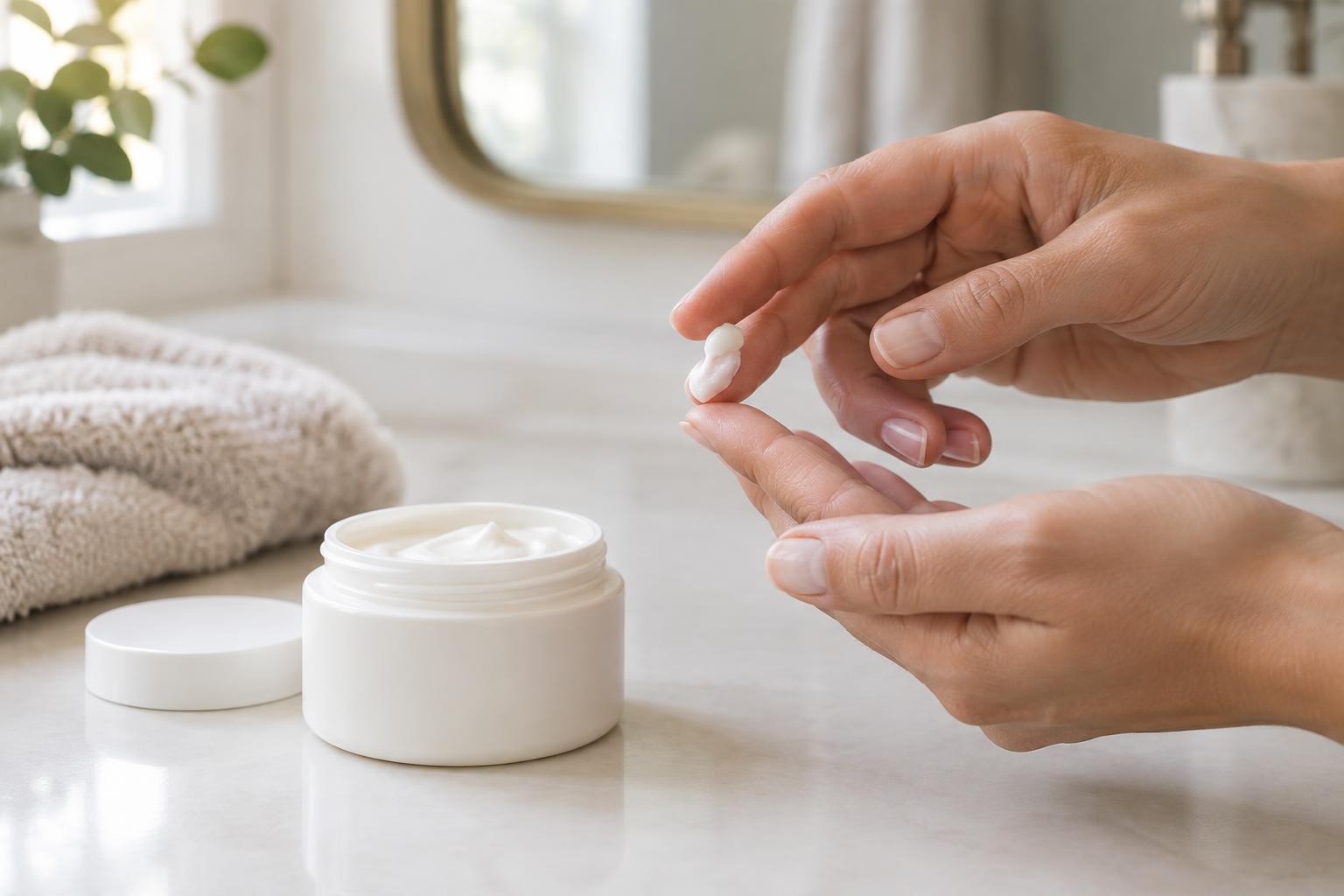
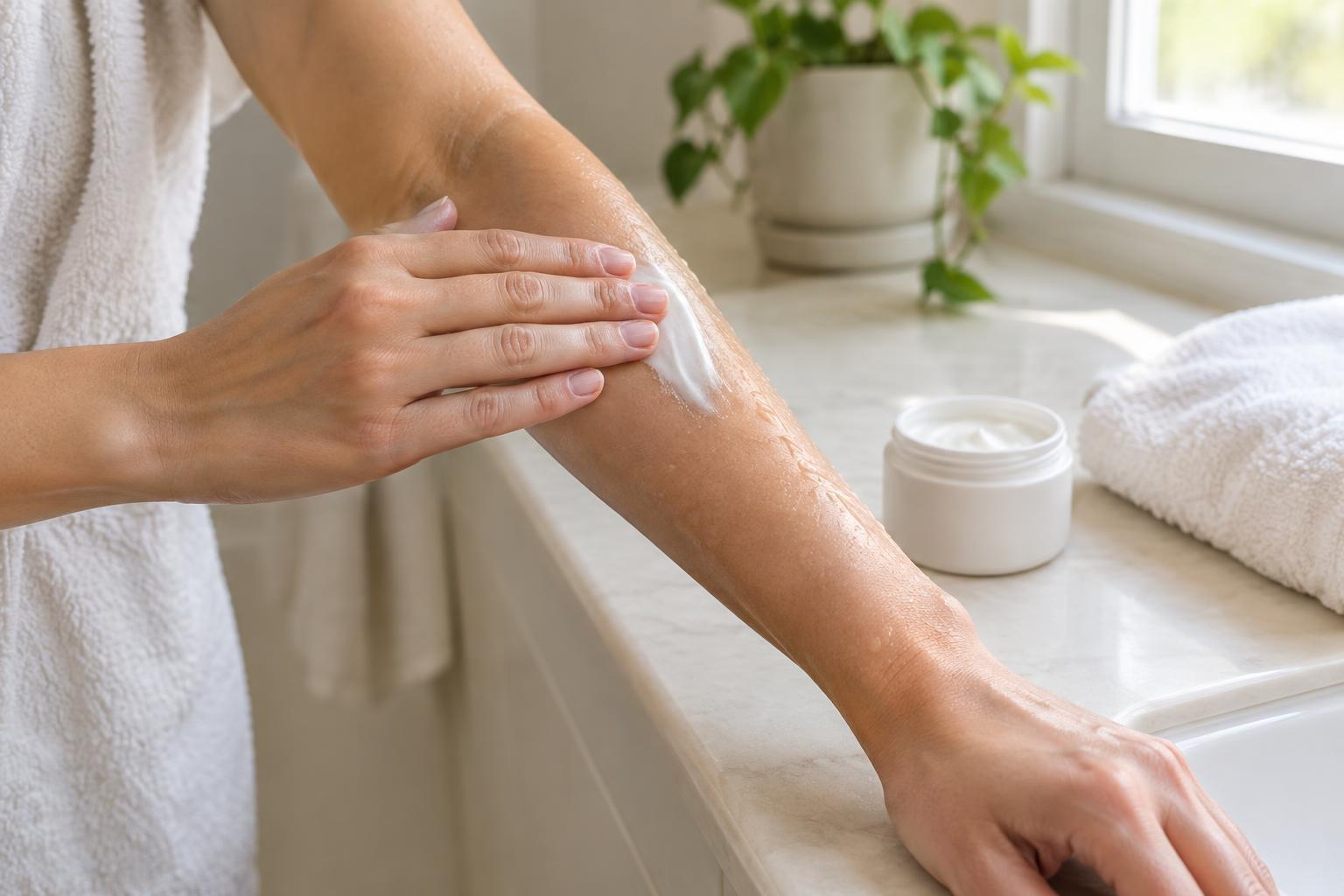
When trying a new moisturizer, keep the rest of your routine familiar so it is easier to tell how the product feels. Apply it after cleansing, while skin is still slightly damp if that feels comfortable, and start with a modest amount. Notice whether your skin feels comfortable later, whether the finish suits you and whether it layers well with the products you already use.
A product does not need to make your skin feel coated to be worthwhile, nor does a quick-absorbing finish mean it is automatically a better match. If a formula repeatedly stings, causes an unwanted reaction or simply feels unpleasant, stop using it and choose another option. The most practical moisturizer is one that meets your skin’s everyday comfort needs without making your routine harder to maintain.