Start with coverage, not a fixed measurement
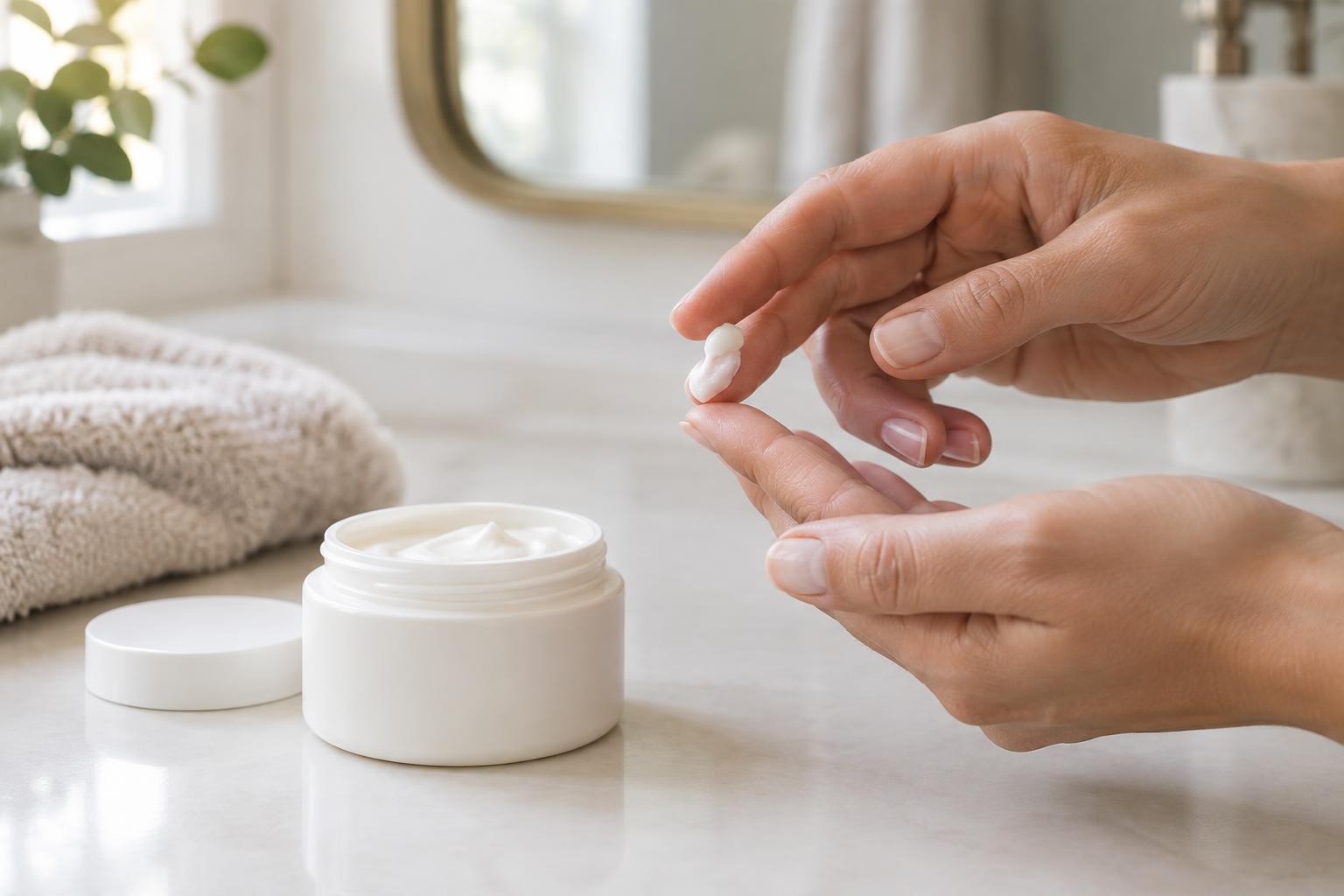
A useful amount of moisturizer is enough to spread in a comfortable, even layer over the area you intend to cover. For the face, a small dab is a reasonable starting point. Add a little more if it will not reach your cheeks, forehead, nose, and chin without tugging. If you also moisturize your neck, dispense more for that area rather than trying to stretch the same dab across both.
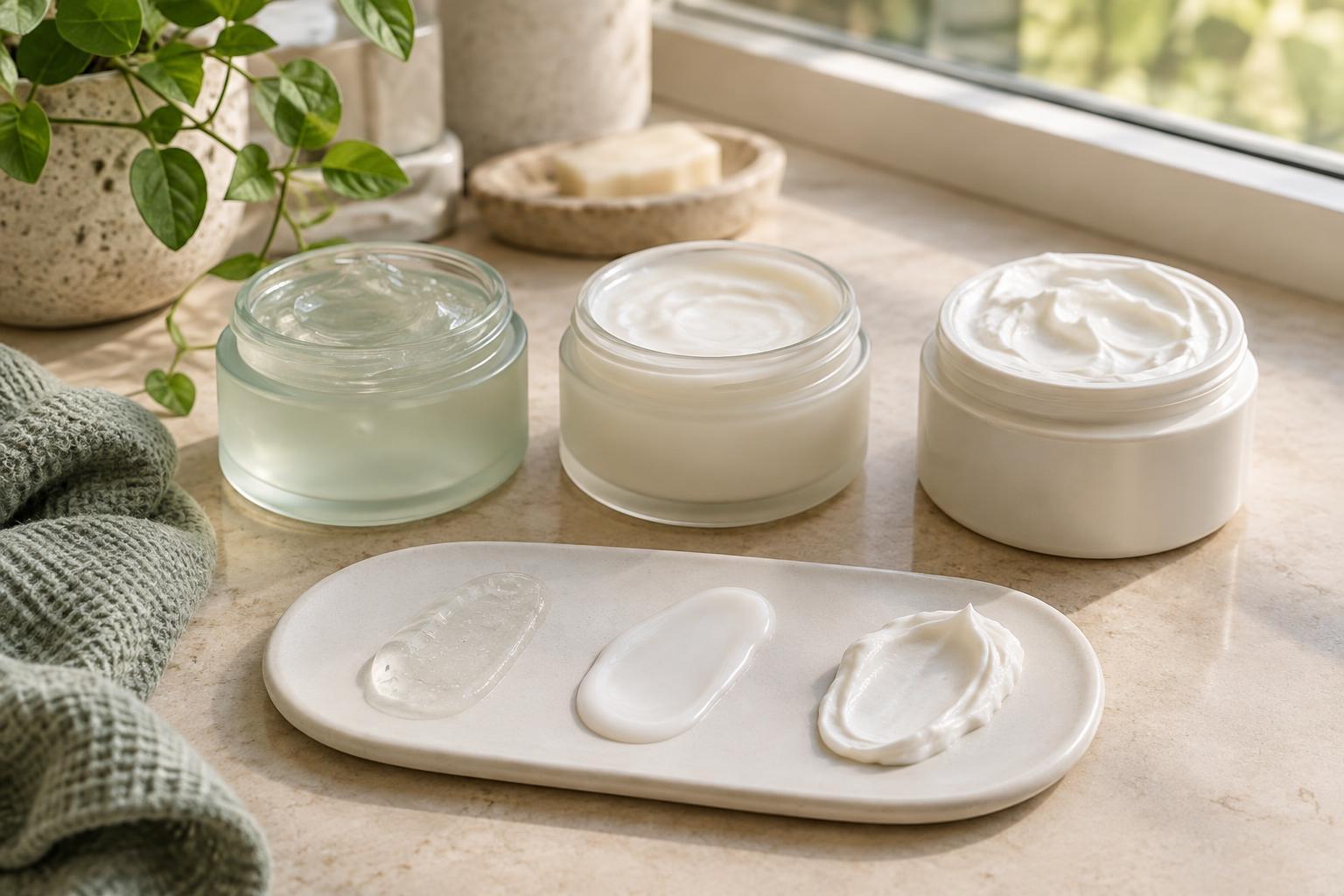
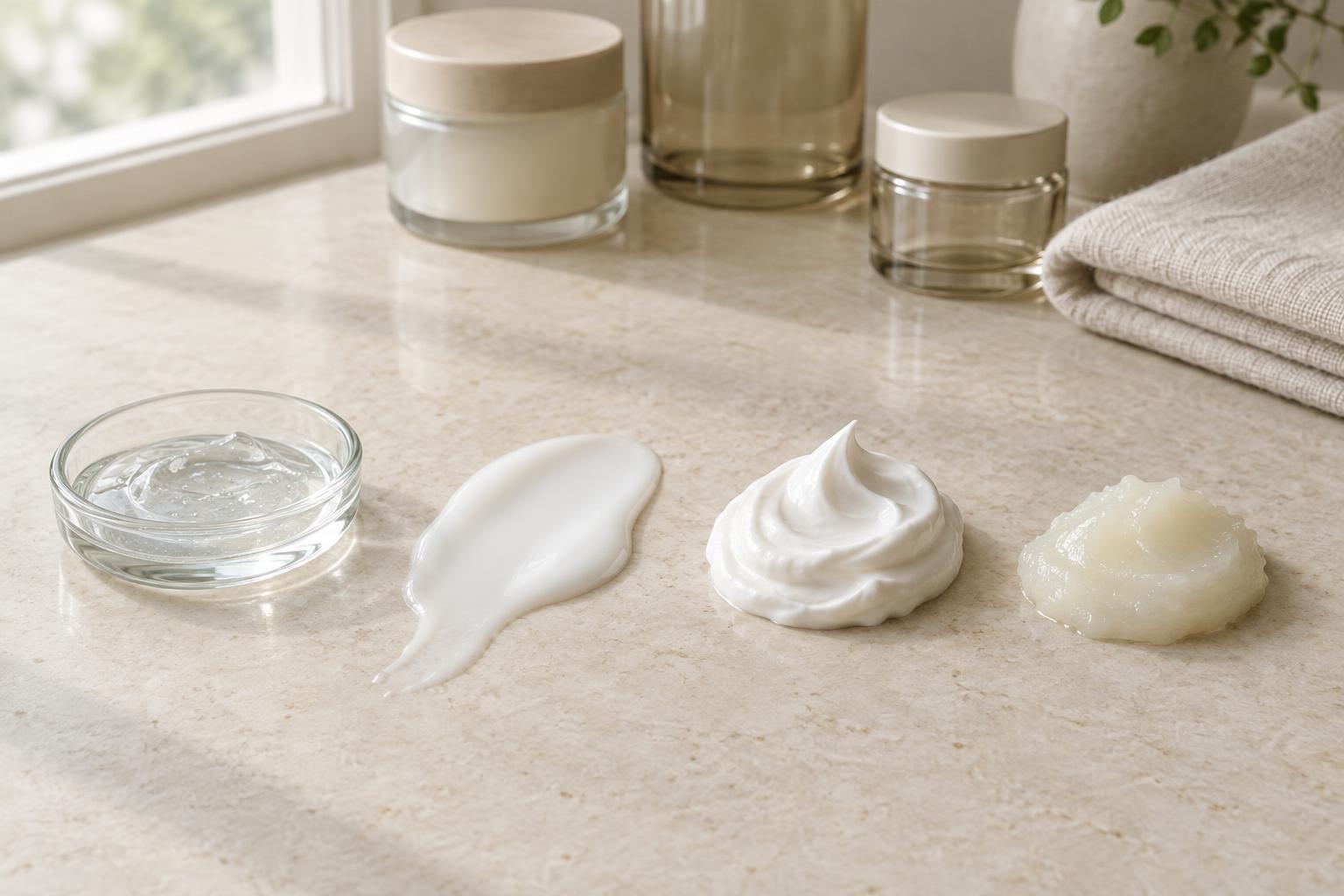
A pea-sized or coin-sized comparison can help you picture an amount, but it is not a rule. A rich cream, a fluid lotion, and a lightweight gel spread differently. Packaging also changes how much comes out with one pump or squeeze. Pay more attention to how the product applies and feels after a few minutes than to whether you have used an exact quantity.
Use the finish as your guide
After application, your skin may feel more comfortable and less tight, with a finish that suits your preferences. If some areas still feel dry or the product disappears before you can spread it evenly, try a little more next time. You can also add a small amount just to the areas that need it, rather than increasing the layer everywhere.
If moisturizer sits in a heavy film, remains unusually sticky, or makes makeup slide around, you may have applied more than you need for that product. Try using less and spreading it in a thin layer. Bear in mind that a shiny finish is not always a sign of excess: some formulas are designed to look dewy, while others dry down more softly.
Adjust for the product and the rest of your routine
The right amount can change when you switch formulas. A richer cream may feel sufficient in a thin layer, while a lighter lotion may take a little more to cover the same area comfortably. Rather than assuming a new product should be used exactly like the last one, begin modestly and adjust over several uses.
Consider what goes underneath and on top, too. A hydrating serum or a creamy sunscreen may affect how much additional moisturizer feels pleasant. In the morning, you might prefer a lighter moisturizer under makeup; at night, you might enjoy a richer finish. Moisturizer and sunscreen serve different purposes, however. Do not reduce the amount of sunscreen recommended on its label just because moisturizer is underneath it.
Notice when your needs change
You may want to adjust your amount as your surroundings or habits change. Dry indoor air, cold weather, frequent washing, or a longer shower can leave skin feeling less comfortable. On a humid day, the same moisturizer may feel heavier. These observations do not mean you need a complicated seasonal routine: using a bit more or less, or changing texture, may be enough.
Different parts of your face may also prefer different amounts. You can apply a thin layer everywhere, then add a little to areas that still feel tight. If you are tempted to keep adding product because your skin never feels comfortable, the issue may be the formula or another step in your routine rather than the quantity alone. More moisturizer is not always the most useful adjustment.
Make application easy to repeat
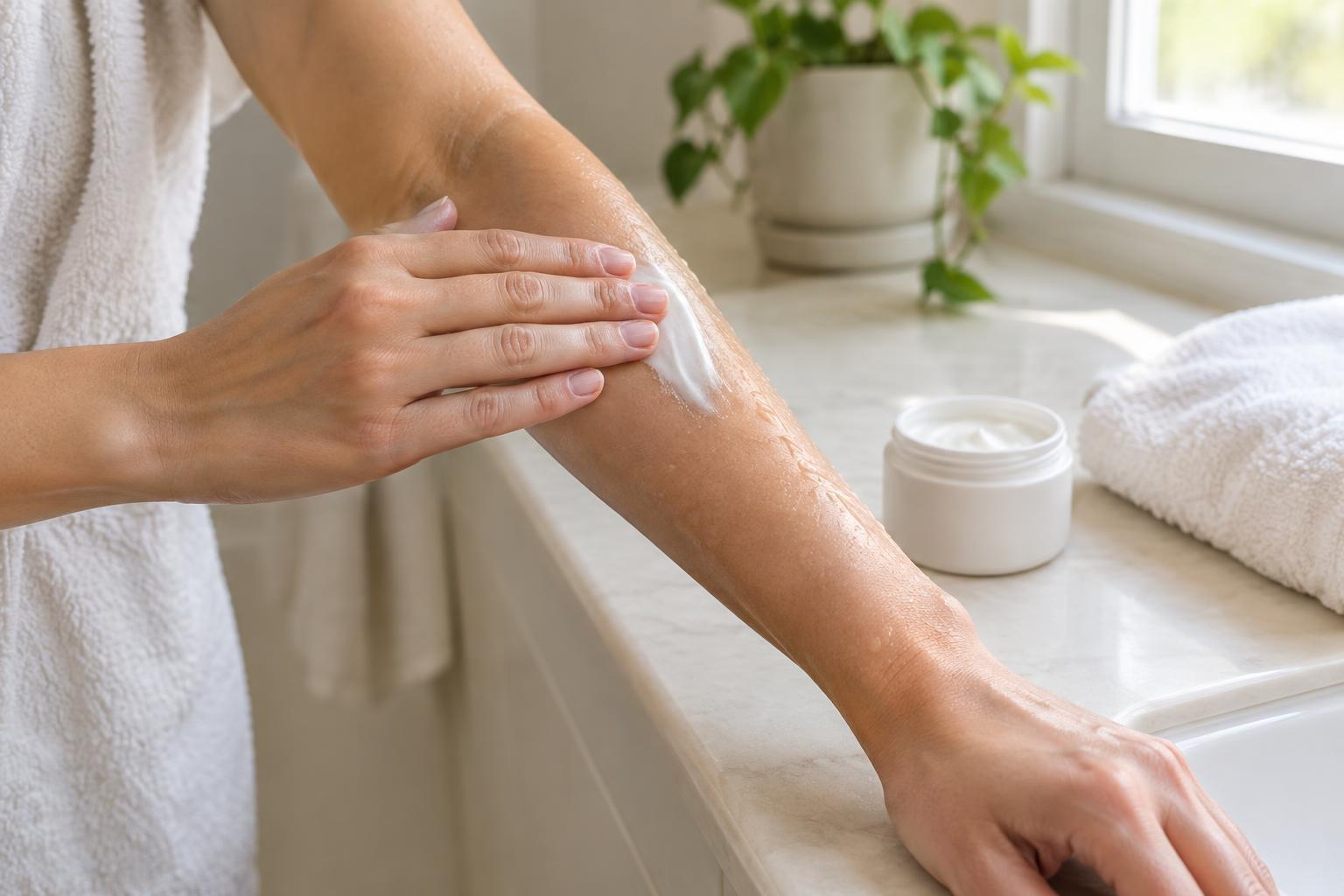
Apply moisturizer after cleansing, when your skin is clean and ready for the next step. Many people find it pleasant to apply it while skin is still slightly damp, rather than waiting until it feels dry. Spread it gently across the areas you want to cover, and give it a moment to settle before applying makeup or judging the finish.
Aim for a routine you can repeat comfortably, not a perfect dose. Start with a small amount, check whether it covers evenly, and adjust in small increments. If a product repeatedly causes stinging or an uncomfortable reaction, applying a different amount may not solve the problem; stop using it and seek appropriate guidance if the reaction persists.