What “slightly damp” actually means
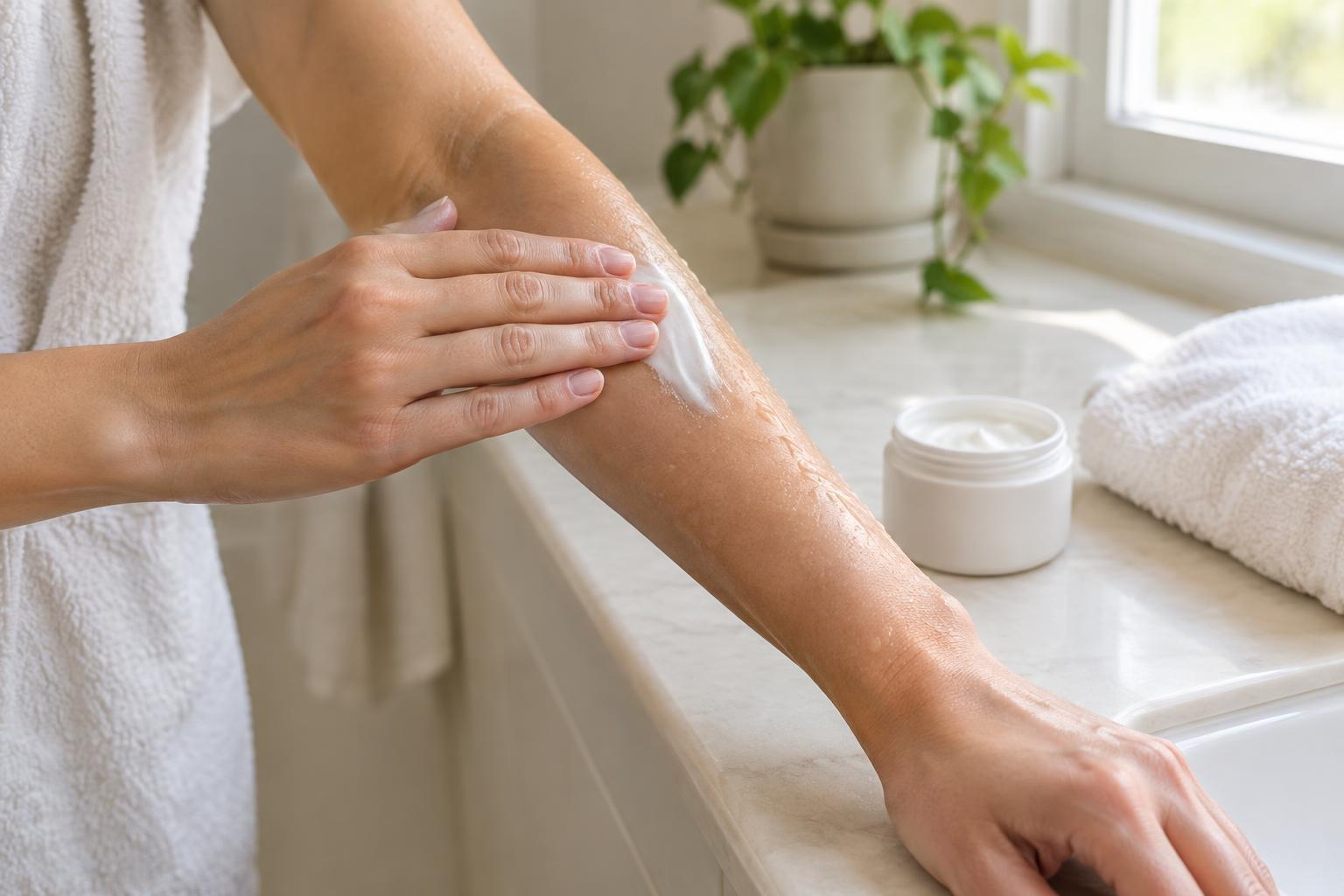
After cleansing or showering, skin may still have a thin layer of water on its surface. “Slightly damp” means it no longer has visible droplets or feels wet enough to dilute a product, but it has not been left to dry completely. You can reach that point by gently patting with a towel rather than rubbing until your skin feels dry.
Applying moisturizer at this stage is a useful habit because it pairs the product with water that is already present. It does not make a moisturizer work in an entirely new way, and it is not essential to race against a timer. The practical idea is simply to follow cleansing with moisturizing while your skin still feels comfortable and a little moist.
How water and moisturizer work together
Moisturizers can contain several kinds of ingredients. Humectants, such as glycerin, attract and hold water. Emollients help skin feel smoother and softer, while more occlusive ingredients help slow water loss from the surface. Many formulas combine these functions, even if the package highlights just one ingredient.
When you apply a moisturizer to slightly damp skin, the product spreads over a surface that already has some water on it. Ingredients that hold water can help keep it near the skin’s surface, while ingredients that reduce water loss help limit how quickly that comfortable, hydrated feeling fades. Water alone tends to evaporate; moisturizer helps make the benefit of washing or misting more lasting.
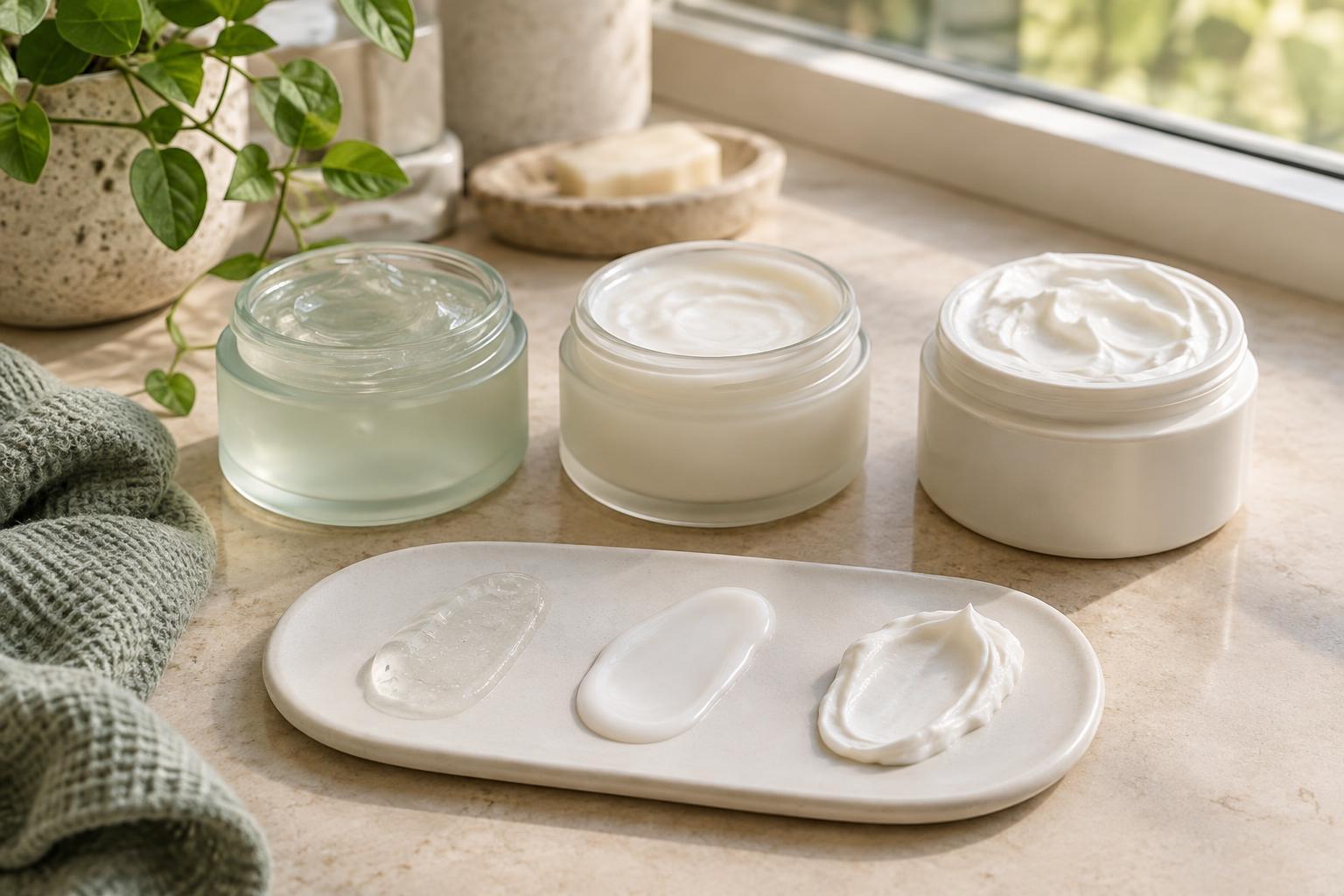
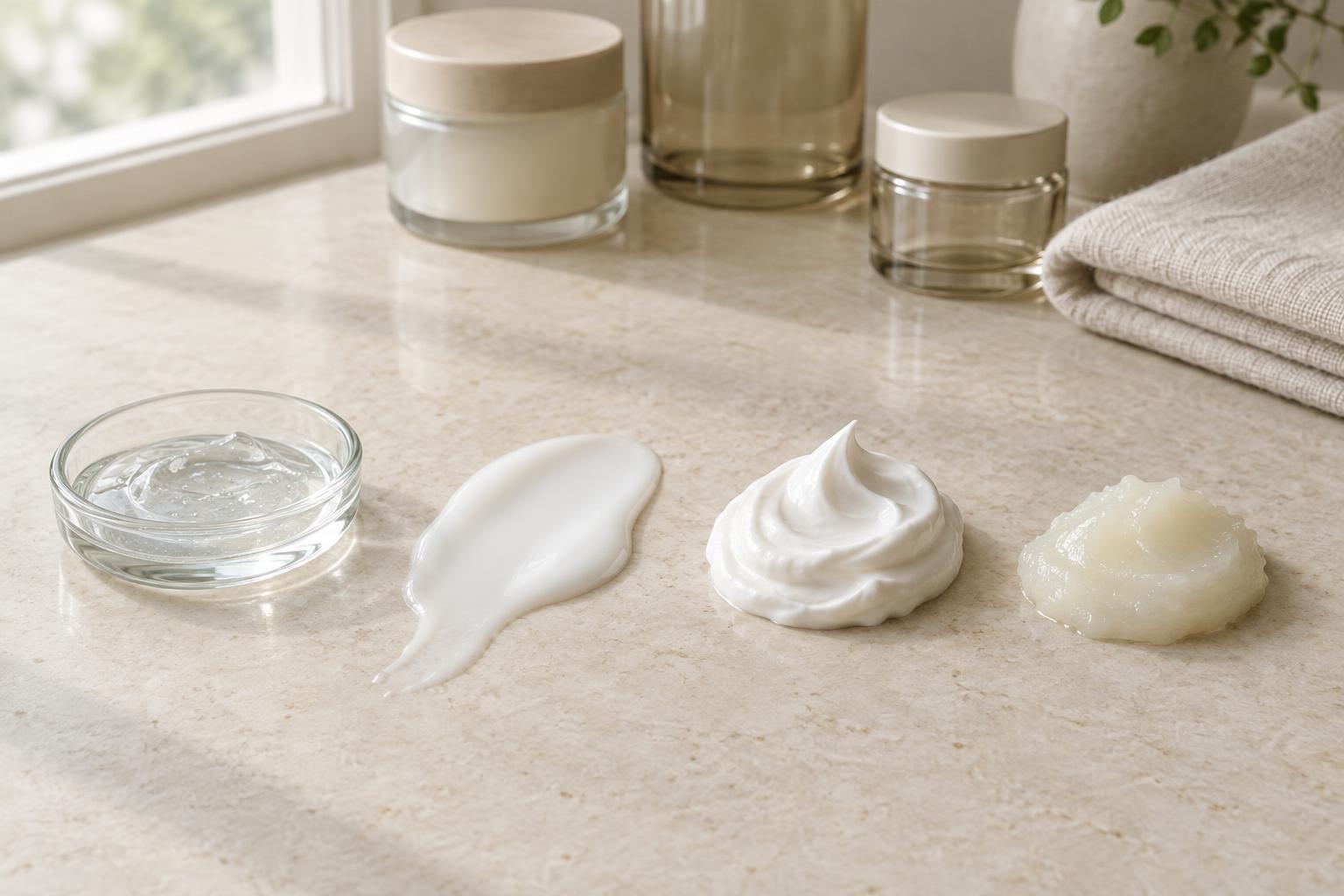
This is also why damp-skin application is not a substitute for choosing a product that suits you. A lightweight lotion may be enough for some people, while others prefer a richer cream, particularly when the air feels dry. The best texture is one you can apply consistently without an unpleasant sticky or heavy finish.
A simple way to try it
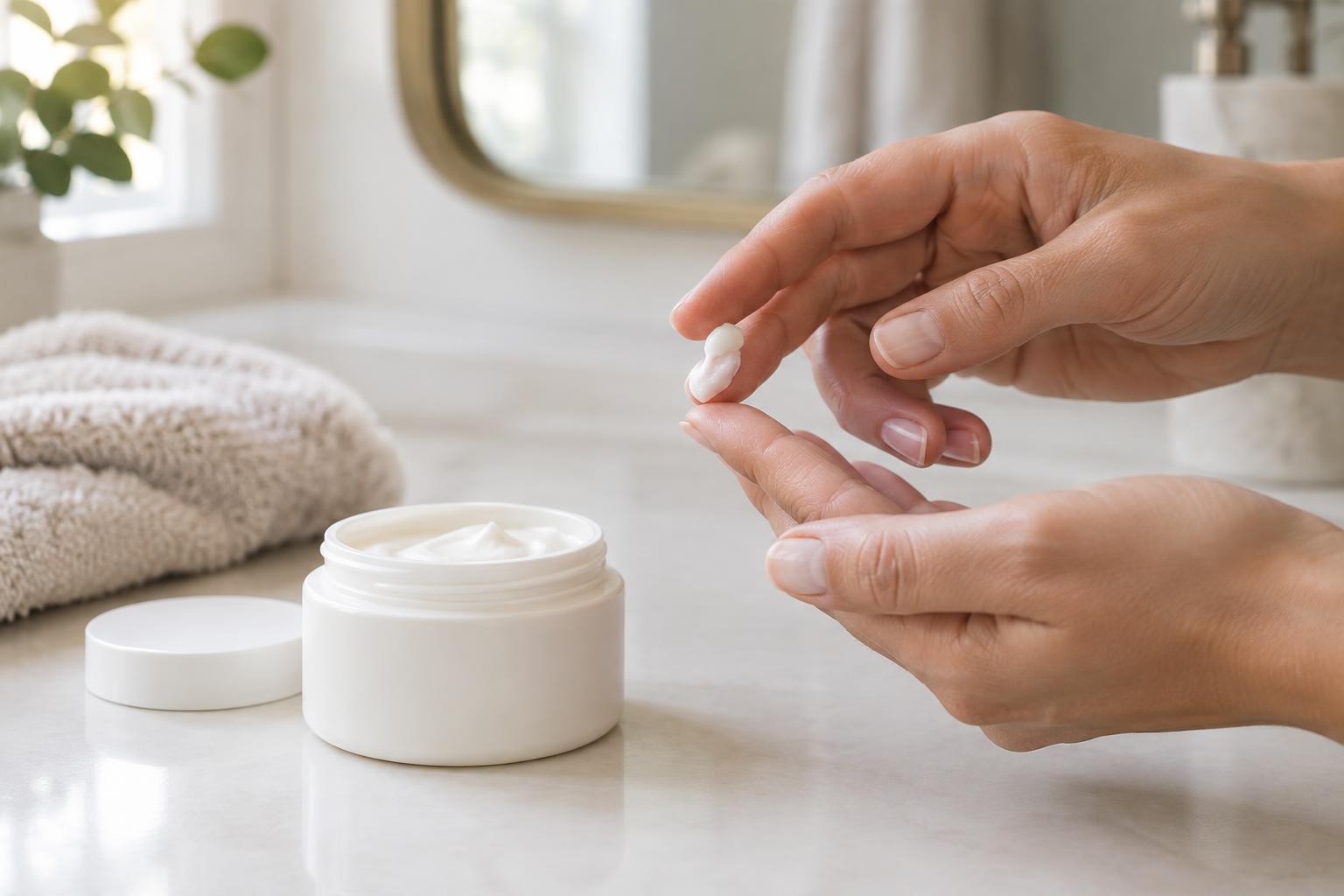
Start with a gentle cleanse and rinse thoroughly. Pat your face or body with a clean towel until it is no longer dripping, then apply moisturizer in an even layer. There is no need to rub vigorously; spreading it gently is enough. If you use more than one leave-on product, follow the directions for each and allow a comfortable amount of time for layering.
If your skin has already dried, you have not missed your chance to moisturize. Apply the product anyway. You can also lightly moisten skin with water first if that feels pleasant and works well with your formula. Avoid soaking the area just to create dampness: too much water may make a product slide around, feel diluted or take longer to settle.
Pay attention to how much you use as well as when you use it. A thin, even application may be more comfortable than a thick layer that sits on the surface. Hands, elbows and other exposed areas may need a different amount or texture from the face.
When damp-skin application may need adjusting
Not every product is designed to go onto damp skin. Some leave-on products, particularly those with exfoliating ingredients or other potentially irritating actives, may feel stronger or sting more when applied immediately after washing. Follow the label’s directions for those products rather than assuming the damp-skin habit applies to every step. You can still moisturize at a point in the routine that feels comfortable.
If a moisturizer stings, pills, or leaves your skin feeling persistently uncomfortable, adding more water may not solve the problem. The formula, amount used, cleansing step or combination of products could be a factor. Try simplifying the routine and choosing a texture that feels comfortable. If you have persistent or significant skin concerns, seek guidance from an appropriate qualified professional rather than relying on a change in application timing.
The takeaway: useful timing, not a strict rule
Applying moisturizer to slightly damp skin is an easy way to make use of water left behind after cleansing. It can help a moisturizing formula spread comfortably and support a softer-feeling finish, especially when the product contains ingredients that hold water and slow its loss.
Treat it as an option to test, not a requirement for good skincare. A moisturizer applied to dry skin can still be useful, and a product you enjoy using regularly matters more than perfect timing. Pat gently, moisturize while your skin feels a little moist if it suits you, and adjust based on the product directions and how your skin feels.