Use your skin’s finish, not a strict timer
The best time to apply makeup is when the skincare underneath has settled enough to leave a workable surface. That might take less than a minute for a light lotion or a few minutes for a richer cream. The amount you apply, the formulas you use and how your skin feels can matter more than a precise number of seconds.
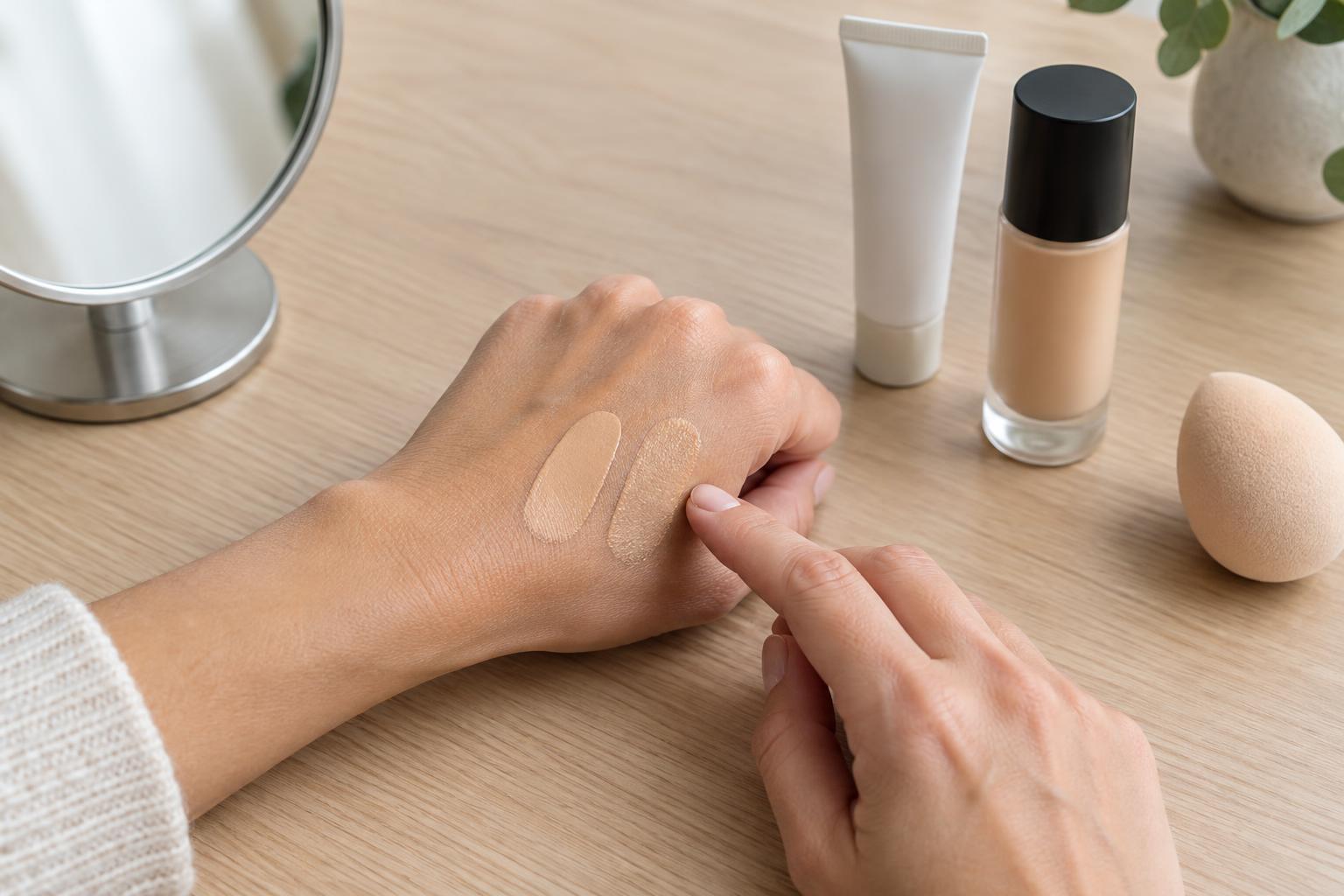
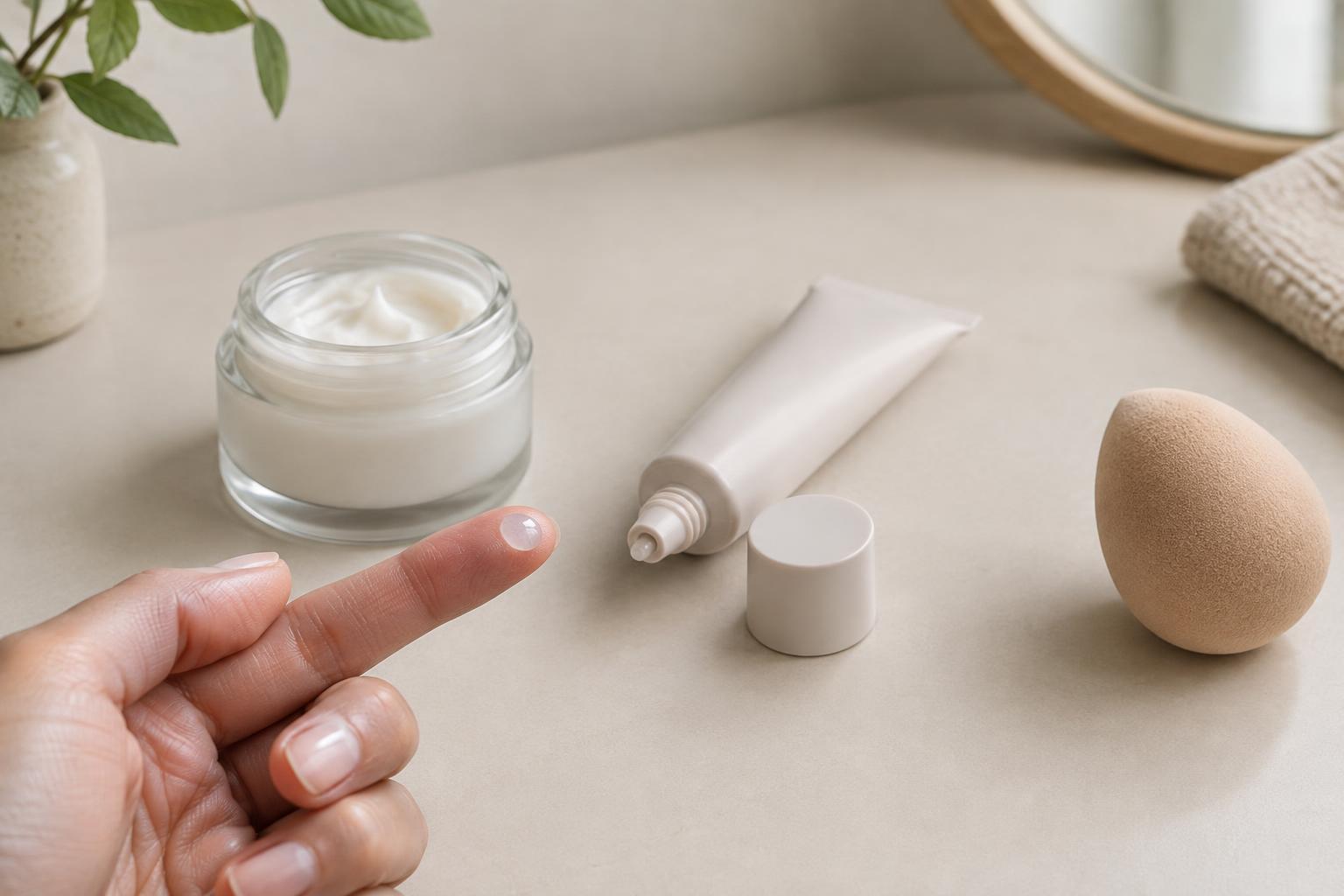
After applying a product, lightly touch an area where makeup tends to shift, such as a cheek or the side of your nose. It does not need to feel completely dry, but it should no longer feel wet or move around easily. A little tackiness can be useful for some makeup products; a slippery layer is more likely to mix with foundation as you apply it. Waiting longer will not necessarily improve the result if you have simply used more product than your skin needs.
Give each layer a chance to settle
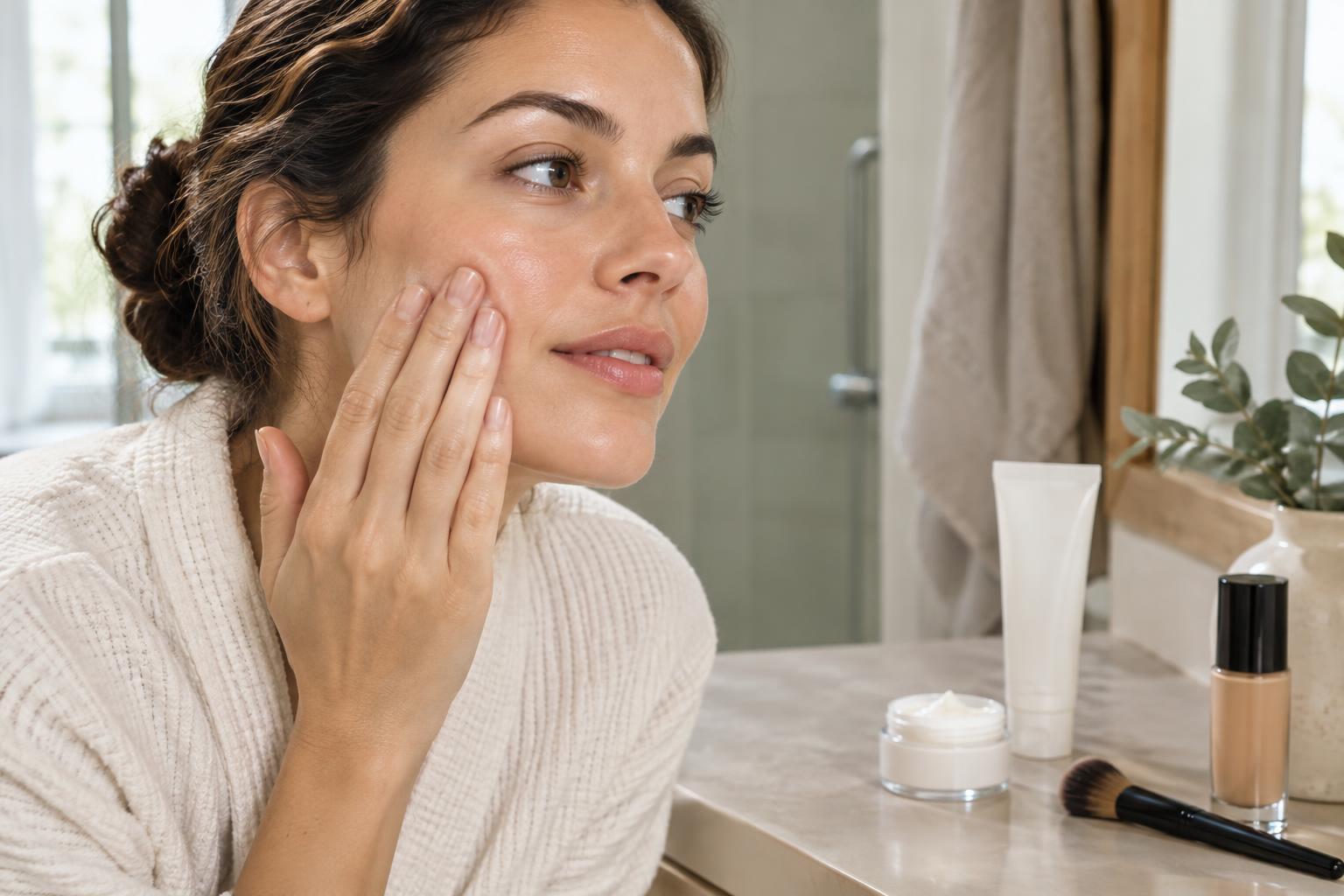
A straightforward morning order is cleanser, any lightweight skincare you choose to use, moisturizer if needed, sunscreen and then makeup. Primer, if you use one, generally goes between sunscreen and foundation. You do not need a long pause after every step. Apply the next layer when the previous one is no longer noticeably wet, using gentle motions rather than repeatedly rubbing the same area.
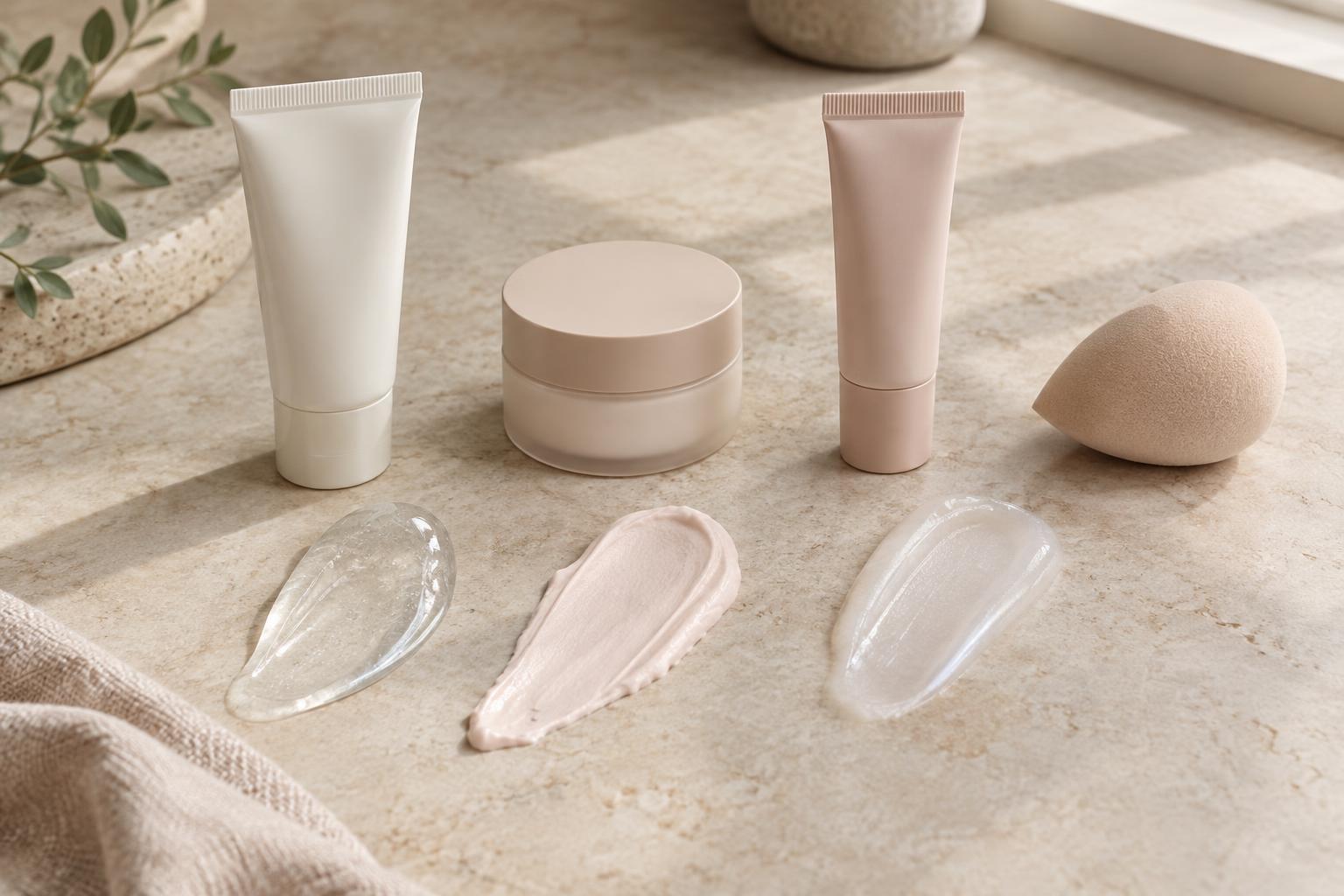
Texture can guide your pace. A thin, watery product may settle quickly, while a generous application of moisturizer can take longer. If your face still feels very slick, give it another moment before adding primer or foundation. If you are short on time, consider whether every layer is necessary for your routine rather than trying to speed things up by vigorously blending them together.
Take particular care with sunscreen
Sunscreen is usually the last skincare step before makeup. Apply it according to its label, including any directions about amount, timing or reapplication. Rather than immediately working foundation into a freshly applied layer, let the sunscreen settle so you can apply makeup without shifting it around. There is no single wait time that suits every sunscreen formula.
When you start your makeup, try gentle pressing or light blending instead of forceful rubbing. Makeup with an SPF label should not automatically be treated as a replacement for your separate sunscreen; the protection on a product label depends on using it as directed. If you rely on sunscreen during the day, think about how you will follow its reapplication directions, especially when makeup makes reapplying less convenient.
Adjust for the makeup finish you want
For a sheer tint or cream blush, a slightly dewy moisturizer may help the product glide. For a fuller-coverage foundation, a surface that still feels oily or very tacky may make even application harder. These are starting points, not rules: the result depends on the particular formulas and how you apply them.
If makeup clings to dry-looking areas, waiting longer may not be the answer. Try applying a modest amount of moisturizer to those areas and letting it settle before makeup. If foundation separates or slides, experiment with less moisturizer or primer beneath it. Change one part of the routine at a time so you can tell what made a difference.
Troubleshoot pilling before adding more time
Pilling is the formation of small rolls or flakes as products are layered or rubbed. It can happen when too much product sits on the surface, when layers do not work well together, or when repeated blending disturbs what is underneath. Extra waiting sometimes helps, but it cannot fix every combination of formulas.
Start with smaller amounts where the product label allows, and spread each layer evenly. Let it settle, then apply the next product with a lighter touch. If pilling continues, test a simpler routine: moisturizer and sunscreen followed by makeup, without primer or extra skincare layers. Add products back one at a time. A reliable routine is one you can repeat comfortably, not one that requires watching the clock between every step.