What a moisturizer is trying to do
Skin can feel tight after washing, rough in dry air or simply less comfortable at certain times of day. A moisturizer is designed to help with that everyday feeling. Rather than acting as a single ingredient that “adds moisture,” most formulas combine ingredients that attract water, soften the skin’s surface and slow the loss of water from that surface. The result may feel smoother and more flexible, although the experience depends on the formula and the person using it.
Hydration and moisture are often used interchangeably on labels, but they can point to different jobs within a formula. Water-binding ingredients help the outer layer of skin hold onto water. Richer ingredients help reduce how quickly that water escapes and make dry-feeling areas feel less rough. You do not need to identify every ingredient on a label to benefit from a moisturizer, but understanding these roles makes product descriptions easier to interpret.
Three ingredient roles to recognize
Humectants attract and hold water. Glycerin and hyaluronic acid are familiar examples. They are found in products across many textures, from light lotions to thick creams, so seeing one on a label does not tell you how heavy the finished product will feel. On its own, a water-binding ingredient is only part of the picture; the rest of the formula affects how comfortable and lasting the application feels.
Emollients help smooth and soften the skin’s surface. Ingredients such as squalane and many plant-derived oils can contribute to a less rough feel. Occlusive ingredients, including petrolatum and dimethicone, help limit water loss by forming a protective layer at the surface. These categories are useful shortcuts, not rigid boxes: an ingredient may contribute more than one effect, and the proportions and overall formulation matter as much as any name on the front of the package.
Why cleansing changes how skin feels
Cleansing removes things you may not want to leave on your face, such as makeup, sunscreen and the day’s buildup. It can also leave skin feeling temporarily less comfortable, especially if a cleanser is too strong for your preferences, the water is very hot or you wash more often than you need to. Moisturizer cannot make an uncomfortable cleansing routine ideal, so consider the two steps together rather than asking a cream to compensate for everything that happens at the sink.
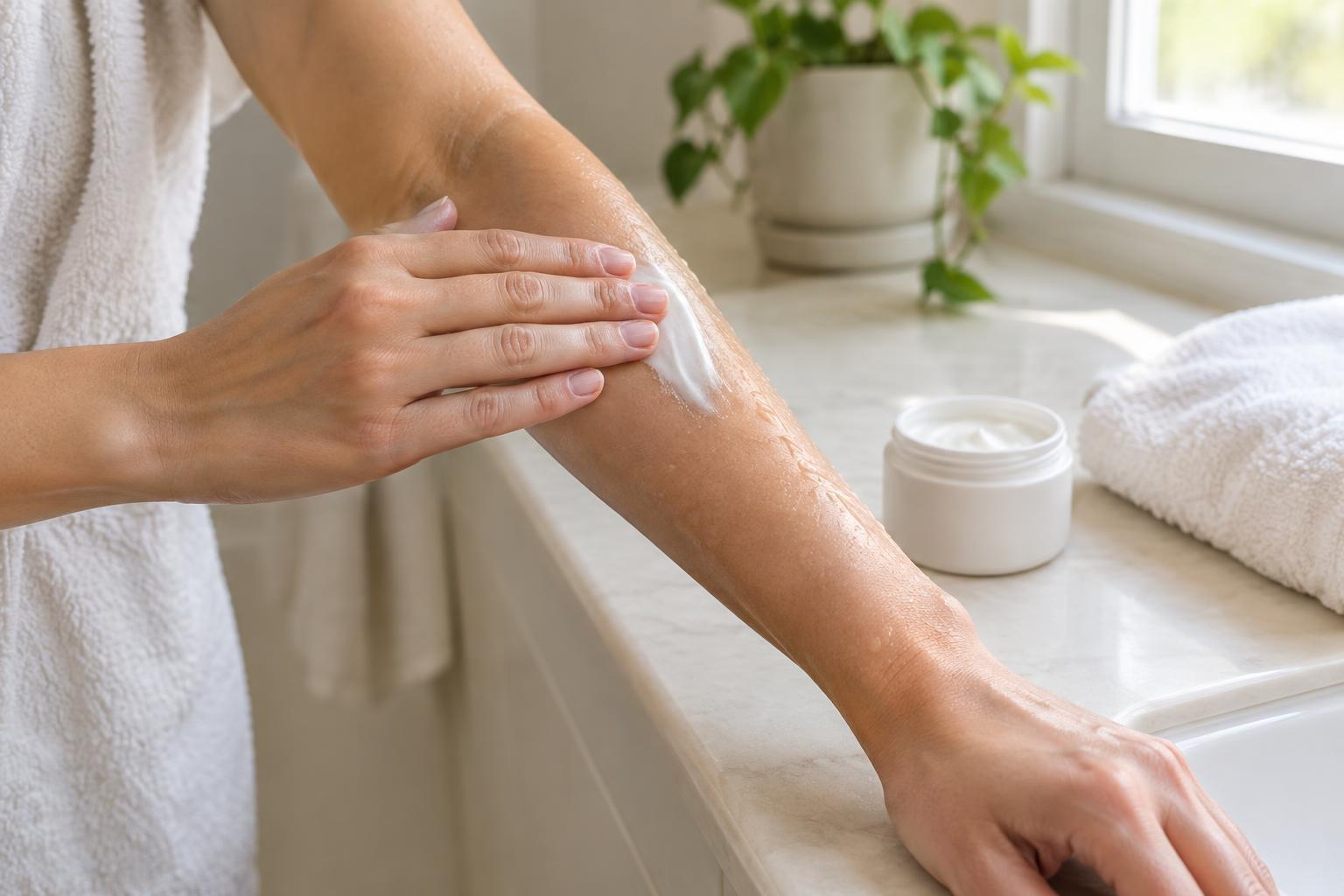
After cleansing, pat skin gently rather than rubbing it dry. Applying moisturizer while skin is still slightly damp can be a convenient way to pair water on the surface with a formula that helps it stay there. There is no need to leave your face dripping wet or follow a strict countdown. A comfortable, repeatable routine is more useful than perfect timing.
Choosing a texture you will actually use
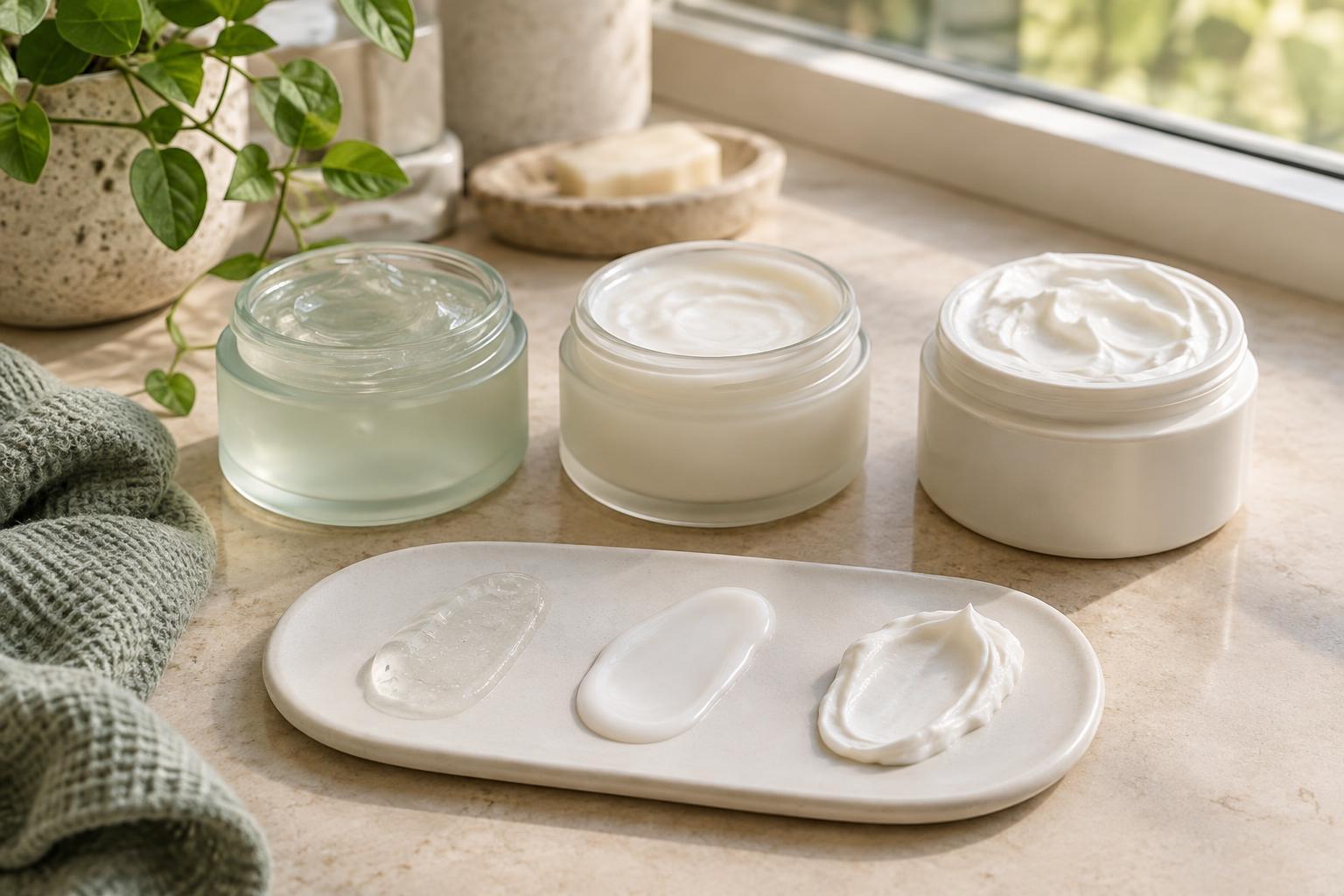
A light lotion or gel-cream may appeal to someone who dislikes a heavy finish, while a richer cream or balm may feel better on areas that get noticeably dry. These are preferences, not fixed rules based on a skin-type label. Weather, cleansing habits and where you apply the product can also change what feels right. You might prefer one texture across your whole face or a small amount of something richer only where you want it.
Pay attention to the finish as well as the ingredient list. Does the product spread easily, feel comfortable after several minutes and fit under any makeup or sunscreen you use? Fragrance, a glossy finish or a thick texture may be enjoyable to one person and unwelcome to another. If you are unsure about a new formula, try a small amount first and give yourself room to notice how it feels before making it a regular step.
Keep the routine simple and assess the result
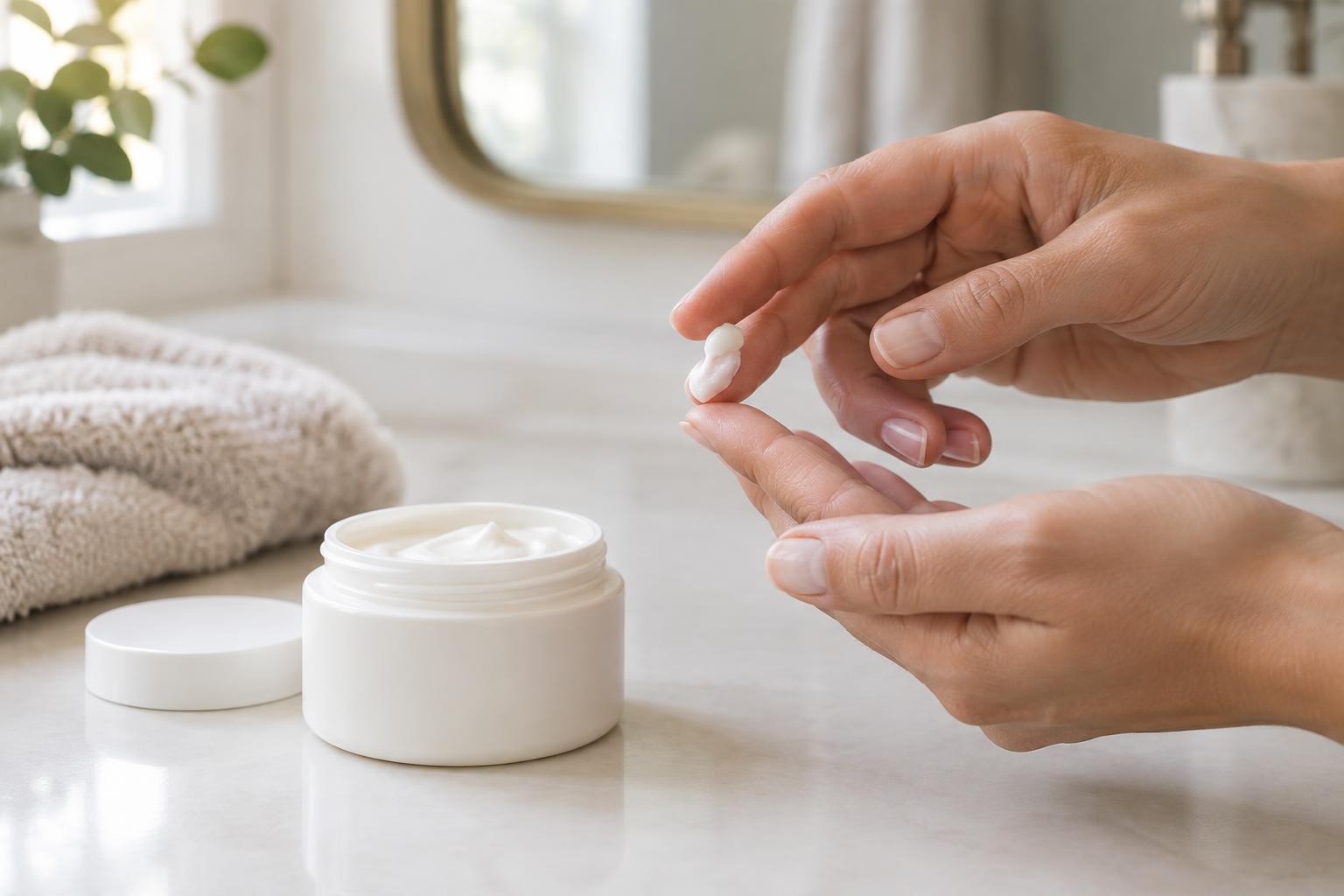
Start with enough moisturizer to spread a thin, even layer without excessive rubbing. You can adjust the amount if your skin still feels tight or the finish feels too heavy. Applying more is not automatically better; a product that feels good in a modest amount is often easier to use consistently. In a daytime routine, moisturizer and sunscreen have different purposes. If you use both, let the moisturizer settle enough to make the next step comfortable.
Judge a moisturizer by ordinary, observable questions: Does your skin feel comfortable after cleansing? Does the product leave a finish you like? Is it practical to use regularly? Words such as “intense” or “all-day” on a package cannot tell you exactly how it will feel on your skin. If a product repeatedly causes discomfort, stop using it rather than trying to force it into your routine. The best everyday choice is often the one that feels pleasant and fits easily into your day.