Start with a base that is ready for makeup
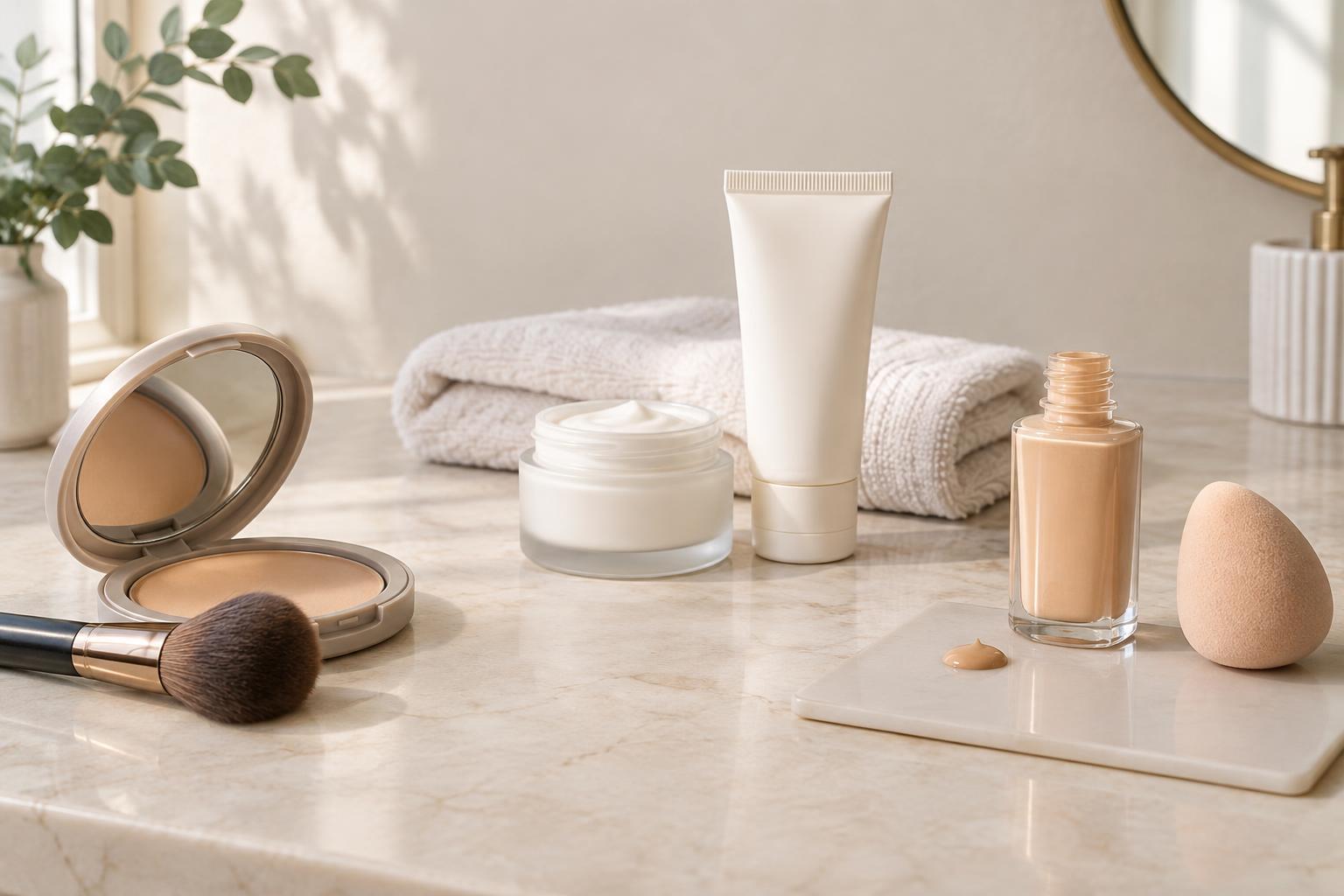
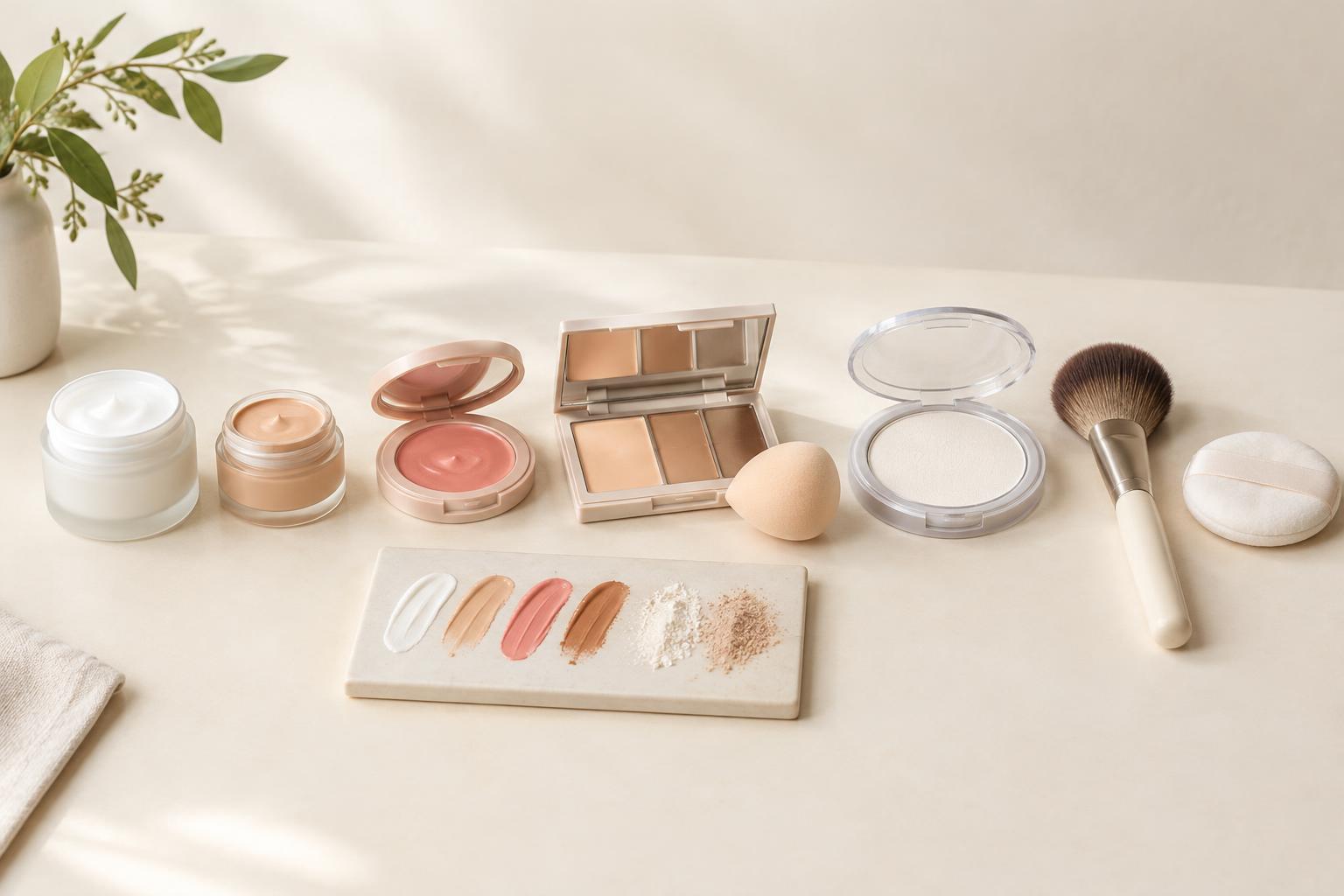
The simplest planning rule is to apply blendable liquids and creams before most powders. Cream foundation, concealer, blush and bronzer usually spread more easily over skin or another unset cream than over a layer of powder. Powder can then help reduce shine or hold the finished look in selected areas. This is a useful starting point, not a rule that every product must follow.
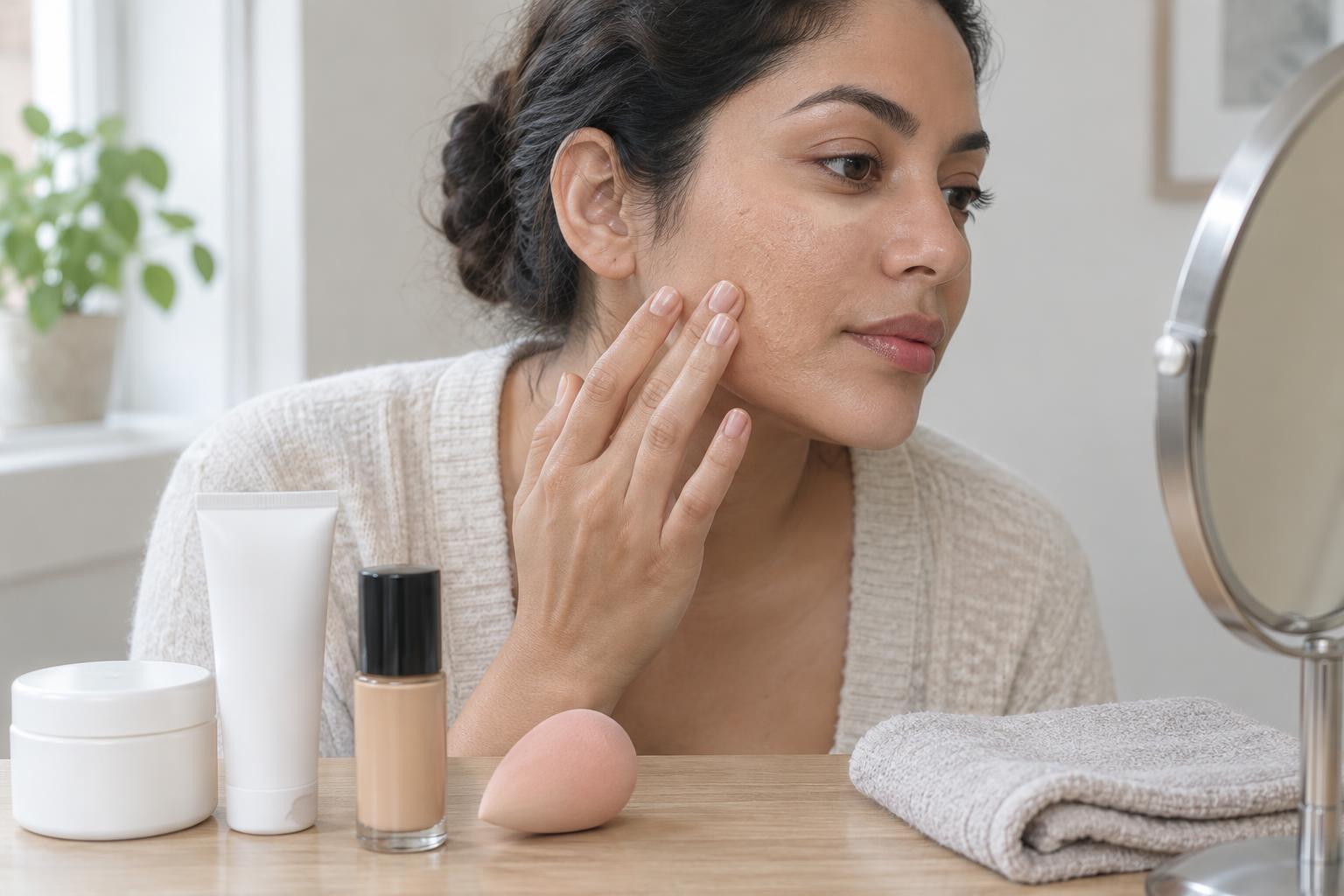
Begin with your usual cleansing and moisturizing routine, then allow products to settle before applying makeup. If you use sunscreen, follow its label directions and let it form an even layer rather than mixing it into foundation. A base that still feels slippery may cause makeup to move as you blend. You do not need to wait a fixed number of minutes; check how the surface feels and start with a light hand.
Decide where each texture needs to go
Before applying anything, consider which parts of your face will receive cream color and which you want to set with powder. A typical order is liquid or cream foundation, concealer where wanted, cream blush or bronzer, and then powder on areas that need it. Cream highlighter can join the cream stage. Powder blush, bronzer and highlighter generally go on after any setting powder, so they can glide over a more consistent surface.
You can also use both cream and powder versions of a color product. For example, a thin layer of cream blush can be followed by a small amount of powder blush. This may make the color more noticeable, so build slowly rather than assuming that doubling up will look better. There is no need to use every step: if your foundation and cream blush sit well without powder, leaving some areas unset is a reasonable choice.
Blend creams before you set them
Work in thin layers while cream products are still easy to move. Apply a small amount, blend its edges, and add more only where needed. If you want to keep coverage in a particular spot, press or tap concealer into place instead of repeatedly sweeping across it. The same gentle approach helps when placing cream blush over foundation: tapping is less likely to lift the base than firm rubbing.
Check your makeup from a little distance before reaching for powder. An uneven edge is usually easier to correct now than after it has been set. You can soften excess cream color with a clean sponge, brush or fingertips, depending on the product and your preference. If a cream seems to pill or separate over the layers beneath it, applying more powder will not necessarily fix the problem. Try using less product and disturbing the underlying layers less next time.
Use powder where it has a purpose
Setting powder does not have to cover the whole face. You might use a small amount around the nose, under the eyes or wherever makeup tends to look shiny or shift for you. Pick up a modest amount, remove the excess from the brush or puff, and press it on gently. Too much powder can change the finish of cream products or make textured areas more noticeable.
After setting, apply any powder color products with a light hand. Powder blush or bronzer can grab onto damp foundation unevenly, so check that the area feels settled before you begin. If it still feels tacky, a very thin veil of setting powder may help the color blend more evenly. On the other hand, a powder product designed for direct use over foundation may work well without that extra layer. Let the finish you want guide the choice.
Handle exceptions and touch-ups gently
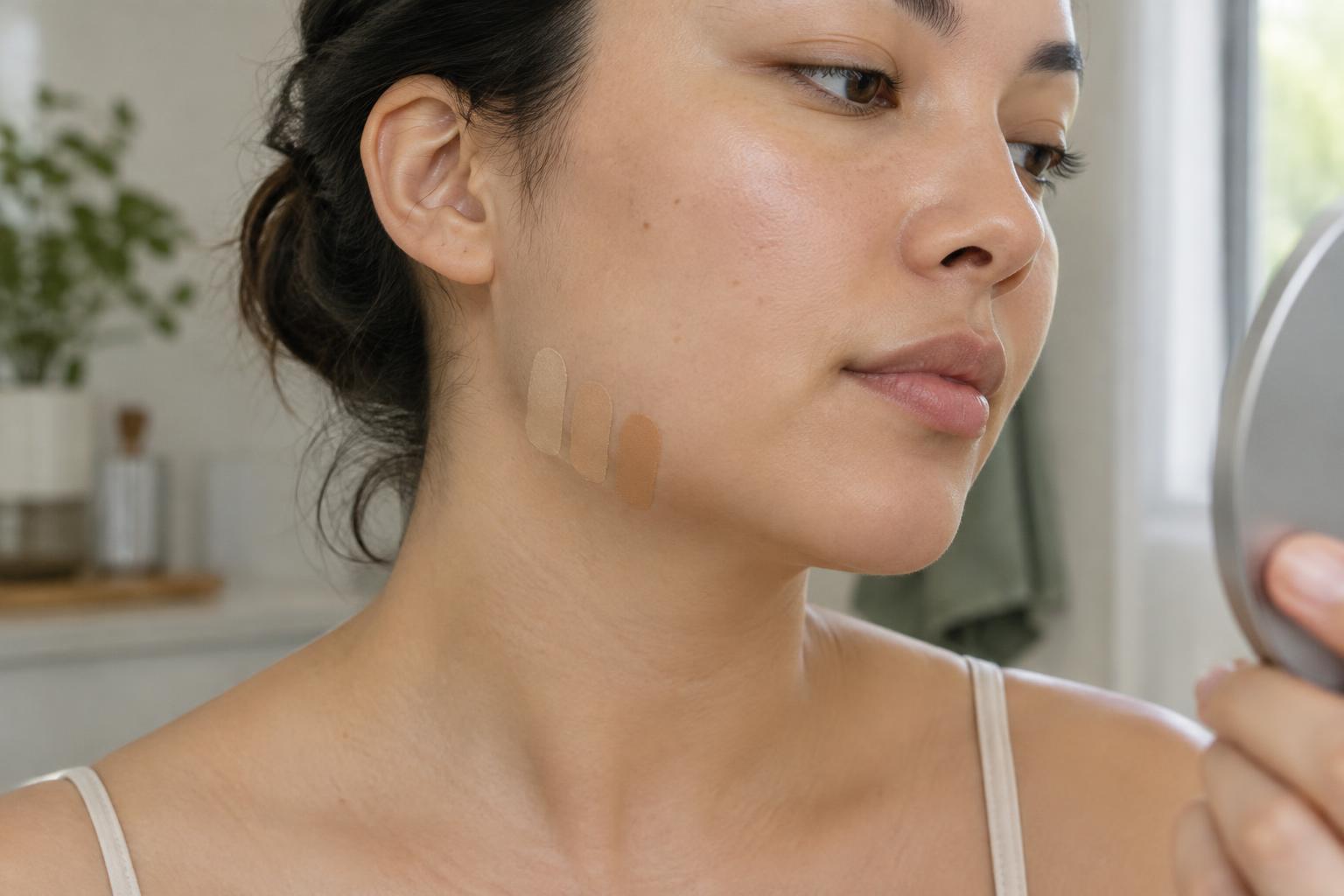
The creams-before-powders rule has exceptions. Some people prefer concealer after setting much of their foundation, or add a little cream highlighter over a finished look. If you place cream over powder, use a small amount and tap rather than drag it across the surface. Results depend on the formulas and how much powder is underneath, so test a new combination when you have time to adjust it.
For touch-ups, first address the reason makeup looks different. Blotting excess shine before adding powder may help avoid a heavy buildup. If an area has worn away, adding a little foundation or concealer just there may look smoother than powdering over it. Think of product order as a way to protect the layers you have already applied: place textures while they are easy to blend, set only what needs setting, and make small adjustments as you go.