Start with a comfortable base
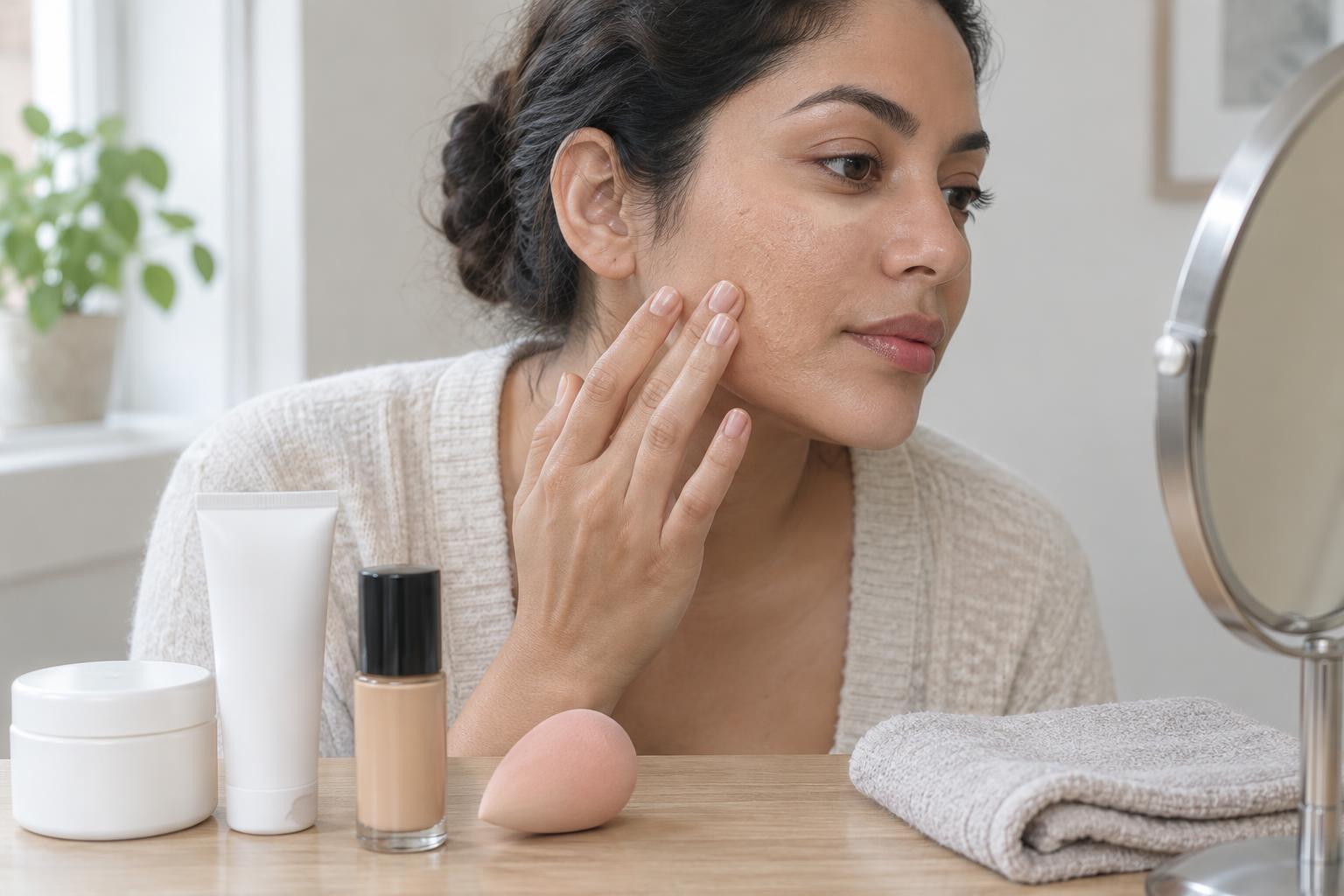
Good makeup prep does not require a long routine. Start with clean skin, then use enough moisturizer to leave it comfortable rather than tight or slippery. If you use sunscreen during the day, apply it as directed and let it settle before foundation. The goal is a surface that feels even to the touch, not one that has been scrubbed or coated with extra products just because makeup is going on top.
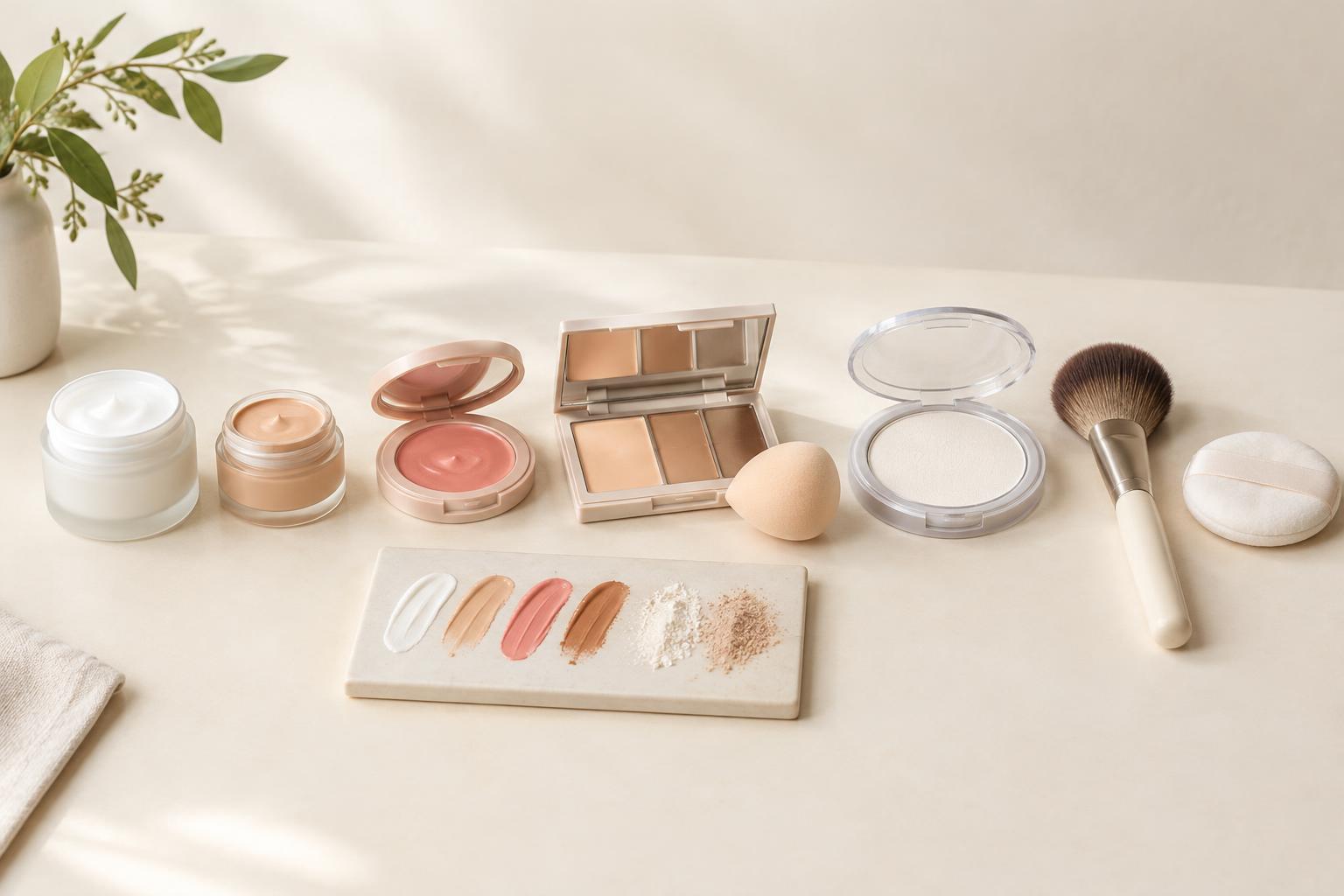
Foundation texture changes what you may notice about that surface. Powder can catch on areas where moisturizer has not spread evenly, while liquid may move around if the layers beneath it remain slick. These are tendencies, not rules: formulas vary, and the amount you apply matters. Before changing your entire routine, check whether a thinner layer or a little more settling time solves the problem.
For powder foundation, aim for smoothness without tackiness
Powder foundation generally applies more evenly when skincare has settled and the surface no longer feels wet. Moisturize first, paying attention to spots that commonly look rough under makeup. Then wait until the moisturizer and any sunscreen feel comfortable rather than tacky. A powder brush can distribute a light layer with less pressure; a sponge or puff may give more coverage but can also deposit too much powder at once.
If powder looks patchy, adding more powder is not always the answer. Brush away loose excess, then consider whether the area needed a little more moisturizer before application or whether an underlying product was still damp. If your face has both dry-looking and shiny areas, you can prep them differently: apply a modest amount of moisturizer where needed and keep heavier layers away from places where powder tends to clump.
For liquid foundation, balance slip with grip
Liquid foundation needs enough glide to spread without tugging, but an overly slippery base can make it harder to keep coverage where you want it. Apply moisturizer in a thin, even layer and give it time to settle. If the foundation drags or emphasizes uneven texture, try using a little less pressure when blending or reassess whether your moisturizer leaves your skin comfortable. If coverage seems to slide, test a smaller amount of moisturizer or foundation rather than adding another layer on top.
How you apply the liquid matters as much as the products underneath. Place a small amount in the center of the face or wherever you want coverage, then blend outward and build only where needed. A damp sponge can soften the look of an application, while a brush or fingertips may help place coverage more precisely. None is universally best; choose the tool that works with the formula and leaves the finish you prefer.
Keep sunscreen and primer in perspective
Sunscreen is part of daytime skin prep, not a step to skip because a foundation contains an SPF label. Apply your sunscreen as directed rather than relying on the thin, variable amount of foundation most people use for coverage. If foundation is difficult to apply over it, try changing your blending method or allowing the sunscreen to settle. Avoid rubbing hard enough to disturb the layer underneath.
Primer is optional for both powder and liquid foundation. A primer may change how makeup feels or looks, but it cannot reliably fix every mismatch between skincare and foundation. If you use one, apply a thin layer and see whether it improves the specific issue you noticed, such as uneven application or a finish you dislike. Testing one change at a time makes it easier to tell what is helping.
Troubleshoot the finish, not just the formula
When makeup pills into little rolls, first check how many layers you applied and how much you rubbed them. Letting products settle, using less of each and pressing foundation on gently may help. When powder looks heavy, remove excess from your brush or puff before it touches your face. When liquid separates or gathers in patches, try a thinner application and avoid repeatedly blending over the same spot as it begins to set.
You do not need a separate full routine for every foundation. Keep your usual cleansing, moisturizing and daytime sunscreen steps, then adjust the amount, placement and timing of products beneath your makeup. Powder may benefit from a settled, non-tacky surface; liquid may benefit from comfortable moisture without excess slip. Treat those as starting points, and judge the result in the lighting and conditions where you normally wear your makeup.